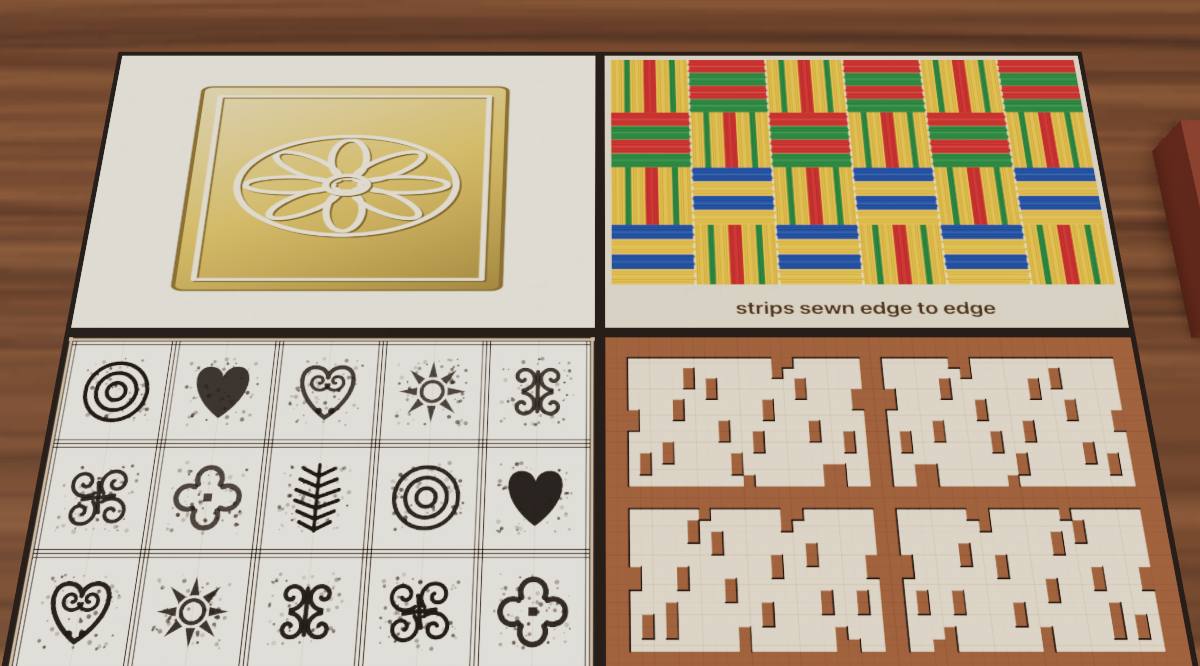
FreeArt of Africa, the Americas and Oceania through how it is made: lost-wax casting, kente and Andean weaving, adinkra stamping, Pacific barkcloth, and how museums date and acquire works10–20 min · Ages 10–18Years 5–9
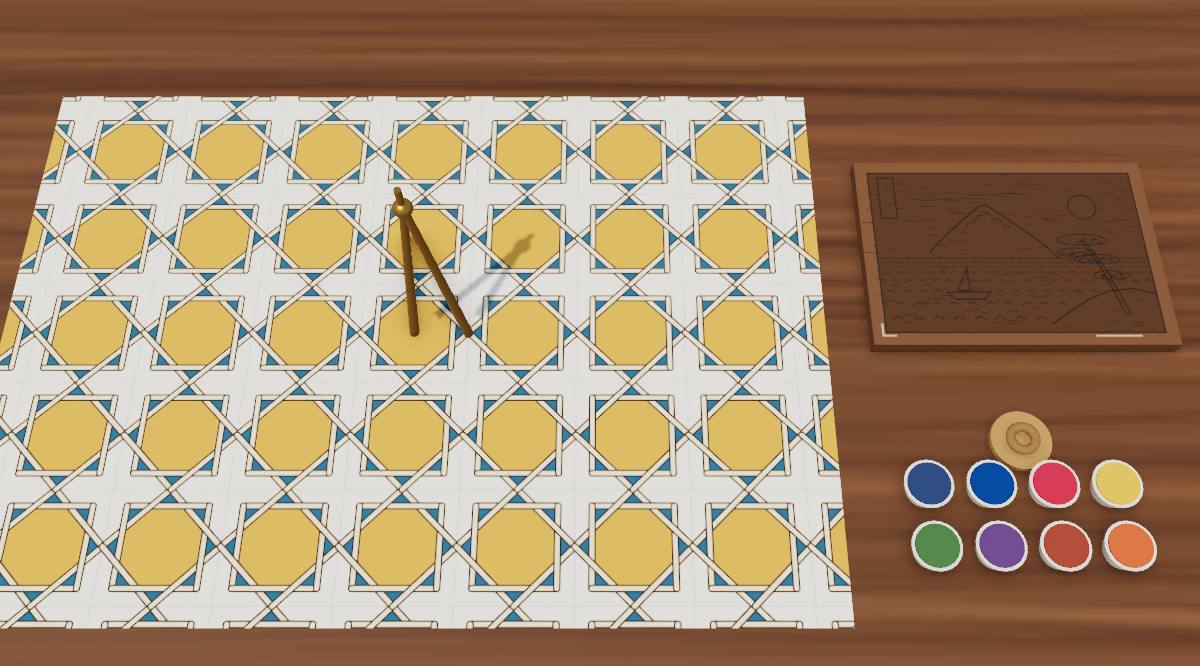
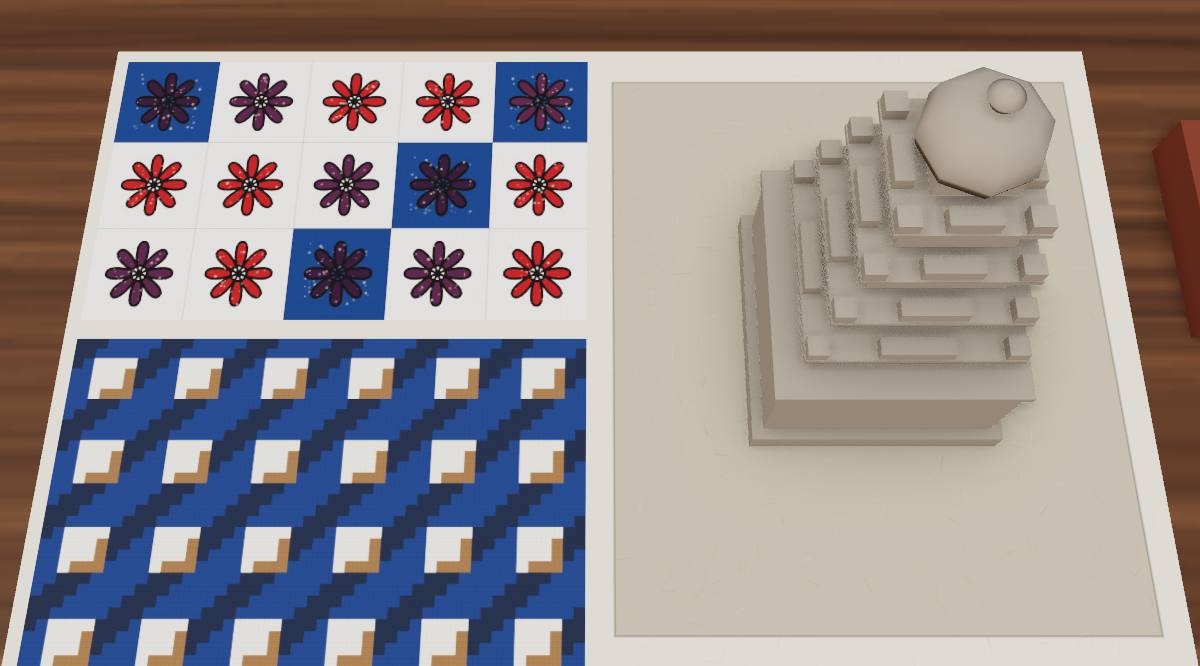
FreeArts of India and Southeast Asia through how they are made: mordant block printing and chintz, ikat, batik, temple towers and plans as architecture, and Chola lost-wax bronze, with provenance and returns10–20 min · Ages 10–18Years 5–9
Cloth, stone and bronze
How were the arts of India and Southeast Asia made?
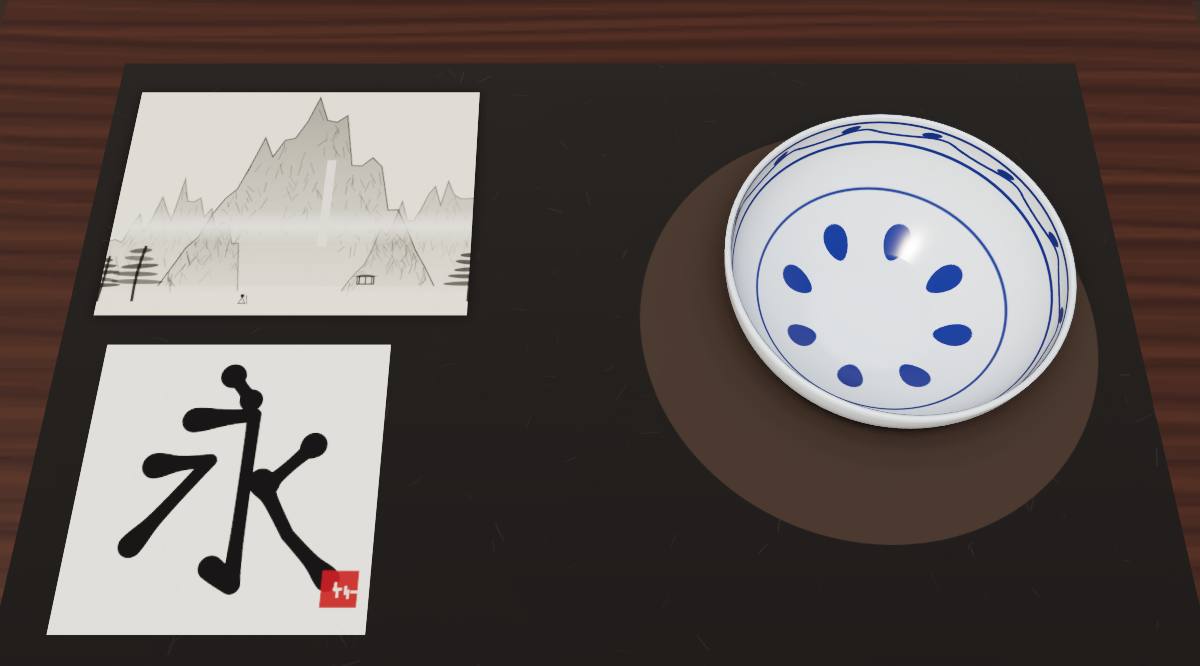
FreeChinese painting, calligraphy and porcelain through how they were made: ink and brush, scripts and stroke order, the handscroll and its seals, Jingdezhen porcelain and its glazes, and how museums date and acquire works10–20 min · Ages 10–18Years 3–9
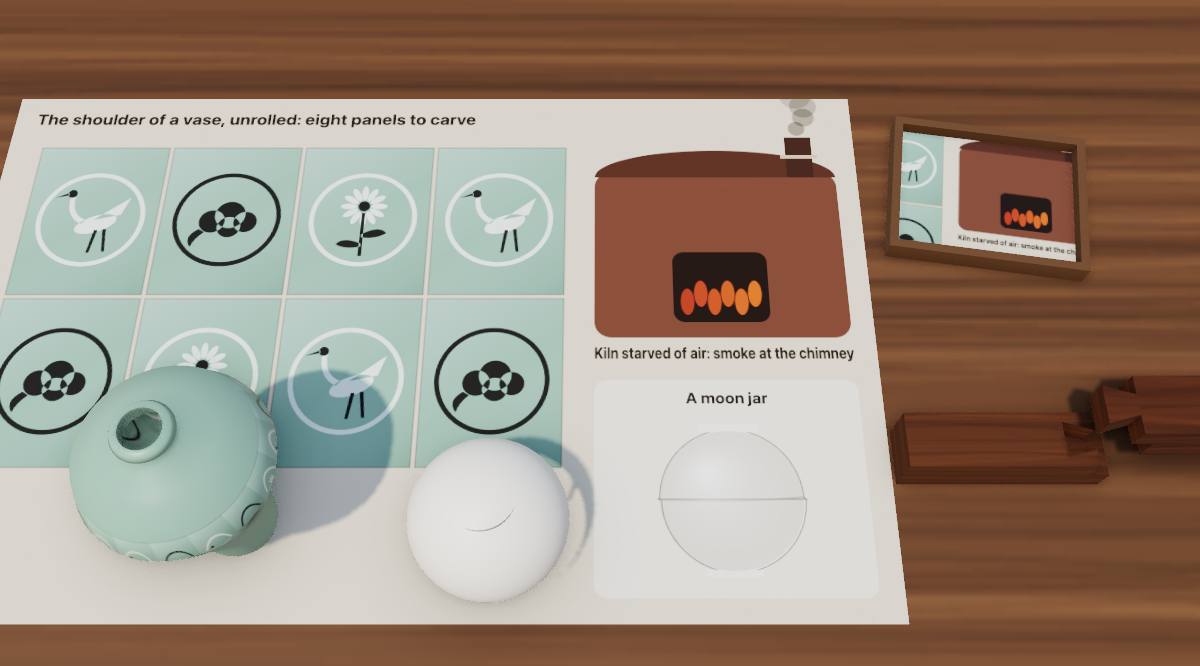
FreeArts of Korea and Japan through how they were made: Goryeo inlaid celadon, buncheong and the moon jar, urushi lacquer and maki-e, timber joints without nails or glue in houses and farmhouses with the hanok's ondol, Korean metal movable type and Hangul, with the 2011 Uigwe returns10–20 min · Ages 10–18Years 5–9
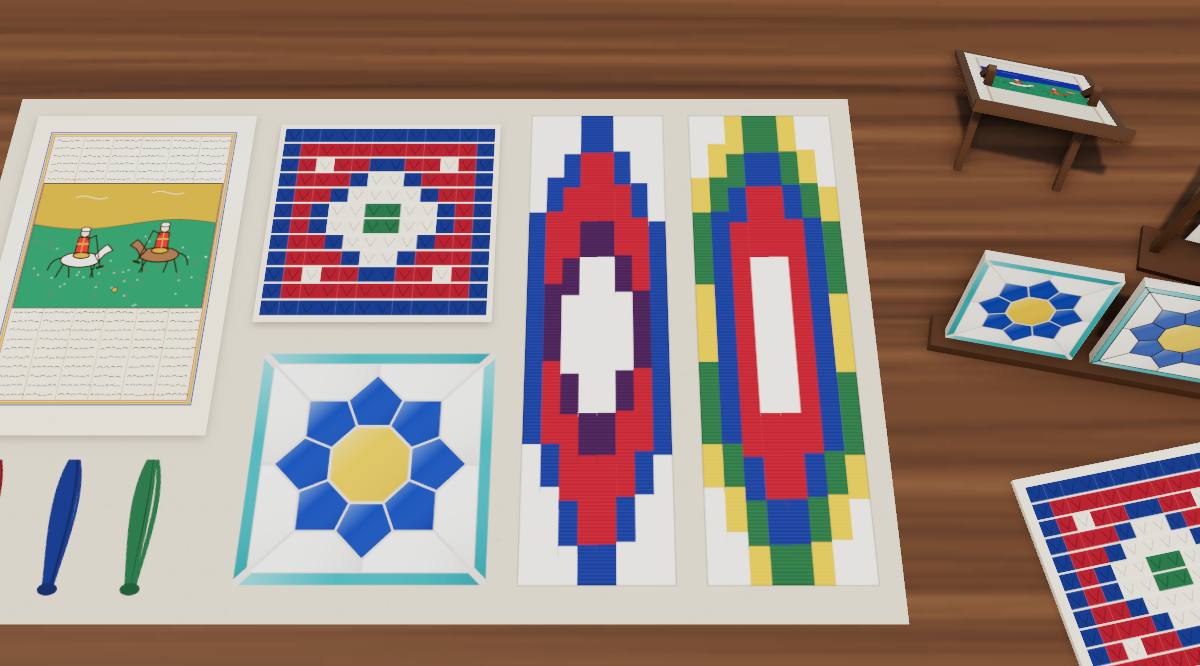
FreeArts of Persia and Central Asia through how they are made: the painted manuscript page of the Shahnameh, dyes, mordants and the knotted carpet, tile mosaic and seven-colour tiles, warp ikat and the suzani, with how two great illustrated books were taken apart10–20 min · Ages 10–18Years 5–9
Carpet, tile and page
How were the arts of Persia and Central Asia made?
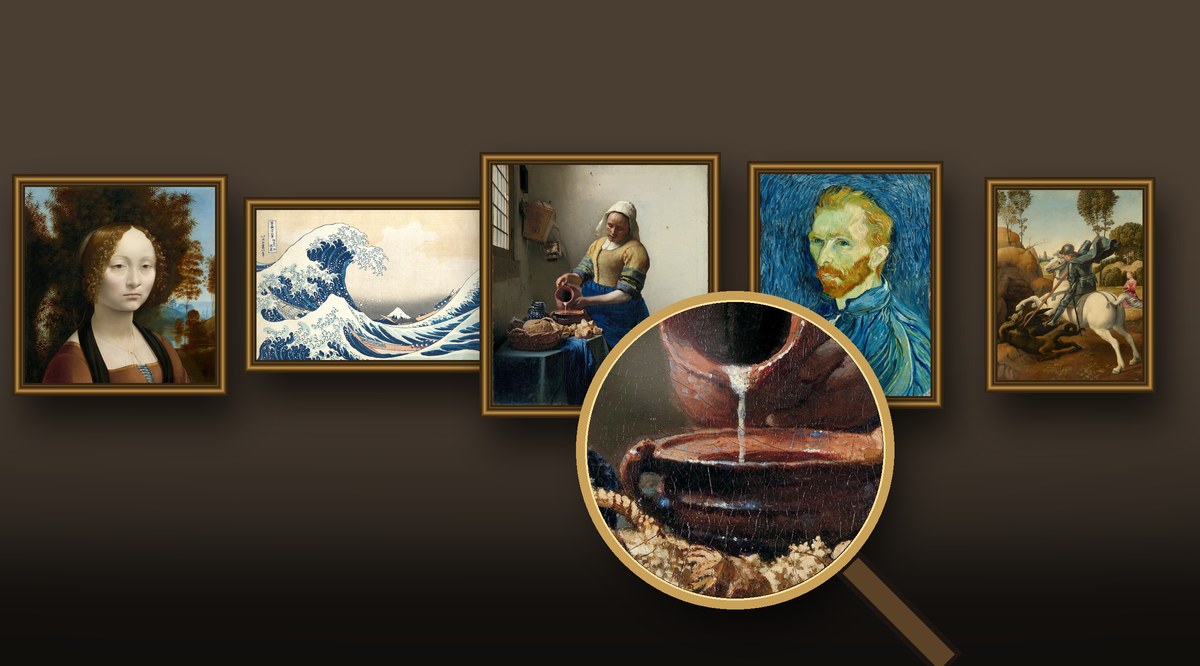
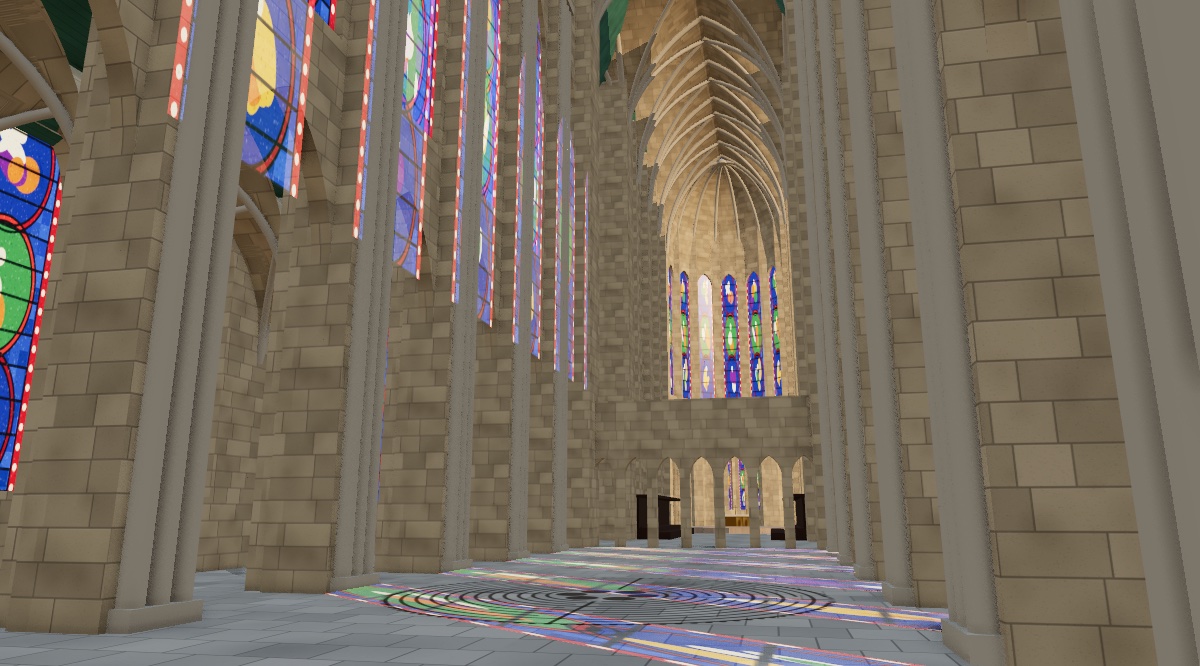
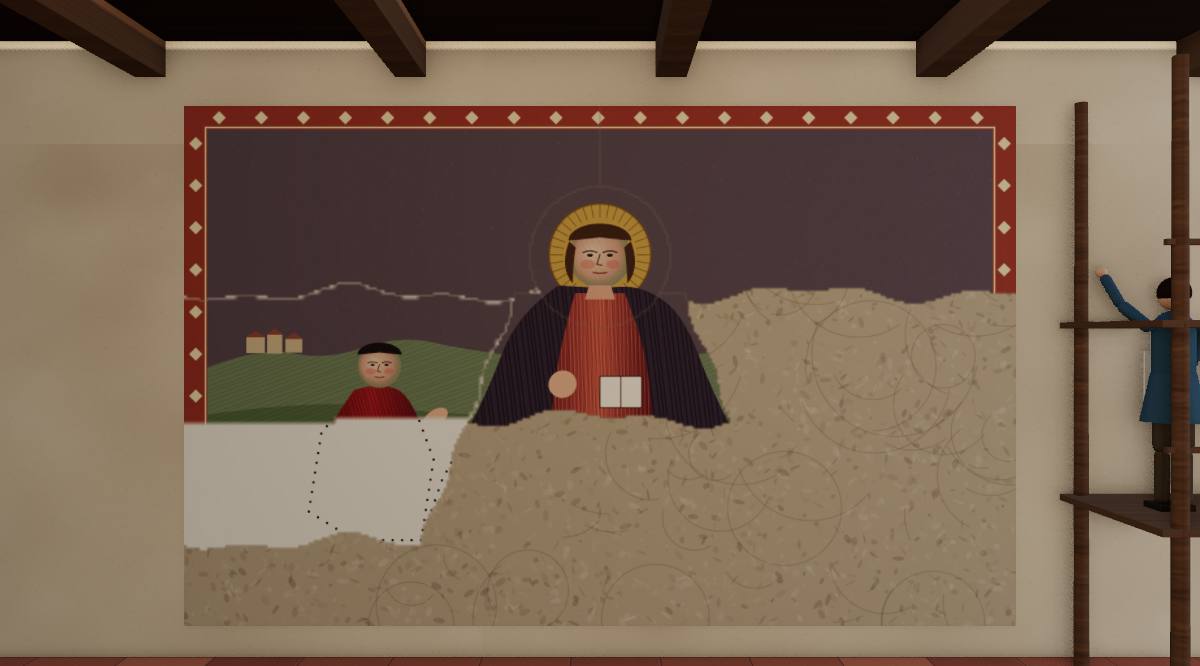
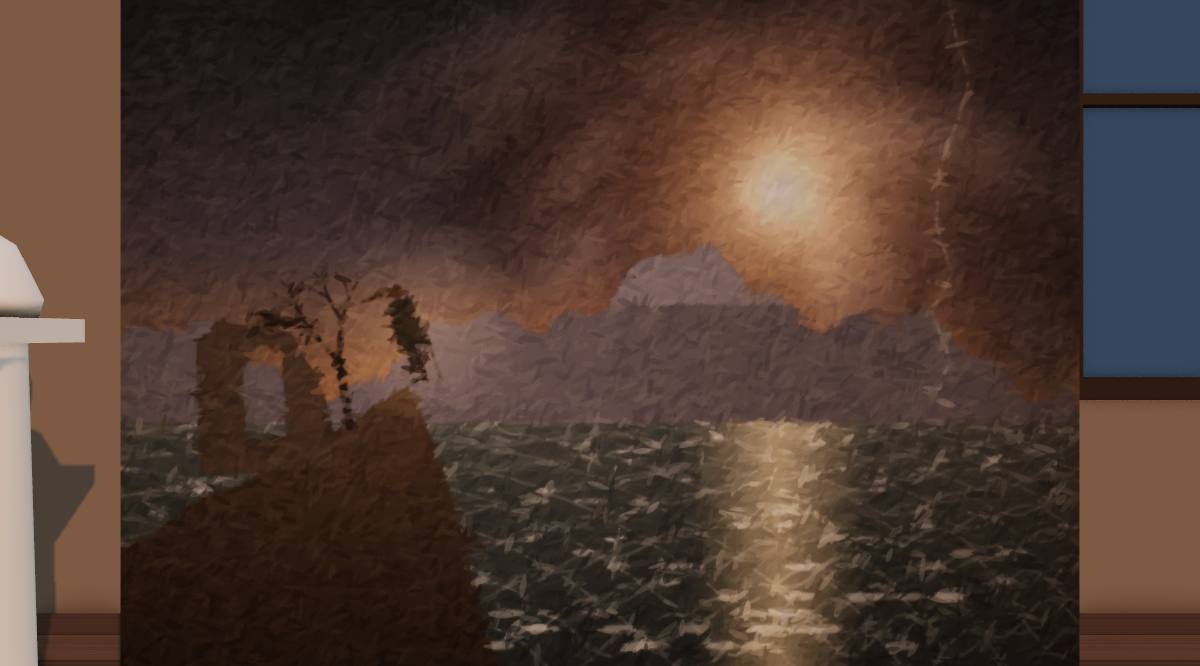
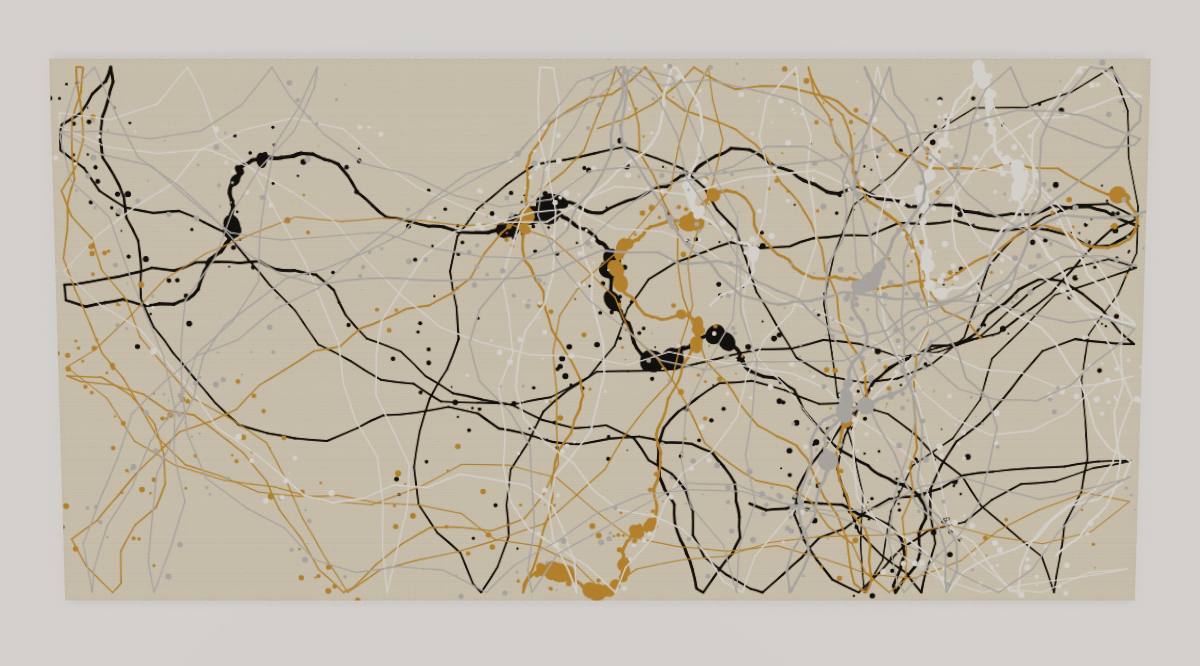
In a museum you get a few seconds in front of a painting, from behind a rope. These interactive art labs let pupils get closer than any gallery allows, slow down, and notice what they would otherwise miss: a brushstroke, a hidden figure, the line every edge in a room points to.
Then they find out how it was done, by trying it themselves: drawing in perspective, mixing colours, cutting and laying tesserae the way Roman craftsmen did.
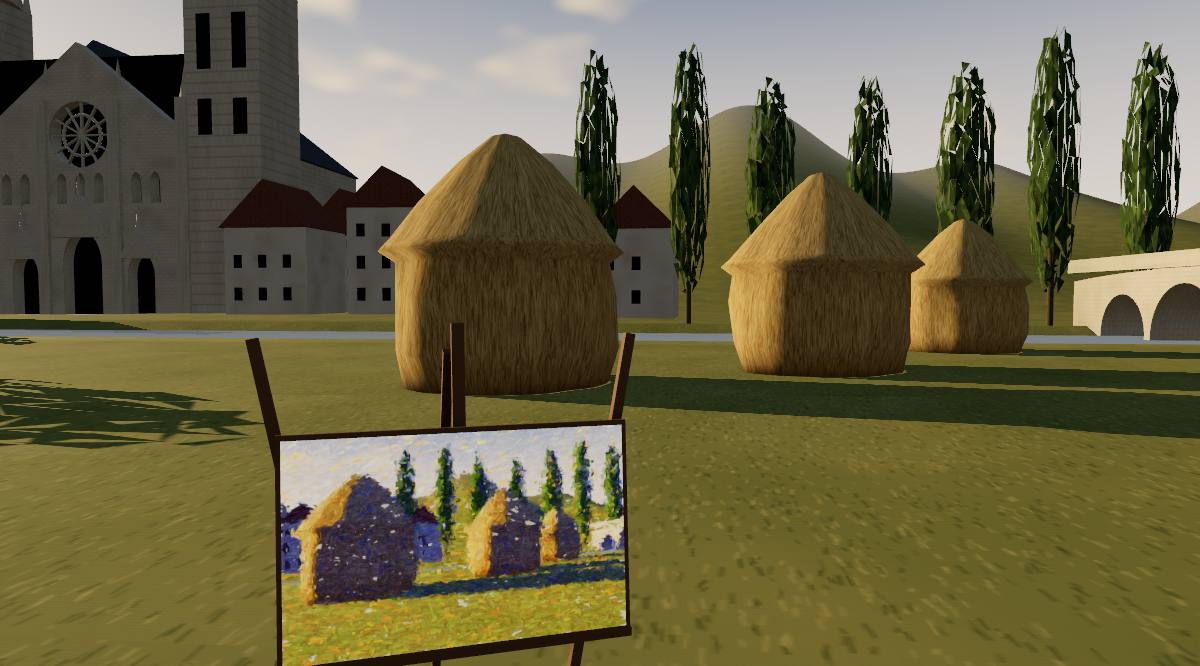
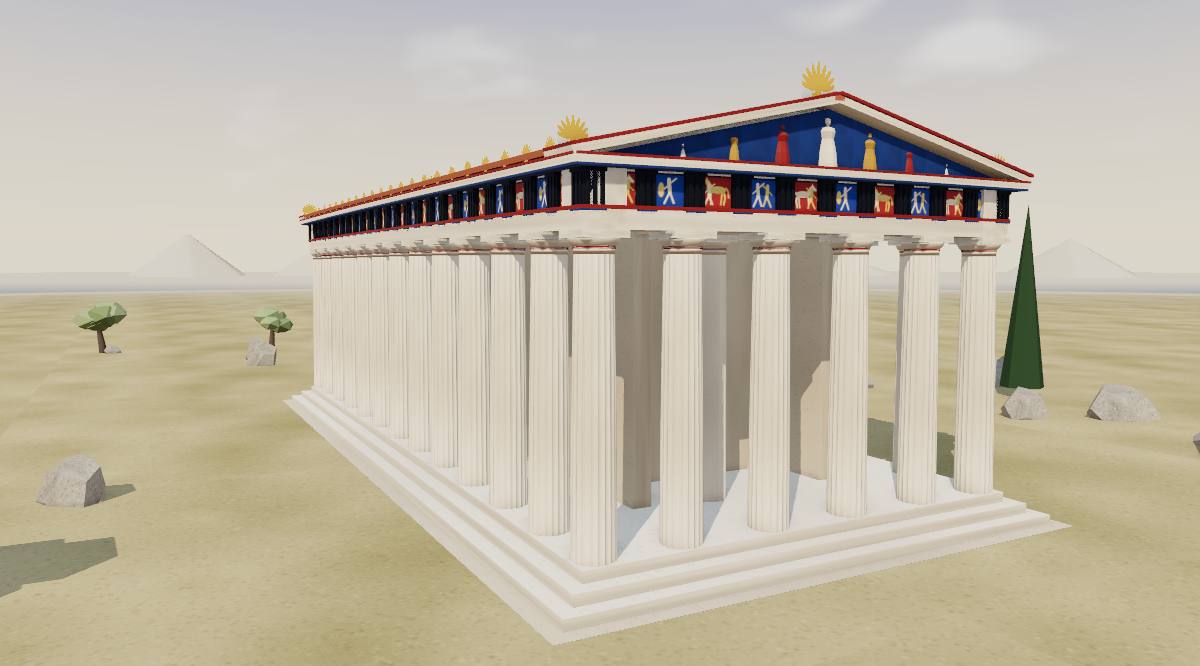
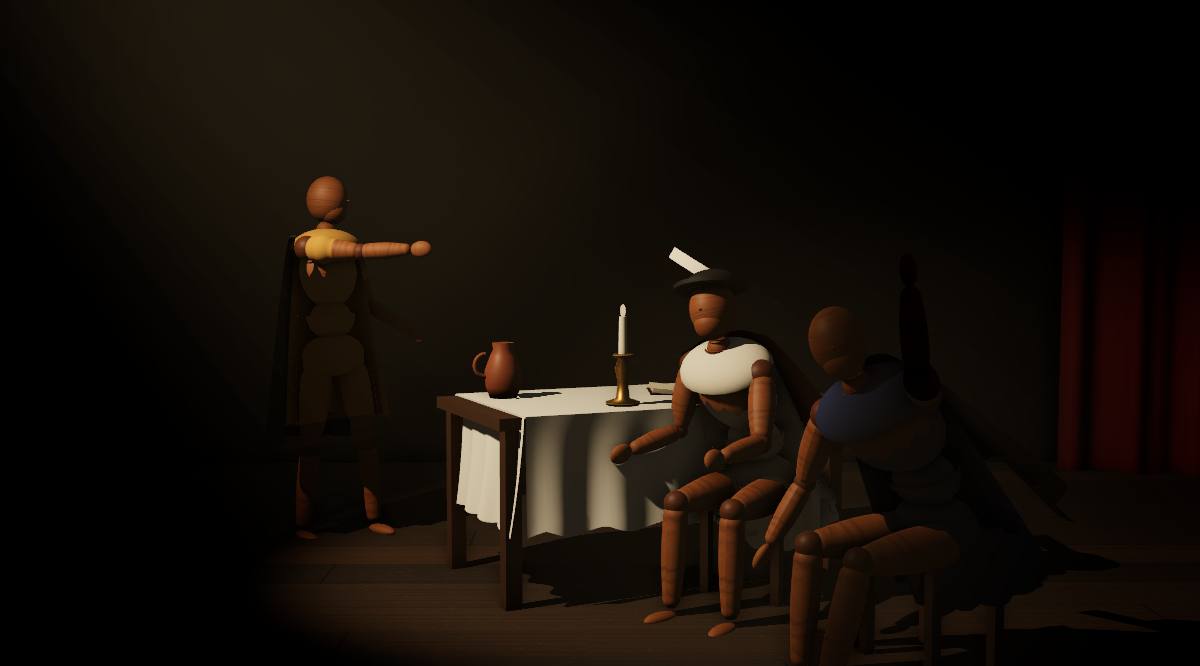
Zoom into masterpieces until the brushstrokes show, spot the details and describe what you see before you decide what it means.
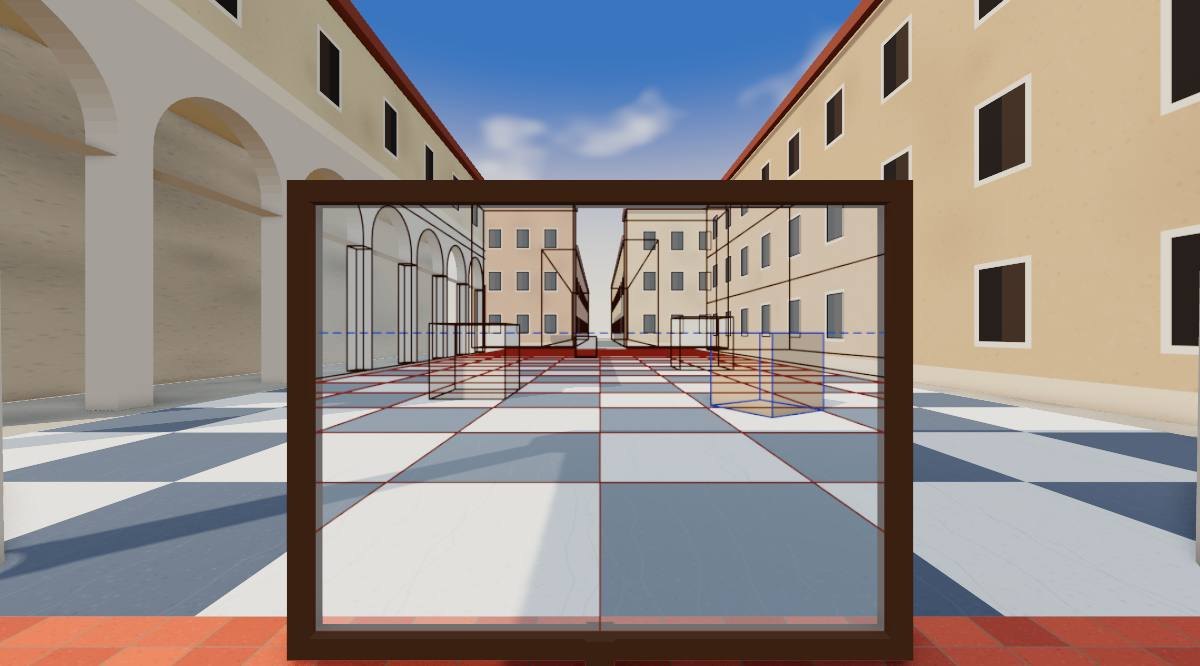
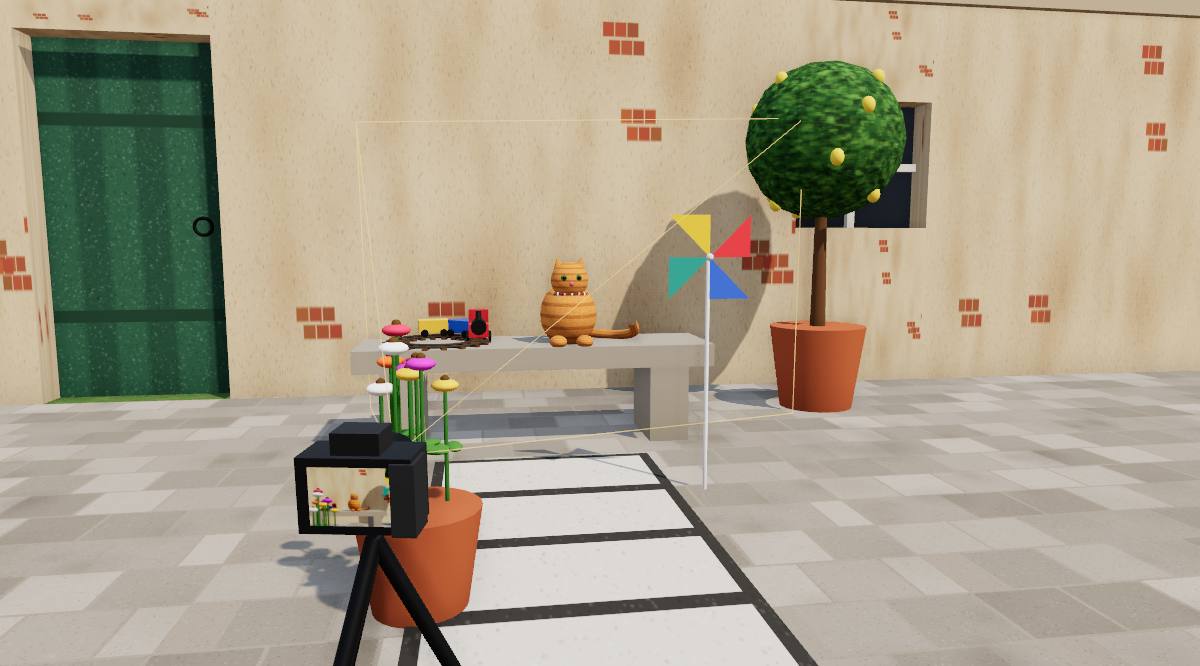
Perspective
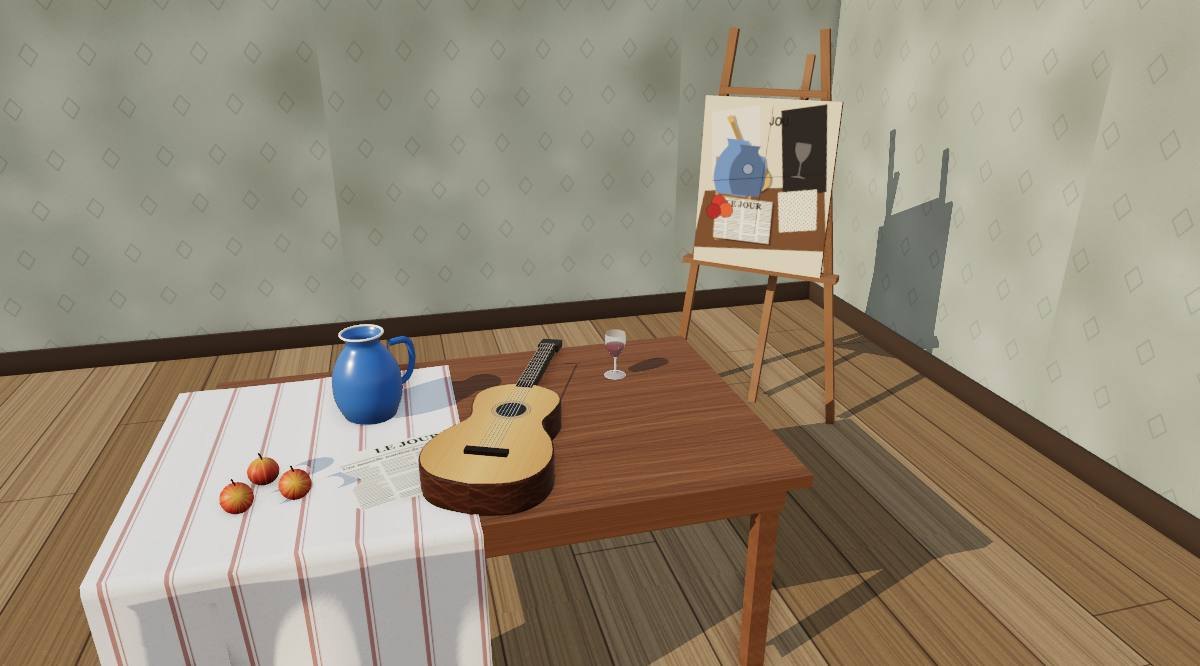
Find the vanishing point and the horizon, then draw a room the way Renaissance painters did to make a flat wall look deep.
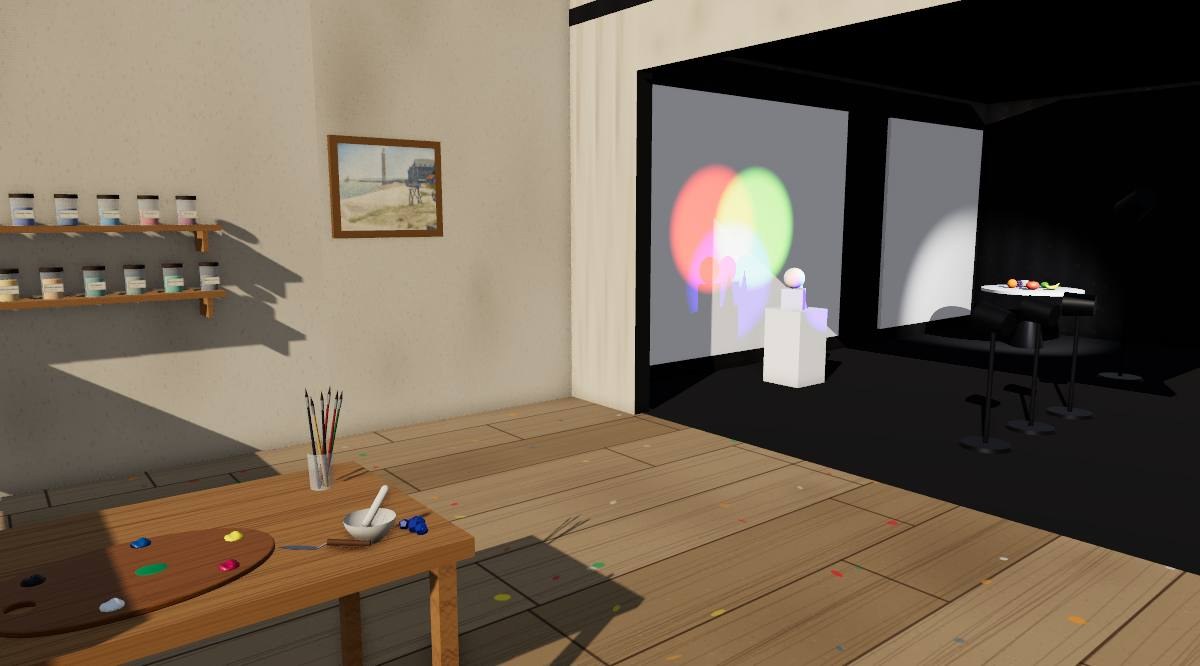
Colour theory
Mix blue and yellow paint into green, then mix blue and yellow light into white, and find out why paint and light play by different rules.
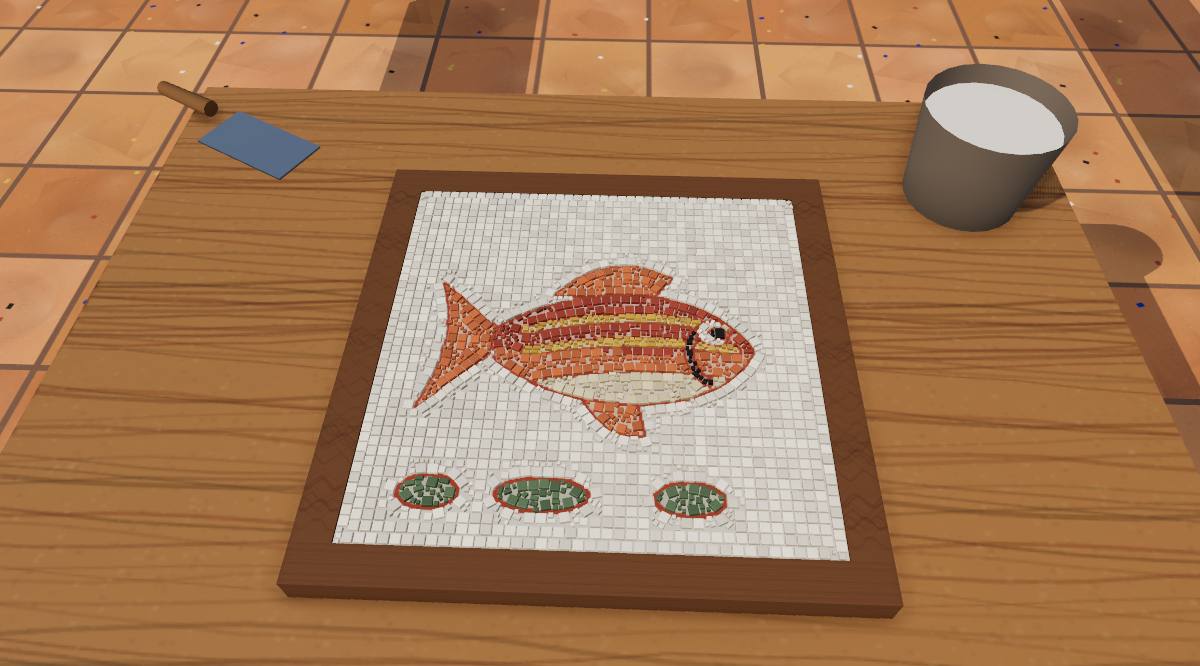
Mosaic
Cut marble, glass and gold tesserae, see the layers of a Roman floor and lay a picture made to last 2,000 years.
How a lab works
Start with a question
Each lab opens on one question, pitched at the right level: most have an Explorer level for younger pupils and a Scientist level for older ones.
Change one thing
Move a slider, peel back a layer, add something or take it away. The model answers straight away.
Explain what happened
Short challenges ask for a prediction before you look, then for what you saw in your own words.
For teachers
Use a painting on the board for a slow-looking starter, or a studio before pupils pick up pencils and brushes. Each lab has teacher notes with questions to ask, techniques to try and links to history.
For families
A good warm-up before a gallery visit, and a way to show children that art is made by hand, one decision at a time.
Questions people ask
Are these art activities free?
Yes. Imagzle Learning is in beta: a free account opens every lab. After the beta a few labs will be part of a paid plan, each marked as such, and we will tell you at least 30 days before.
What ages are they for?
From about 7 to 16. Each lab has an Explorer level for younger pupils and a Scientist level that goes deeper into technique and history.
Do pupils need to be good at drawing?
Not at all. The labs are about looking closely and understanding how a work was made, not about talent.
Do I need to install anything?
No. The labs run in an up-to-date web browser. A recent computer or classroom board gives the smoothest 3D.