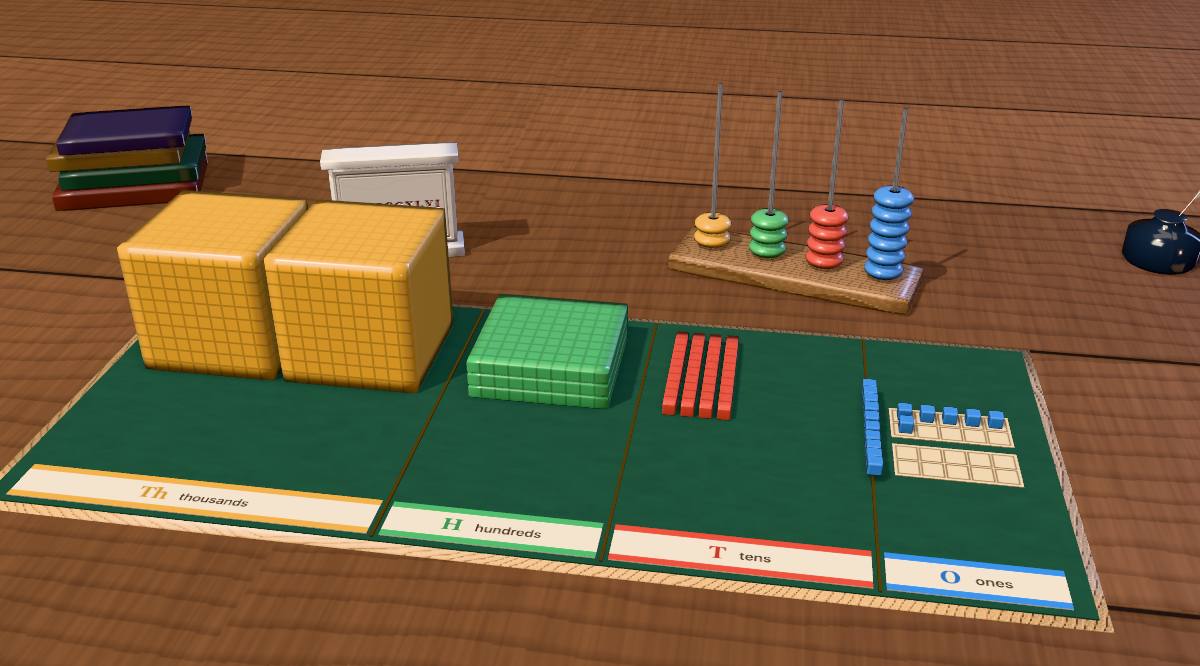
Place value and number systems
Why does the 3 in 300 mean more than the 3 in 30 — and how did the Romans write numbers without a zero?
Launch ↗Teacher notesSpin shapes into solids, drop a thousand balls through pins, slide the pieces of a proof and bend a graph.
Why does the 3 in 300 mean more than the 3 in 30 — and how did the Romans write numbers without a zero?
Launch ↗Teacher notes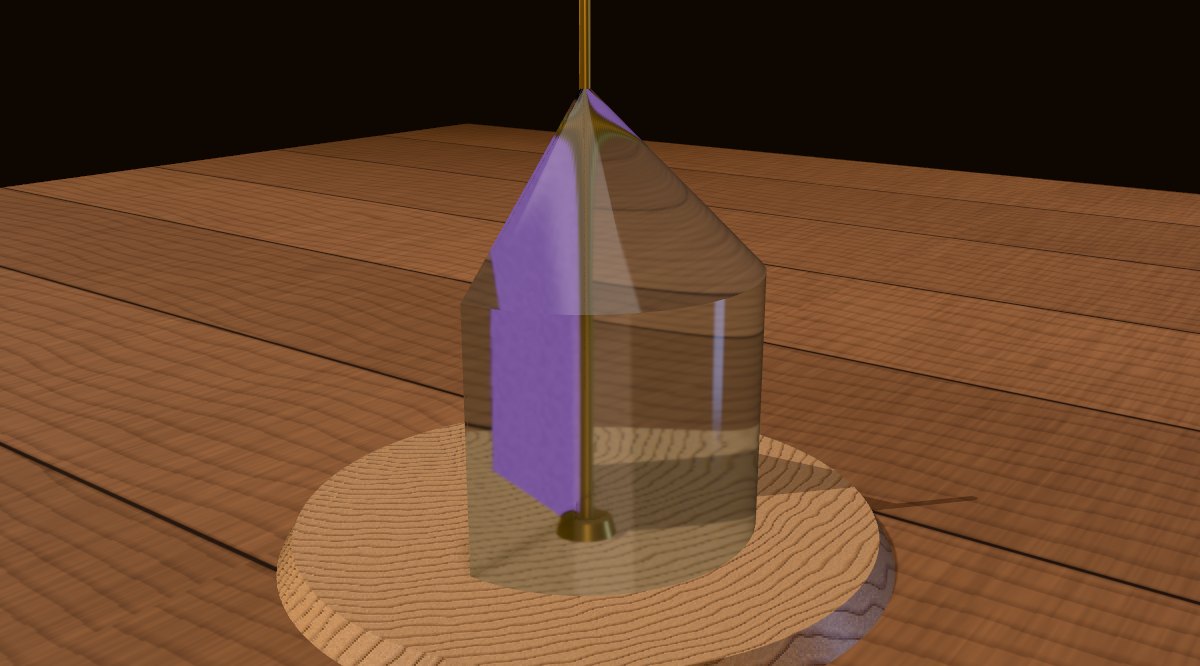
What solid do you get when you spin a triangle — and how much water does it hold?
Launch ↗Teacher notes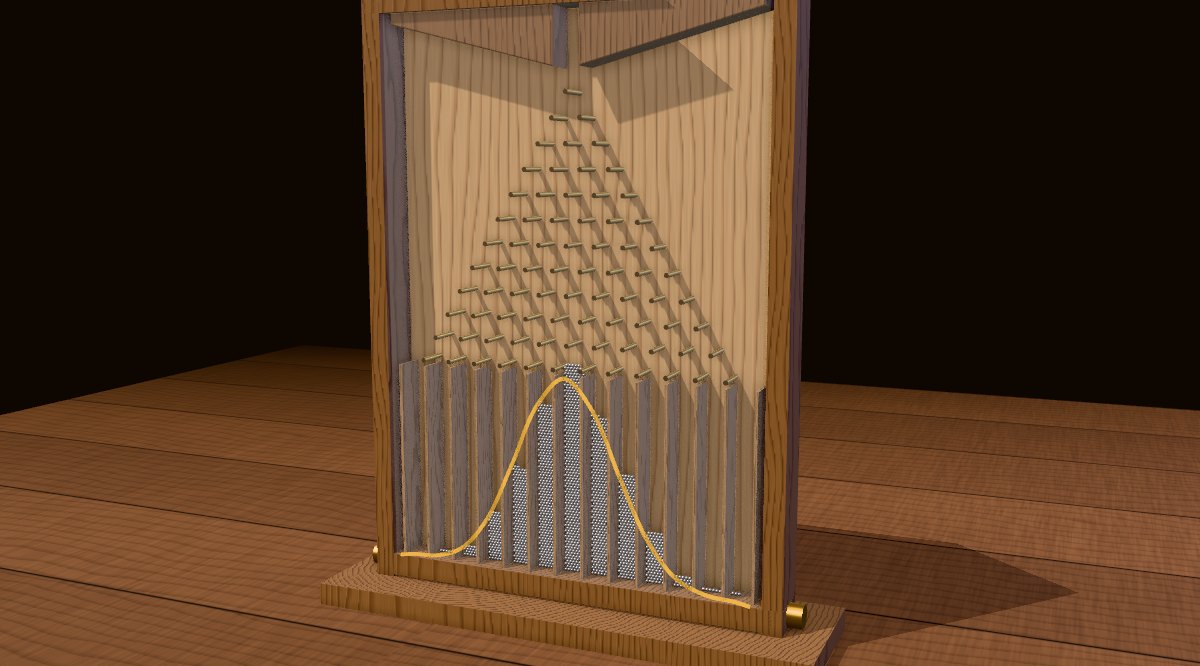
Why do a thousand random bounces always make the same bell-shaped hill?
Launch ↗Teacher notes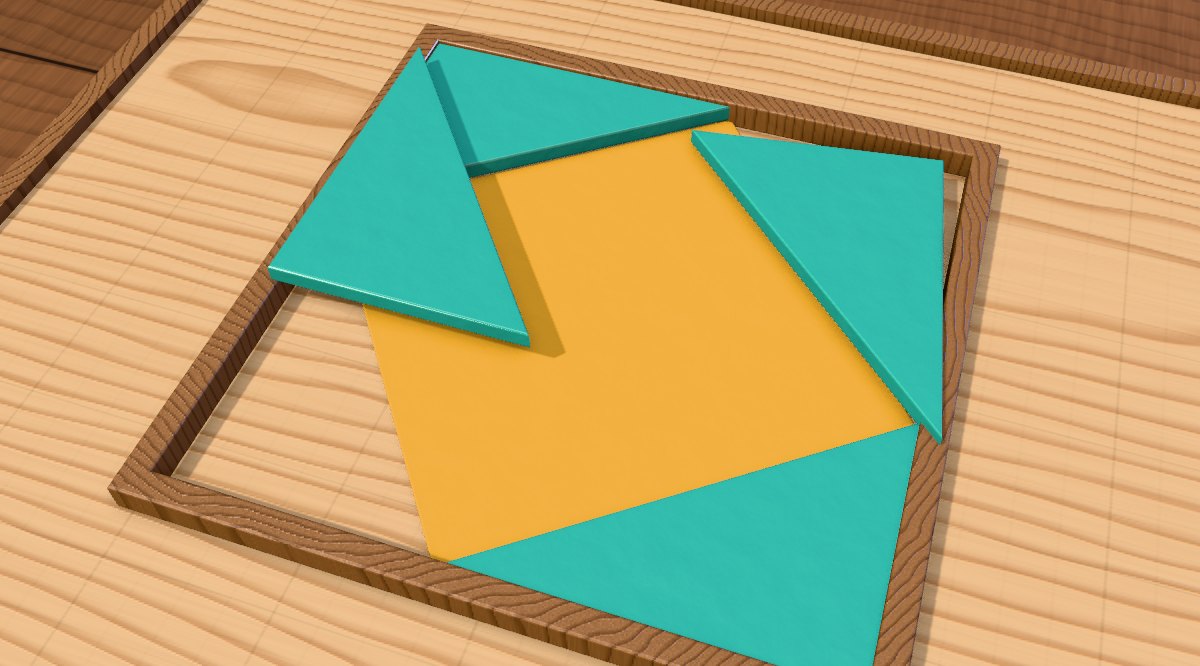
Why is the square on the hypotenuse exactly as big as the other two together?
Launch ↗Teacher notes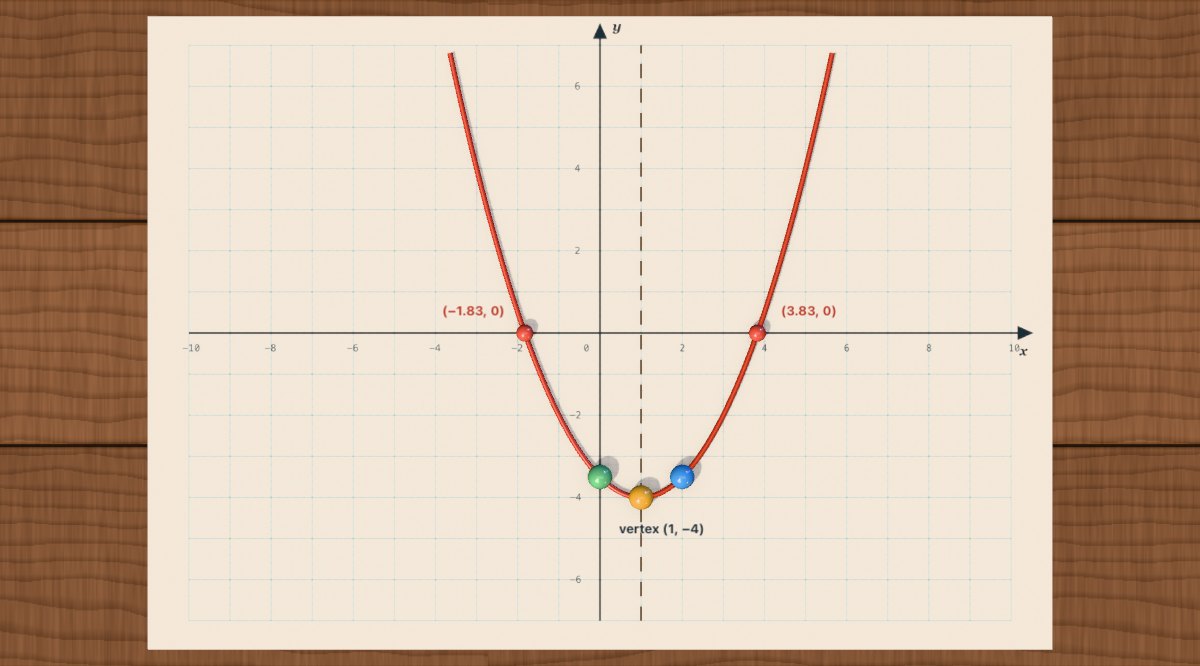
If you bend the graph, what happens to the equation — and the other way round?
Launch ↗Teacher notes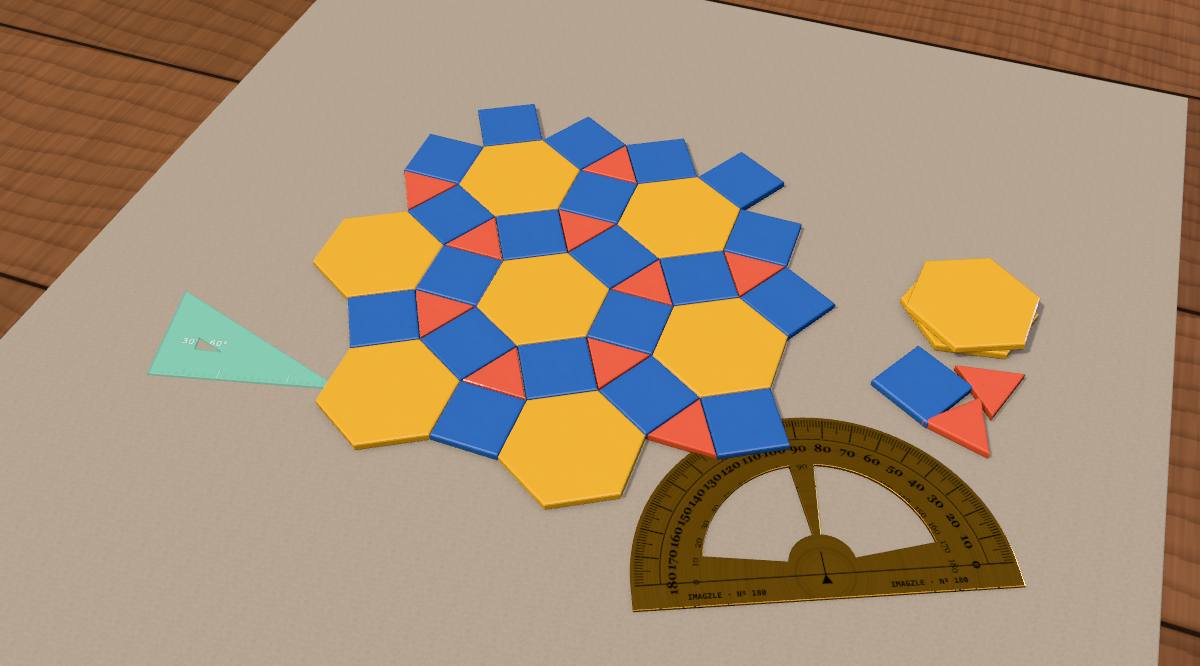
Why do bees build hexagons — and which shapes can tile a floor with no gaps?
Launch ↗Teacher notes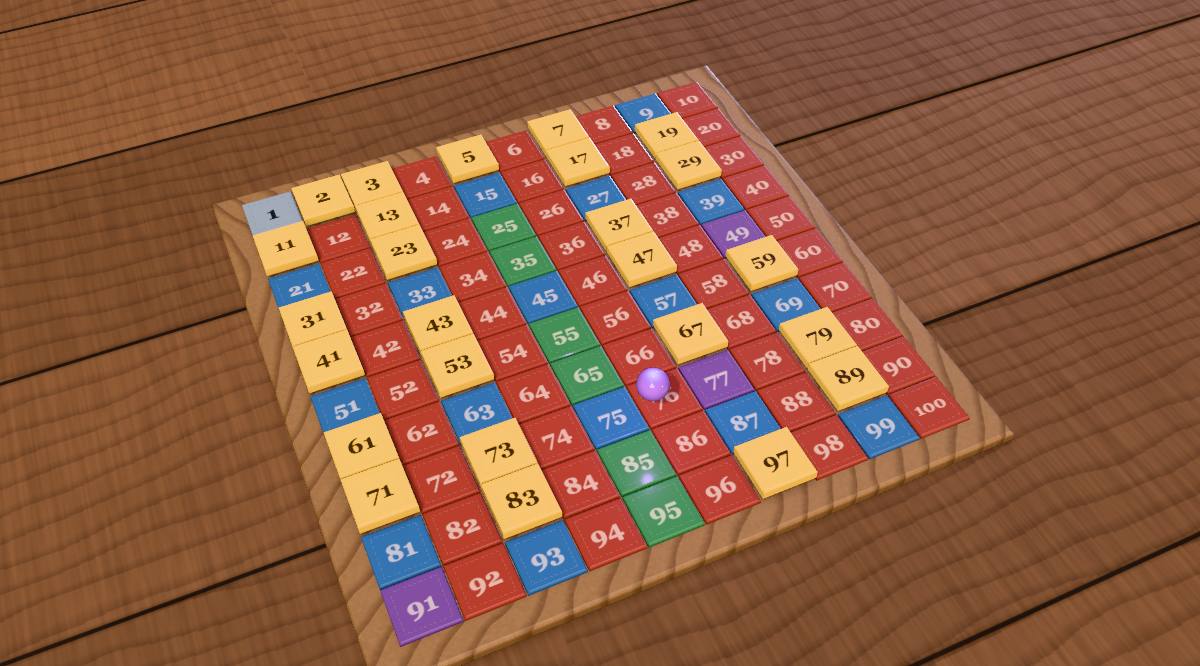
Which numbers can't be split into equal rows — and why do they matter so much?
Launch ↗Teacher notes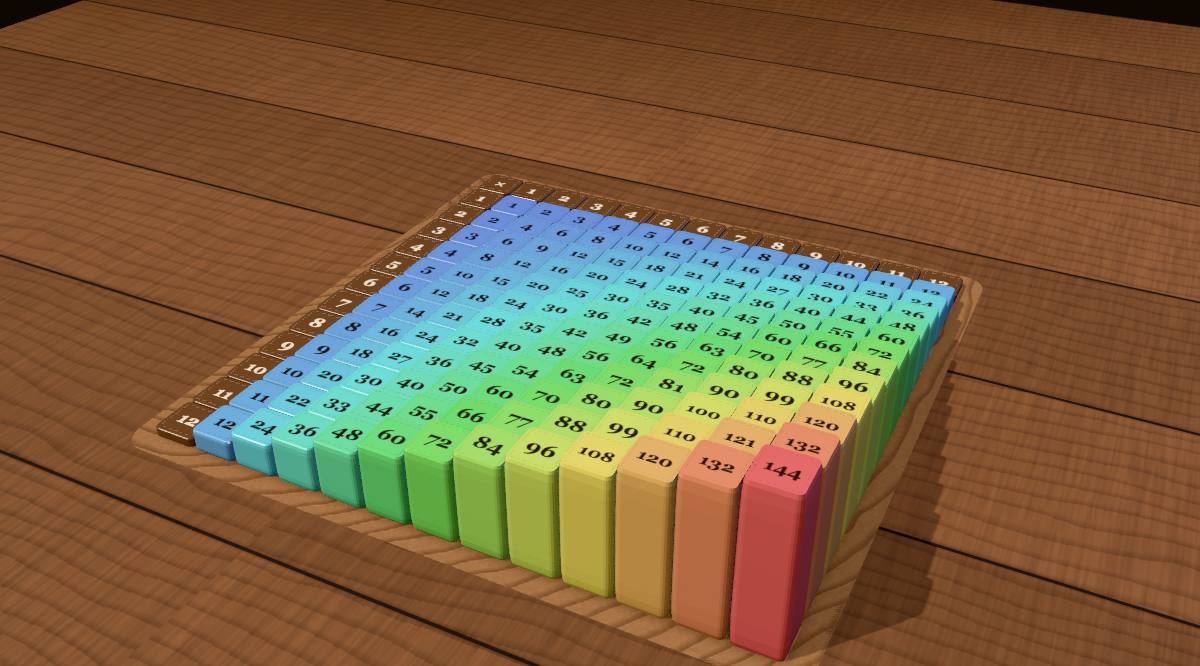
Why is 7 × 8 the same as 8 × 7 — and is there a trick to never forget a times table?
Launch ↗Teacher notes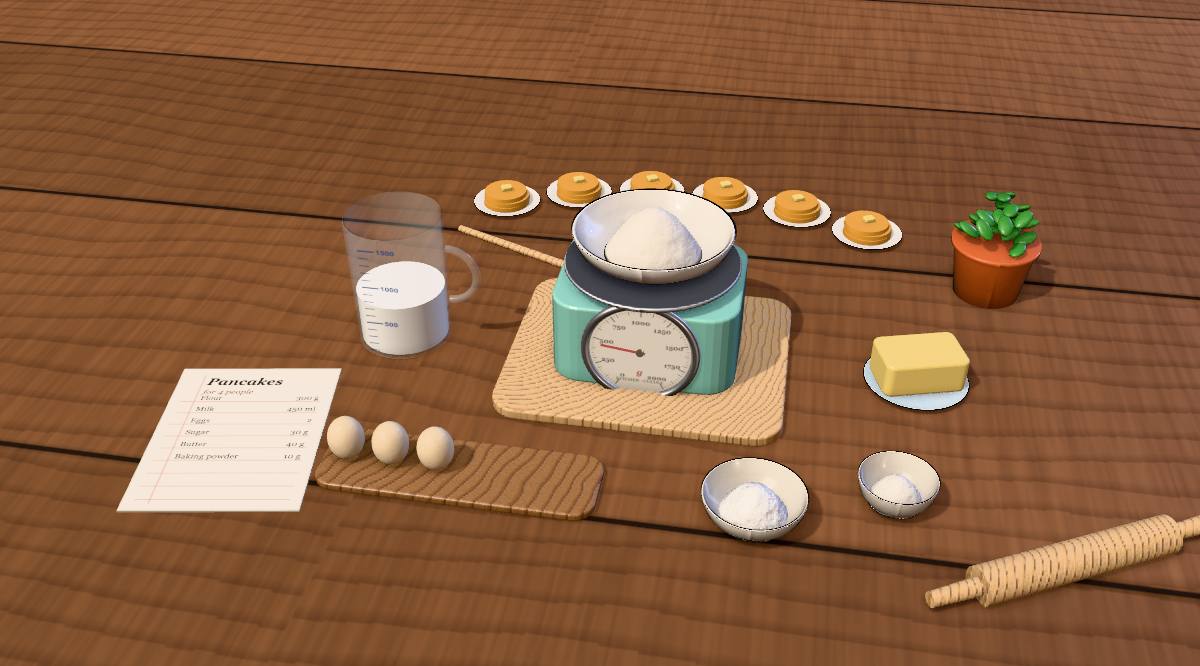
If a recipe for 4 needs 300 g of flour, how much for 6 — and is '30% off' the same as 'buy 3 pay 2'?
Launch ↗Teacher notes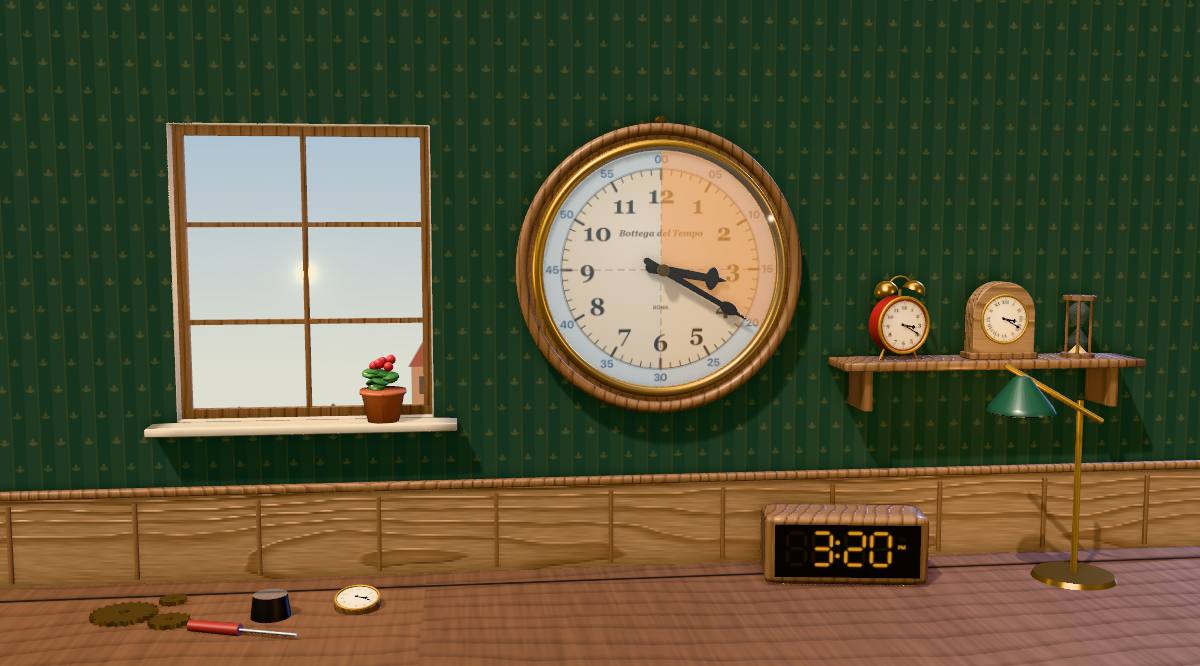
Why are there 60 minutes in an hour but 100 centimetres in a metre — and how do you read a clock with hands?
Launch ↗Teacher notes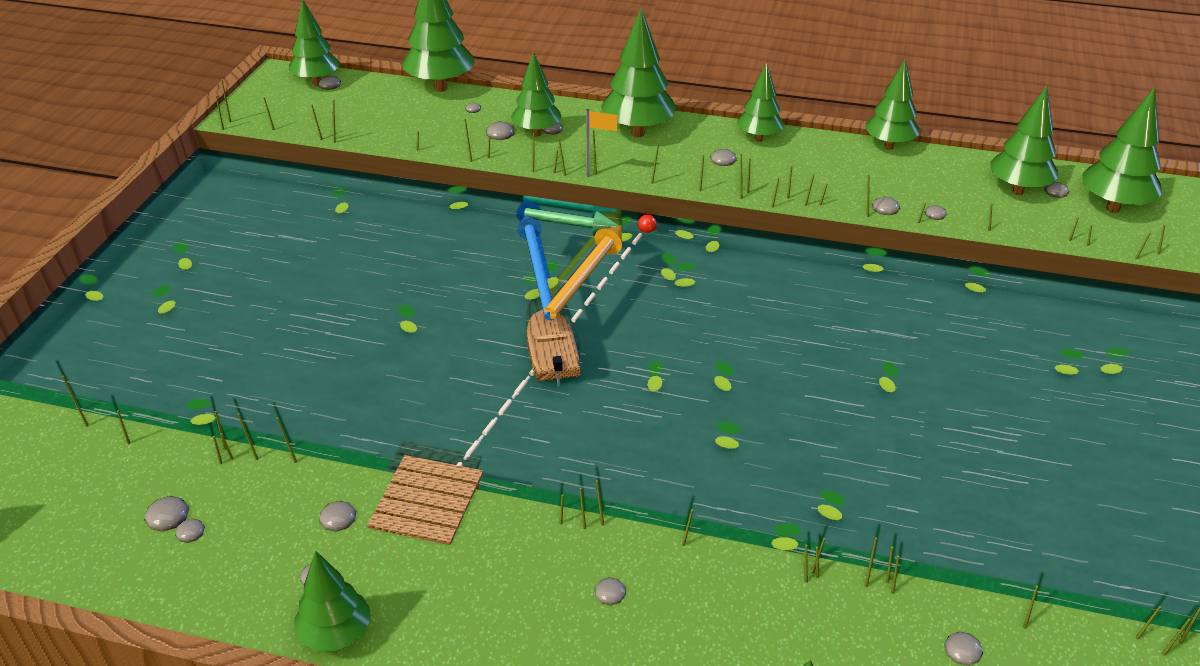
A boat heads straight across a river and lands downstream: where should it aim? Why does a lantern on two nearly flat ropes pull them harder than its own weight?
Launch ↗Teacher notes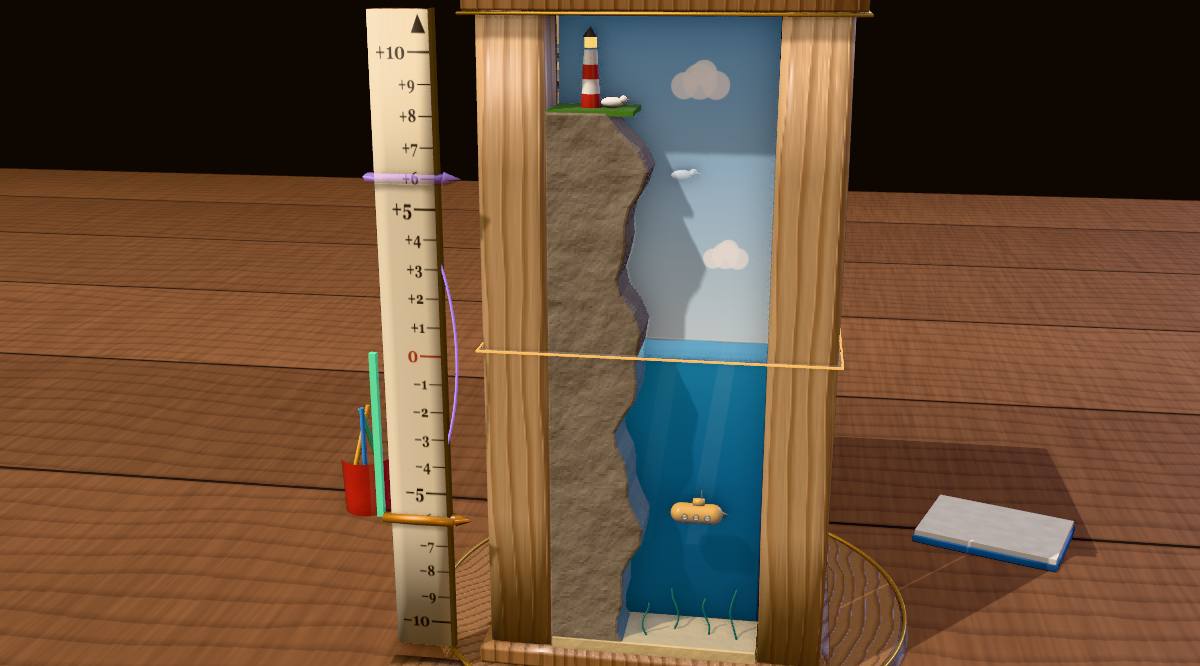
Why is −8 smaller than −3, and why does taking away a negative take you up?
Launch ↗Teacher notes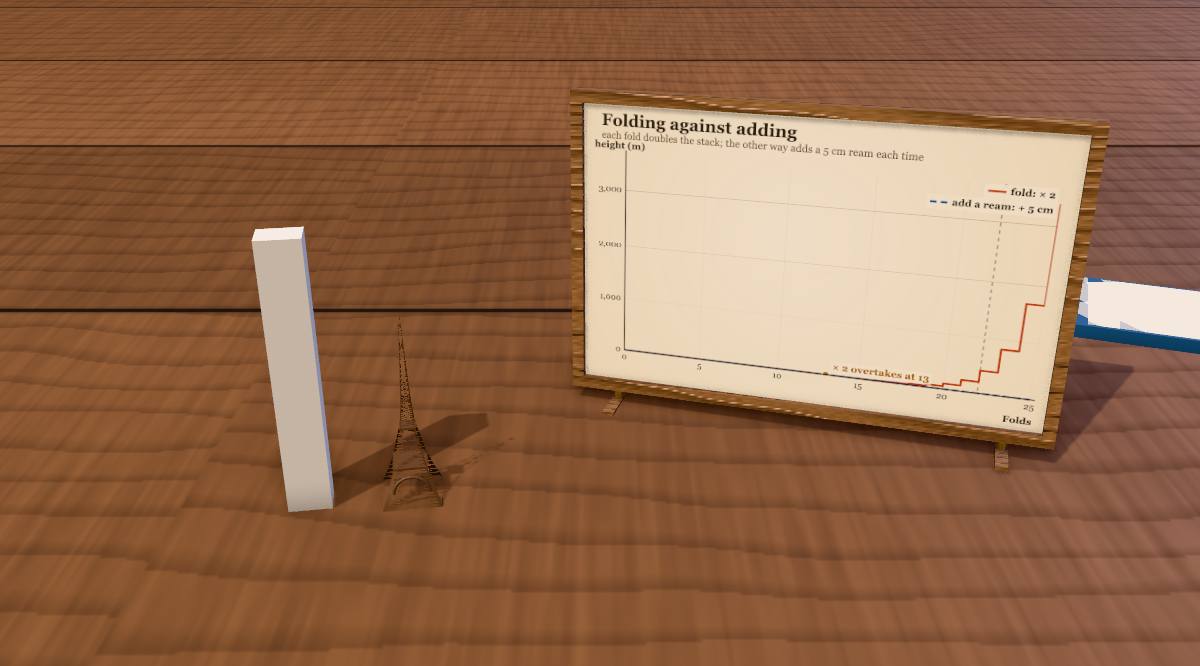
How many times must you fold a sheet of paper to reach the Moon? When does money that earns interest overtake money saved in a piggy bank? And how can a ruler multiply, just by adding lengths?
Launch ↗Teacher notes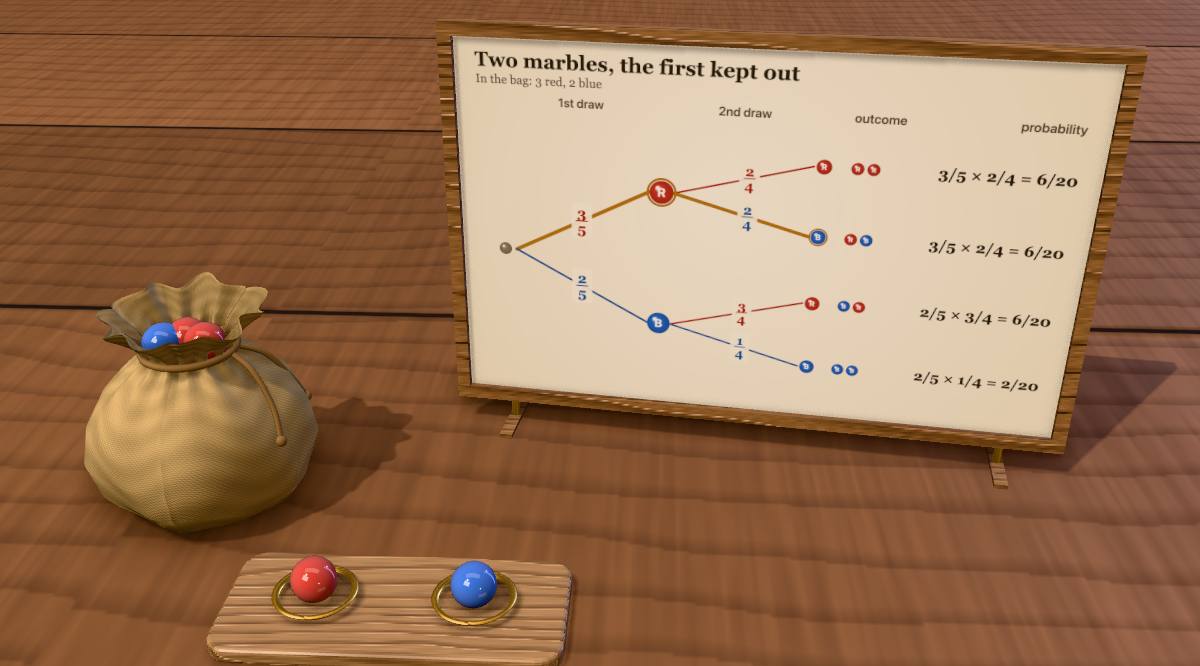
If the first marble was red, what are the chances for the second? And why is a positive result from a good medical test often a false alarm?
Launch ↗Teacher notesMATHS
A rule is easy to forget; a reason sticks. These interactive maths labs show why things are true: why 7 × 8 is the same as 8 × 7, why a thousand random bounces always build the same bell-shaped hill, why the square on the hypotenuse is exactly as big as the other two.
Pupils move the pieces themselves: they cut a pizza into fractions, slide the parts of a proof, spin a triangle into a cone and bend a graph to see its equation change. It’s maths as something you do, not just something you copy down.
Create a free account →See why the 3 in 300 is worth more than the 3 in 30, write numbers the Roman way, find the primes that won’t split into equal rows and learn the times tables through patterns rather than by rote.
Compare a half and a third, add pieces of different sizes, scale a recipe from four people to six and test whether “30% off” beats “buy 3, pay for 2”.
Climb the metric ladder and watch the digits slide as metres become centimetres, read a clock with hands and find out why an hour has 60 minutes but a metre has 100 centimetres.
Find out why bees build hexagons and which shapes tile a floor, where π comes from, how to fence a field and grass it, and what solid you get when you spin a triangle. Then slide the pieces of Pythagoras’ theorem into place.
Keep an equation balanced like a pair of scales until x is on its own, then bend a graph and watch its equation change with it, and the other way round.
Drop a thousand balls through a Galton board to see chance make a pattern, then turn a pile of numbers into charts and find out how a chart can mislead.
Each lab opens on one question, pitched at the right level: most have an Explorer level for younger pupils and a Scientist level for older ones.
Move a slider, peel back a layer, add something or take it away. The model answers straight away.
Short challenges ask for a prediction before you look, then for what you saw in your own words.
Put a lab on the board to introduce an idea everyone can see, or let pupils test their own conjectures in pairs. Each lab has teacher notes with questions to ask and the mistakes pupils usually make.
A good way to unstick homework: when a rule won’t go in, seeing why it works often does the trick. Pick an age at the top of the page to see the right labs.
Yes. Imagzle Learning is in beta: a free account opens every lab. After the beta a few labs will be part of a paid plan, each marked as such, and we will tell you at least 30 days before.
From about 5 to 16: clocks, place value and times tables for the youngest, then fractions, geometry, algebra, graphs and probability for older pupils. Each lab shows its suggested ages.
A bit of both. Each lab is built around one question, with things to move and short challenges, so pupils learn by trying rather than by watching.
No. The labs run in an up-to-date web browser. A recent computer or classroom board gives the smoothest 3D.