Follow a word across two thousand years, take a sentence apart like a printer’s type, read a Roman stone and hear the beat inside a poem.
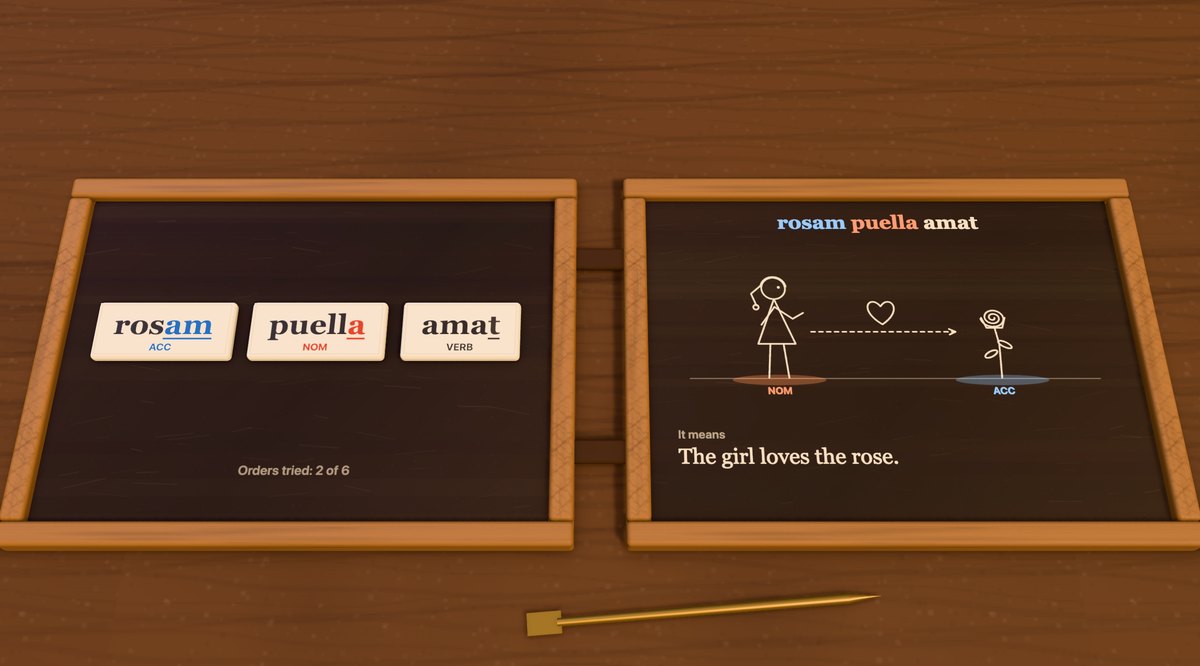
FreeLatin noun cases: free word order, endings that say who does what, the first three declensions, the ablative, and how English, Italian and Spanish do the same job10–20 min · Ages 11–18Years 5–9, 12–13
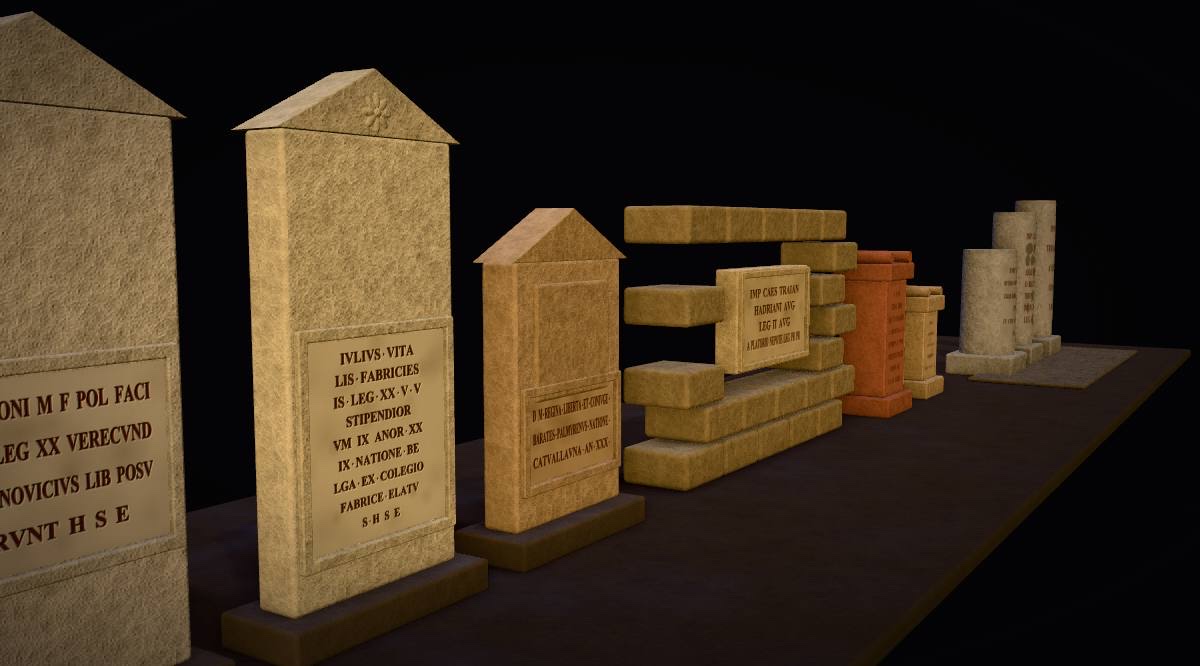
FreeReading Latin inscriptions from Roman Britain: capitals with no spaces, interpuncts and line breaks, Roman numerals, the abbreviations of tombstones, altars and milestones, who paid for a stone and why, and dating a stone from the emperor’s consulships and tribunician power10–20 min · Ages 9–16Years 3–9
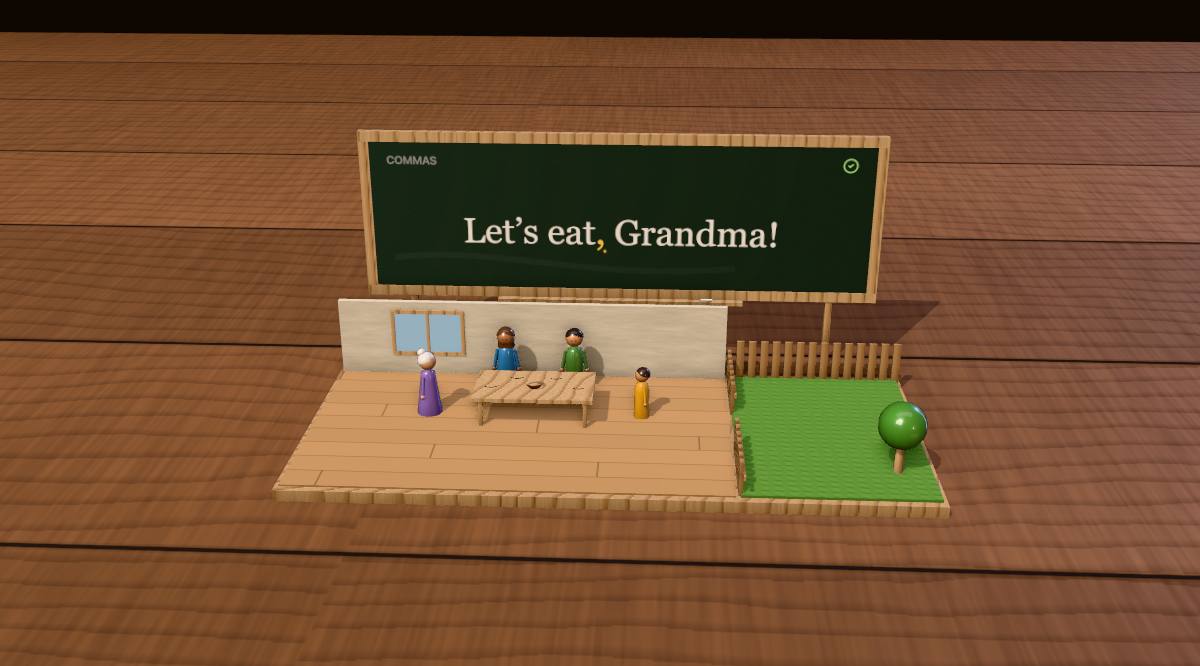
FreePunctuation and written accents that change meaning: commas (vocatives, relative clauses, lists), the apostrophe, direct speech, the Italian accento and apostrofo, the Spanish tilde and the opening ¿ and ¡, each in its own language10–20 min · Ages 8–14Years 3–9
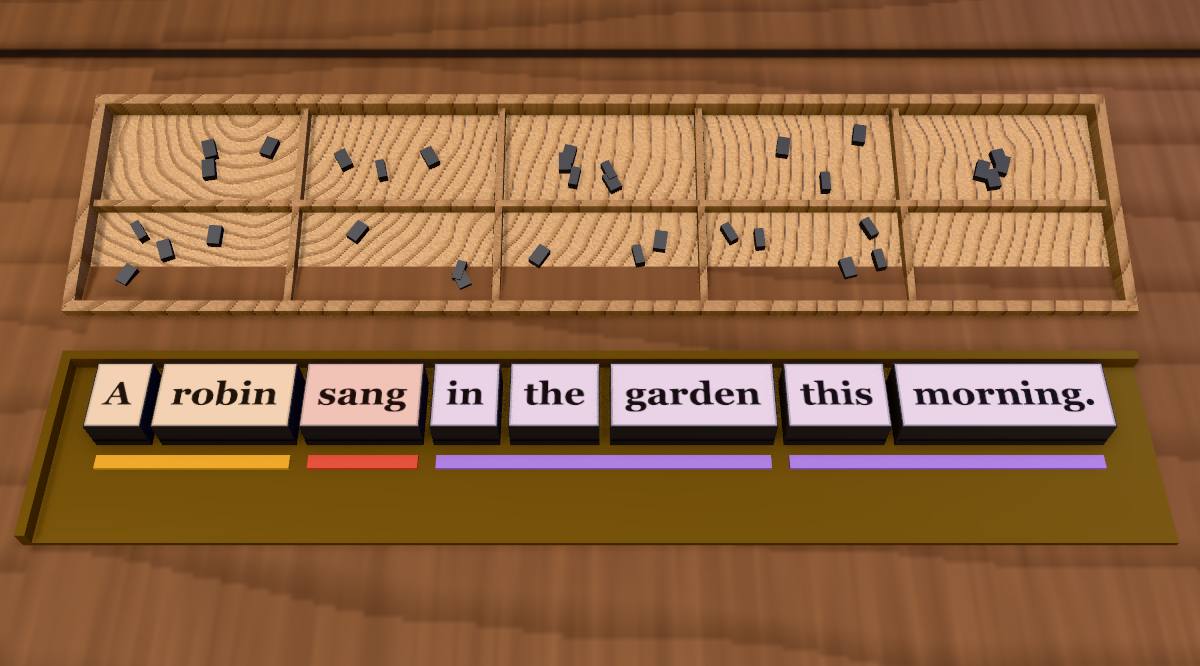
FreeGrammar of the sentence in each reader’s own language: word classes, agreement, subject, verb, object and the other parts, active and passive, main and subordinate clauses10–20 min · Ages 8–16Years 3–11
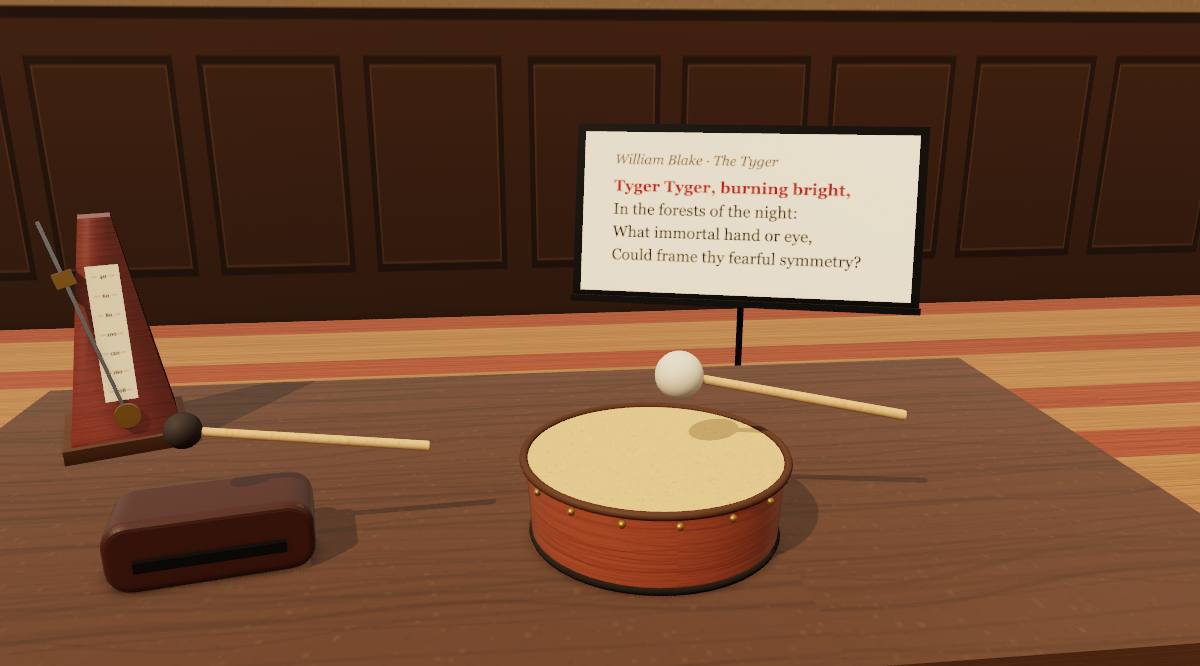
FreeMetre in each language's own poems: beats and feet in English, metric syllables, sinalefe and accents in Italian and Spanish, rhyme and rhyme schemes, the ballad, the sonnet, the terzina and the romance10–20 min · Ages 9–18Years 1–11