imagzleLEARNING

SEARCH

Find a lab.

All 219 labs, A to Z

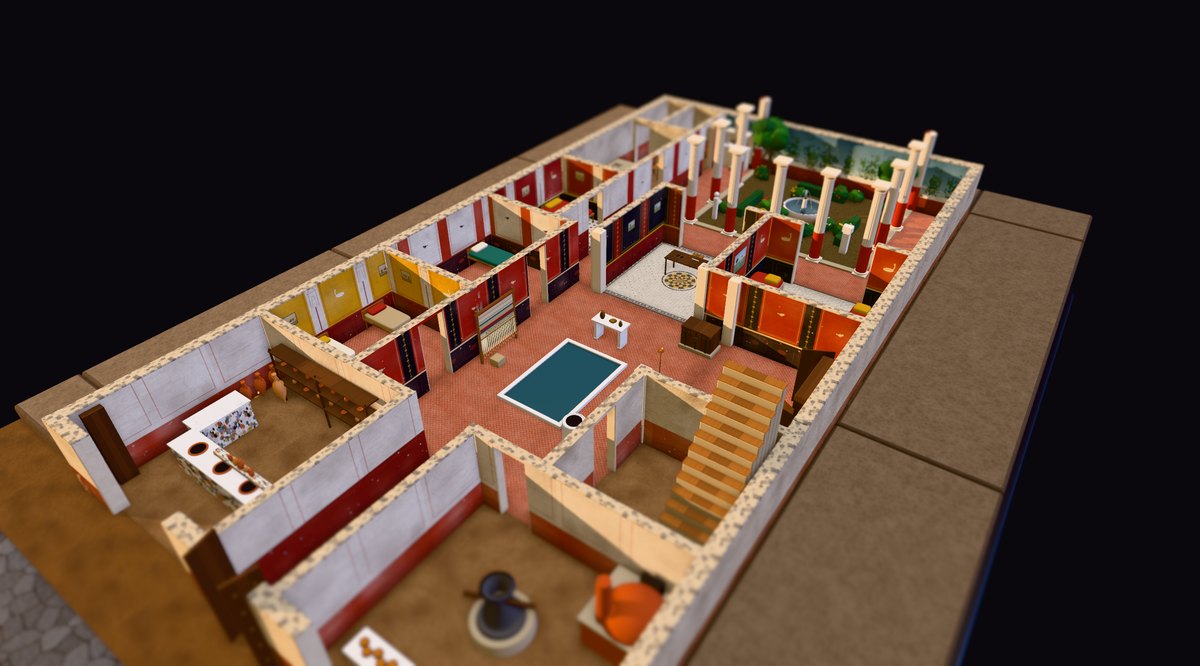
FreeAncient Rome10–20 min · Ages 8–14

A Roman house in Pompeii

What was it like to live in a Roman house — the day before Vesuvius erupted?

Launch ↗Teacher notes
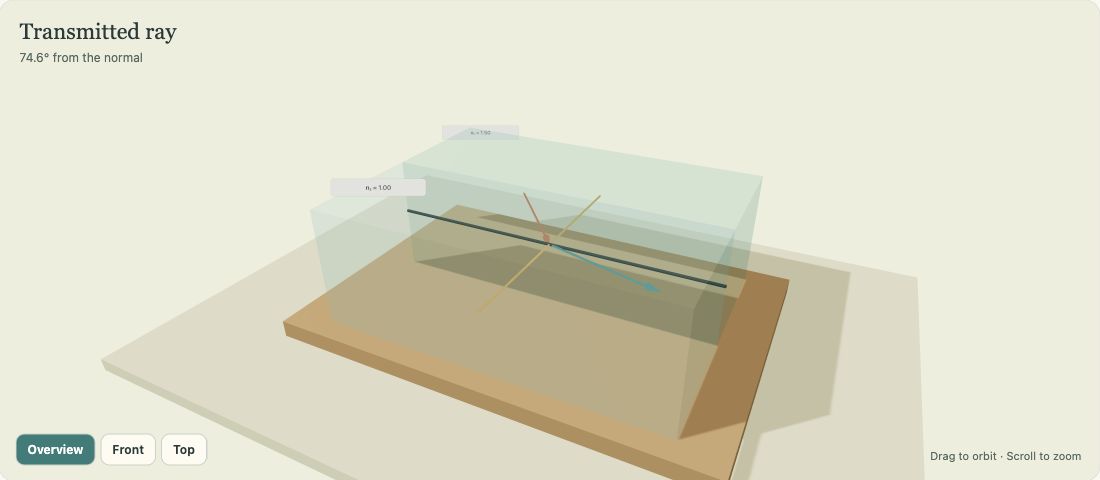
FreeLight & optics10–20 min · Ages 11–14

A straw that looks bent

Why does light bend at a boundary?

Launch ↗Teacher notes
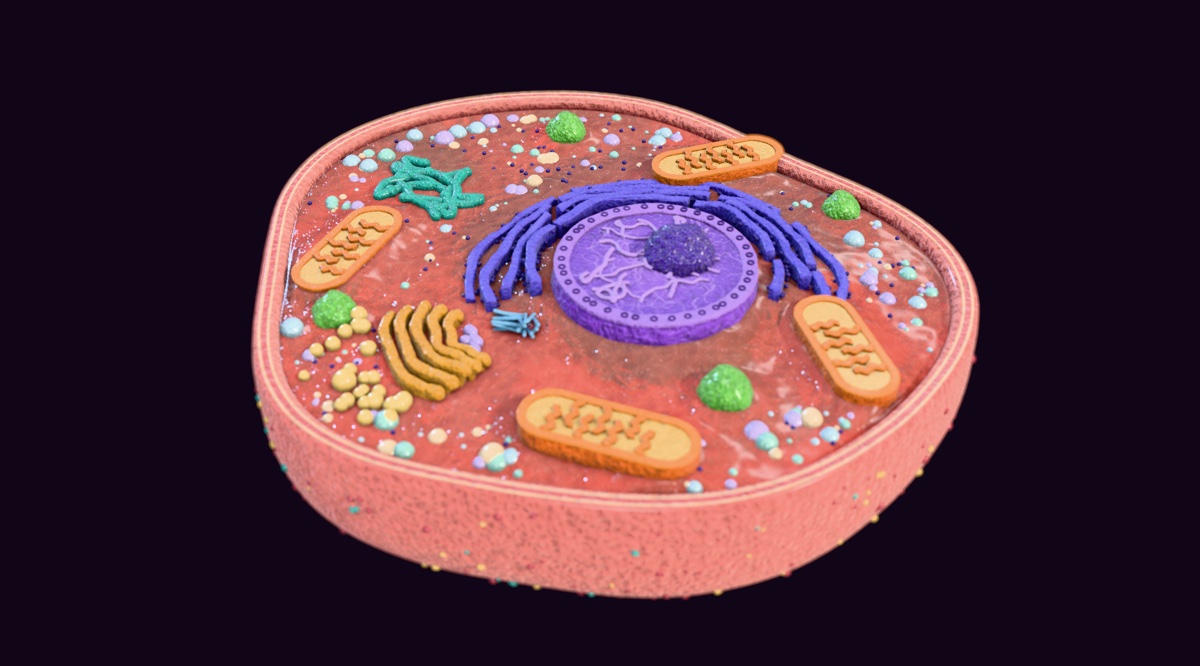
FreeCells & structures10–20 min · Ages 8–14

A world inside an animal cell

What does a cell need to stay alive?

Launch ↗Teacher notes
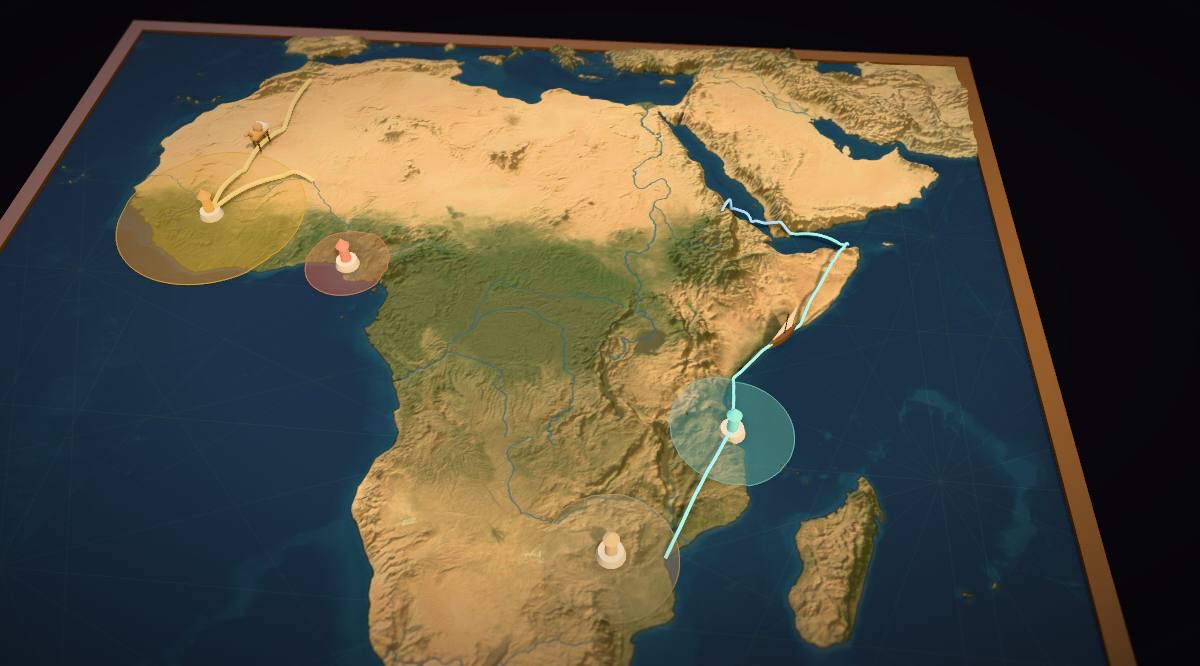
FreeAfrican kingdoms, trade and sources before the colonies10–20 min · Ages 11–18

Africa before 1800

What was Africa like before the colonies?

Launch ↗Teacher notes
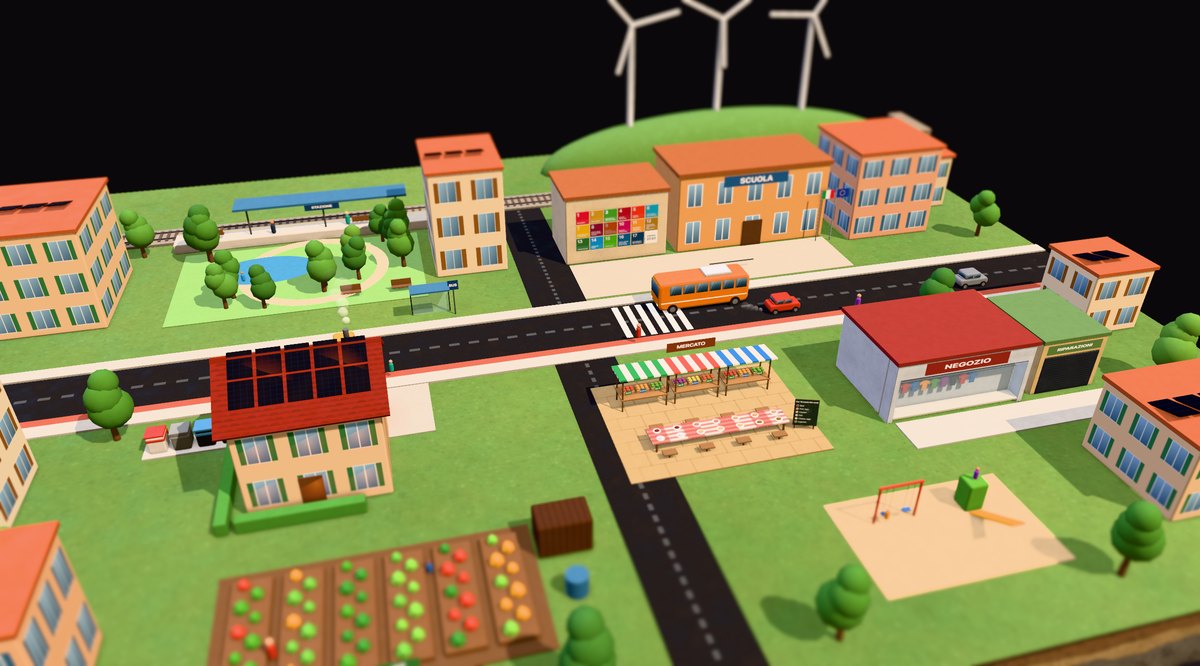
FreeSustainability and Agenda 203010–20 min · Ages 9–15

Agenda 2030: my footprint

How do the things we eat, use and travel by add up — and what choices make the biggest difference?

Launch ↗Teacher notes
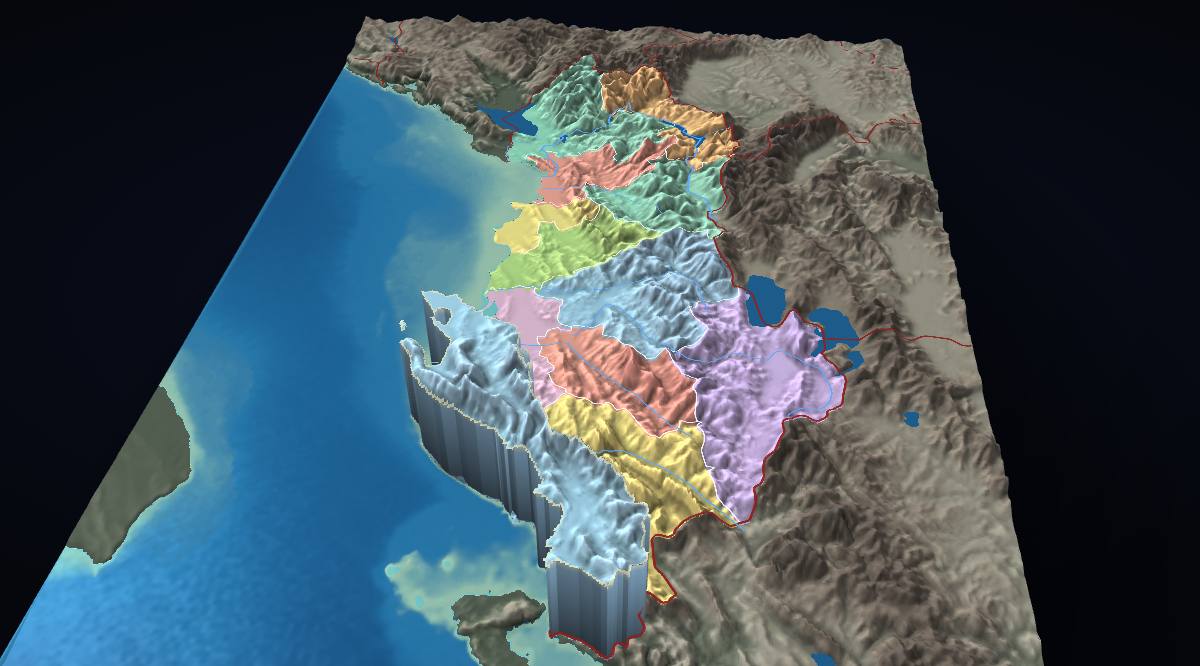
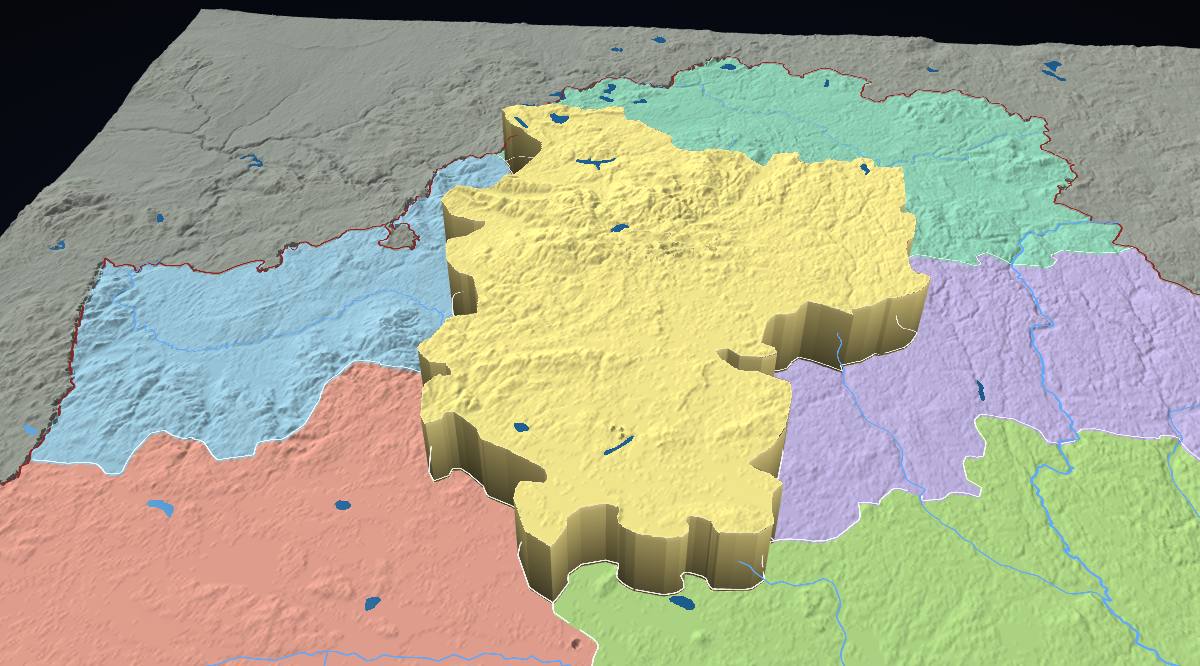
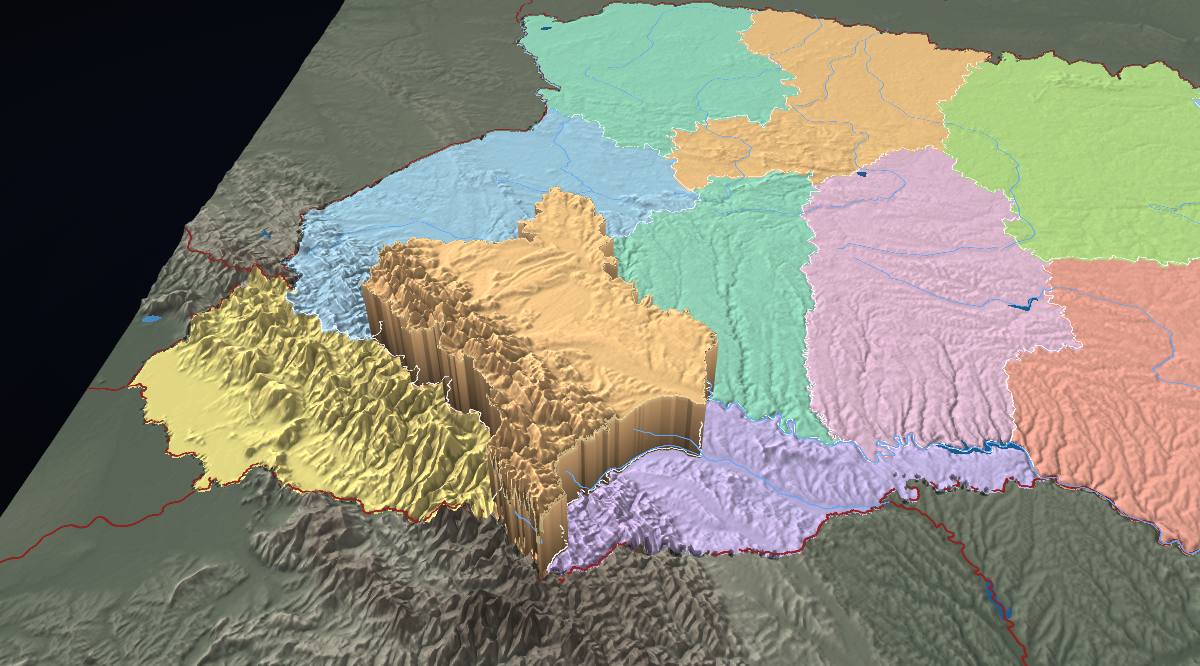
FreePolitical geography10–20 min · Ages 9–14

Albania county by county

Albania’s 12 counties run from two seas up to mountains of over 2,500 m — so why does Tirana County, one of the smallest, hold almost a third of the people?

Launch ↗Teacher notes
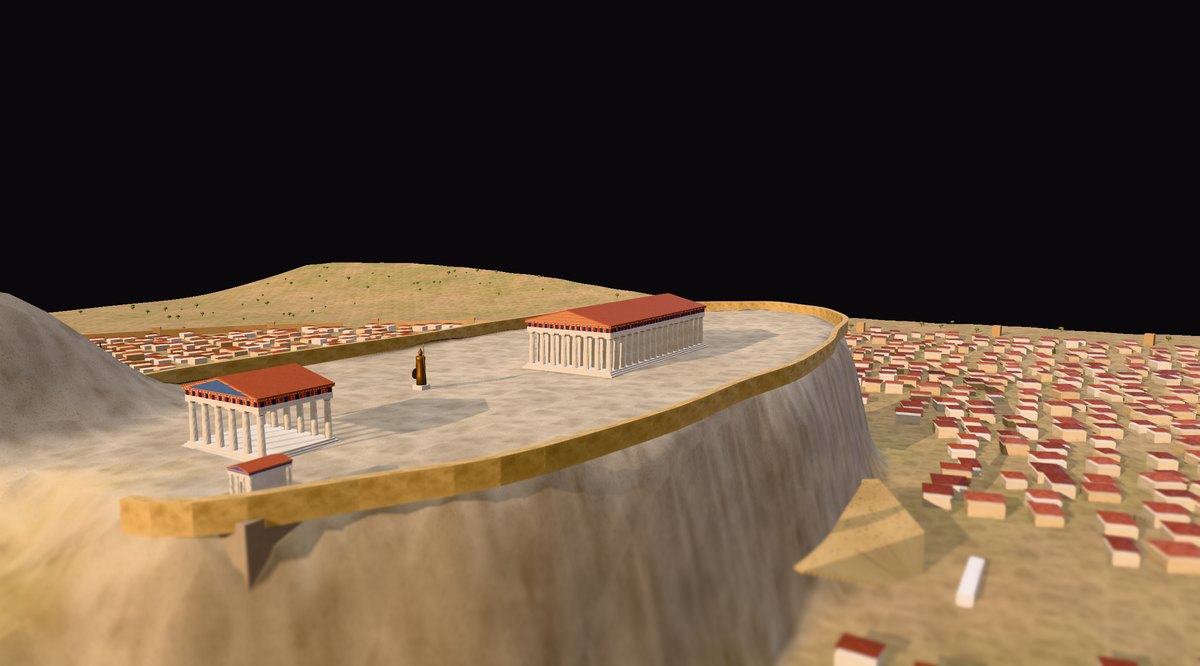
FreeAncient Greece: Athens, Sparta and Magna Graecia10–20 min · Ages 8–14

Ancient Greece: the city and its citizens

How did a Greek city work — and who actually had a say?

Launch ↗Teacher notes
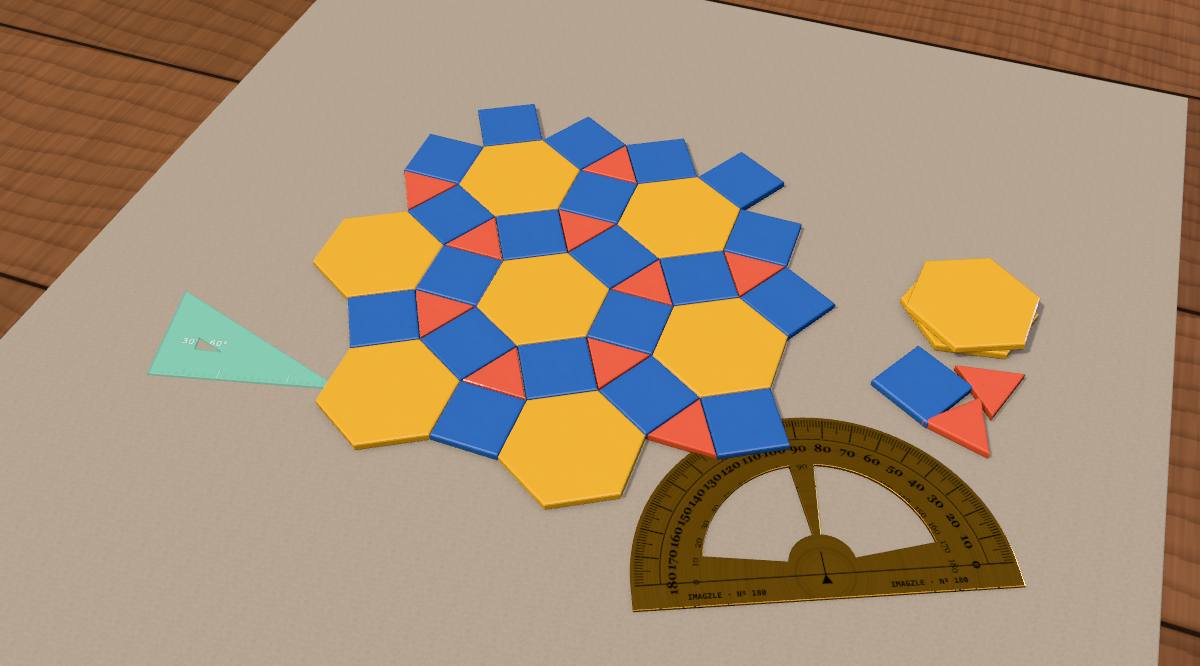
FreeAngles, symmetry and transformations10–20 min · Ages 7–14

Angles, symmetry and tessellations

Why do bees build hexagons — and which shapes can tile a floor with no gaps?

Launch ↗Teacher notes
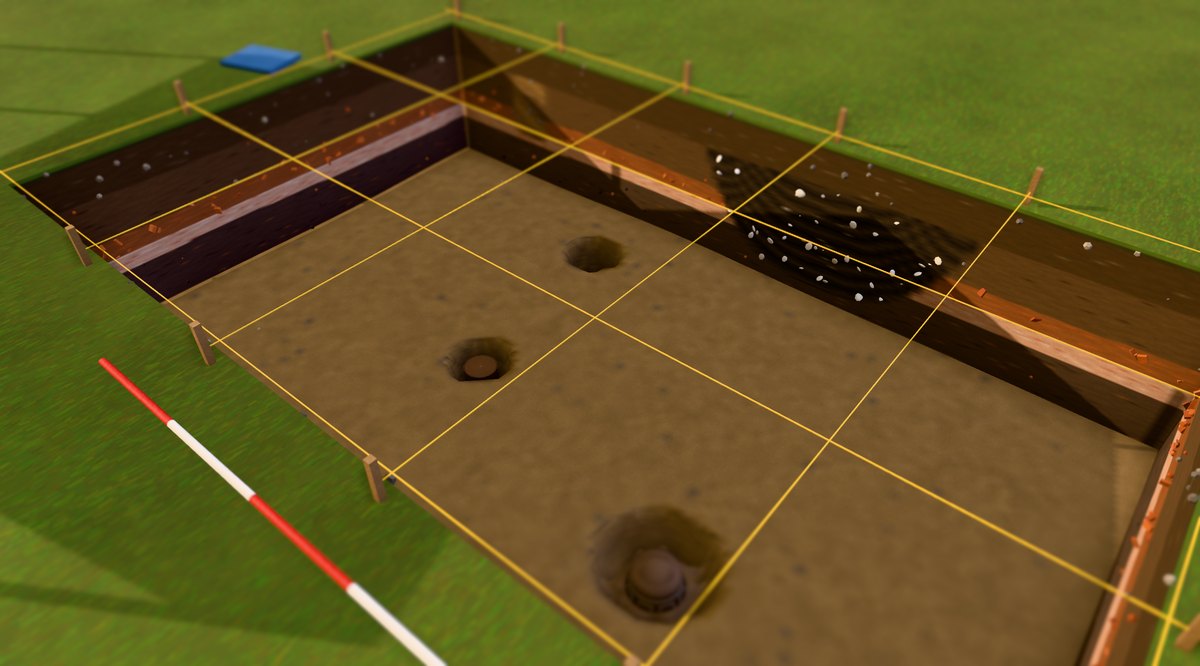
FreeArchaeology and prehistory10–20 min · Ages 7–14

Archaeology dig

How do archaeologists read the past from the ground beneath our feet?

Launch ↗Teacher notes
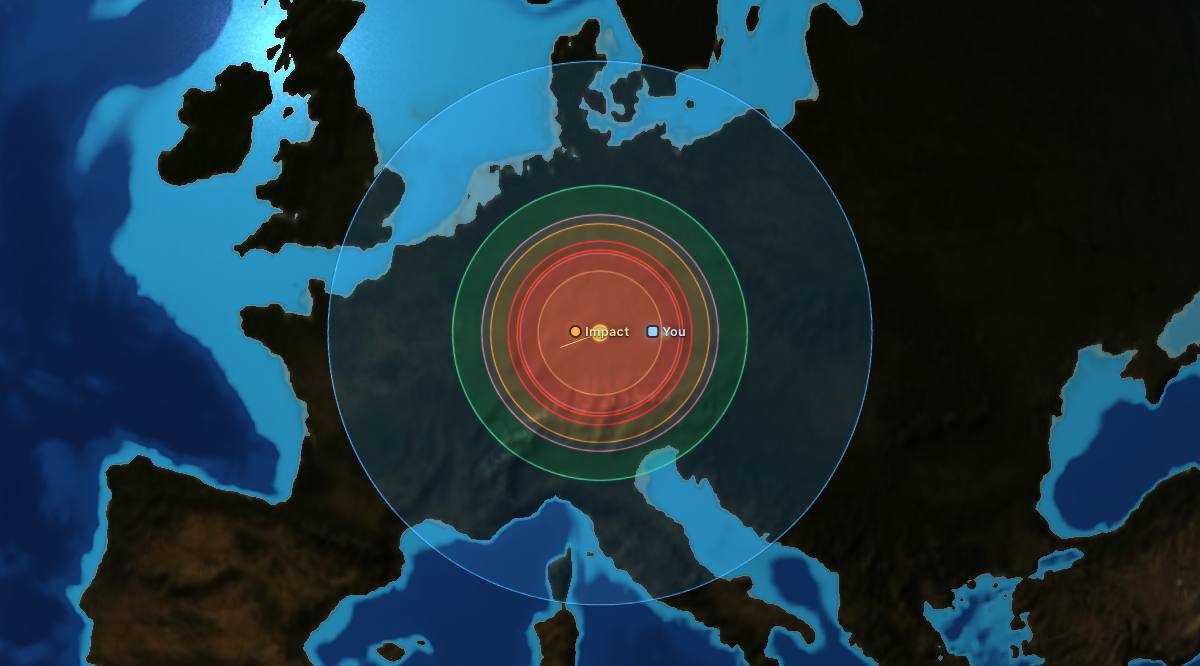
FreeAsteroid impacts and their effects10–20 min · Ages 11–18

Asteroid impact

What happens when an asteroid hits the Earth?

Launch ↗Teacher notes
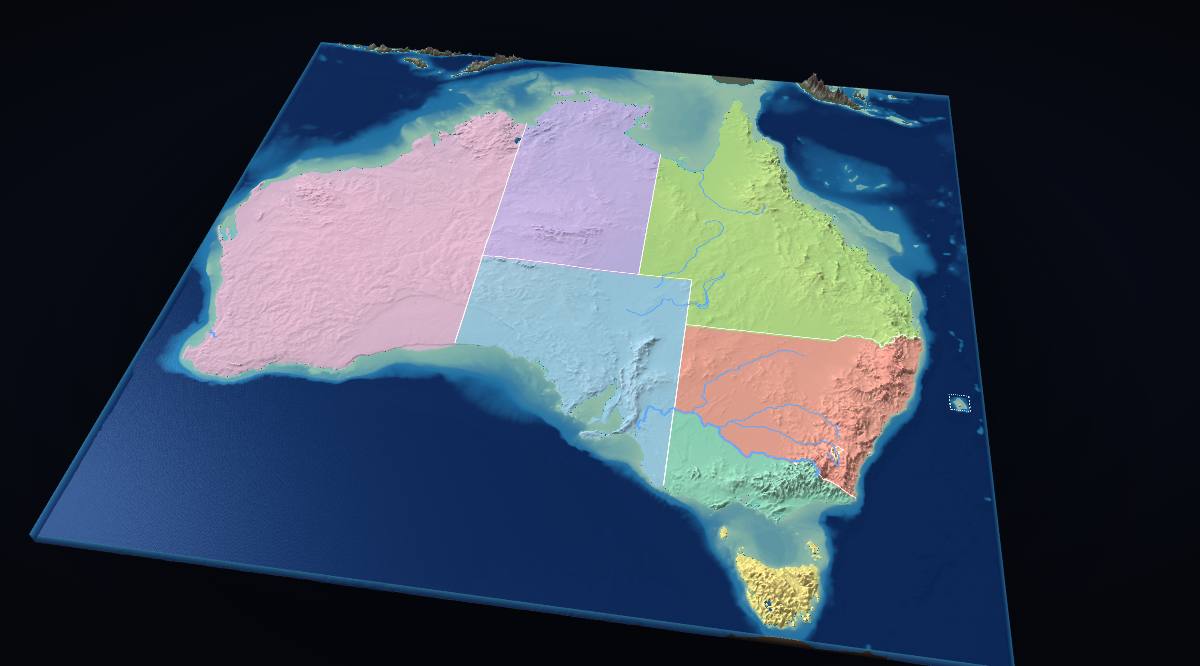
FreePolitical geography10–20 min · Ages 9–14

Australia state by state

Why is Australia divided into six states and two territories?

Launch ↗Teacher notes
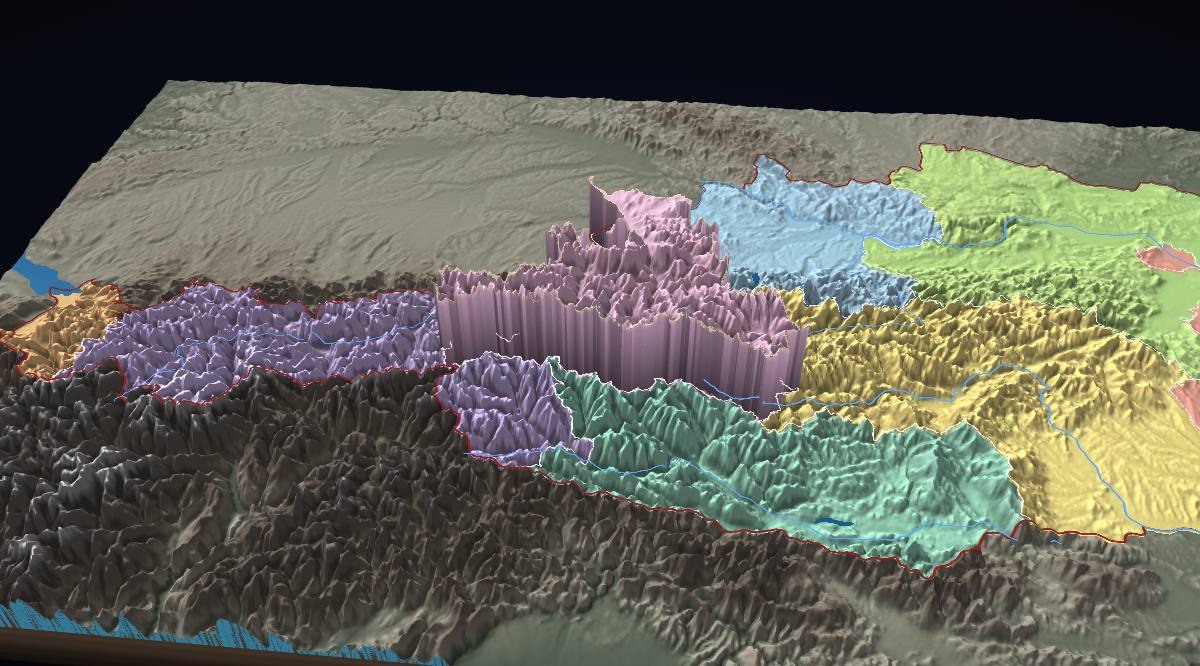
FreePolitical geography10–20 min · Ages 9–14

Austria Land by Land

Why is Austria made of nine Länder — and how can Vienna be a city and a Land at once?

Launch ↗Teacher notes
FreeMotion & forces10–20 min · Ages 7–10

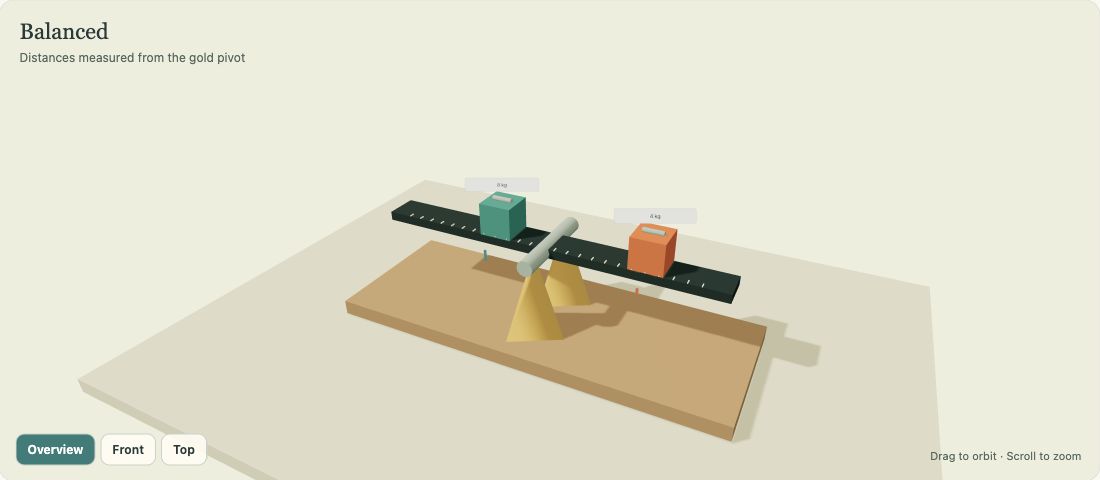
Balance the seesaw

Can a light object lift a heavy one?

Launch ↗Teacher notes
FreeThe Baroque: light, movement and illusion10–20 min · Ages 9–16

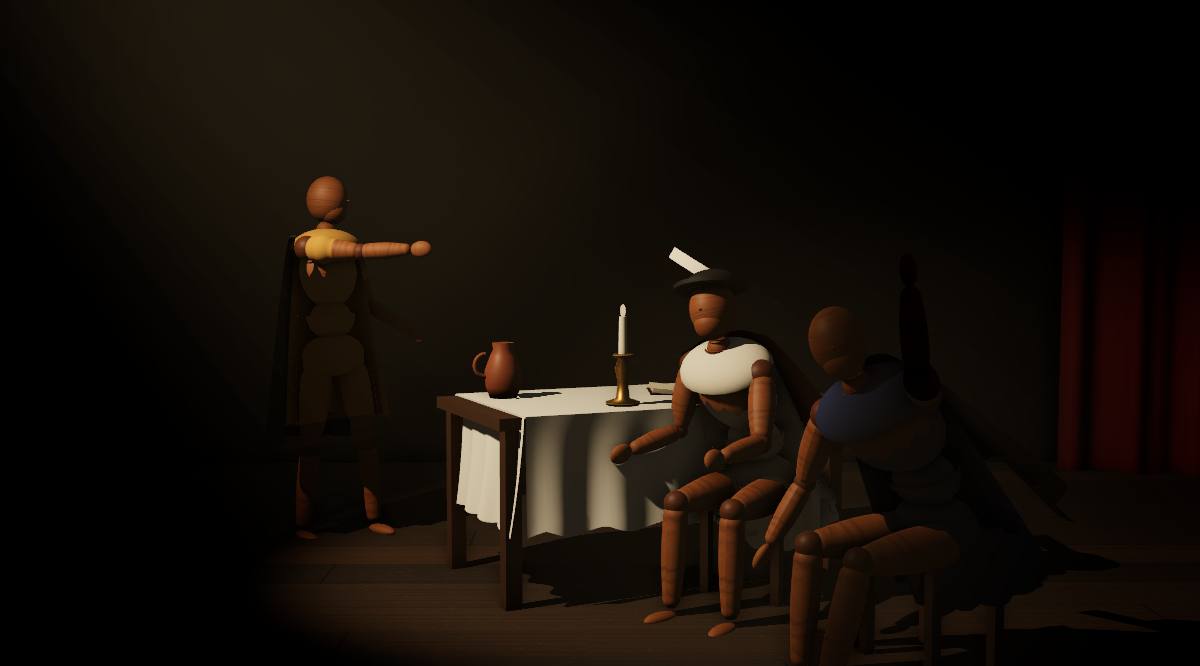
Baroque drama

How did 17th-century artists make stone and paint look alive?

Launch ↗Teacher notes
FreePolitical geography10–20 min · Ages 9–14

Belarus region by region

Why is Belarus divided into six regions and a capital that belongs to none of them?

Launch ↗Teacher notes
FreePolitical geography10–20 min · Ages 9–14

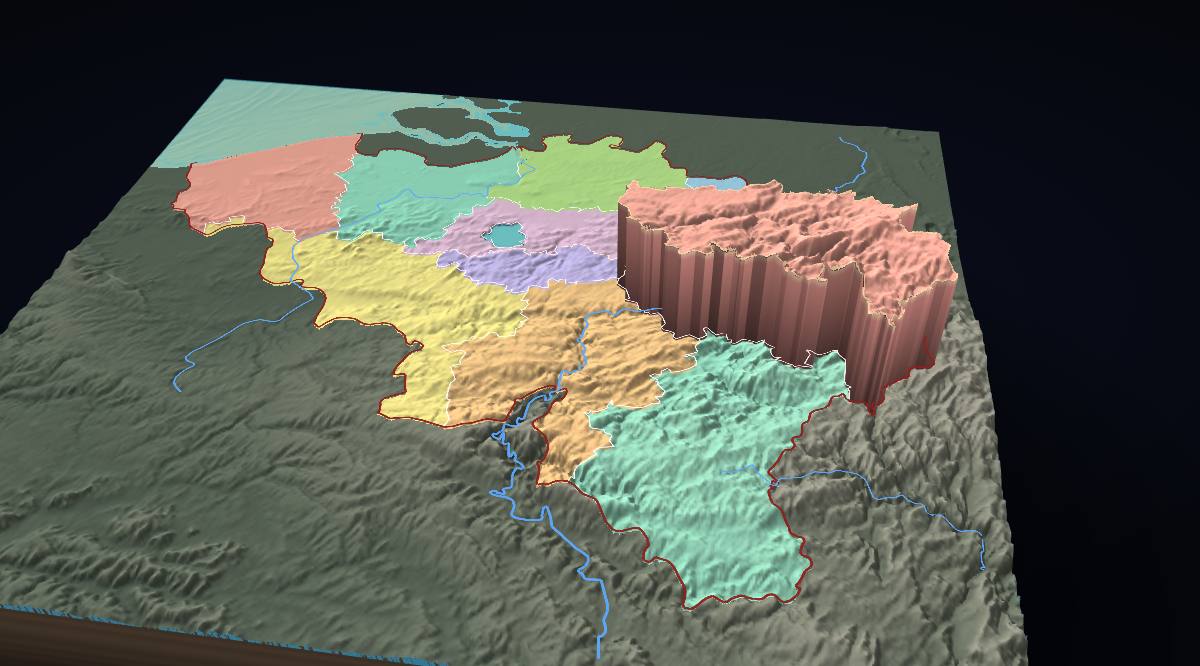
Belgium province by province

Why does a small country have three regions, three communities and three official languages?

Launch ↗Teacher notes
FreeNumber: negative numbers and integers10–20 min · Ages 10–14

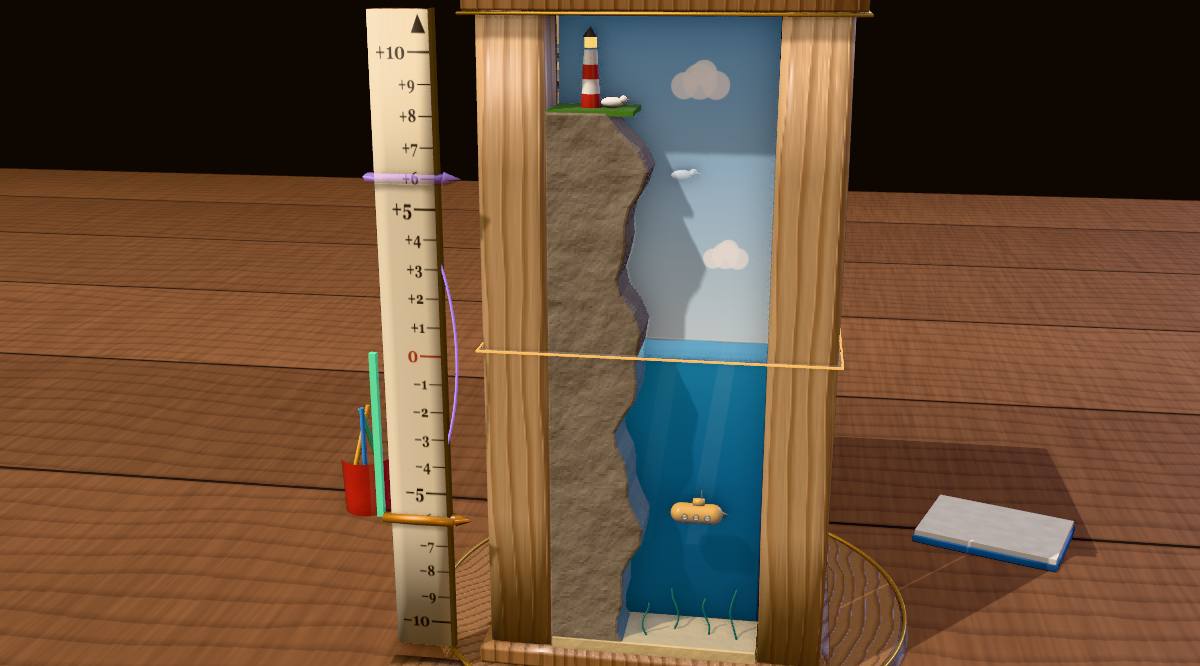
Below zero: integers on the number line

Why is −8 smaller than −3, and why does taking away a negative take you up?

Launch ↗Teacher notes
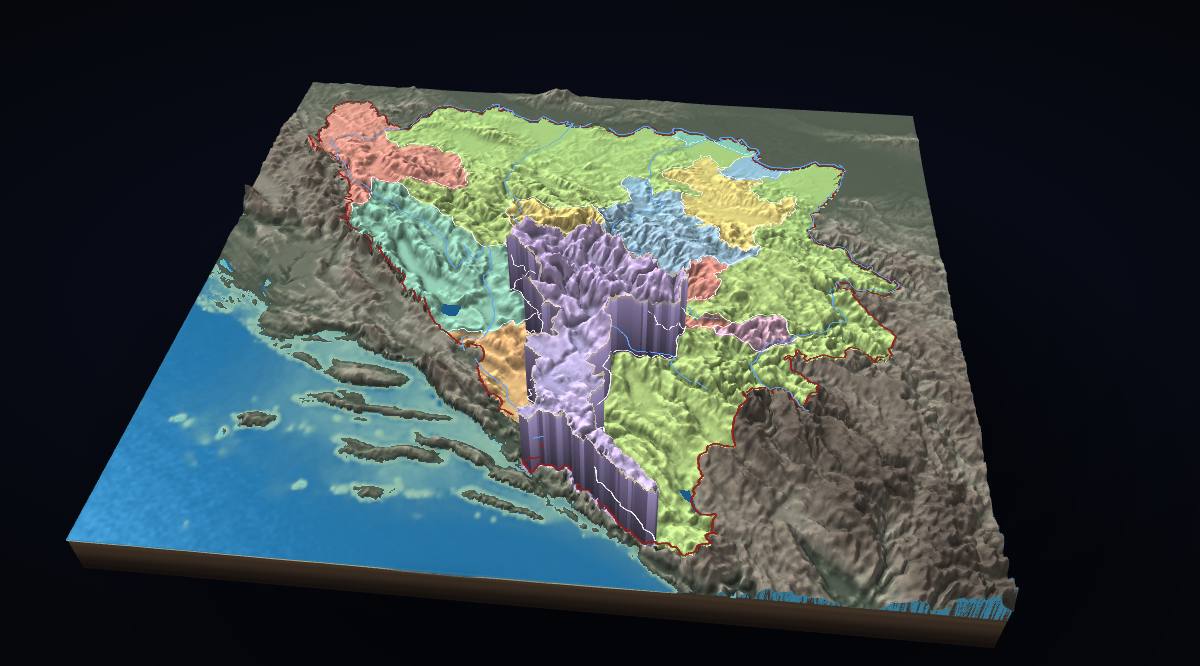
FreePolitical geography10–20 min · Ages 9–14

Bosnia and Herzegovina, entities and cantons

Why is Bosnia and Herzegovina drawn in 12 pieces of three different kinds?

Launch ↗Teacher notes
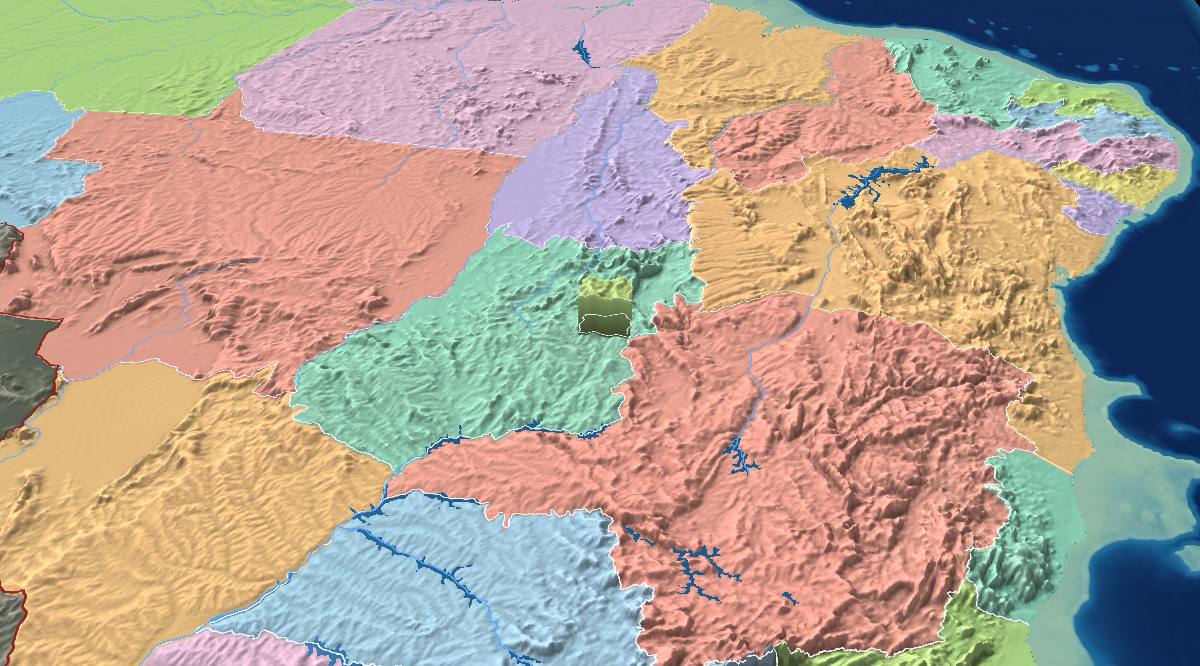
FreePolitical geography10–20 min · Ages 11–14

Brazil state by state

How is Brazil divided into 26 states and a Federal District?

Launch ↗Teacher notes
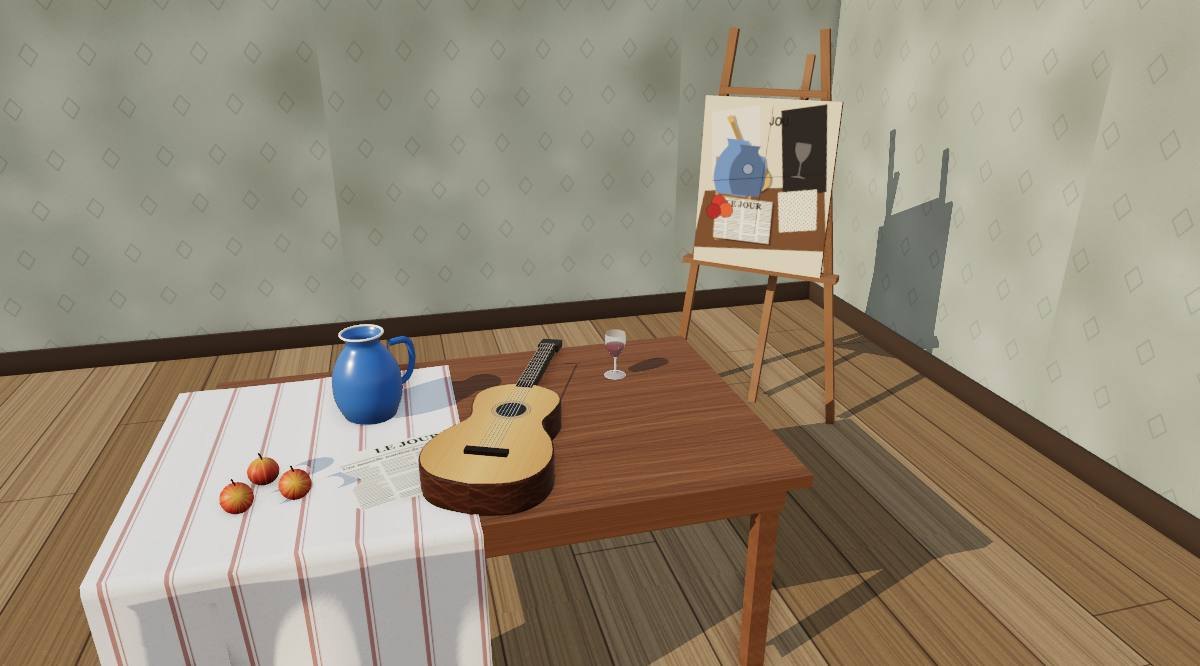
FreeCubism and the road to abstraction10–20 min · Ages 9–16

Break the viewpoint

Why would a painter show a guitar from five sides at once?

Launch ↗Teacher notes
FreeBridges and structures10–20 min · Ages 9–16

Bridge builder

Which part of a bridge breaks first — and why do triangles hold it up?

Launch ↗Teacher notes
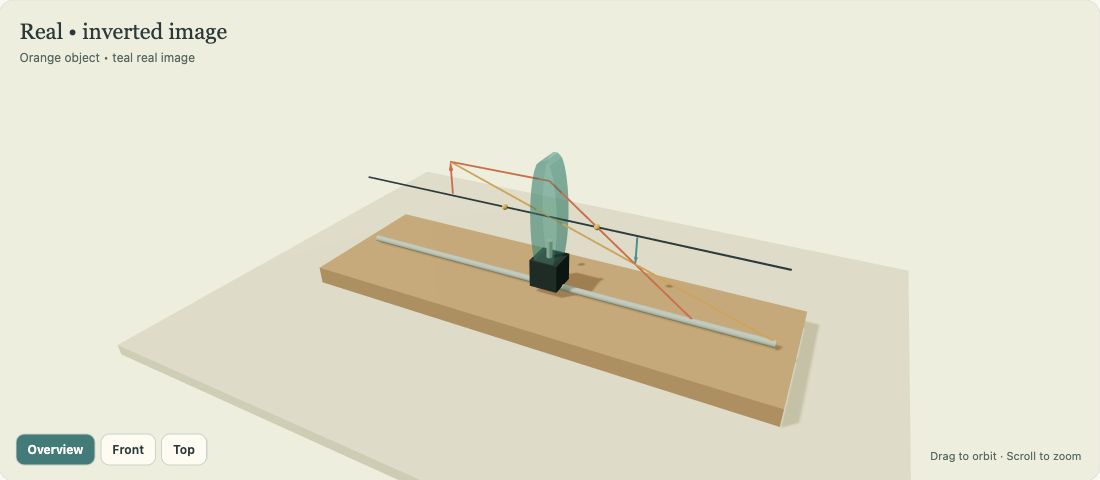
FreeLight & optics10–20 min · Ages 11–14

Bring it into focus

When does a lens make an upside-down image?

Launch ↗Teacher notes
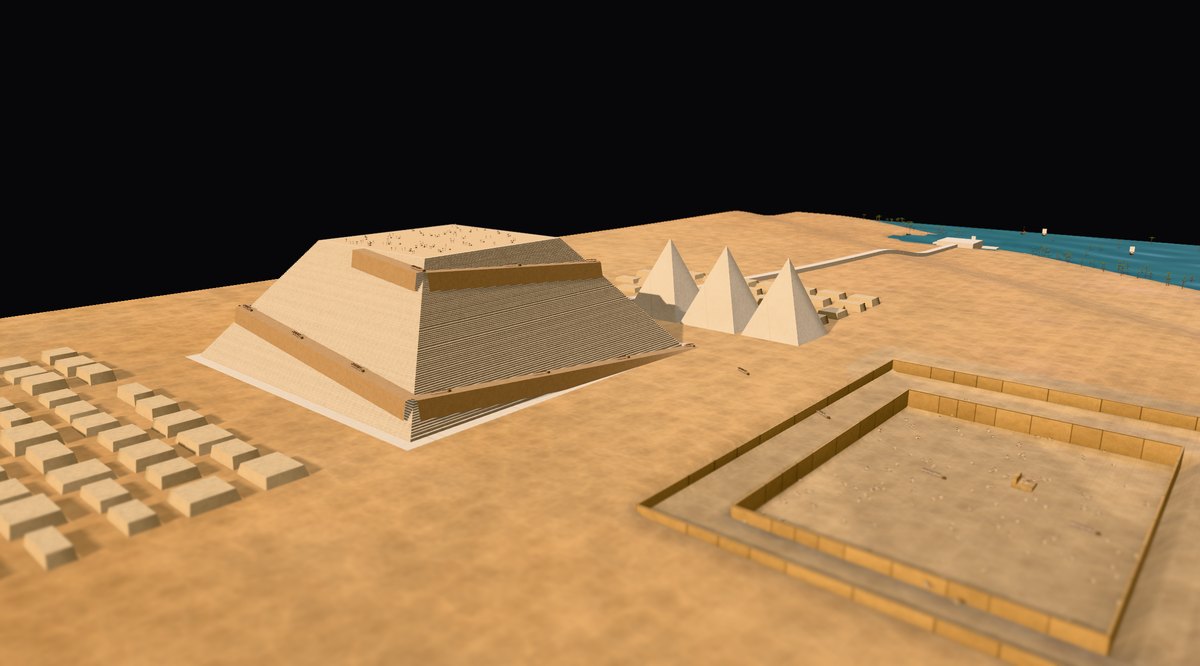
FreeAncient Egypt10–20 min · Ages 8–14

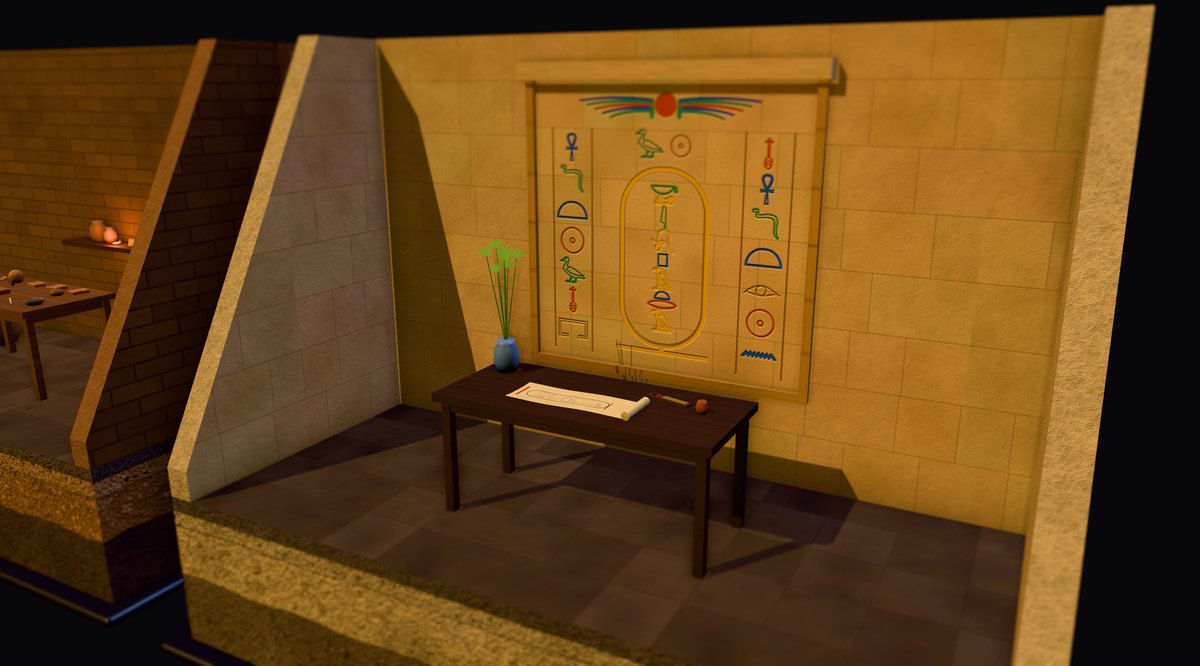
Build a pyramid

How did people 4,500 years ago build a mountain of stone with copper tools and no wheels on the site?

Launch ↗Teacher notes
FreePolitical geography10–20 min · Ages 9–14

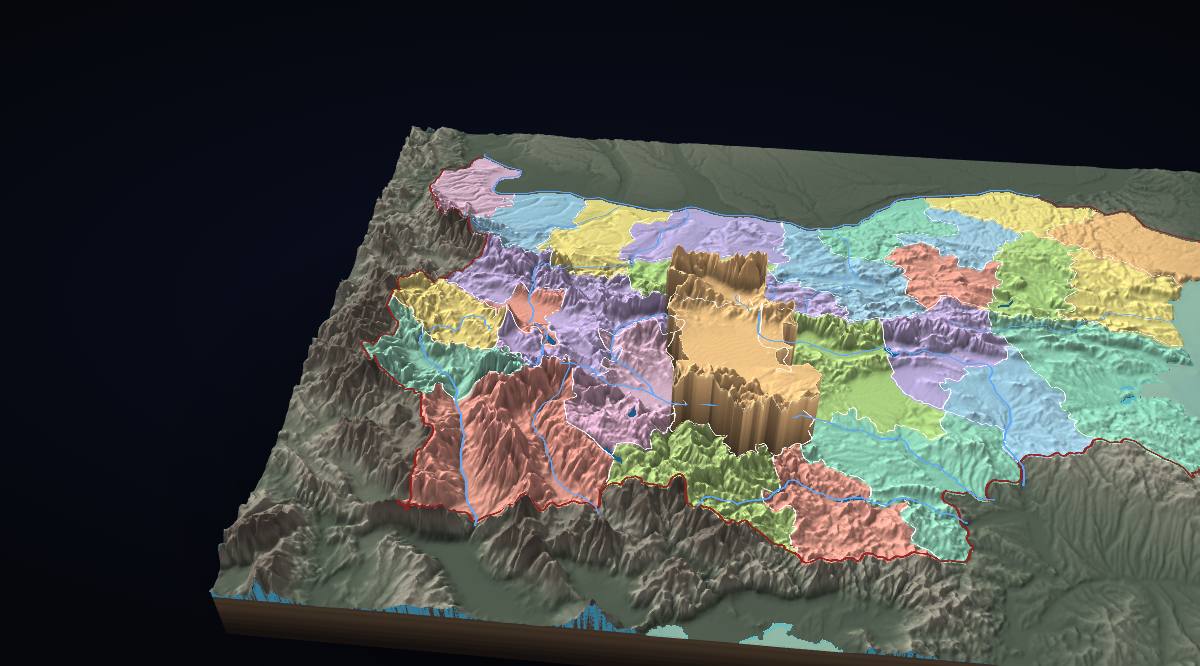
Bulgaria province by province

Why does Bulgaria have 28 provinces, and two of them called Sofia?

Launch ↗Teacher notes
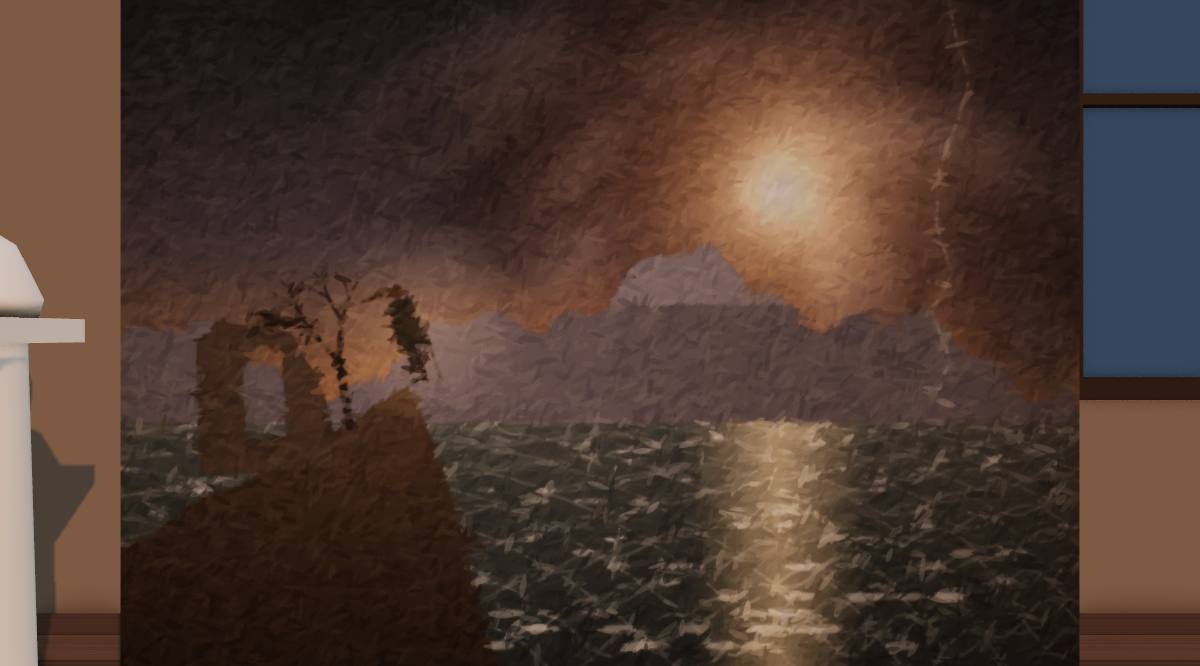
FreeMotion & forces10–20 min · Ages 11–14

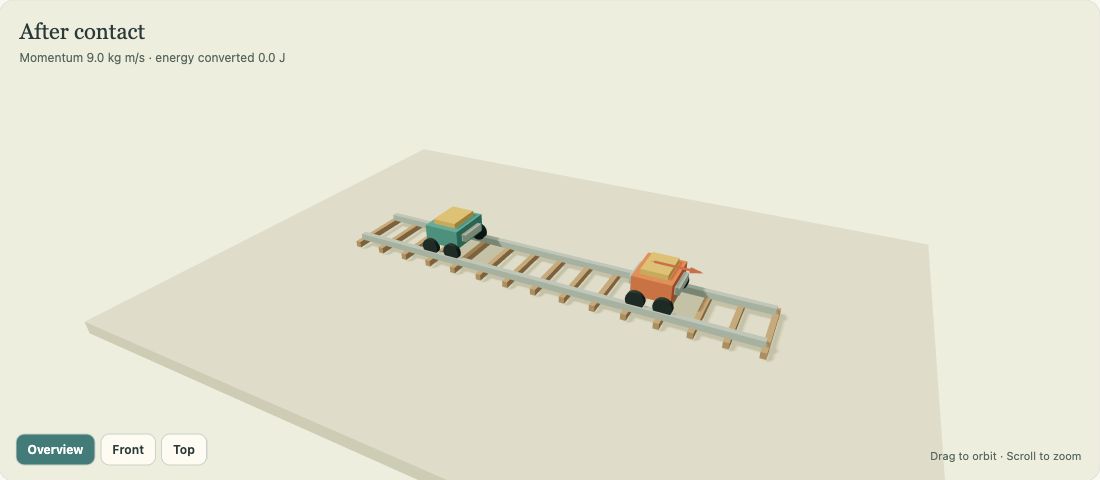
Bumper carts

Where does the motion go when carts collide?

Launch ↗Teacher notes
FreeNeoclassicism and Romanticism, 1750–186010–20 min · Ages 13–19

Calm or storm?

Calm or storm? How did art change between Neoclassicism and Romanticism?

Launch ↗Teacher notes
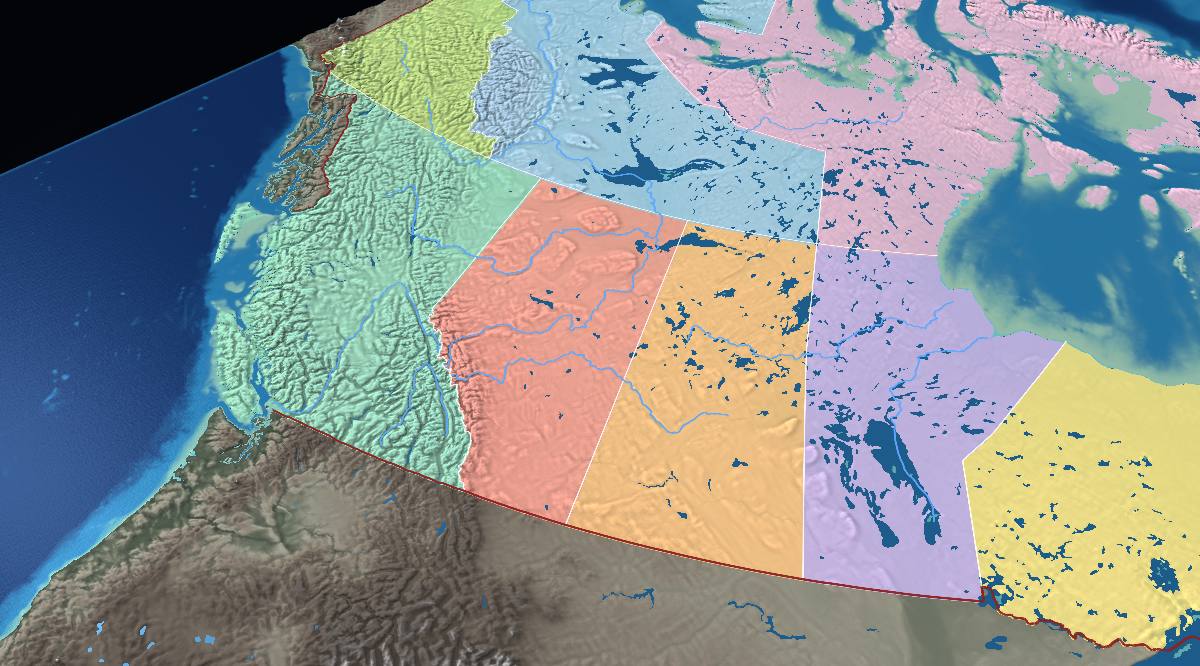
FreePolitical geography10–20 min · Ages 11–14

Canada province by province

Why is Canada divided into ten provinces and three territories?

Launch ↗Teacher notes
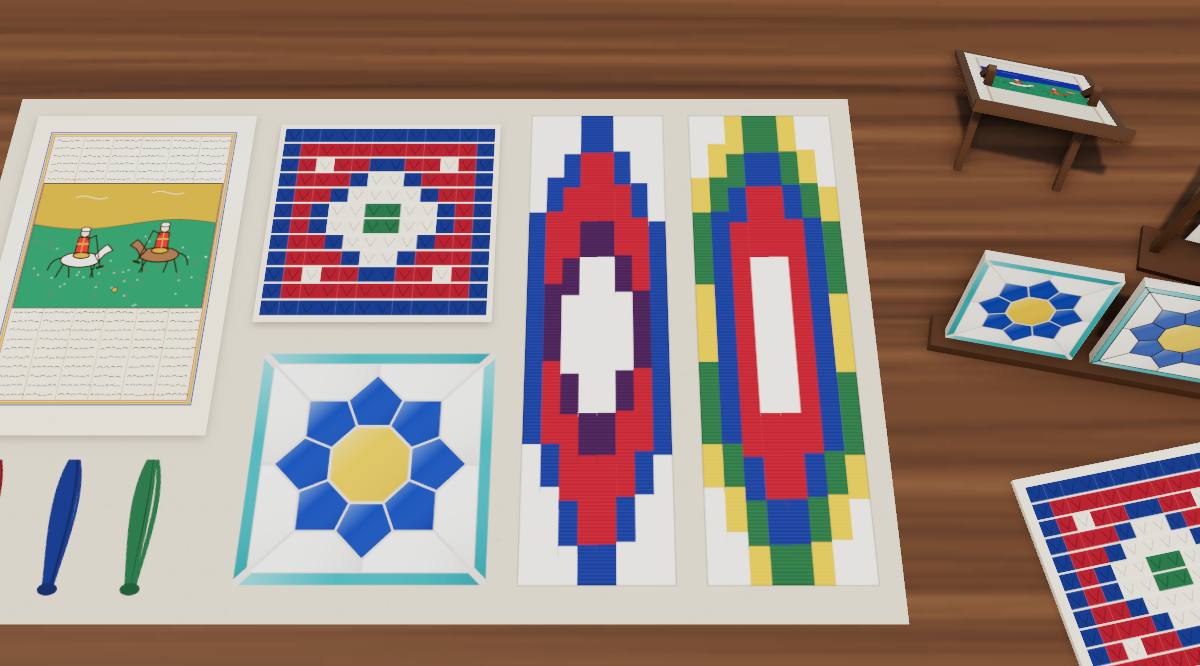
FreeArts of Persia and Central Asia through how they are made: the painted manuscript page of the Shahnameh, dyes, mordants and the knotted carpet, tile mosaic and seven-colour tiles, warp ikat and the suzani, with how two great illustrated books were taken apart10–20 min · Ages 10–18

Carpet, tile and page

How were the arts of Persia and Central Asia made?

Launch ↗Teacher notes
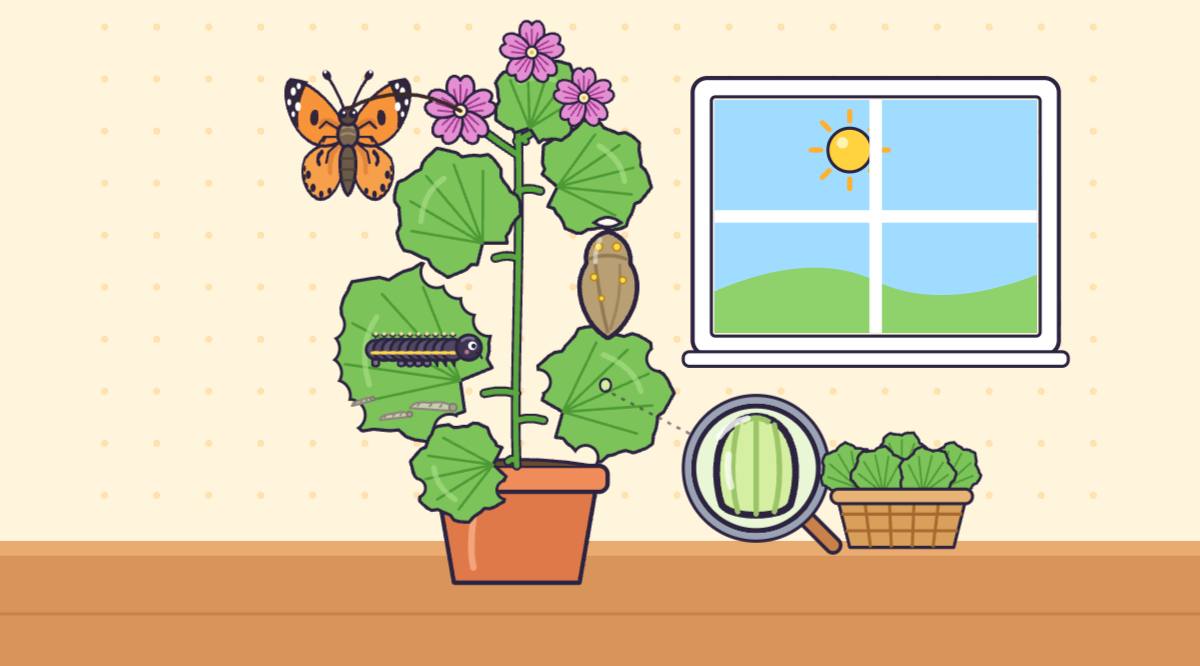
FreeAnimals and life cycles: from egg to butterfly10–20 min · Ages 4–7

Caterpillar to butterfly

How does a tiny egg become a butterfly?

Launch ↗Teacher notes
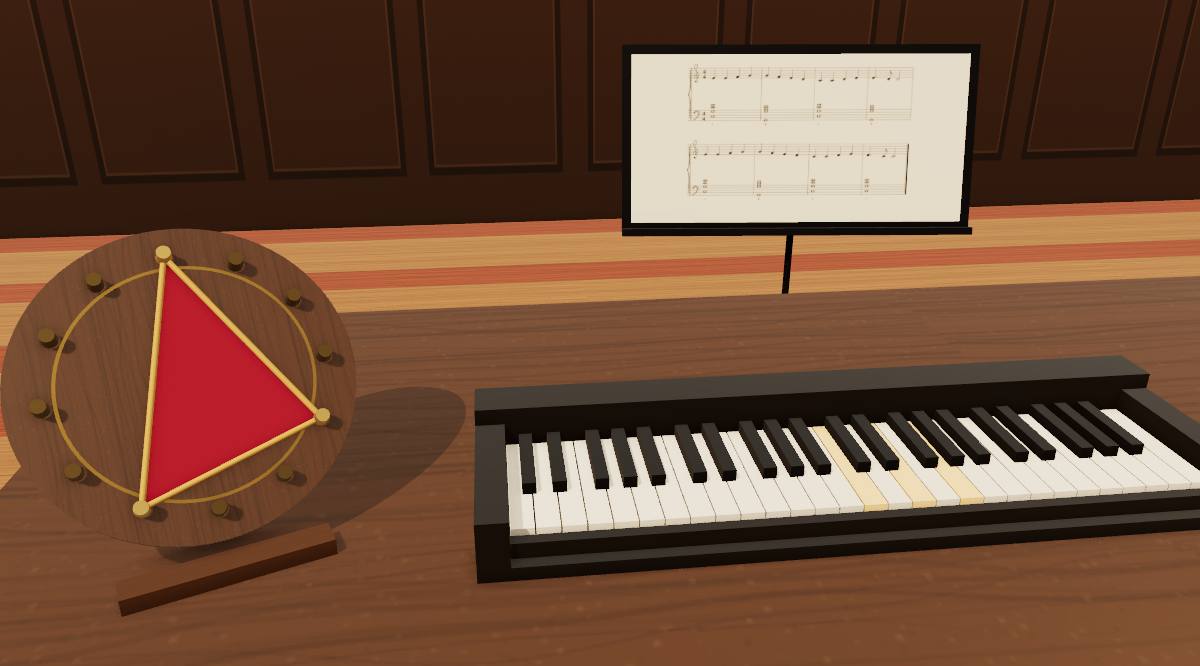
FreeChords, consonance and dissonance, chord progressions and cadences10–20 min · Ages 8–14

Chords and harmony

Which notes sound good together?

Launch ↗Teacher notes
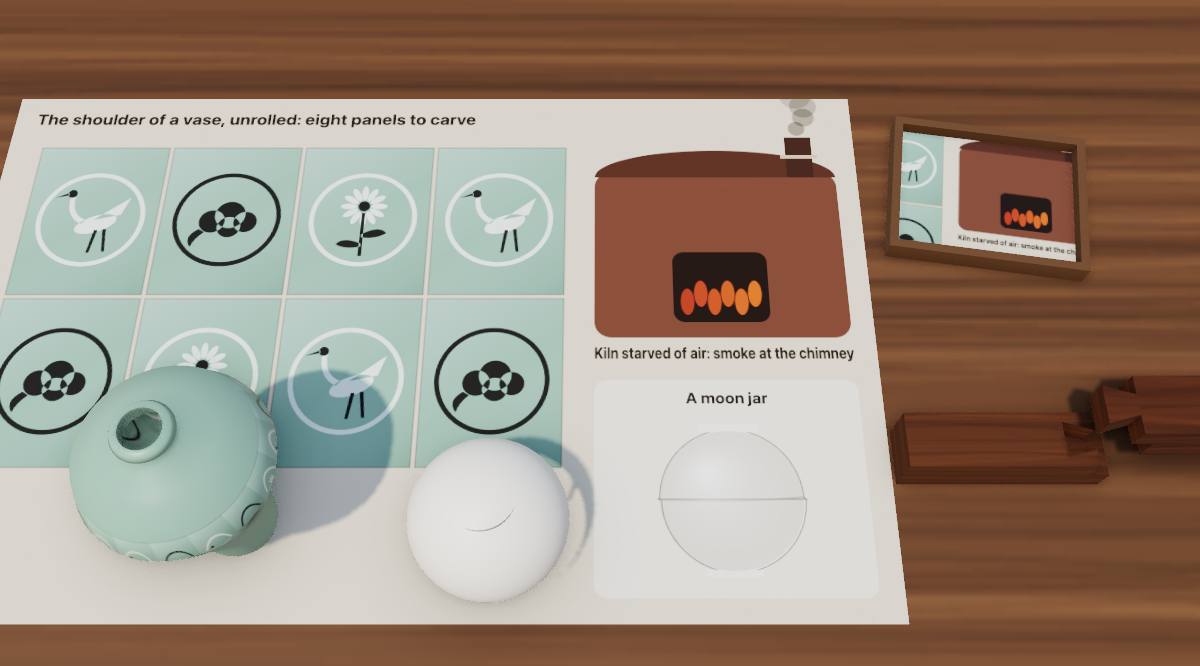
FreeArts of Korea and Japan through how they were made: Goryeo inlaid celadon, buncheong and the moon jar, urushi lacquer and maki-e, timber joints without nails or glue in houses and farmhouses with the hanok's ondol, Korean metal movable type and Hangul, with the 2011 Uigwe returns10–20 min · Ages 10–18

Clay, lacquer and wood

How were the arts of Korea and Japan made?

Launch ↗Teacher notes
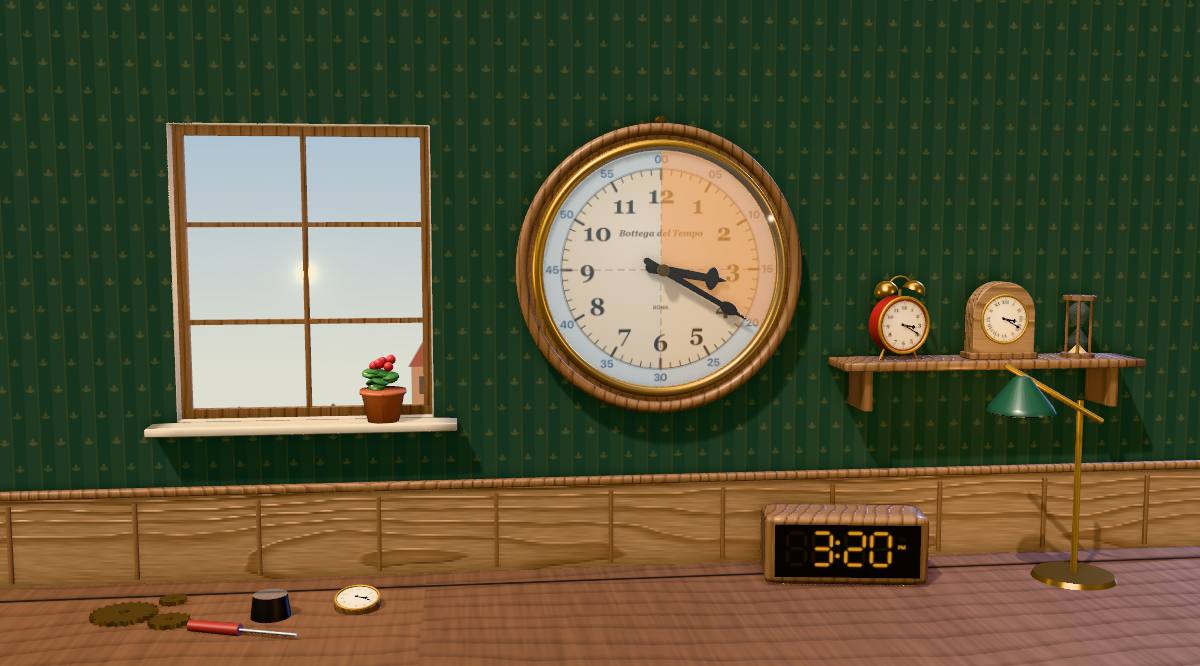
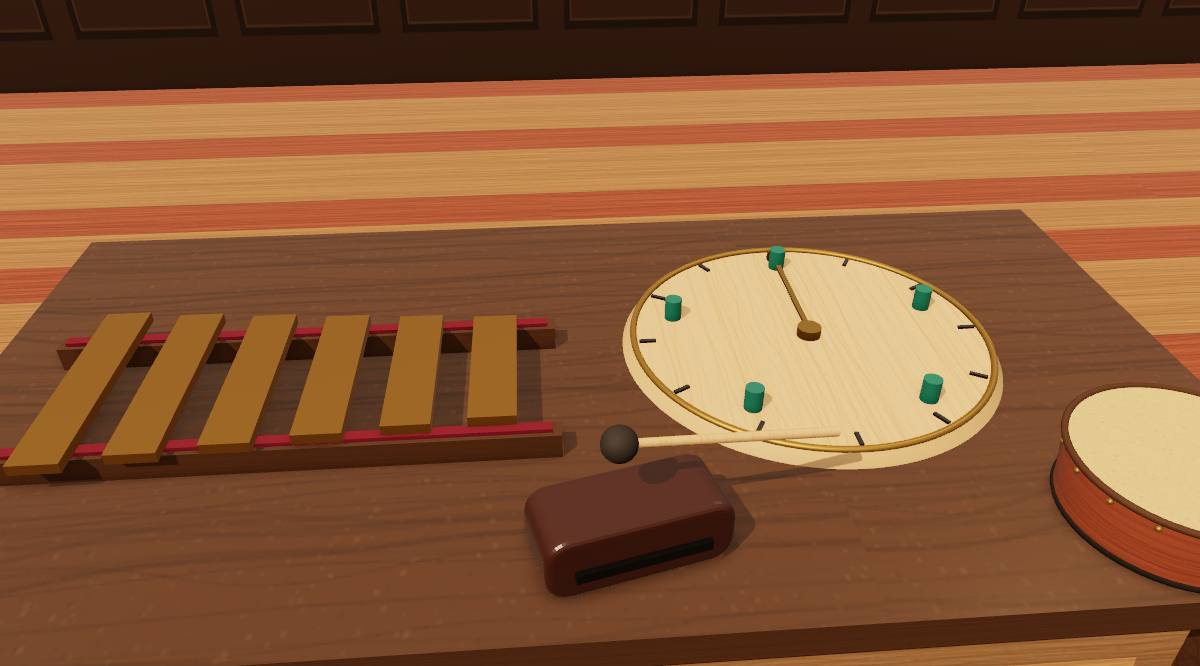
FreeMeasures: time10–20 min · Ages 5–11

Clocks, time and calendars

Why are there 60 minutes in an hour but 100 centimetres in a metre — and how do you read a clock with hands?

Launch ↗Teacher notes
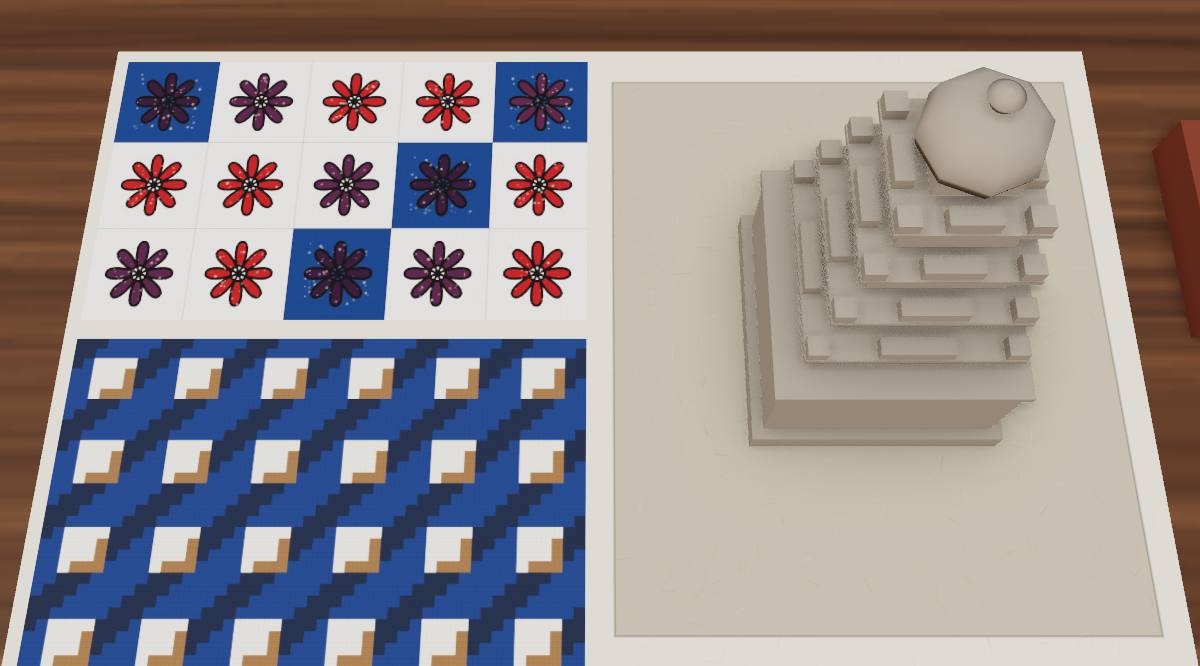
FreeArts of India and Southeast Asia through how they are made: mordant block printing and chintz, ikat, batik, temple towers and plans as architecture, and Chola lost-wax bronze, with provenance and returns10–20 min · Ages 10–18

Cloth, stone and bronze

How were the arts of India and Southeast Asia made?

Launch ↗Teacher notes
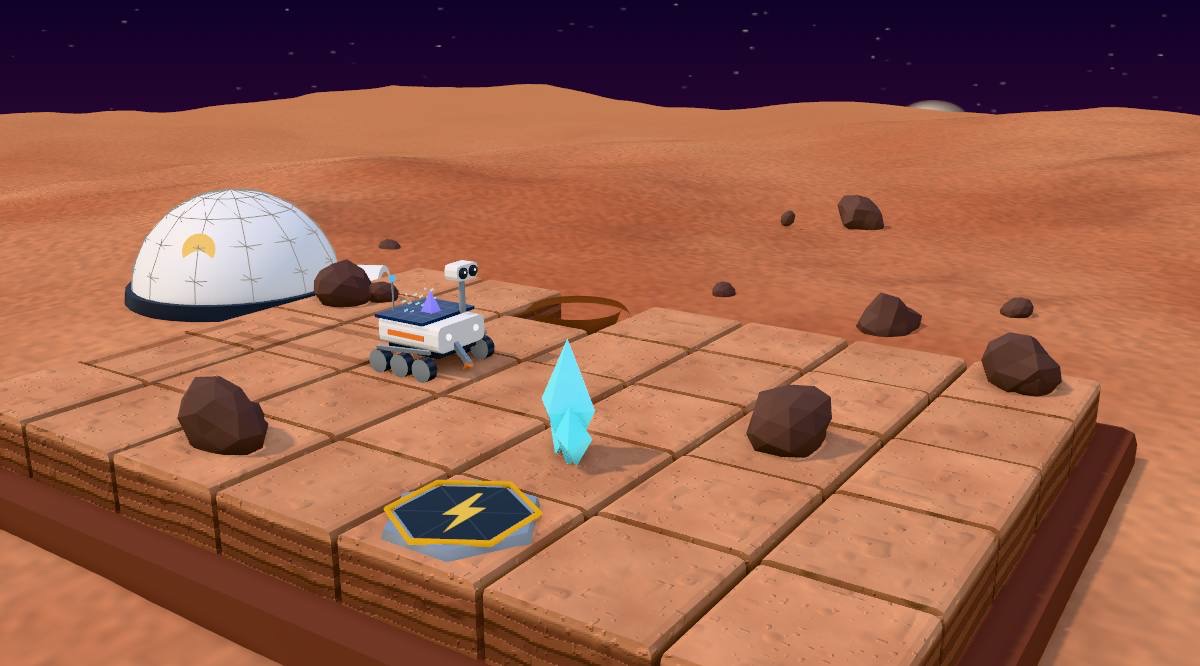
FreeCoding and algorithms10–20 min · Ages 7–14

Coding rover

Can you give a robot instructions so precise that it never gets lost?

Launch ↗Teacher notes
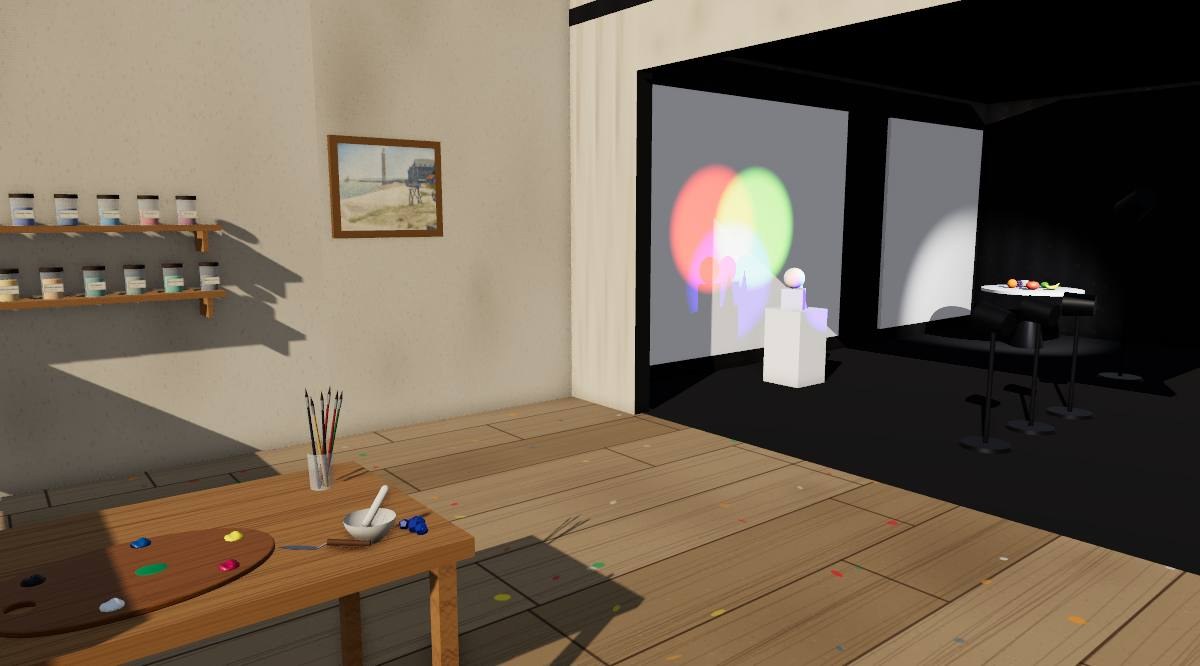
FreeColour theory10–20 min · Ages 7–15

Colour theory studio

Why does mixing blue and yellow paint make green, but mixing blue and yellow light makes white?

Launch ↗Teacher notes
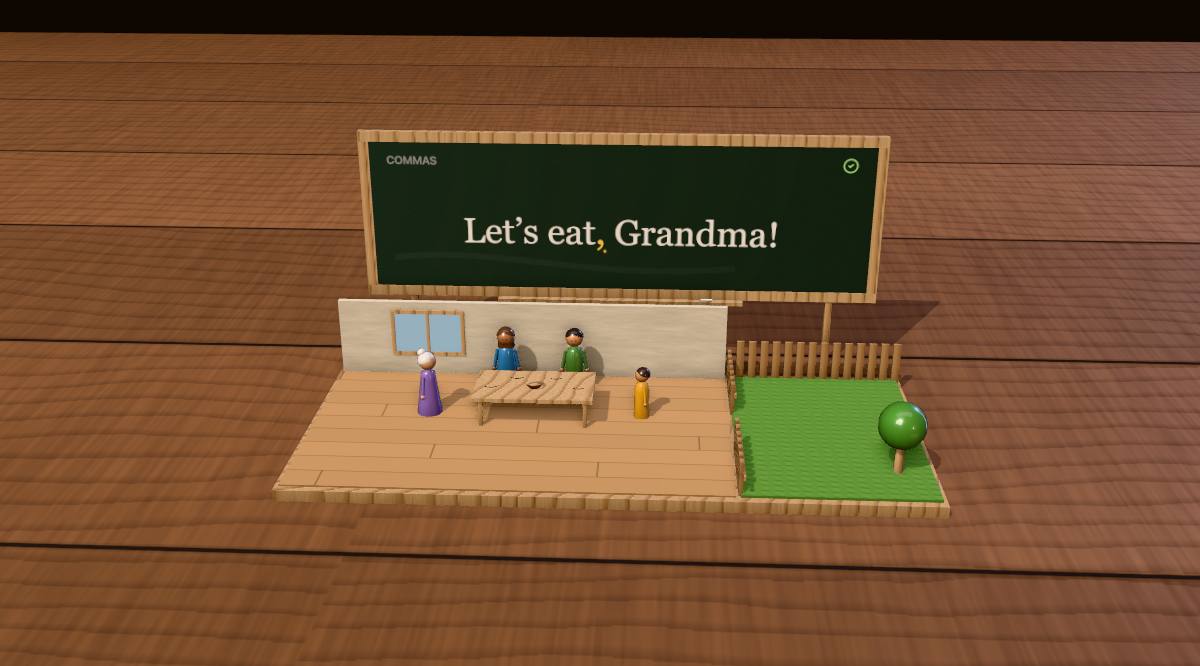
FreePunctuation and written accents that change meaning: commas (vocatives, relative clauses, lists), the apostrophe, direct speech, the Italian accento and apostrofo, the Spanish tilde and the opening ¿ and ¡, each in its own language10–20 min · Ages 8–14

Commas and accents

Can a comma change everything?

Launch ↗Teacher notes
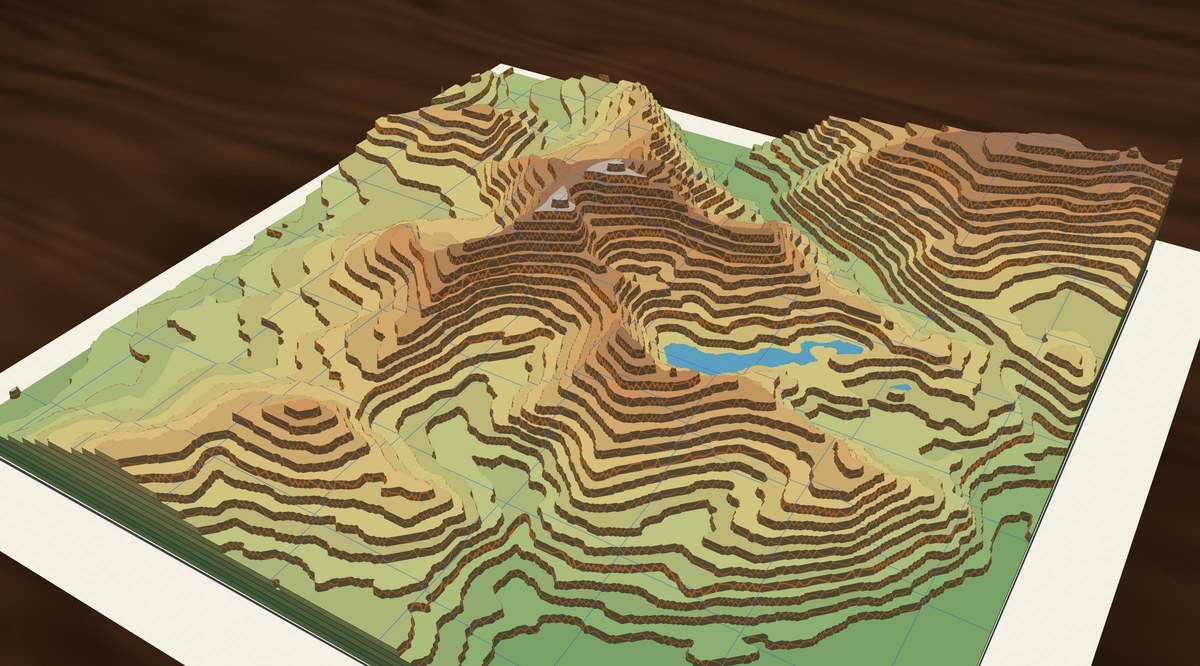
FreeMaps and contour lines10–20 min · Ages 9–15

Contour maps in 3D

How can a flat map show a mountain — and can you tell which path is steepest just by looking at lines?

Launch ↗Teacher notes
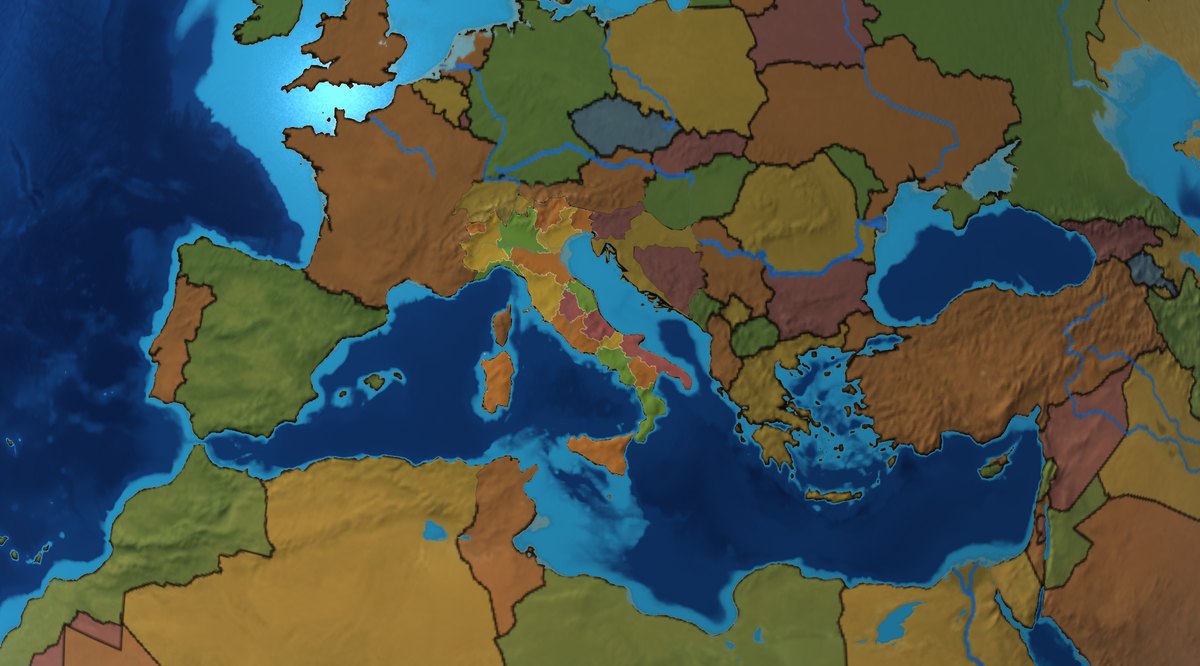
FreePolitical geography10–20 min · Ages 7–14

Countries and capitals

Where is each country, what is its capital — and can you recognise its flag?

Launch ↗Teacher notes
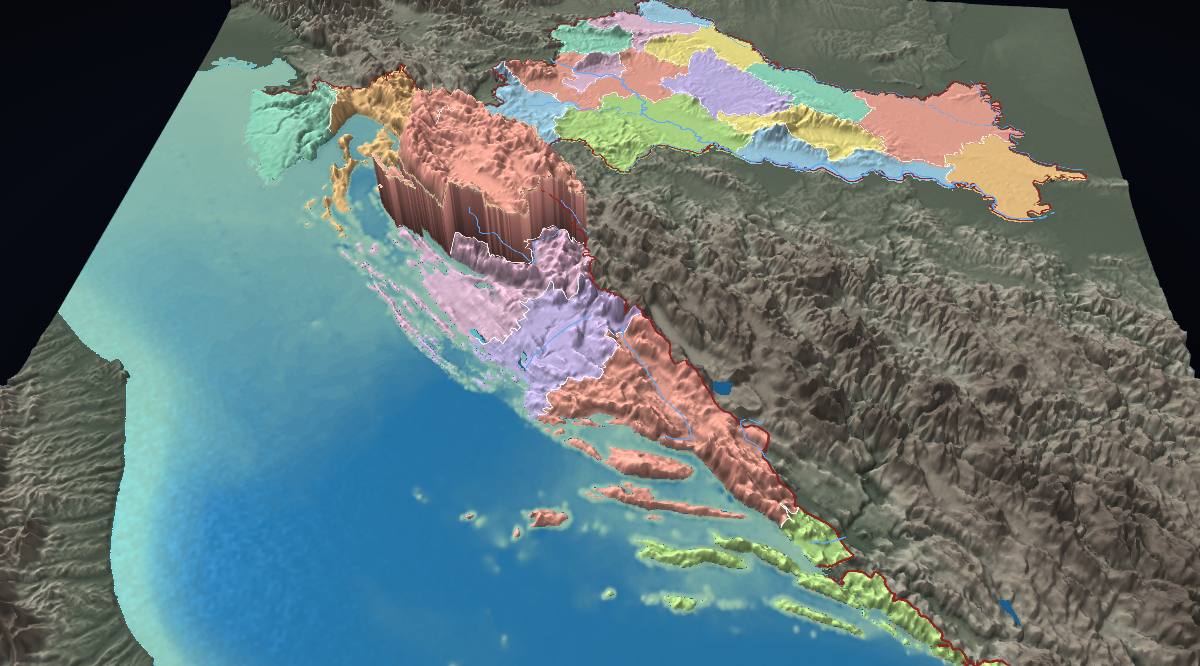
FreePolitical geography10–20 min · Ages 9–14

Croatia county by county

How can one country be a plain, a mountain range and a chain of islands at once, and why is Zagreb County run from outside its own territory?

Launch ↗Teacher notes
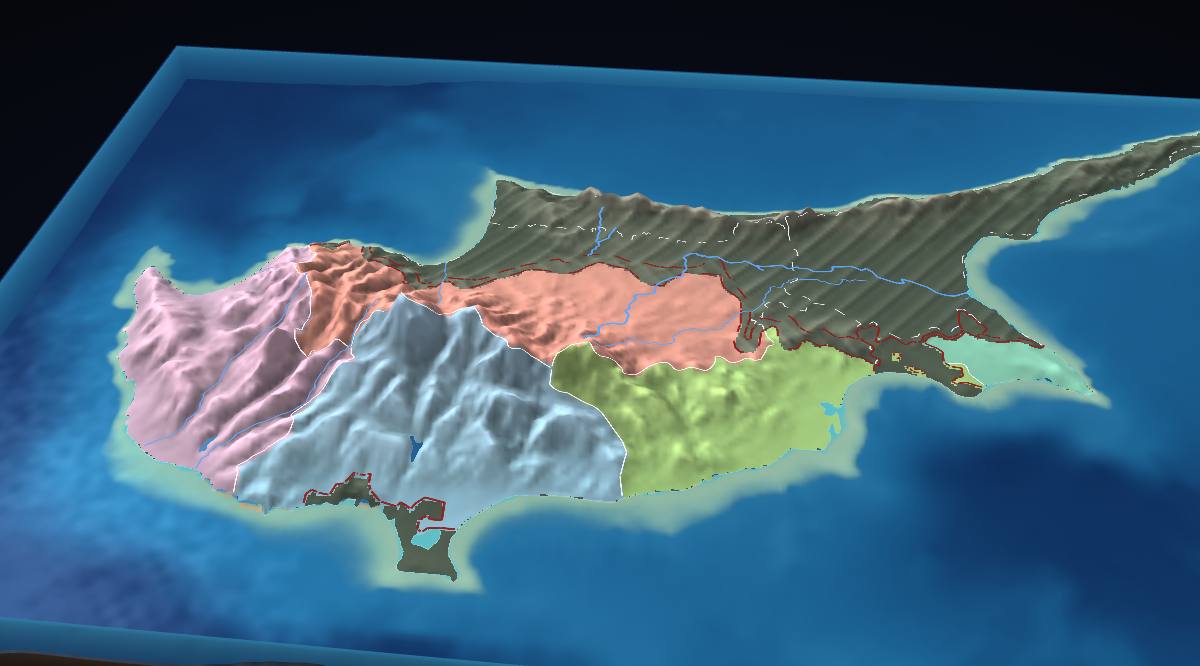
FreePolitical geography10–20 min · Ages 9–14

Cyprus district by district

Cyprus has six districts: why can this map colour only five of them?

Launch ↗Teacher notes
FreePolitical geography10–20 min · Ages 9–14

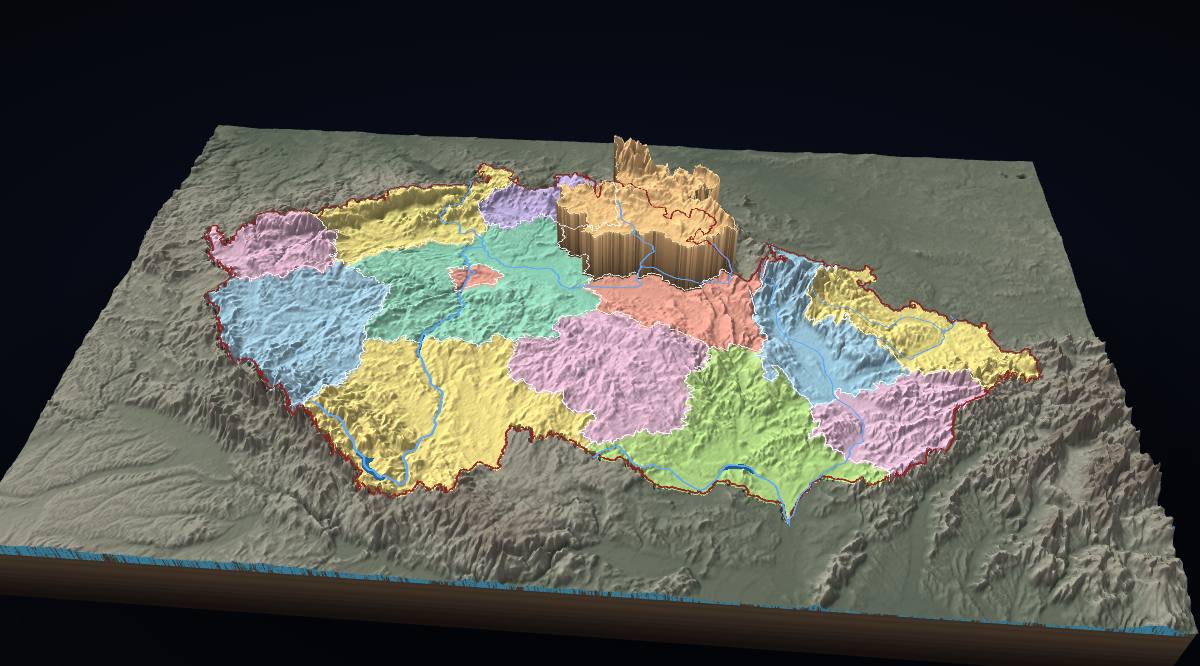
Czechia region by region

How is a country with no sea, ringed by mountains and sending its rivers to three seas, divided into 14 regions — and why is one region run from a city outside it?

Launch ↗Teacher notes
FreeEarth and space: day and night10–20 min · Ages 4–7

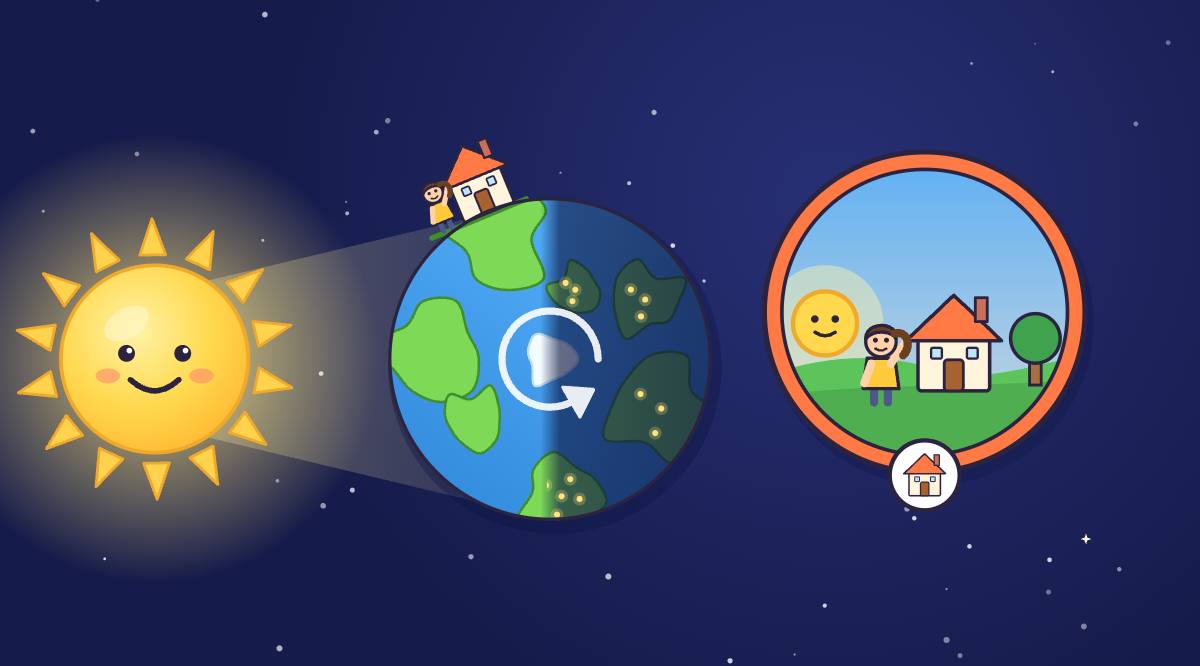
Day and night

Why is it day, and then night?

Launch ↗Teacher notes
FreeEvolution & fossils10–20 min · Ages 9–16

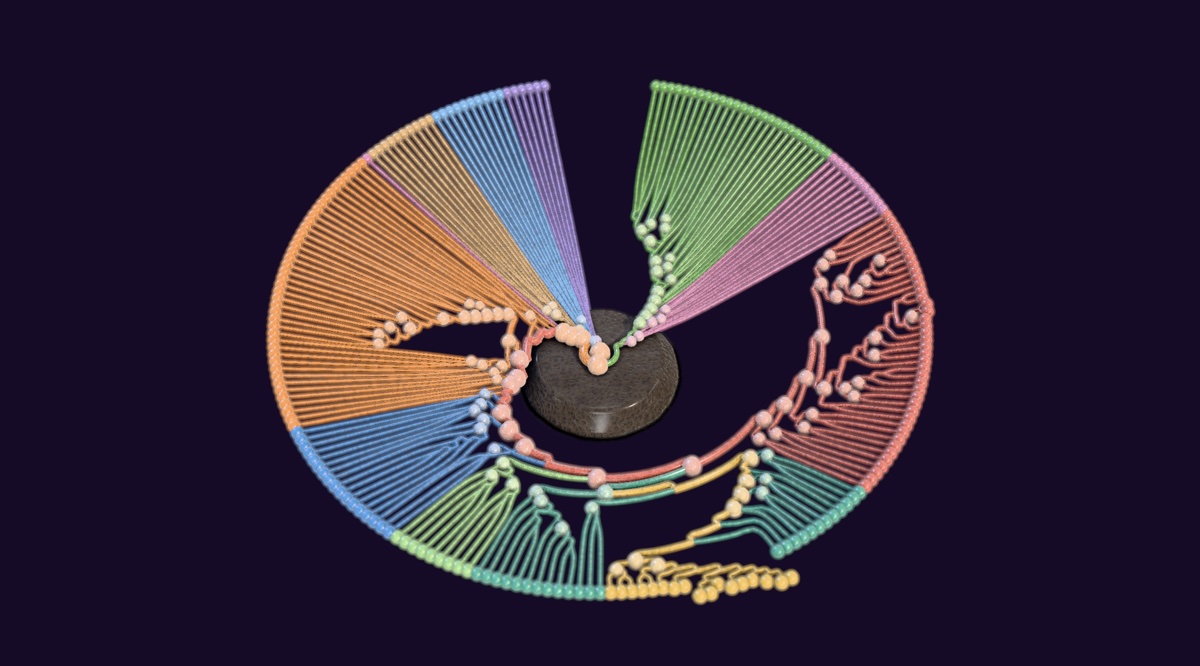
Deep time and the tree of life

How are all living things related, and when did they appear?

Launch ↗Teacher notes
FreePolitical geography10–20 min · Ages 9–14

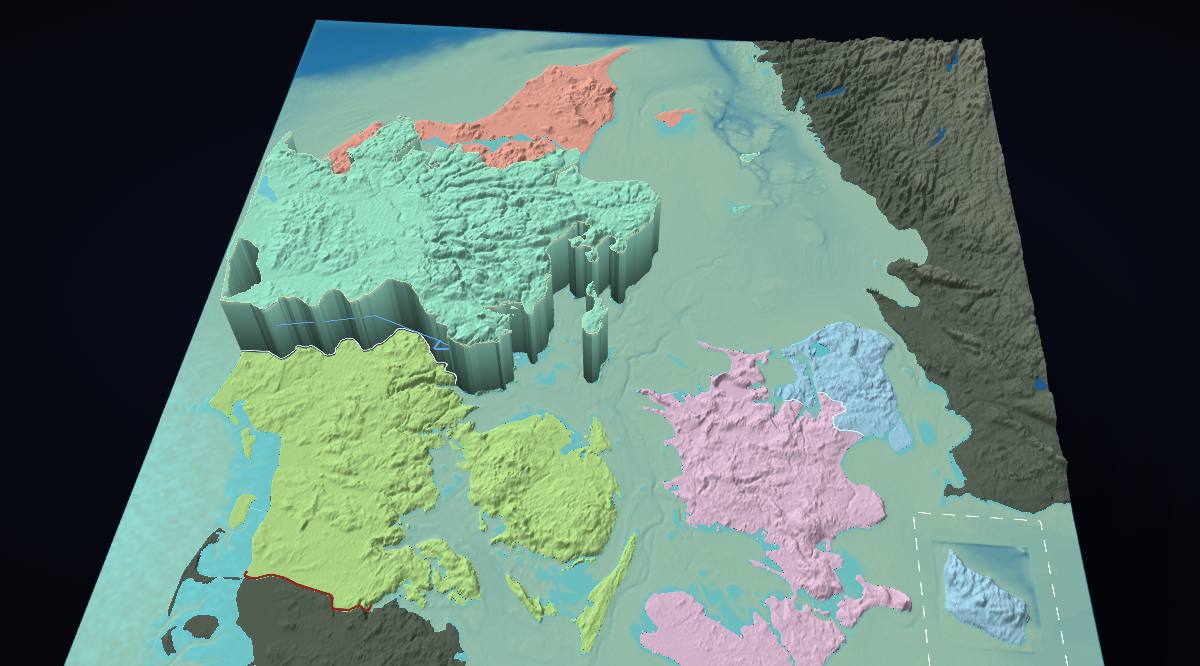
Denmark region by region

How is a country of a peninsula and many islands run, and what does the 2027 merger of two of its regions change?

Launch ↗Teacher notes
FreeGenetics & molecules10–20 min · Ages 10–16

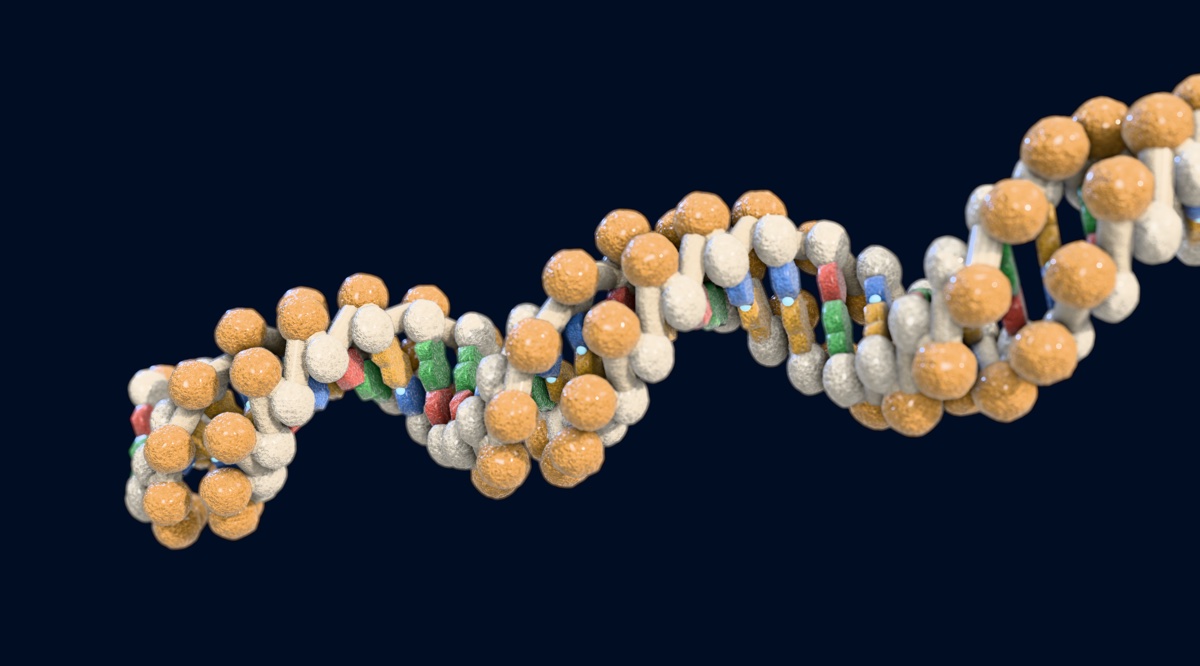
DNA to protein

How does a cell turn a gene into a working protein?

Launch ↗Teacher notes
FreeExponentials and logarithms10–20 min · Ages 12–19

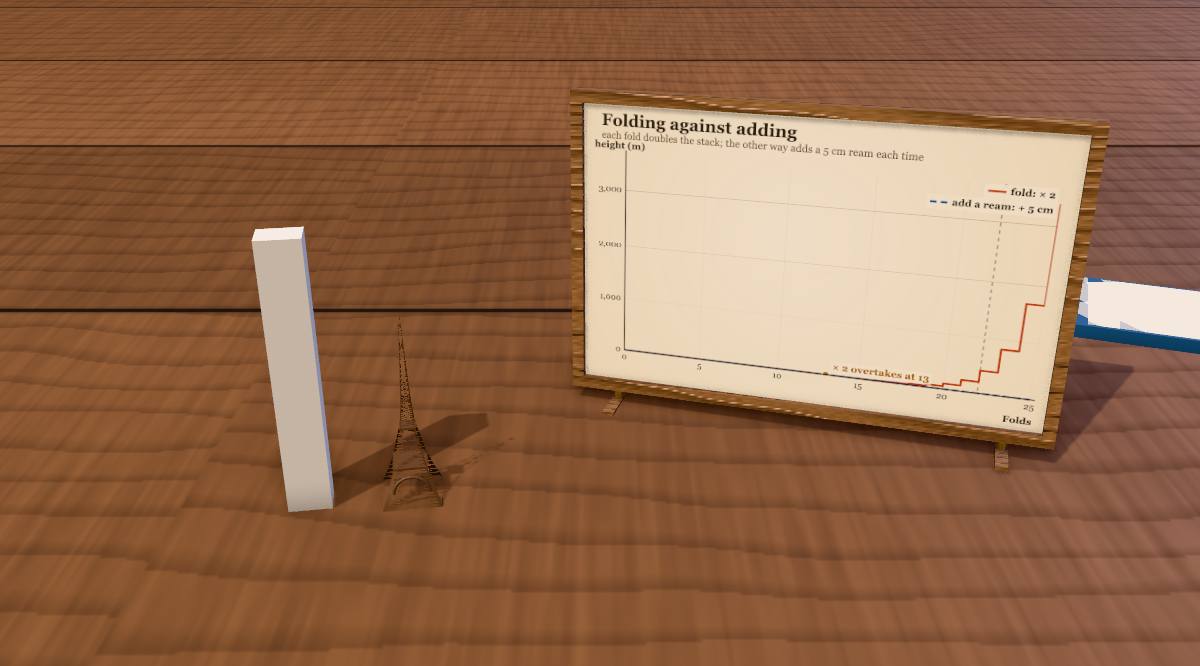
Doubling and logarithms

How many times must you fold a sheet of paper to reach the Moon? When does money that earns interest overtake money saved in a piggy bank? And how can a ruler multiply, just by adding lengths?

Launch ↗Teacher notes
FreeThe ocean floor10–20 min · Ages 8–16

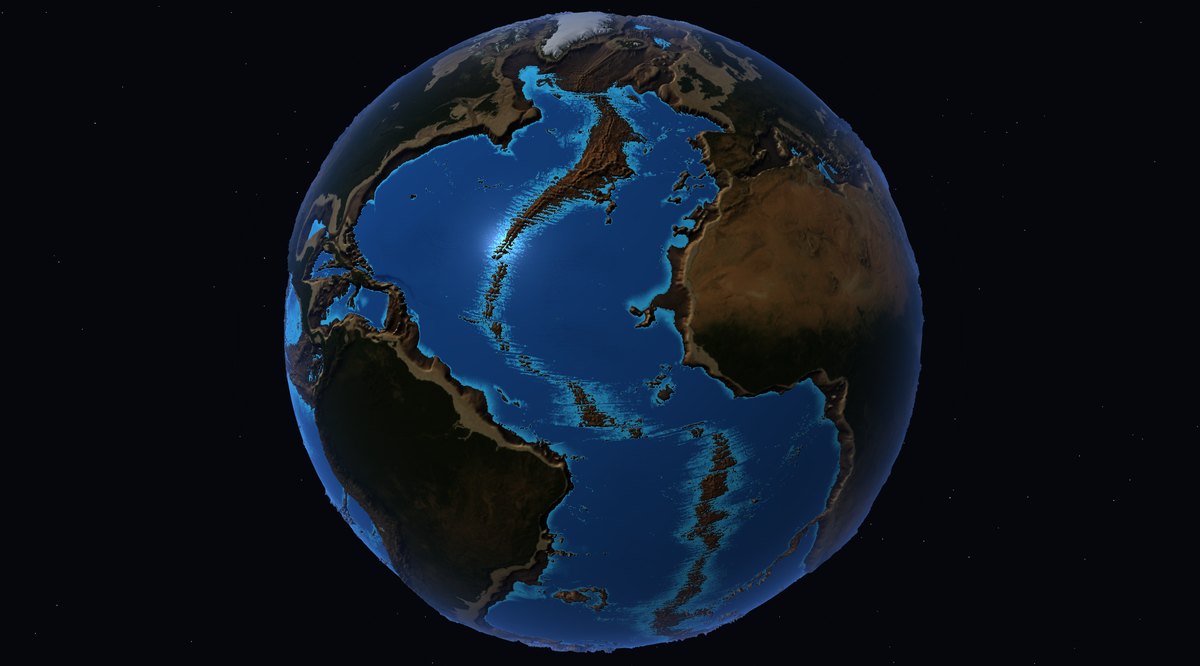
Drain the oceans

What would we see if all the water in the oceans drained away?

Launch ↗Teacher notes
FreeStructures and earthquakes10–20 min · Ages 9–16

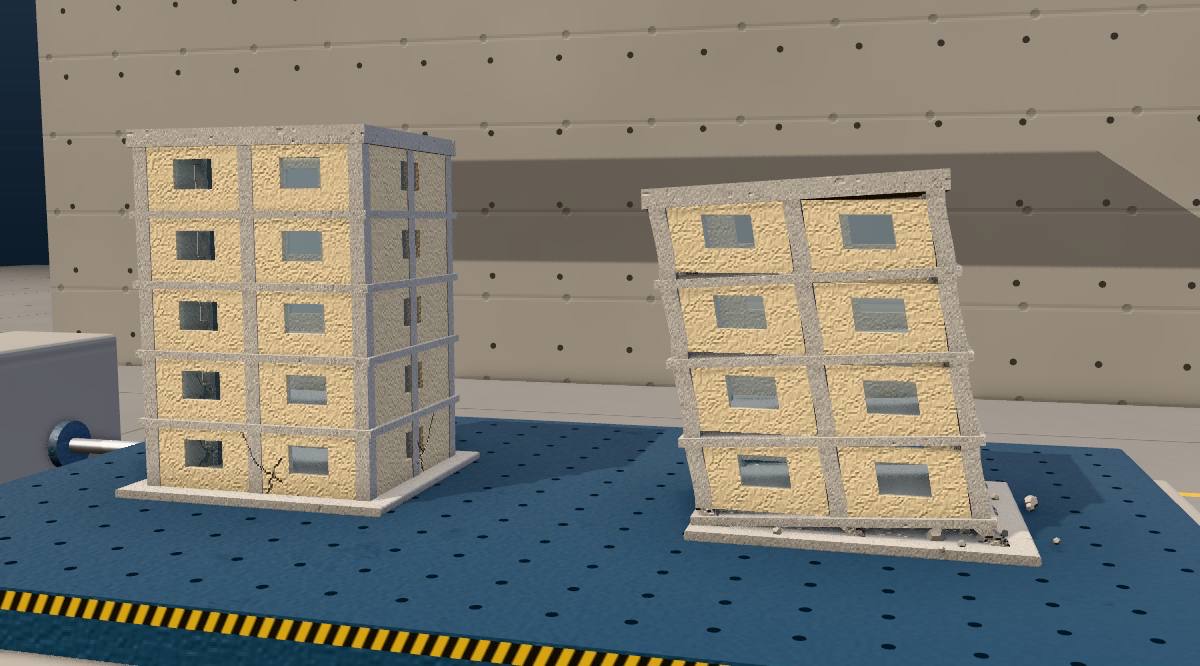
Earthquake-proof buildings

Why do some buildings fall in an earthquake while the one next door stays standing?

Launch ↗Teacher notes
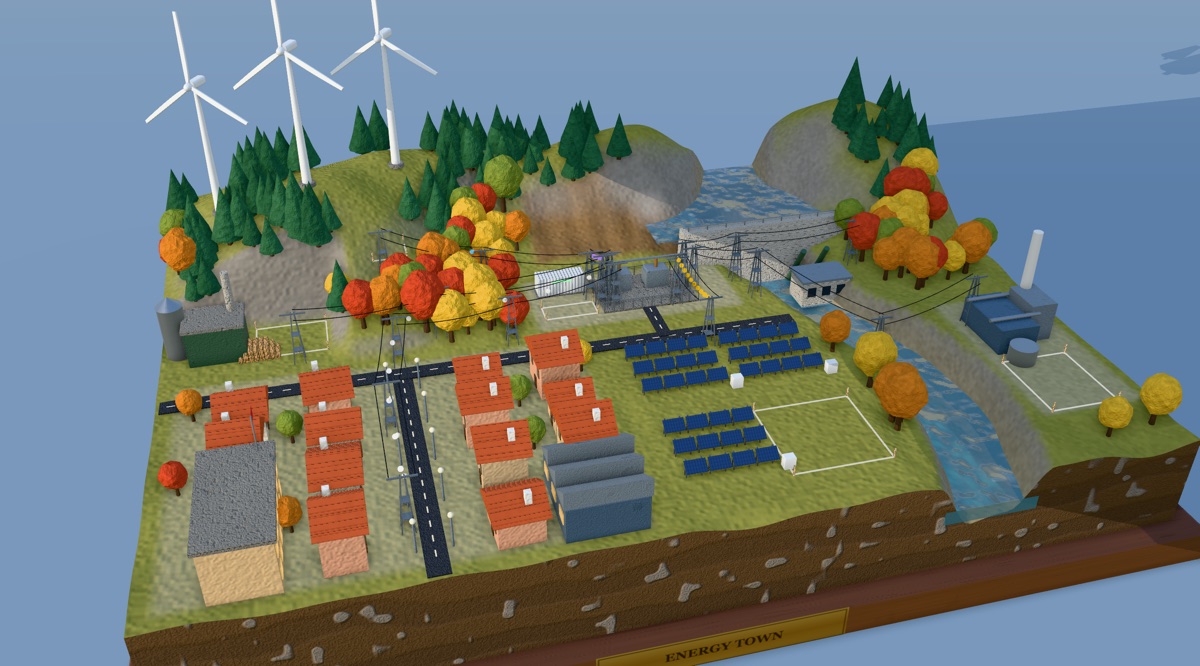
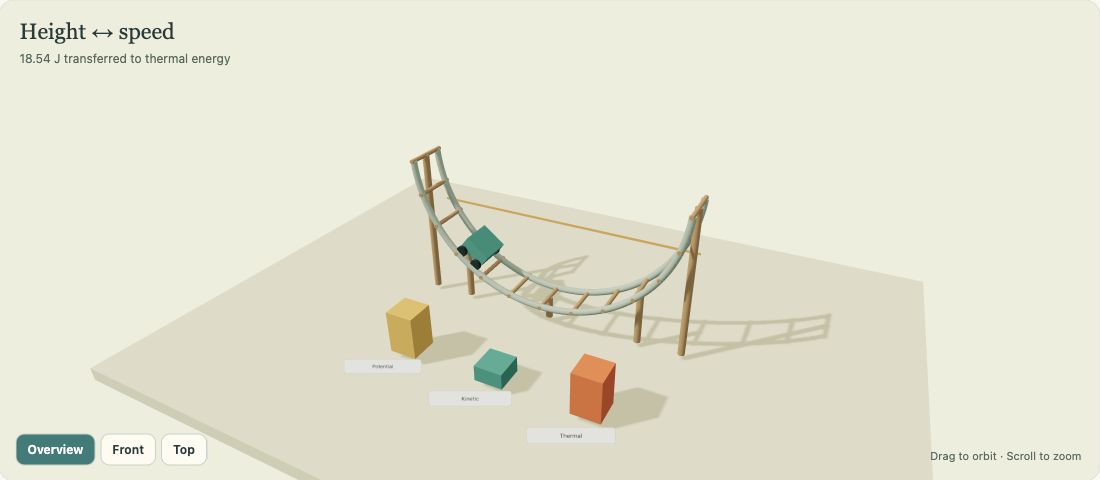
FreeEnergy sources10–20 min · Ages 9–16

Energy town

Can you keep a town's lights on all day and all year without filling the sky with CO₂?

Launch ↗Teacher notes
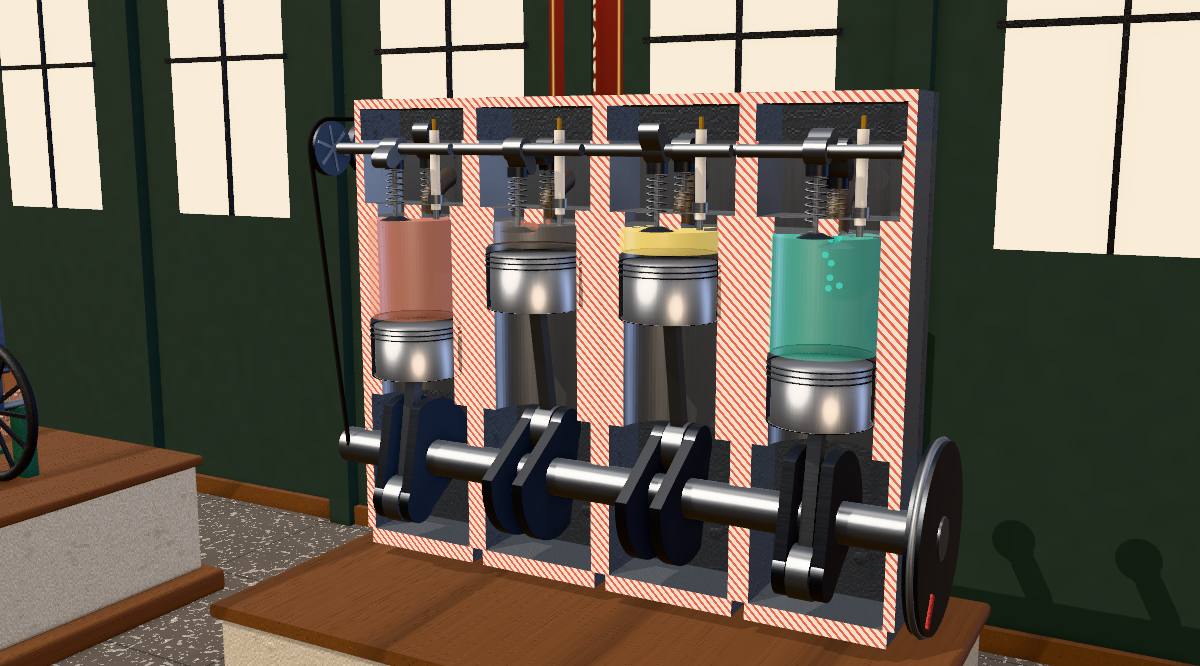
FreeEngines and energy conversion10–20 min · Ages 10–16

Engines: how they work

How does burning fuel — or steam, or electricity — end up turning a wheel?

Launch ↗Teacher notes
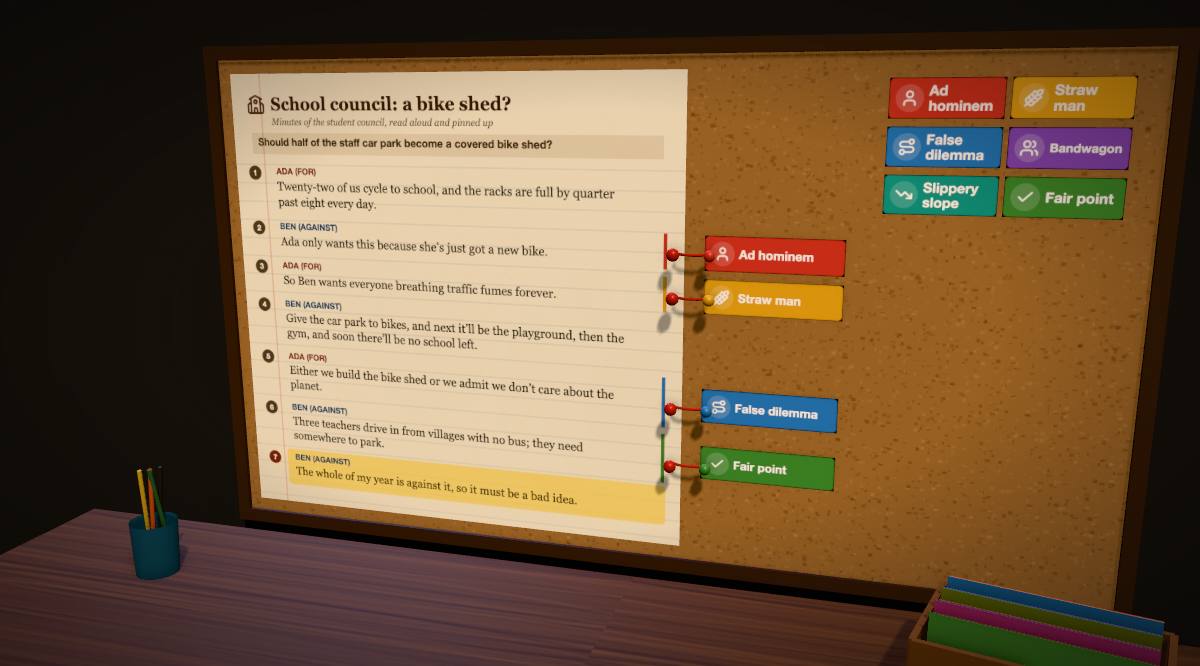
FreeArguments and fallacies10–20 min · Ages 12–18

Fallacy detective

Is that a good argument?

Launch ↗Teacher notes
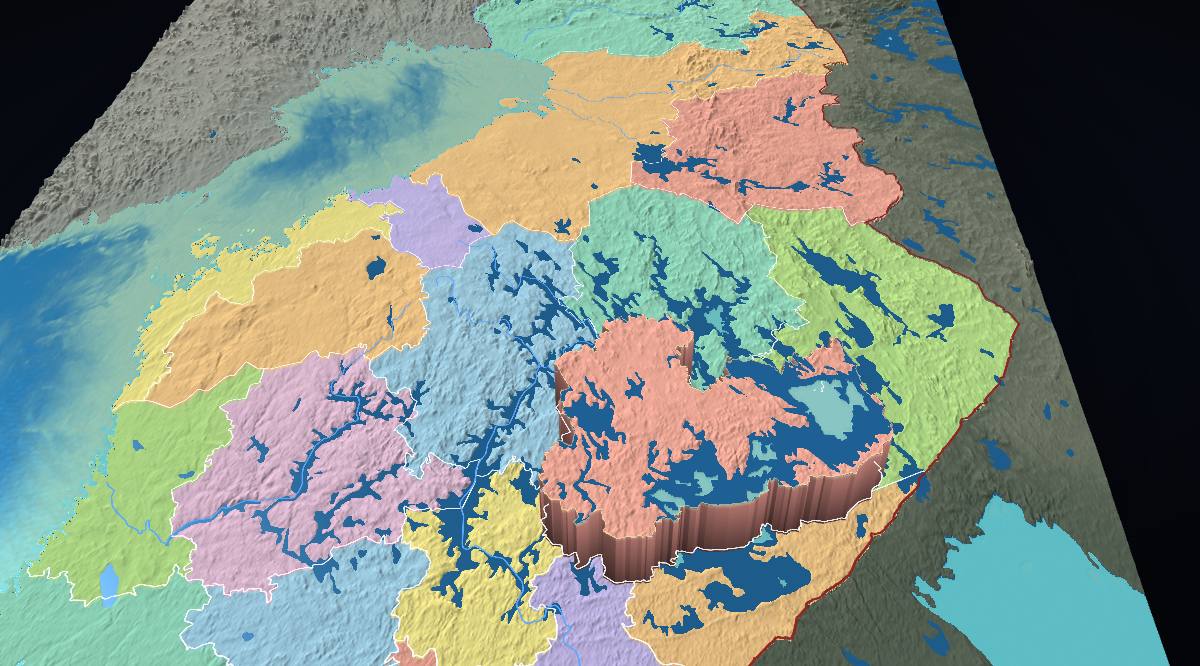
FreePolitical geography10–20 min · Ages 9–14

Finland region by region

Why is Finland divided into 19 regions — and why does Åland govern itself?

Launch ↗Teacher notes
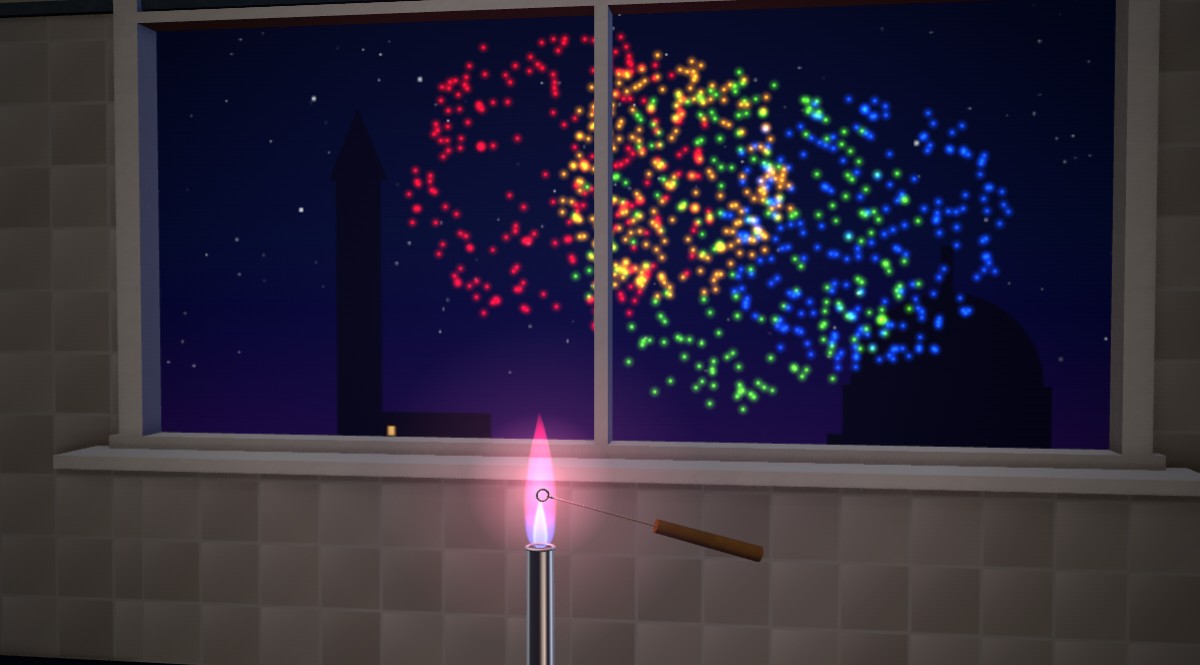
FreeCombustion and oxidation10–20 min · Ages 8–16

Fire and combustion

What is a flame made of — and why does a candle go out under a glass?

Launch ↗Teacher notes
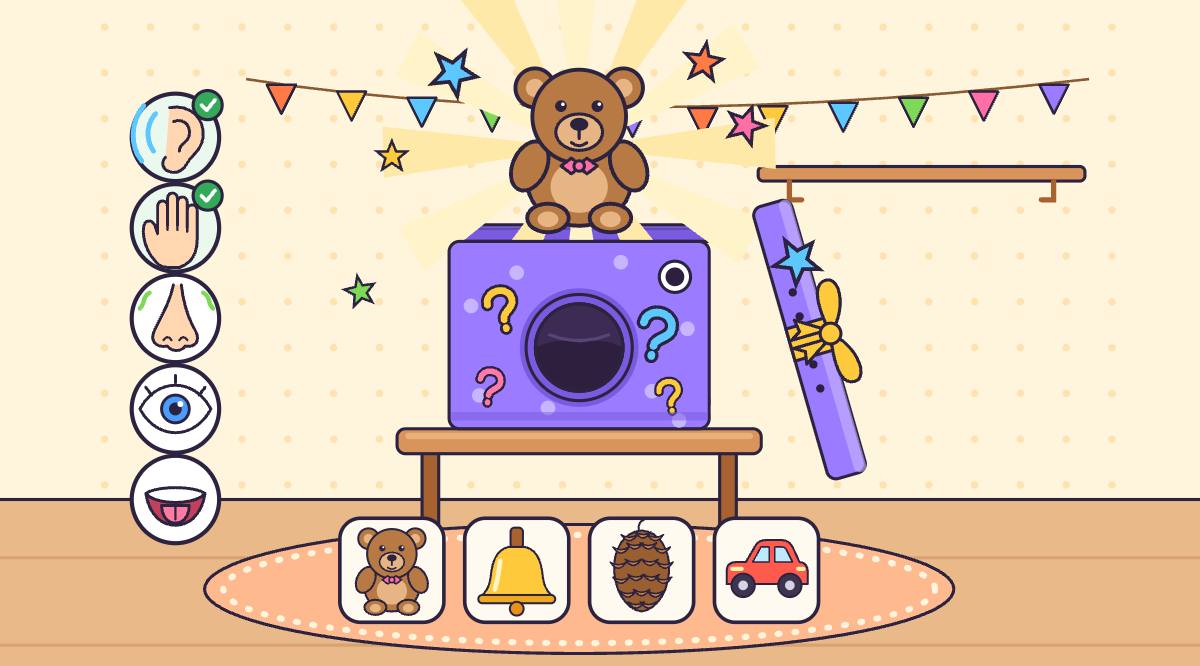
FreeOur senses: seeing, hearing, smelling, tasting and touching10–20 min · Ages 4–7

Five senses

What’s in the mystery box?

Launch ↗Teacher notes
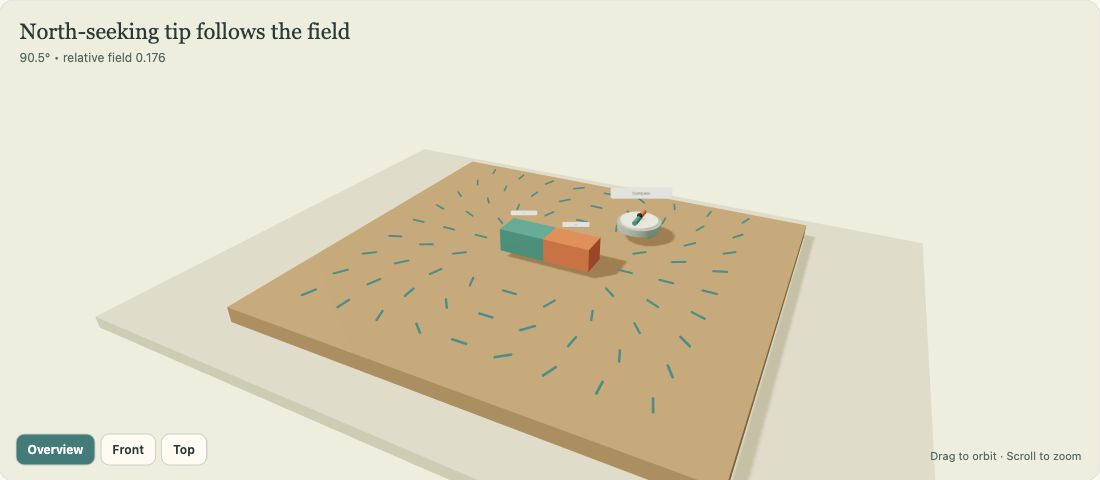
FreeElectricity & magnetism10–20 min · Ages 9–12

Follow a compass

What does a compass reveal around a magnet?

Launch ↗Teacher notes
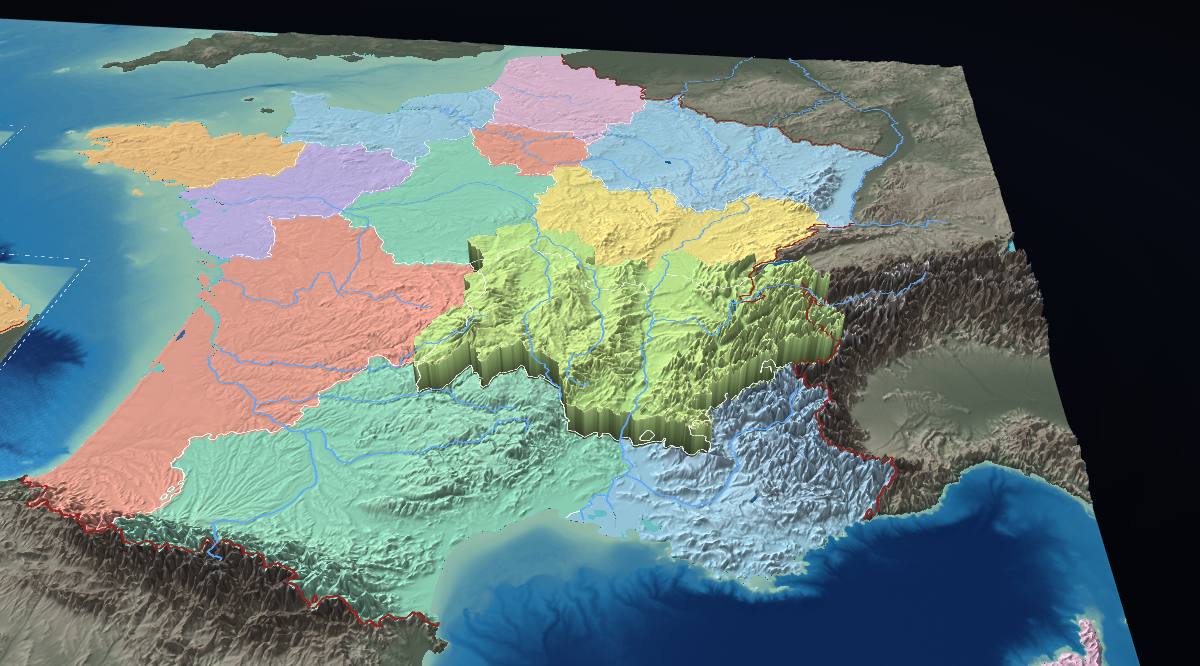
FreePolitical geography10–20 min · Ages 9–14

France region by region

Why is France divided into 18 regions — and why are five of them on the other side of the world?

Launch ↗Teacher notes
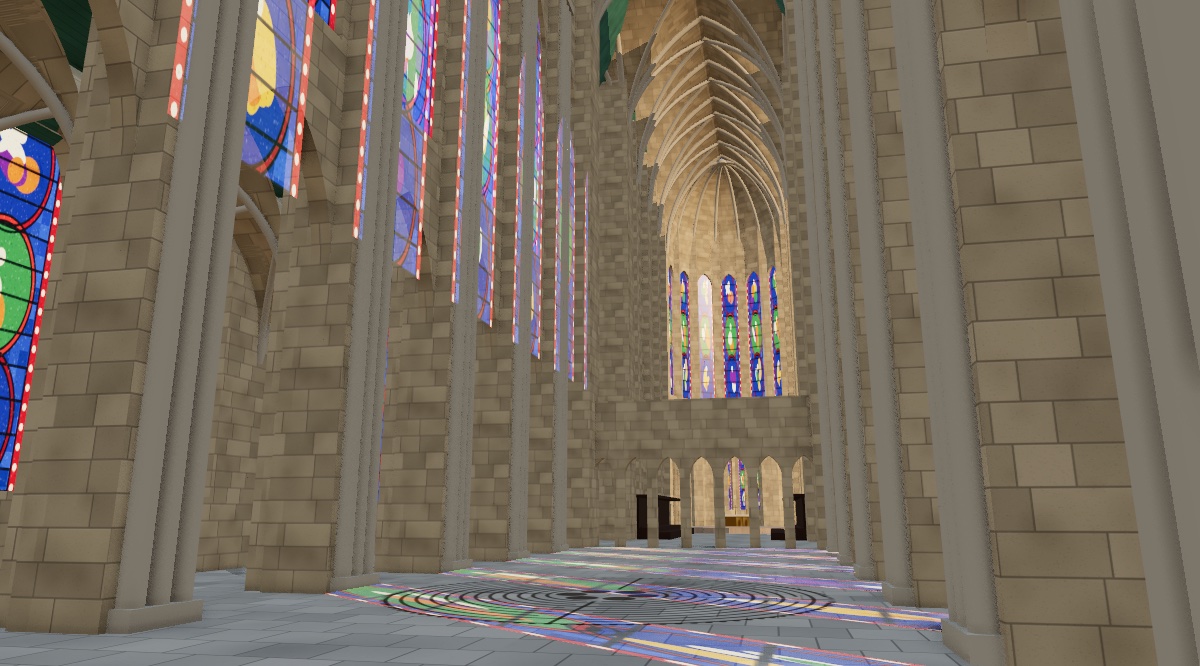
FreeArchitecture: Romanesque and Gothic churches10–20 min · Ages 9–16

From Romanesque to Gothic

How did churches go from thick dark walls to walls of glass?

Launch ↗Teacher notes
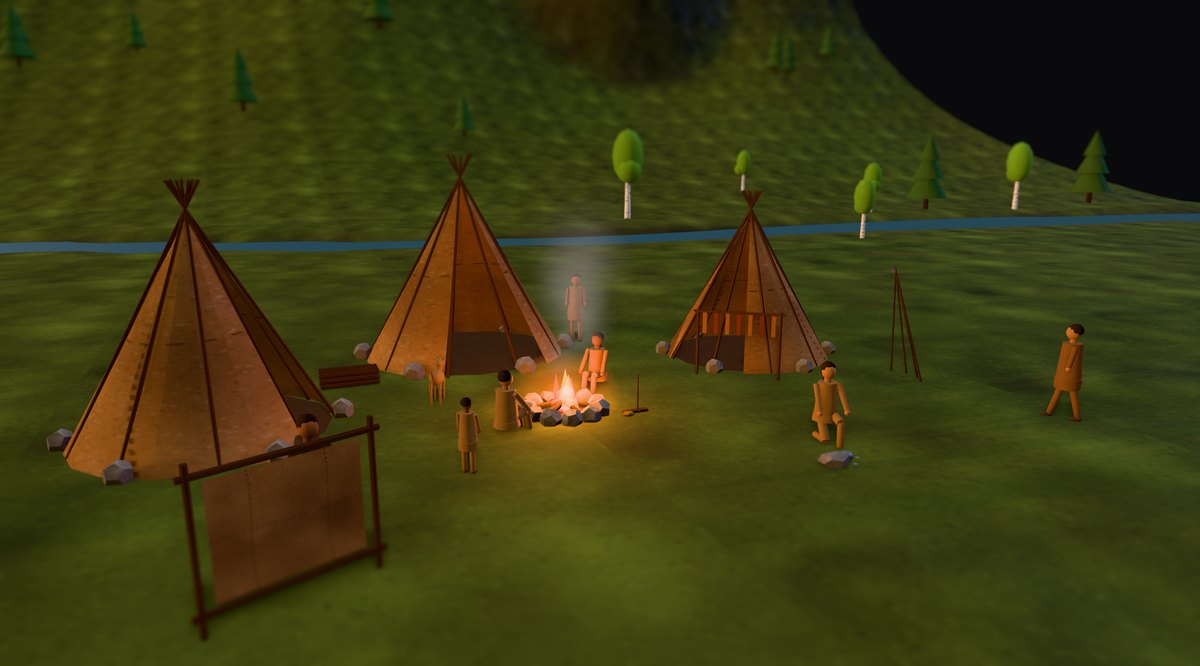
FreePrehistory: from the Palaeolithic to the Neolithic10–20 min · Ages 7–12

From the Stone Age to the first farms

How did people live before farms and towns — and what changed when they started growing their own food?

Launch ↗Teacher notes
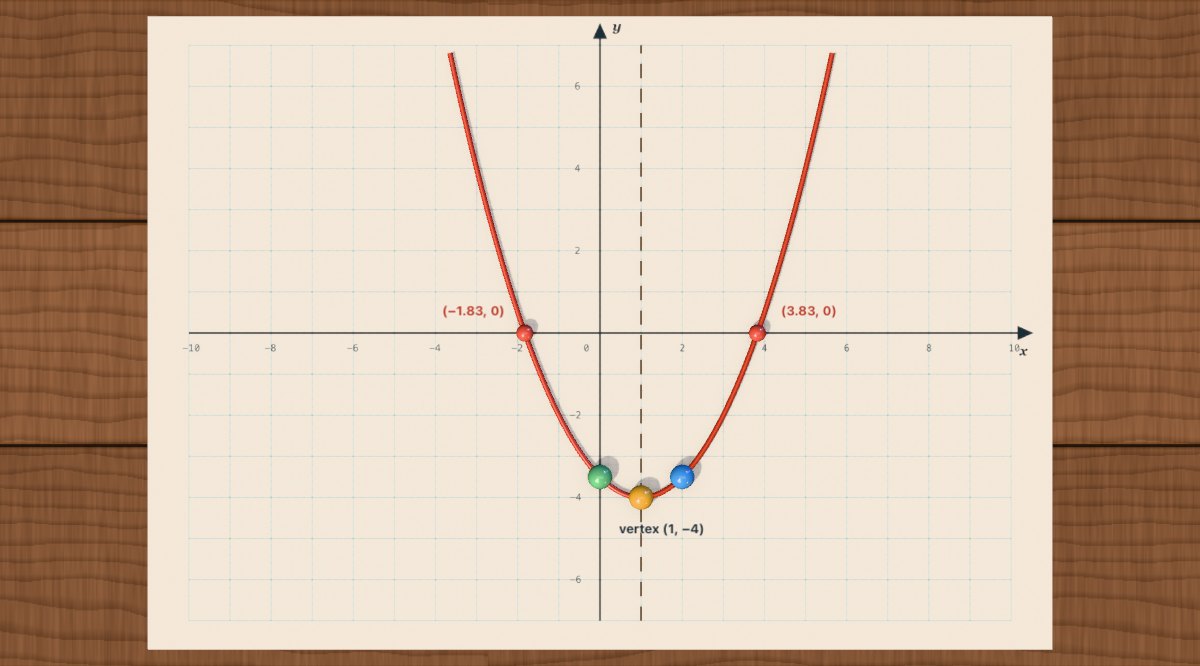
FreeGraphs and functions10–20 min · Ages 11–16

Function grapher

If you bend the graph, what happens to the equation — and the other way round?

Launch ↗Teacher notes
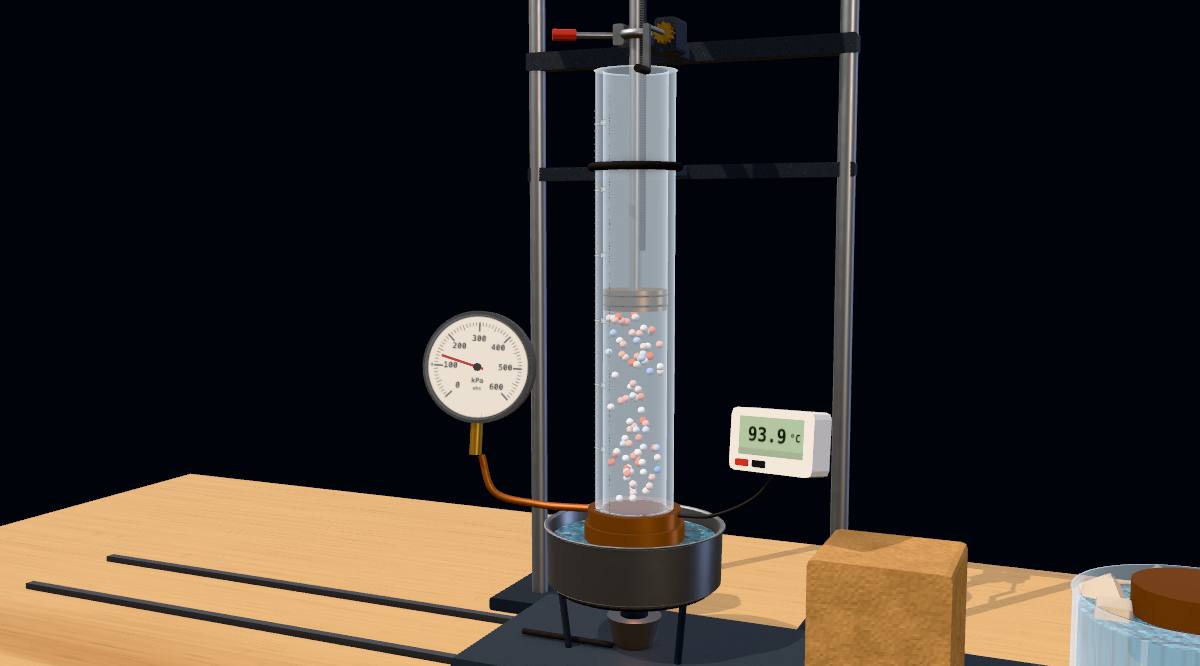
FreeThermodynamics: gases and heat engines10–20 min · Ages 13–19

Gases and heat engines

How does a cylinder of hot air lift a weight, and why can no engine turn all of its heat into work?

Launch ↗Teacher notes
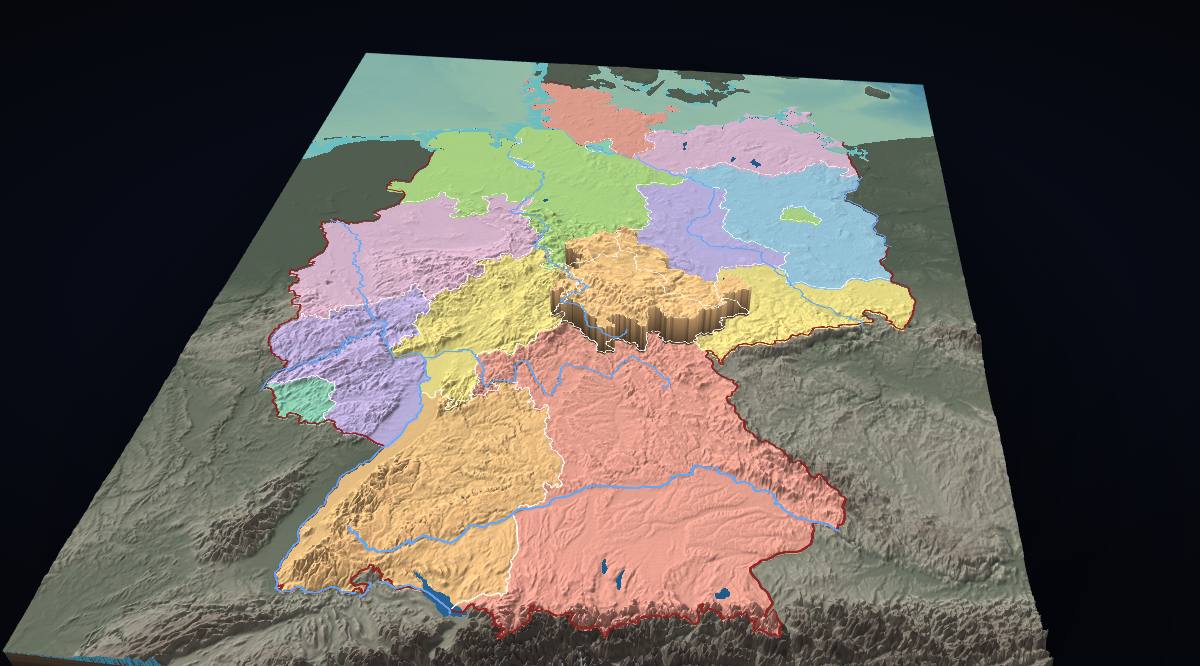
FreePolitical geography10–20 min · Ages 9–14

Germany Land by Land

Why is Germany made of 16 Länder — and what does a Land decide for itself?

Launch ↗Teacher notes
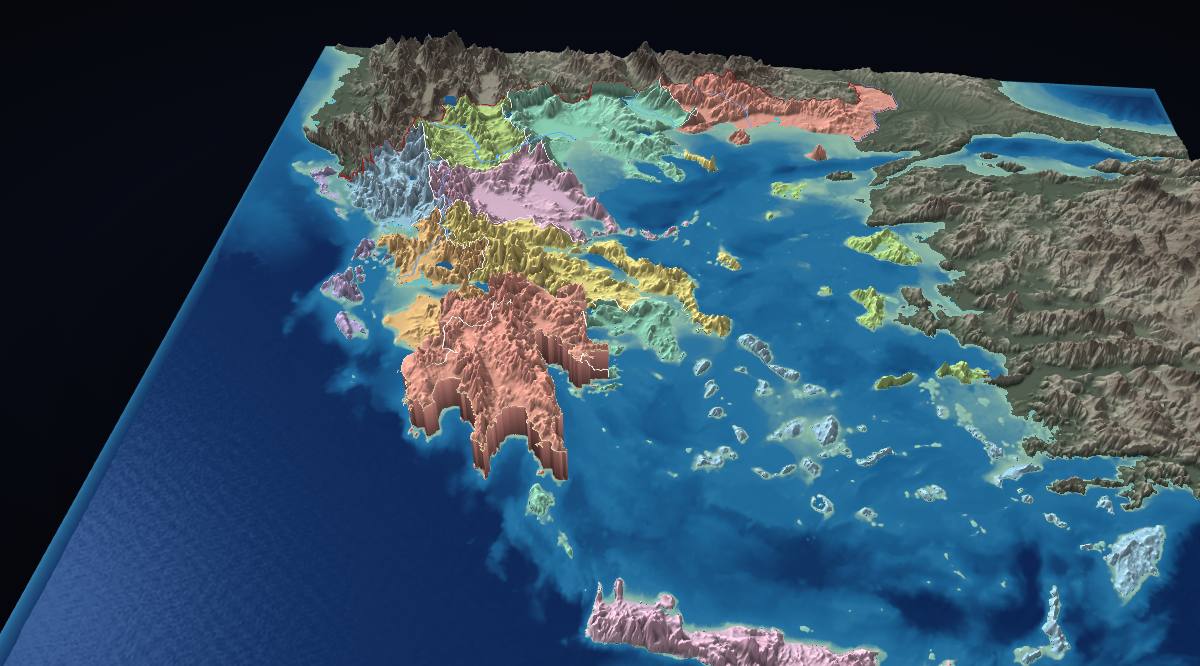
FreePolitical geography10–20 min · Ages 9–14

Greece region by region

Why is Greece drawn as 13 regions — and why does Mount Athos govern itself?

Launch ↗Teacher notes
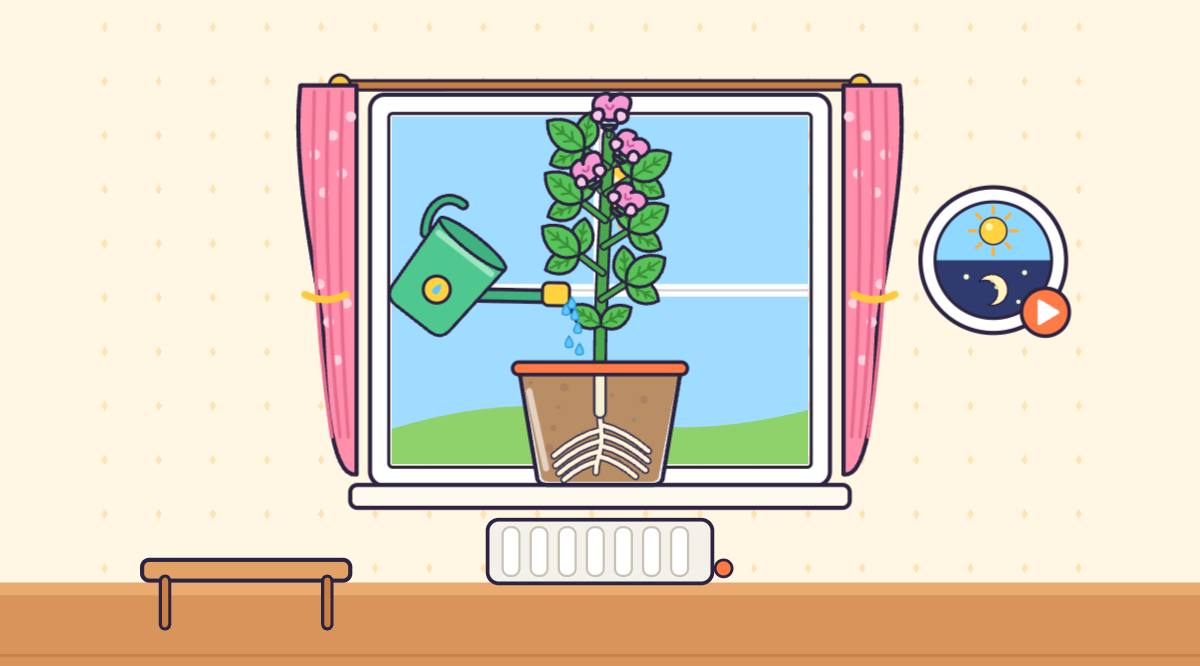
FreeLiving things: what plants need10–20 min · Ages 4–7

Grow a plant

What does a plant need to grow?

Launch ↗Teacher notes
FreeRadioactivity10–20 min · Ages 11–16

Half-life and radioactivity

If you can't predict when one atom will decay, how can we date a 5,000-year-old mummy?

Launch ↗Teacher notes
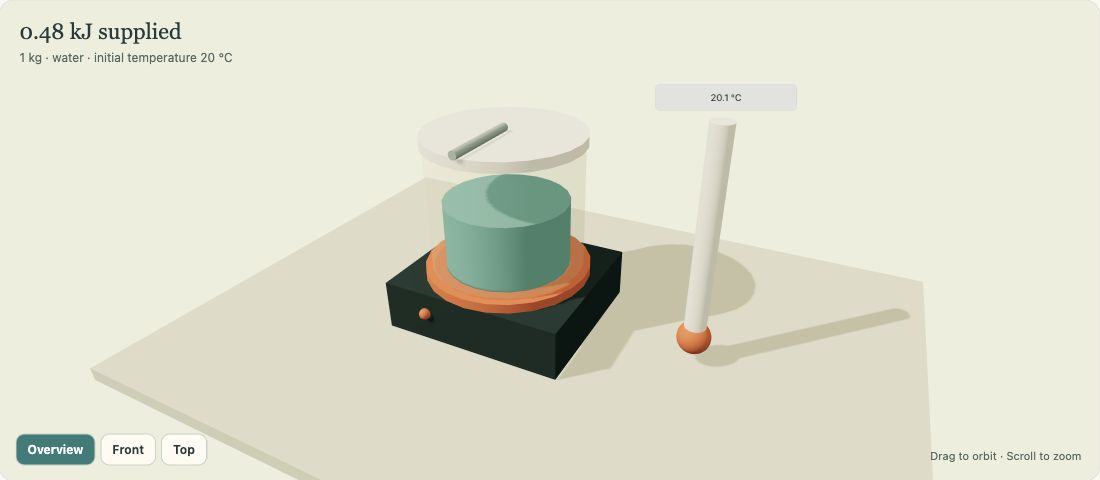
FreeEnergy & heat10–20 min · Ages 9–12

Heat is not temperature

Does equal heating produce equal temperature rises?

Launch ↗Teacher notes
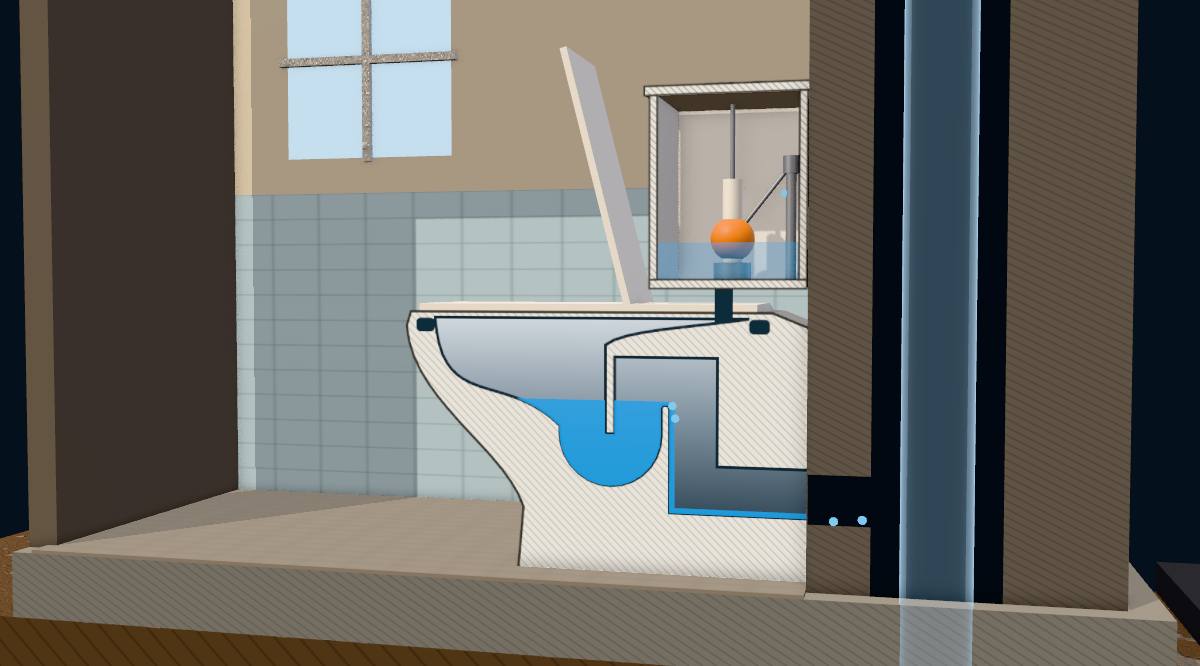
FreePlumbing: the flush, the water seal and the vent10–20 min · Ages 8–14

How a toilet flushes

Where does it all go, and why doesn’t it smell?

Launch ↗Teacher notes
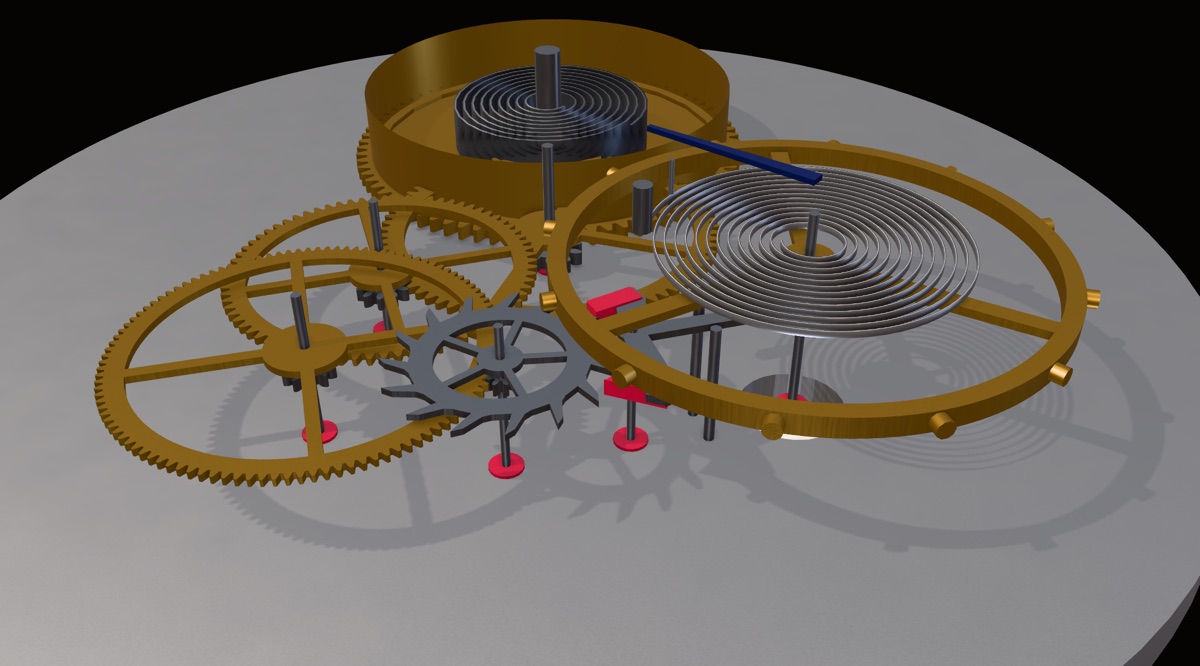
FreeMechanisms and measuring time: the escapement10–20 min · Ages 9–16

How a watch keeps time

How can a spring, a wheel and a tiny fork count every second of the day?

Launch ↗Teacher notes
FreeTransport: inventions, safety and energy10–20 min · Ages 9–16

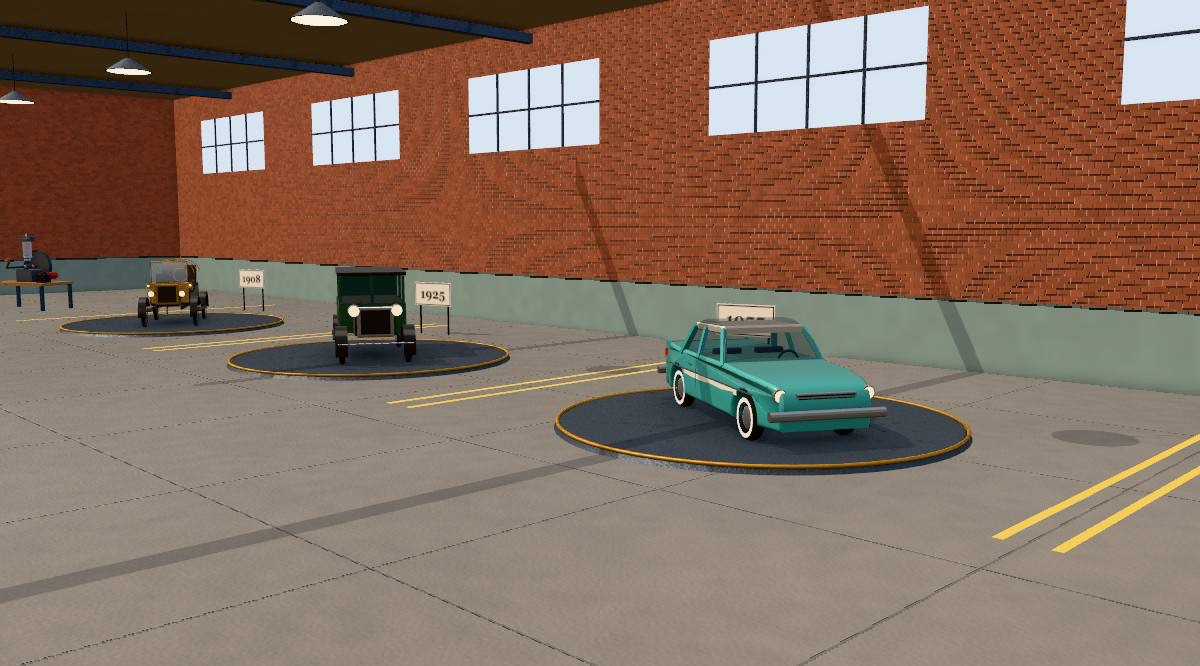
How cars got better: a century of inventions

A car of 1908 and a car of today: what really changed, and how much safer is it?

Launch ↗Teacher notes
FreeFluids10–20 min · Ages 9–12

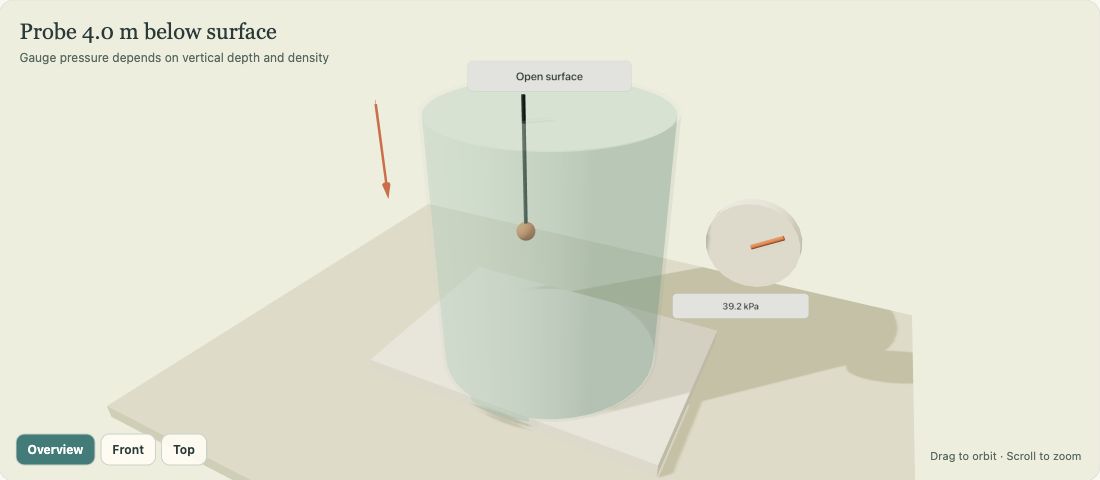
How deep is the pressure?

Does vessel shape change pressure at a depth?

Launch ↗Teacher notes
FreeHow a pin lock and its key work10–20 min · Ages 8–14

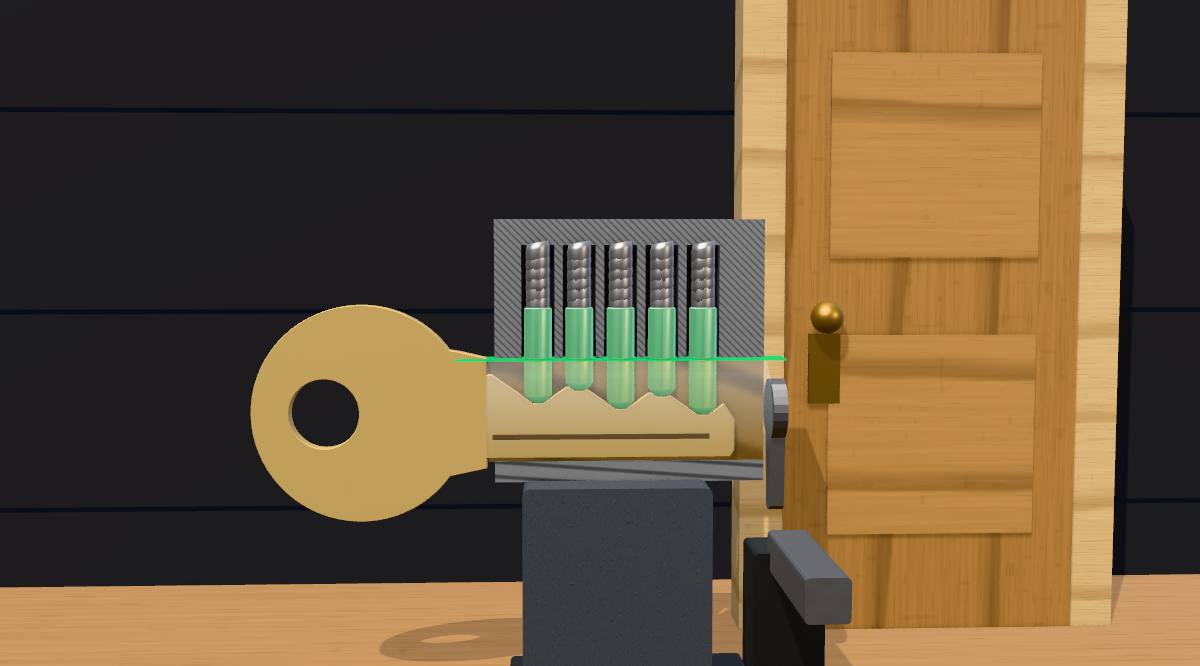
How does one key open only one door?

How does one key open only one door?

Launch ↗Teacher notes
FreeForces in air: flight10–20 min · Ages 9–16

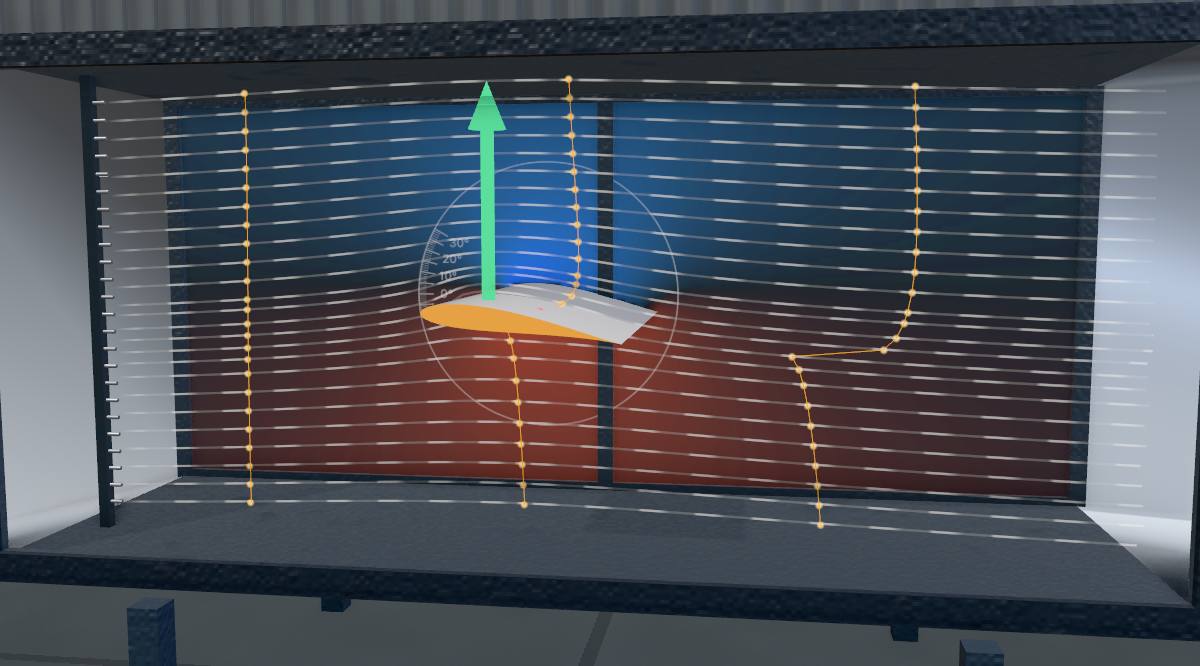
How planes fly

How can a 400-tonne aeroplane stay up in the air?

Launch ↗Teacher notes
FreeThe first writing10–20 min · Ages 7–14

How writing began

Why did people start writing — and how did a picture of an ox become the letter A?

Launch ↗Teacher notes
FreePolitical geography10–20 min · Ages 9–14

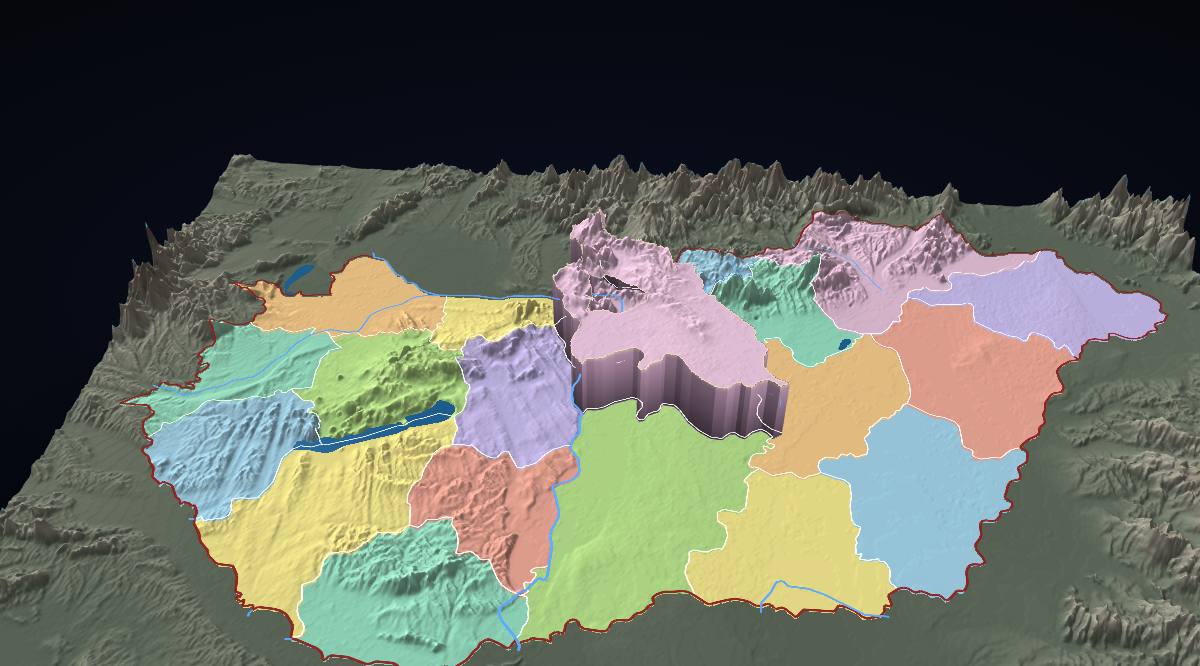
Hungary county by county

Why is Hungary so flat, and why does its capital belong to no county?

Launch ↗Teacher notes
FreePolitical geography10–20 min · Ages 9–14

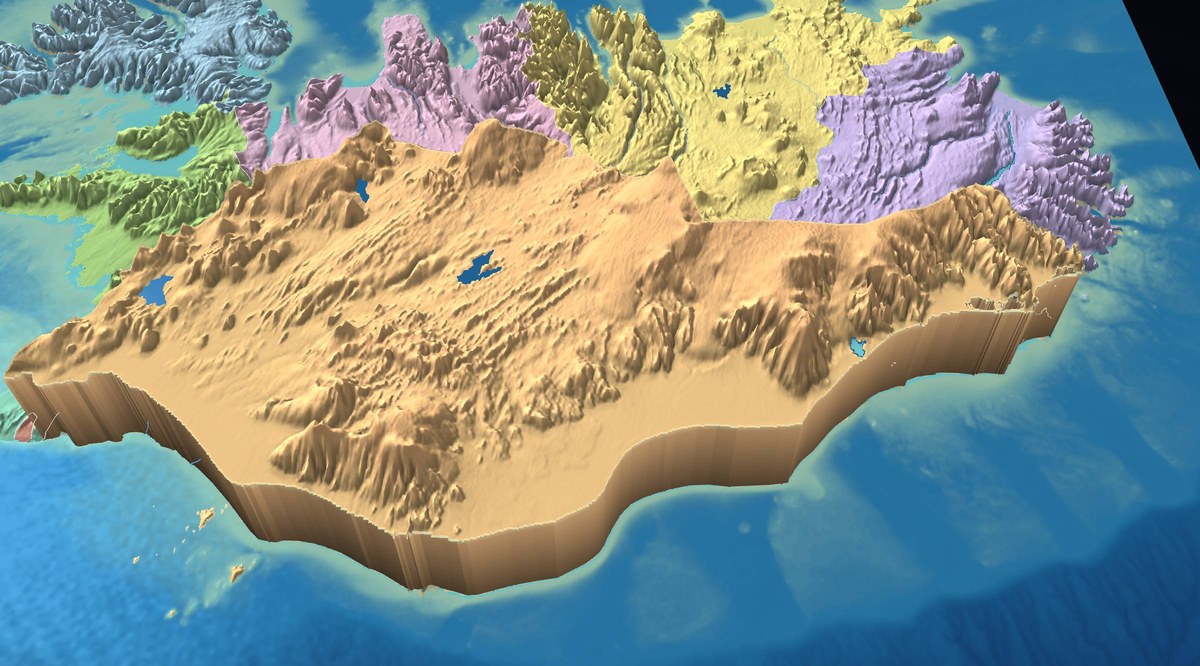
Iceland region by region

Why do almost two Icelanders in three live in one small corner of the island?

Launch ↗Teacher notes
FreeChinese painting, calligraphy and porcelain through how they were made: ink and brush, scripts and stroke order, the handscroll and its seals, Jingdezhen porcelain and its glazes, and how museums date and acquire works10–20 min · Ages 10–18

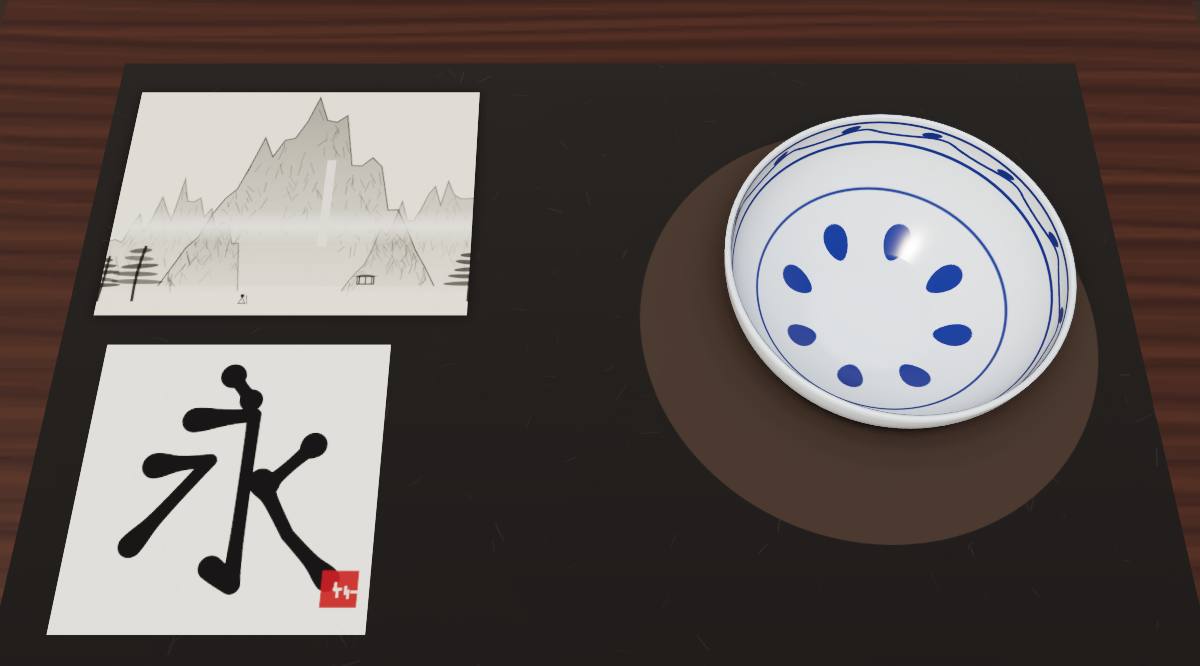
Ink and porcelain

How were Chinese paintings and porcelain made?

Launch ↗Teacher notes
FreeRefrigeration: moving heat with a boiling fluid10–20 min · Ages 10–16

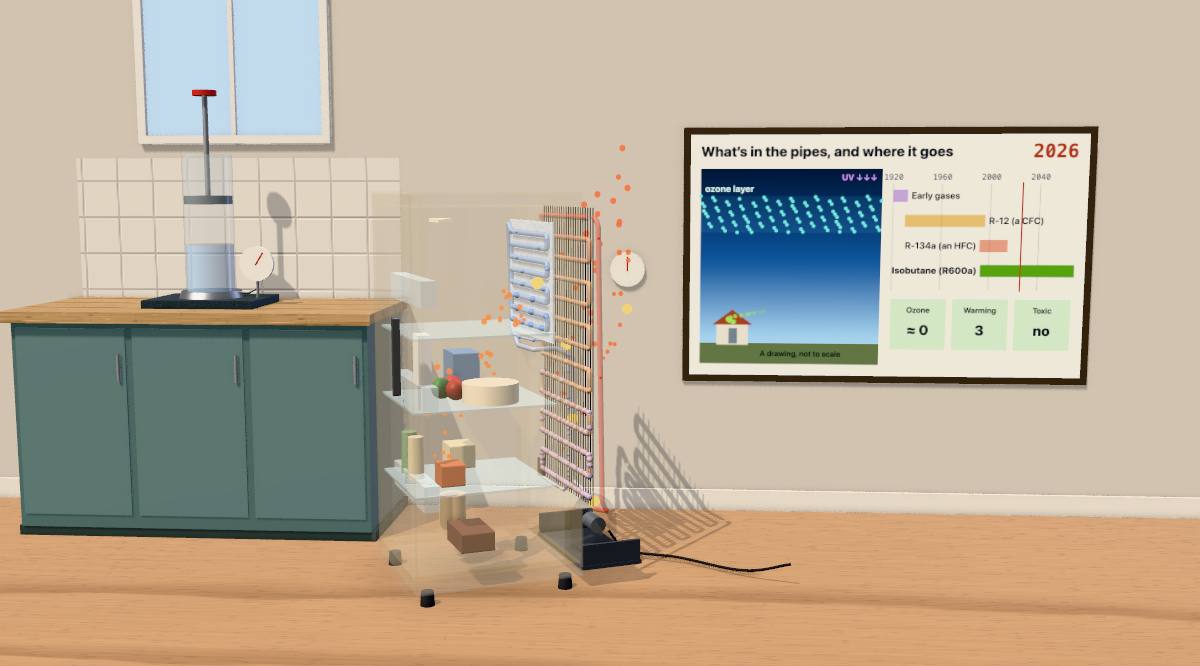
Inside a fridge

How does a box with a motor make cold?

Launch ↗Teacher notes
FreeMicrowave ovens: standing waves and heating water10–20 min · Ages 11–17

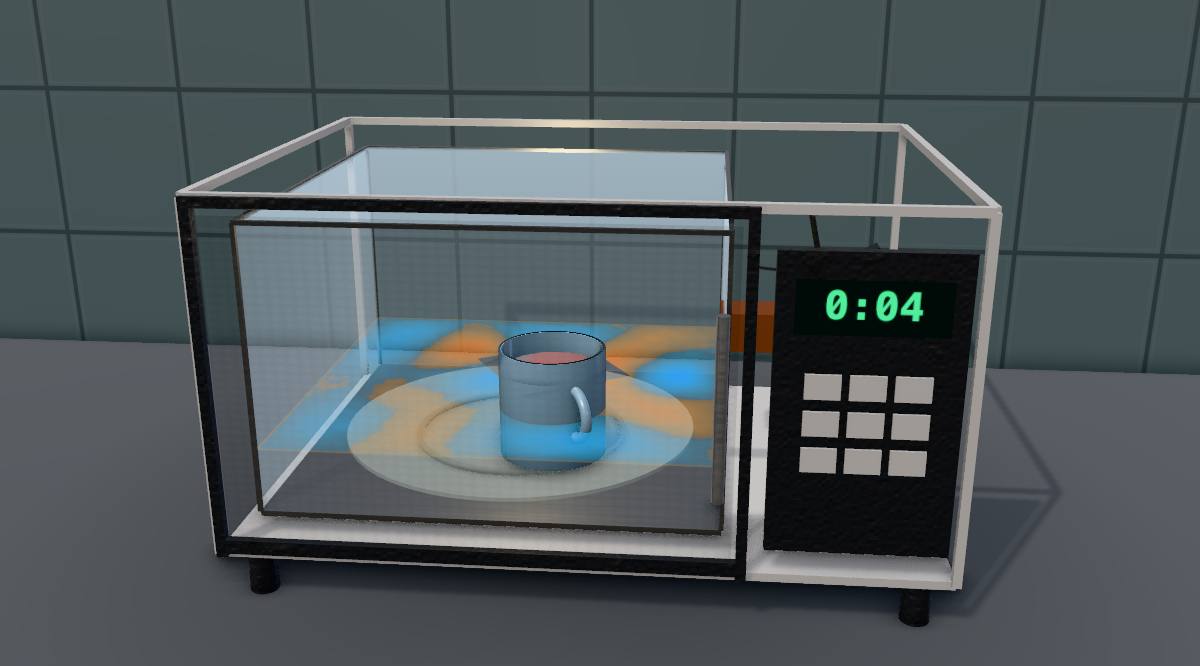
Inside a microwave

How does it heat the soup and not the plate?

Launch ↗Teacher notes
FreeElectric heating: resistance, power and a kitchen appliance10–20 min · Ages 9–15

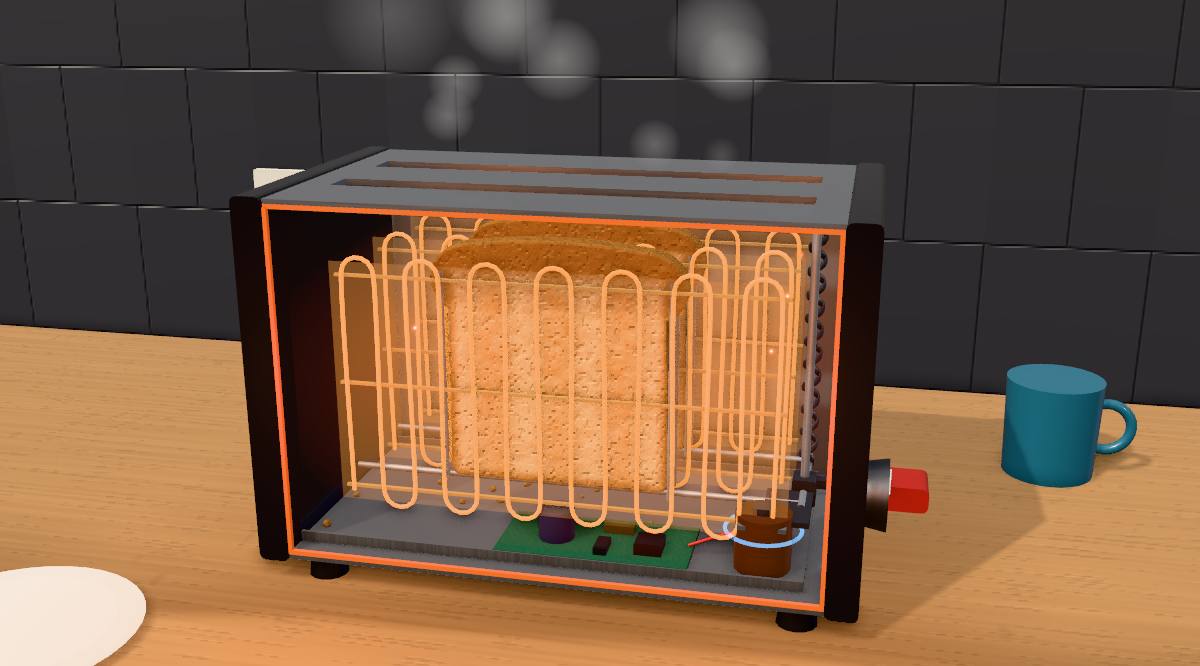
Inside a toaster

Why does the wire glow and the cord doesn’t?

Launch ↗Teacher notes
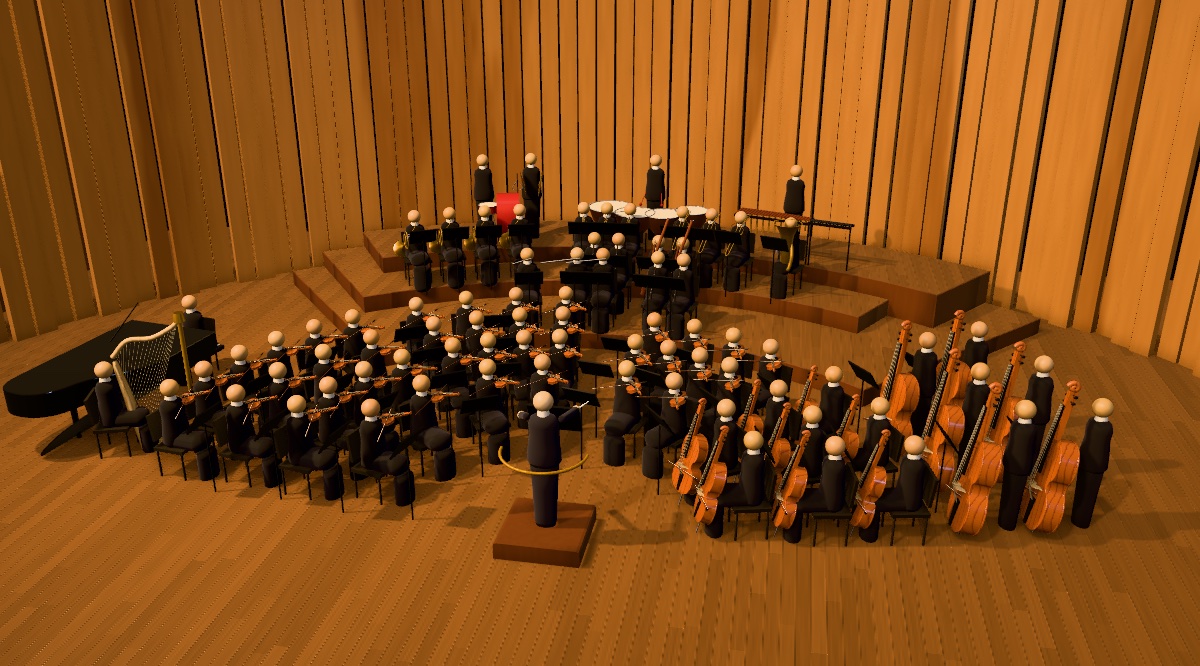
FreeInstruments and the orchestra10–20 min · Ages 6–14

Instruments of the orchestra

How many different ways can you make a sound — and how do 80 musicians play together?

Launch ↗Teacher notes
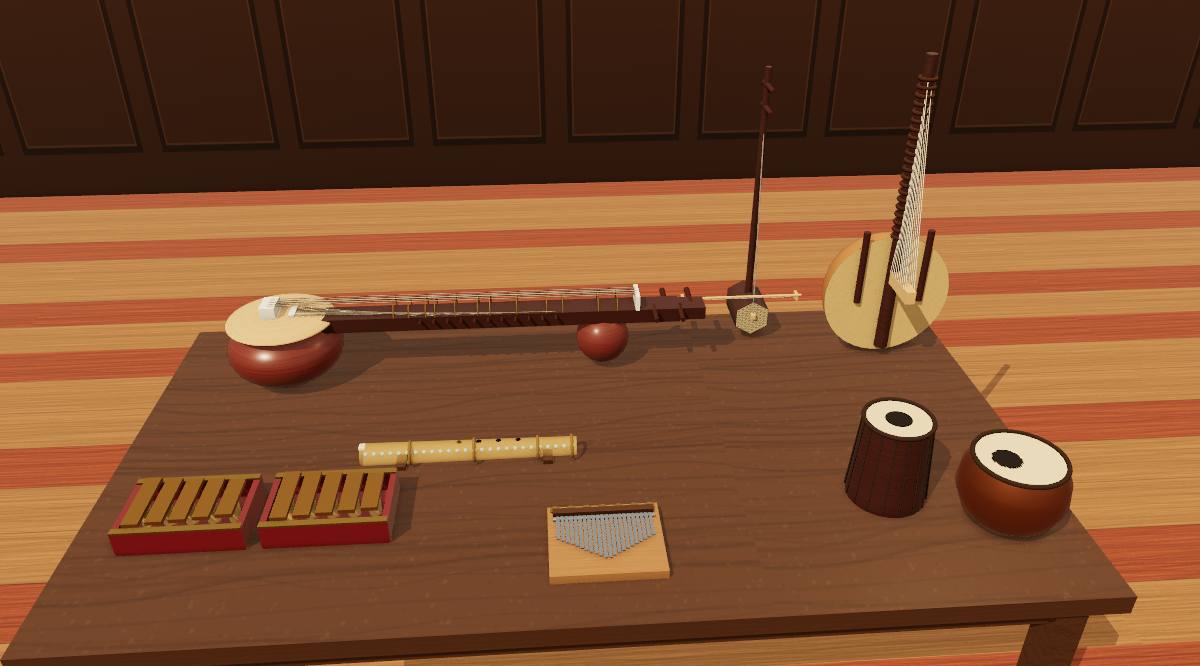
FreeHow seven instruments from five continents make their sound: what vibrates first, partials, the sitar’s buzzing bridge and sympathetic strings, the tabla’s harmonic drum, gamelan beats and the Hornbostel–Sachs families10–20 min · Ages 8–16

Instruments of the world

How do instruments of the world make their sound?

Launch ↗Teacher notes
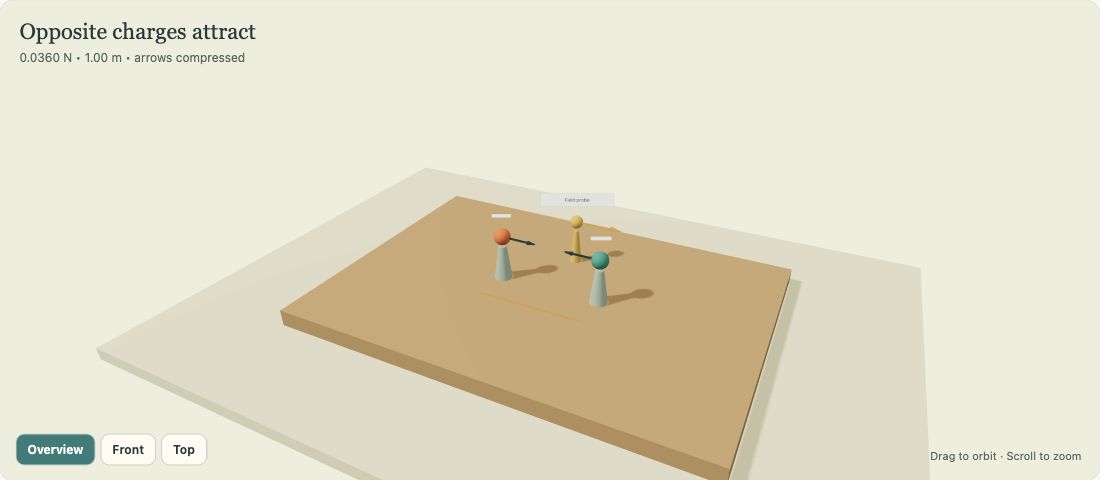
FreeElectricity & magnetism10–20 min · Ages 11–14

Invisible electric forces

What happens when two charges swap signs?

Launch ↗Teacher notes
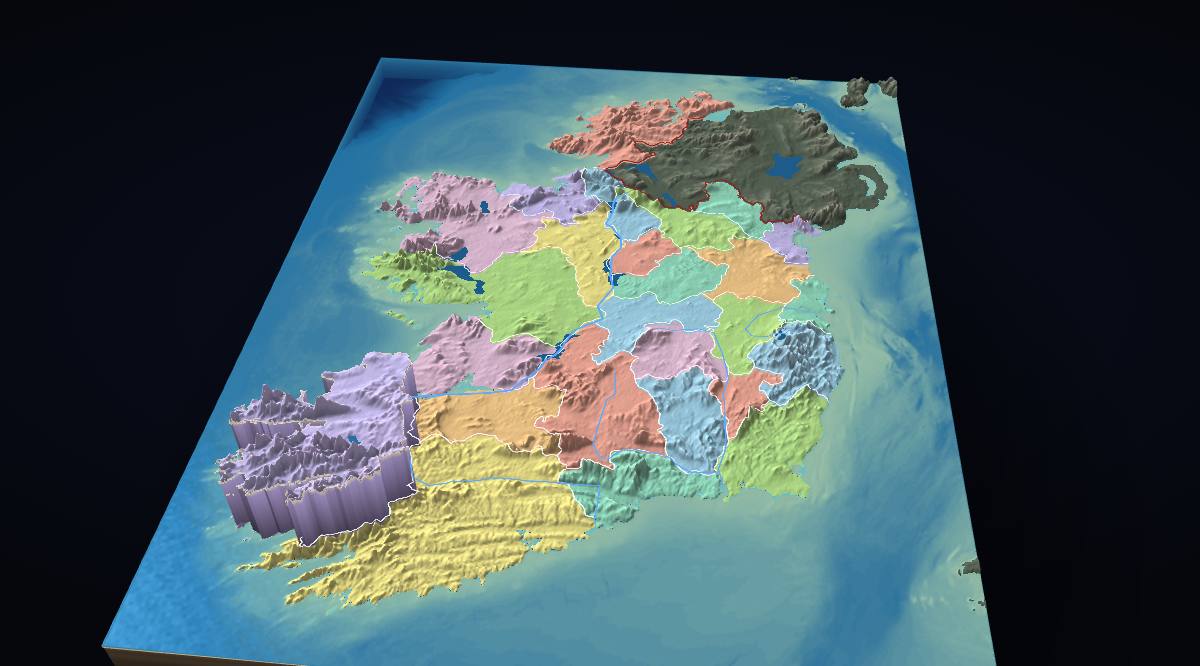
FreePolitical geography10–20 min · Ages 9–14

Ireland county by county

Why does the island of Ireland have 32 traditional counties but the State only 26, and why do those 26 counties have 31 councils?

Launch ↗Teacher notes
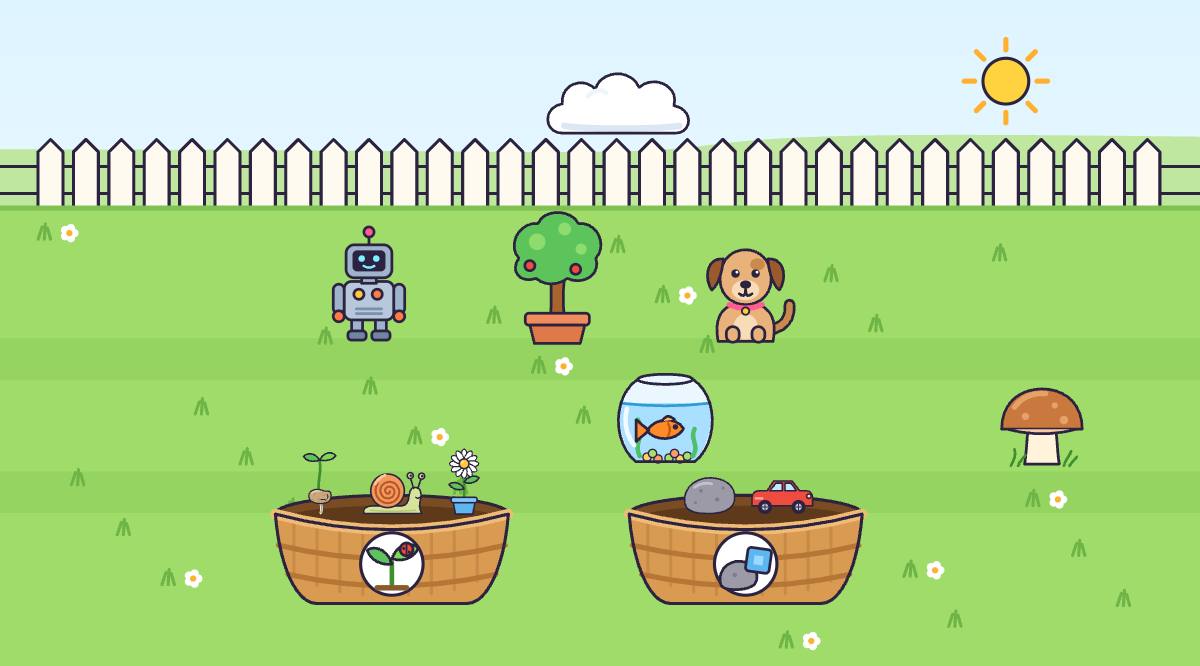
FreeLiving things: alive, once alive and never alive10–20 min · Ages 4–7

Is it alive?

How can you tell if something is alive?

Launch ↗Teacher notes
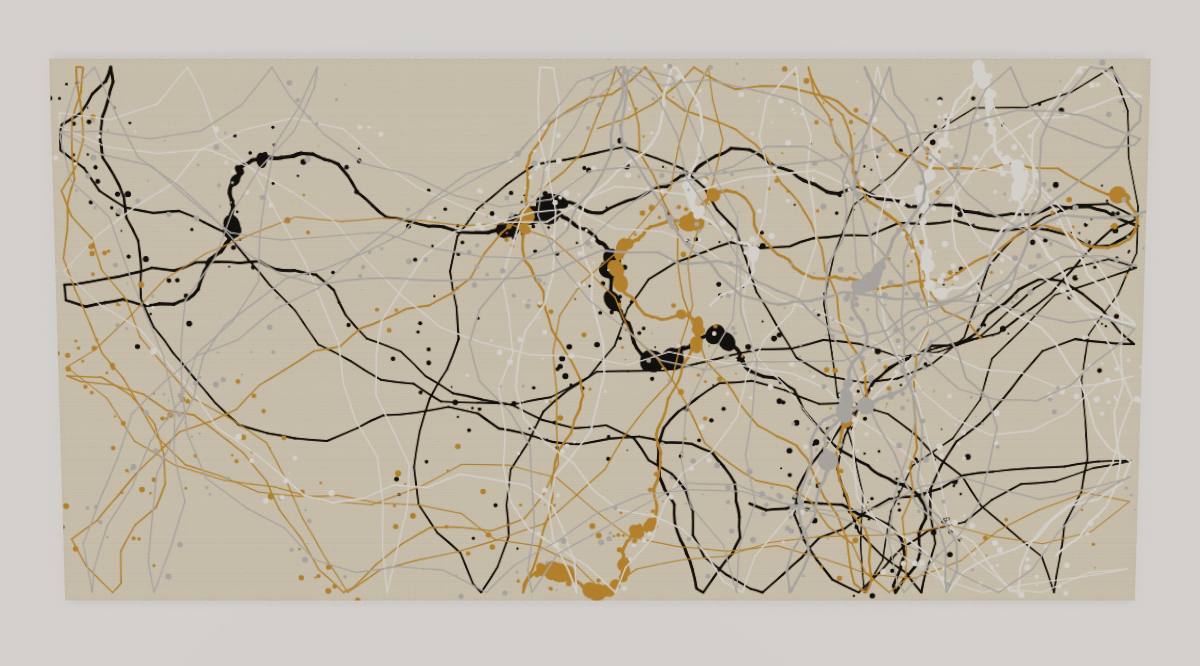
FreeArt after 1945: from Pollock to Arte Povera, and what makes something art10–20 min · Ages 13–19

Is that art?

Is that art? What did artists after 1945 make, and why did people argue about it?

Launch ↗Teacher notes
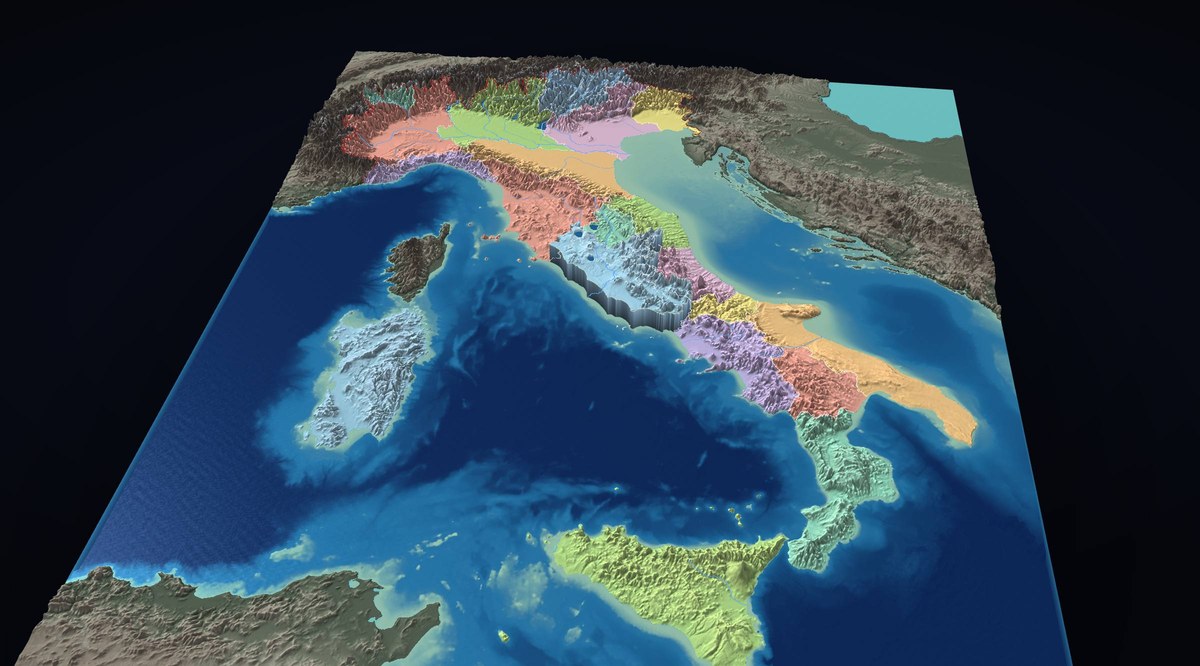
FreePolitical geography10–20 min · Ages 8–14

Italy region by region

How many regions does Italy have — and what makes each one different?

Launch ↗Teacher notes
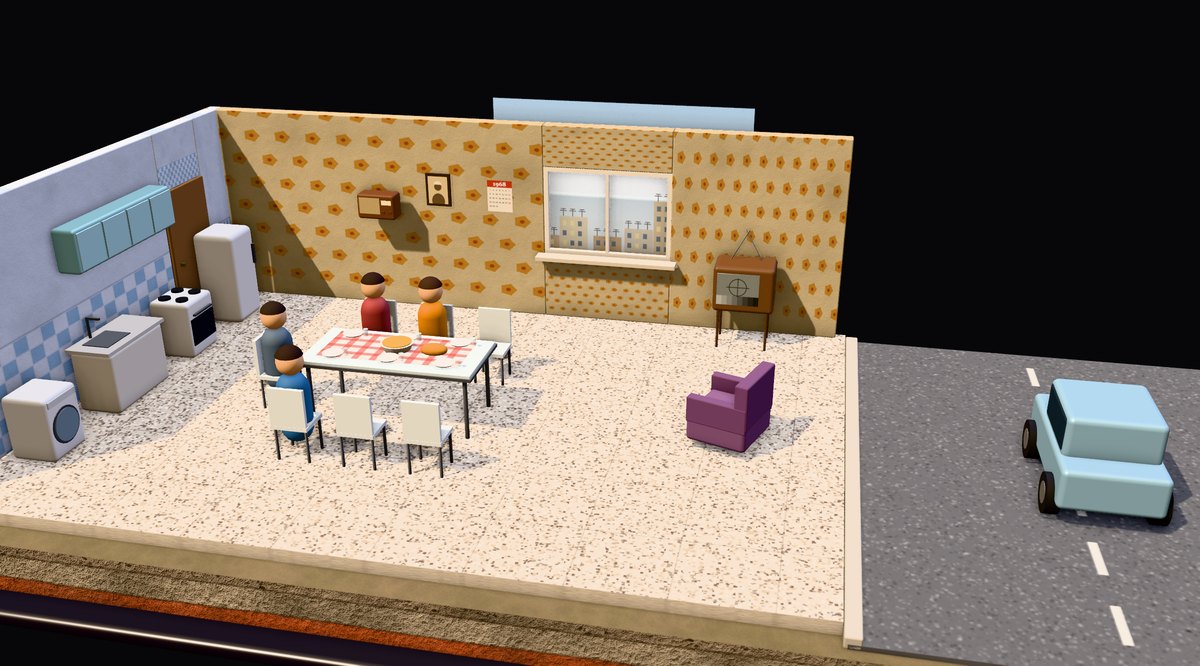
FreeThe Italian Republic and everyday life since 194810–20 min · Ages 11–17

Italy since 1948

How did a country in ruins become a rich democracy — and what changed in everyday life?

Launch ↗Teacher notes
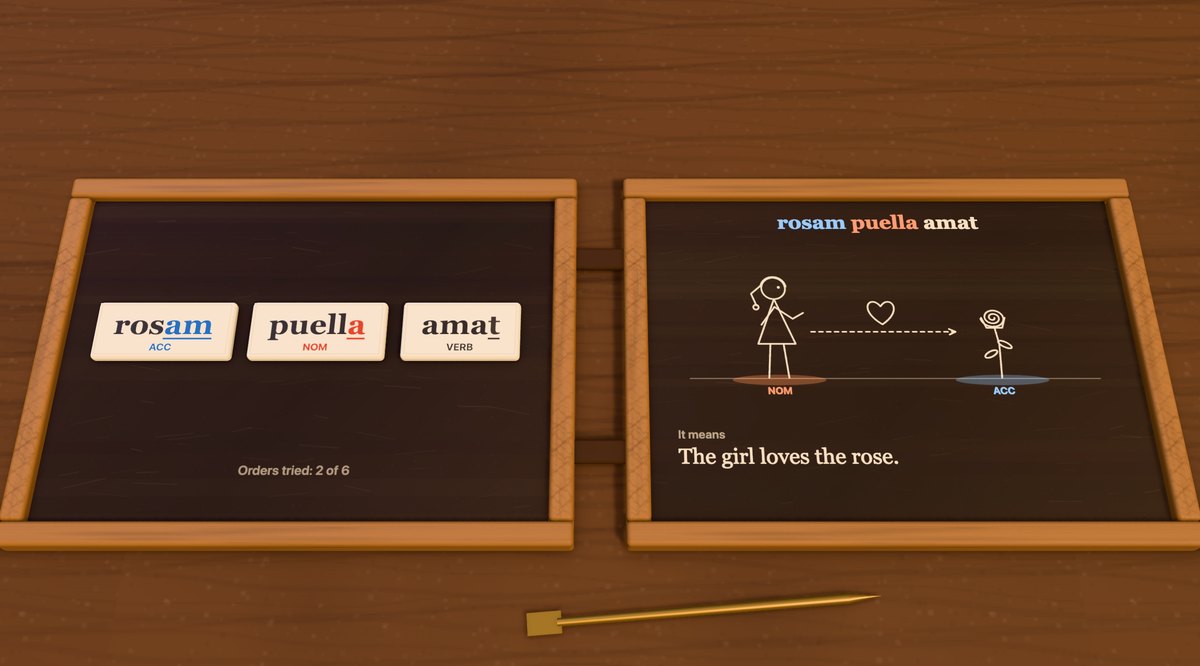
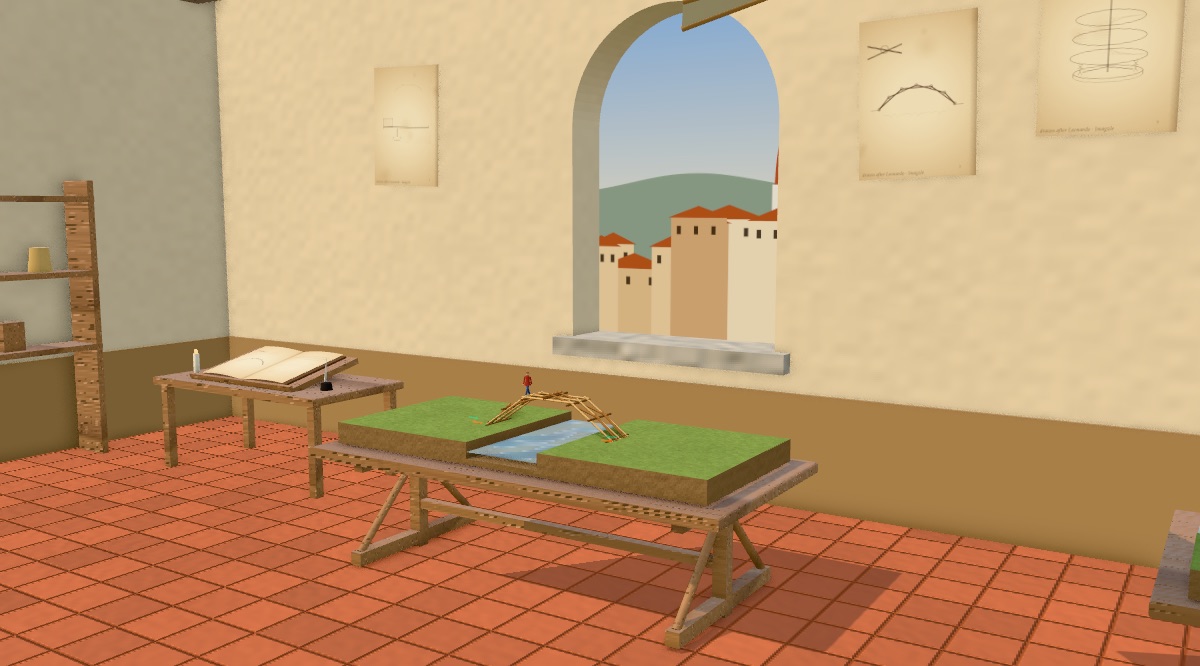
FreeLatin noun cases: free word order, endings that say who does what, the first three declensions, the ablative, and how English, Italian and Spanish do the same job10–20 min · Ages 11–18

Latin cases

How can Latin put its words in any order?

Launch ↗Teacher notes
FreeInventions and the Renaissance10–20 min · Ages 9–15

Leonardo’s workshop

Which of Leonardo da Vinci’s inventions would really have worked?

Launch ↗Teacher notes
FreeMotion & forces10–20 min · Ages 9–12

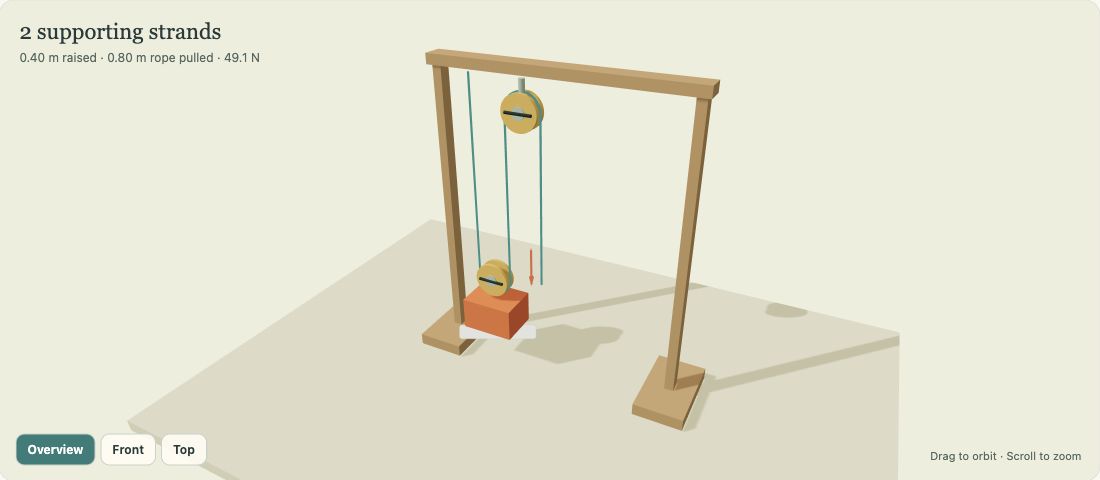
Lift with pulleys

Can less force mean less work?

Launch ↗Teacher notes
FreeQuantum physics: photons, energy levels and spectra10–20 min · Ages 13–19

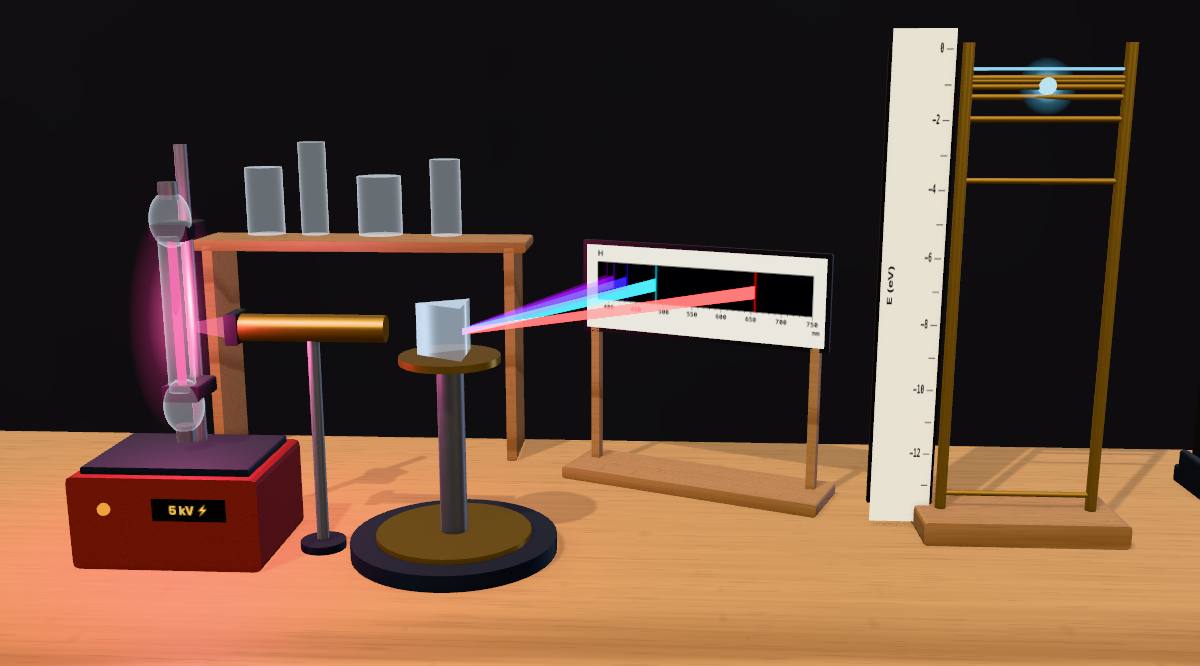
Light quanta and atoms

Why does a glowing gas shine only in a few colours, and why can red light never knock an electron out of a metal?

Launch ↗Teacher notes
FreeElectricity & magnetism10–20 min · Ages 9–12

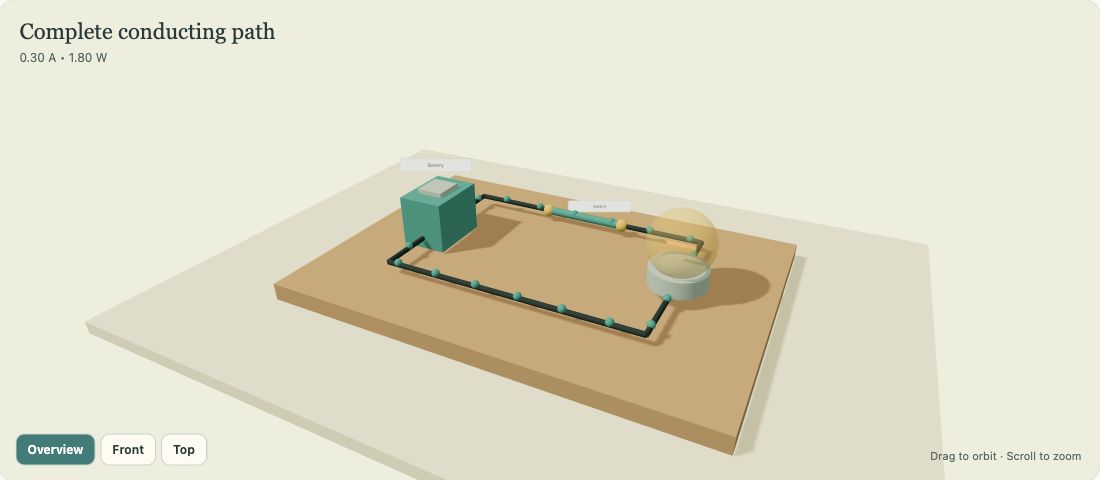
Light the circuit

Why does a bulb need a complete path?

Launch ↗Teacher notes
FreeMusical form: same, different and back again10–20 min · Ages 8–14

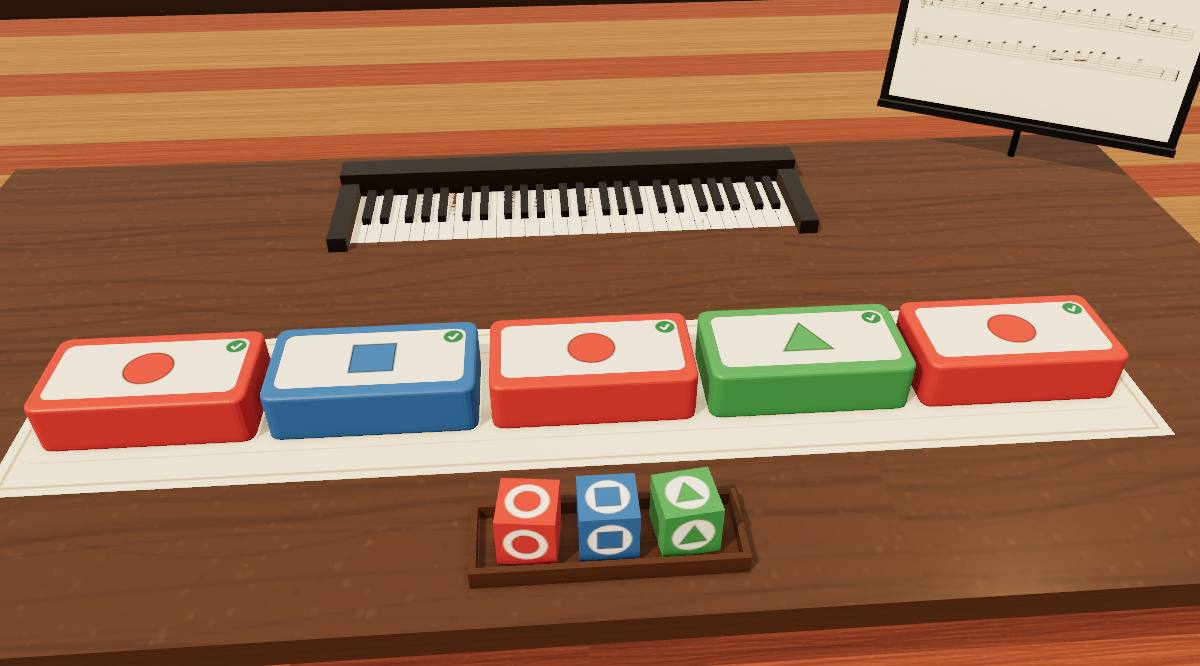
Listen for the shape

Can you hear when the tune comes back?

Launch ↗Teacher notes
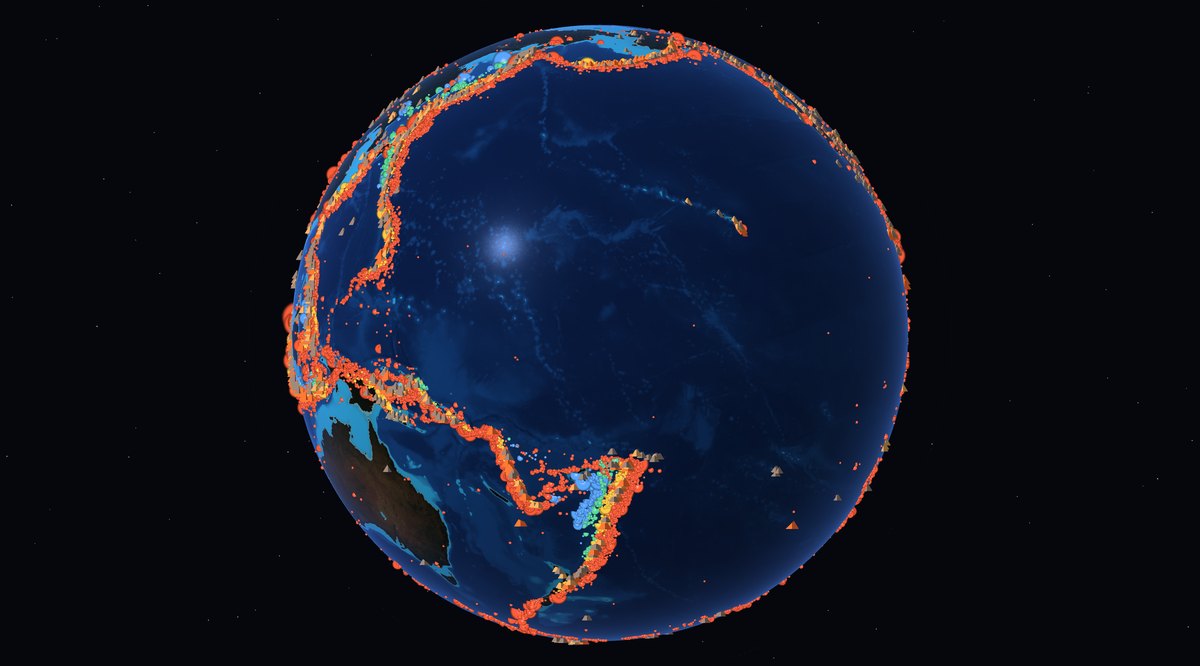
FreeEarthquakes, volcanoes and Earth's layers10–20 min · Ages 8–16

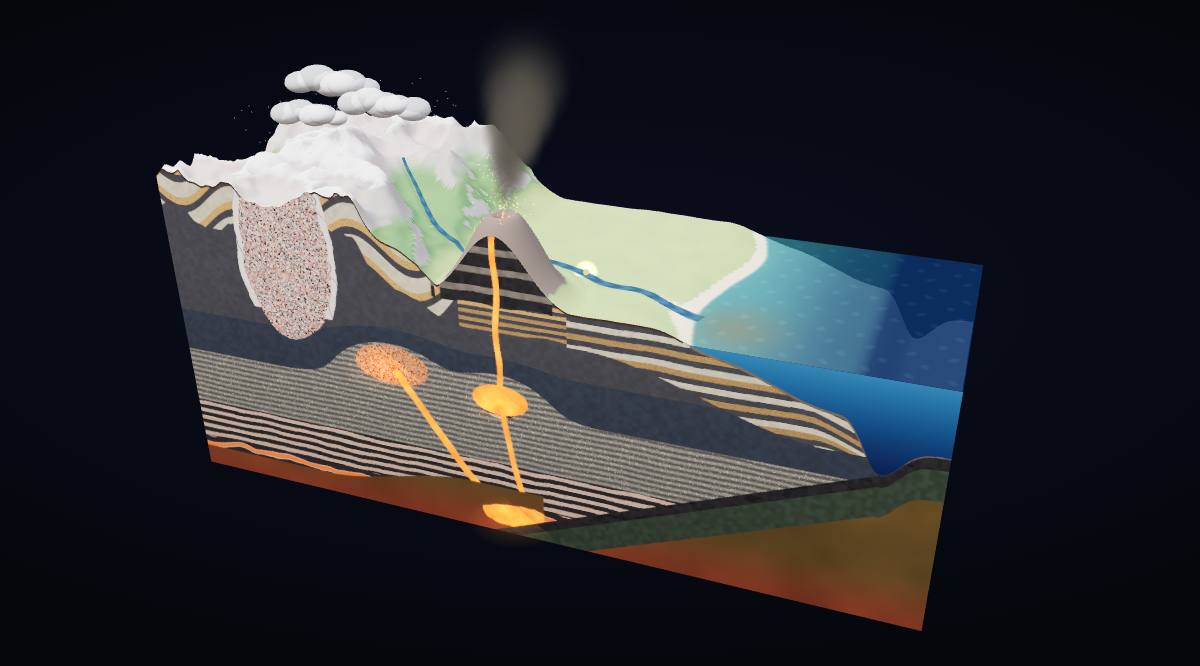
Living Earth

Why do earthquakes and volcanoes happen where they do — and how do we know what is inside the Earth?

Launch ↗Teacher notes
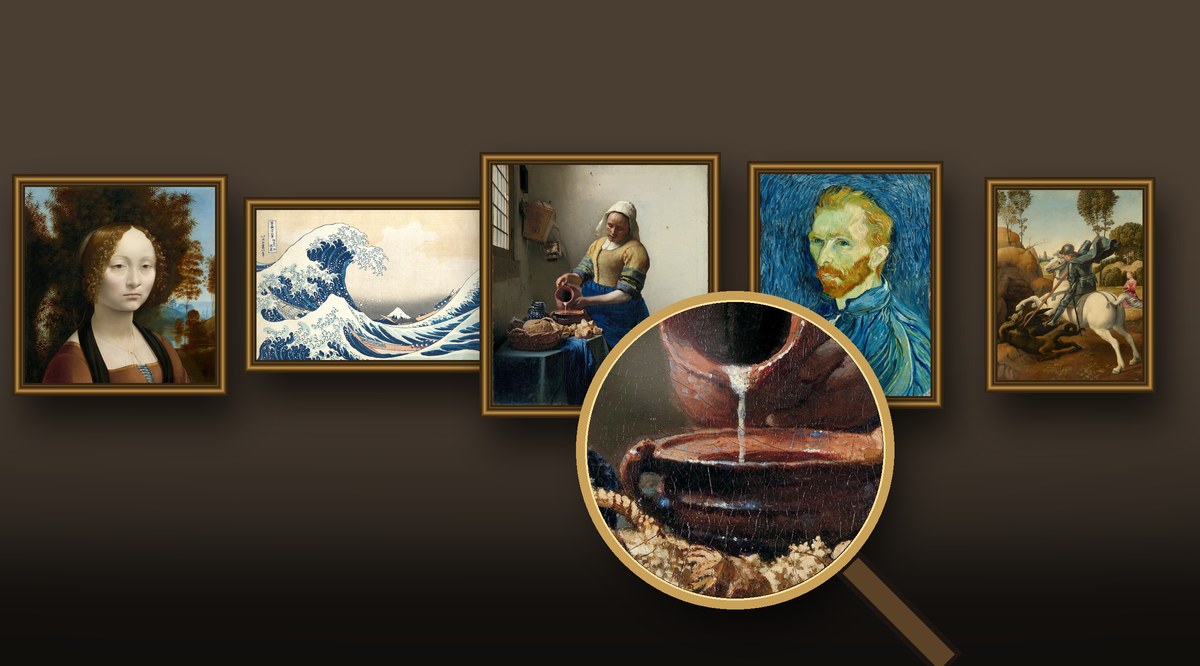
FreeLooking at paintings10–20 min · Ages 7–16

Look closer

What can you see in a masterpiece when you get closer than any museum lets you?

Launch ↗Teacher notes
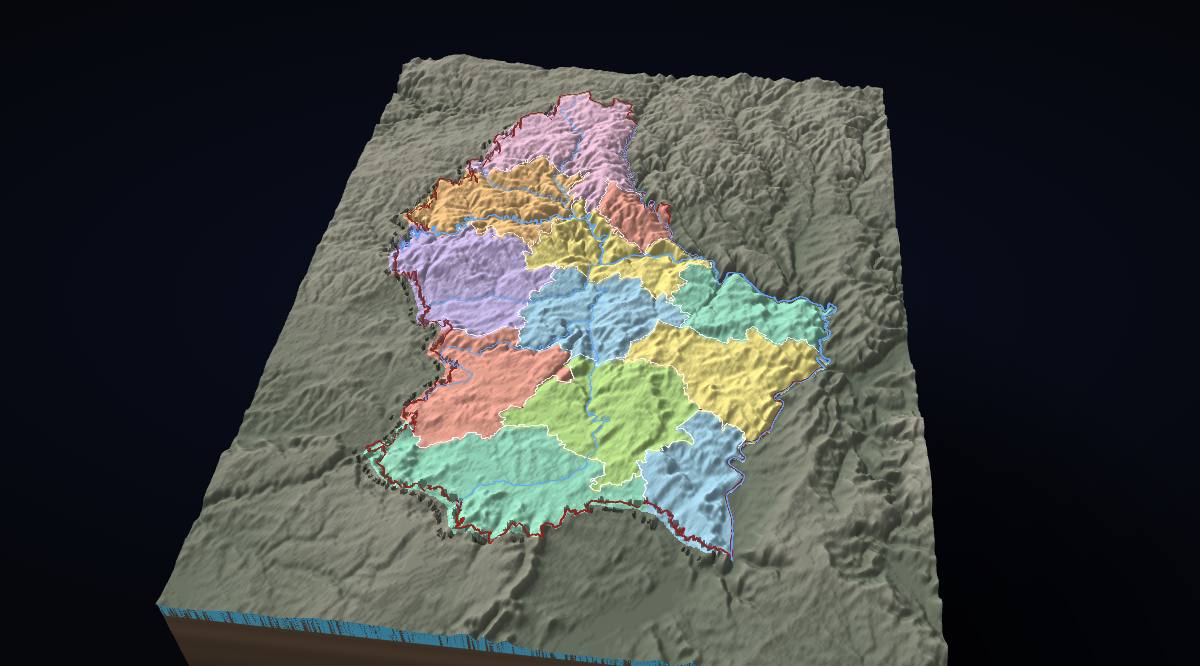
FreePolitical geography10–20 min · Ages 9–14

Luxembourg canton by canton

Why does a country only 82 km long have 12 cantons, 100 communes and three languages?

Launch ↗Teacher notes
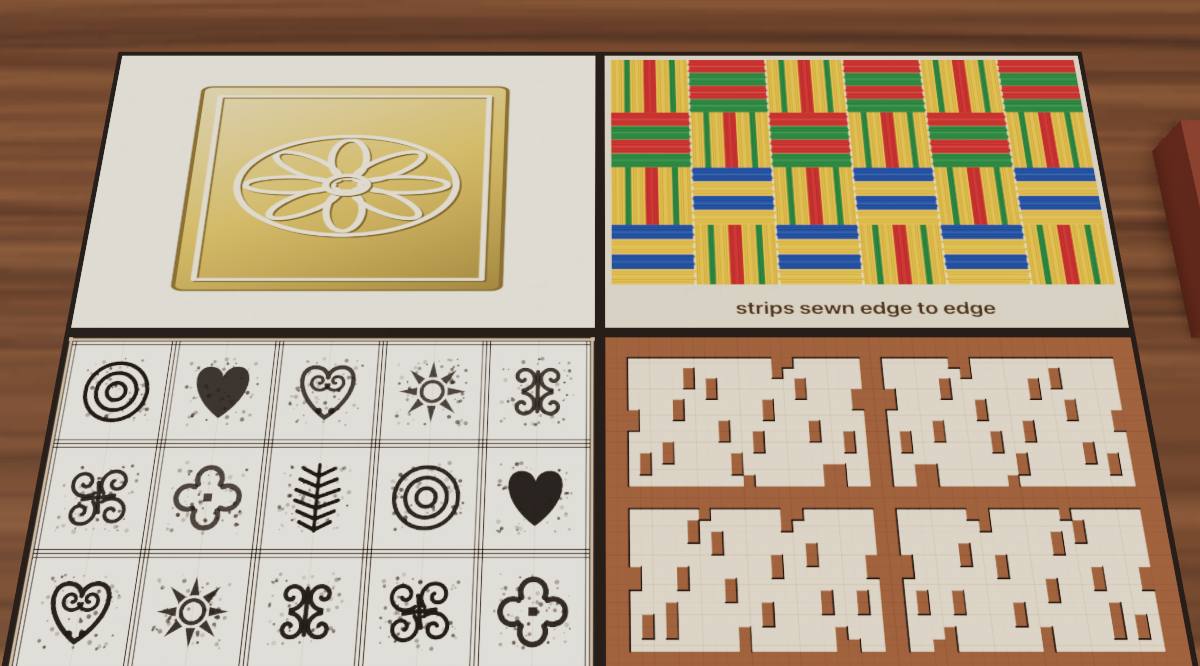
FreeArt of Africa, the Americas and Oceania through how it is made: lost-wax casting, kente and Andean weaving, adinkra stamping, Pacific barkcloth, and how museums date and acquire works10–20 min · Ages 10–18

Made by hand

How were these works of art made?

Launch ↗Teacher notes
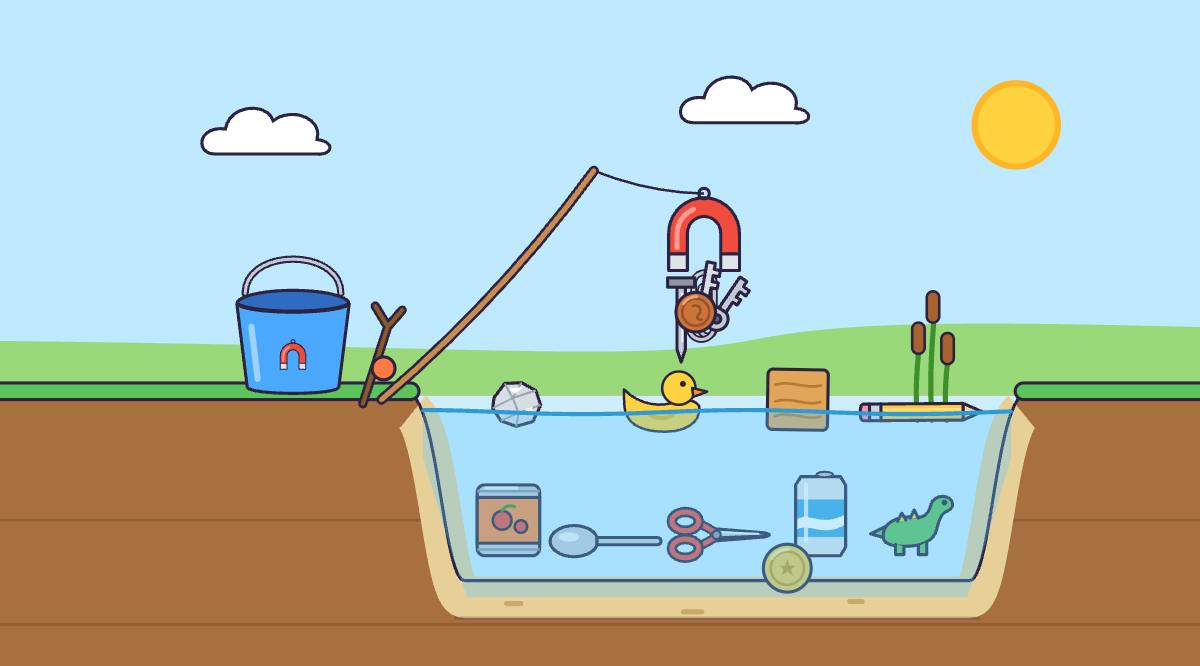
FreeMagnets and materials: what a magnet picks up10–20 min · Ages 4–7

Magnet fishing

What does a magnet pick up?

Launch ↗Teacher notes
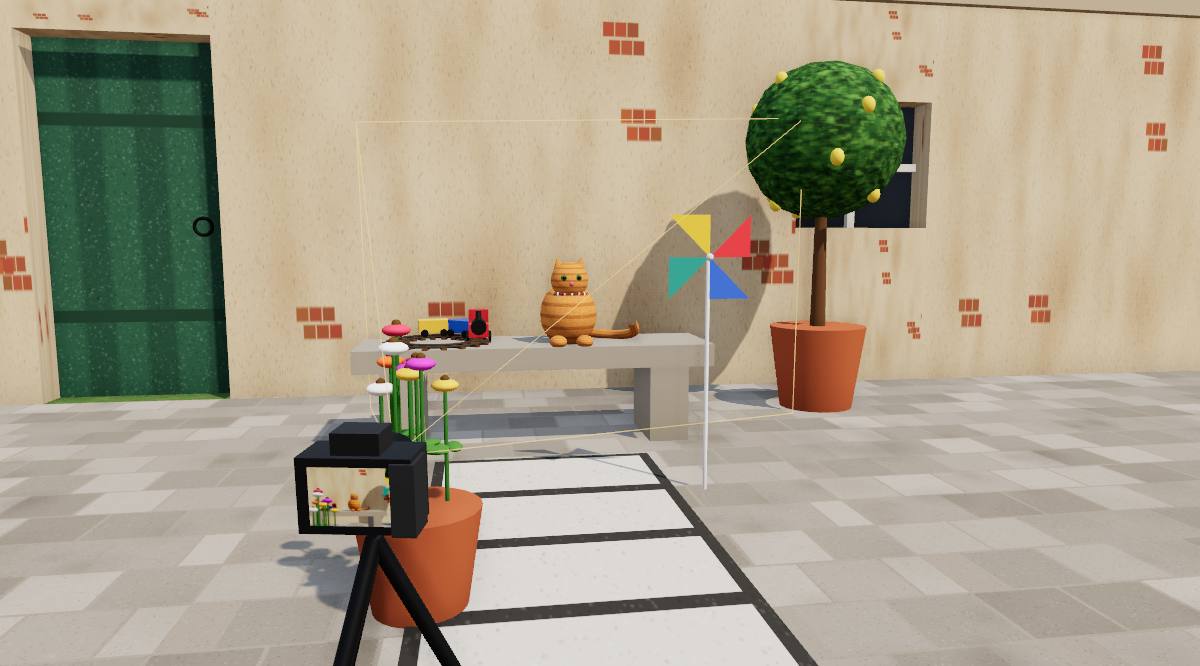
FreePhotography: the camera obscura, lenses, exposure, depth of field, framing and early colour10–20 min · Ages 11–19

Make a photograph

How does a camera make a picture?

Launch ↗Teacher notes
FreeElectricity & magnetism10–20 min · Ages 12–15

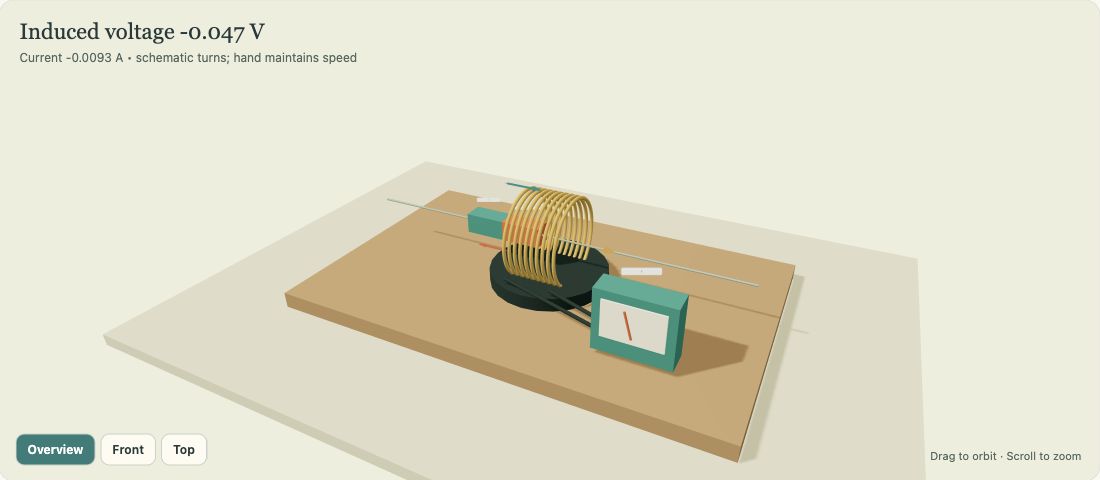
Make electricity by moving

Why does moving a magnet produce a current?

Launch ↗Teacher notes
FreePolitical geography10–20 min · Ages 9–14

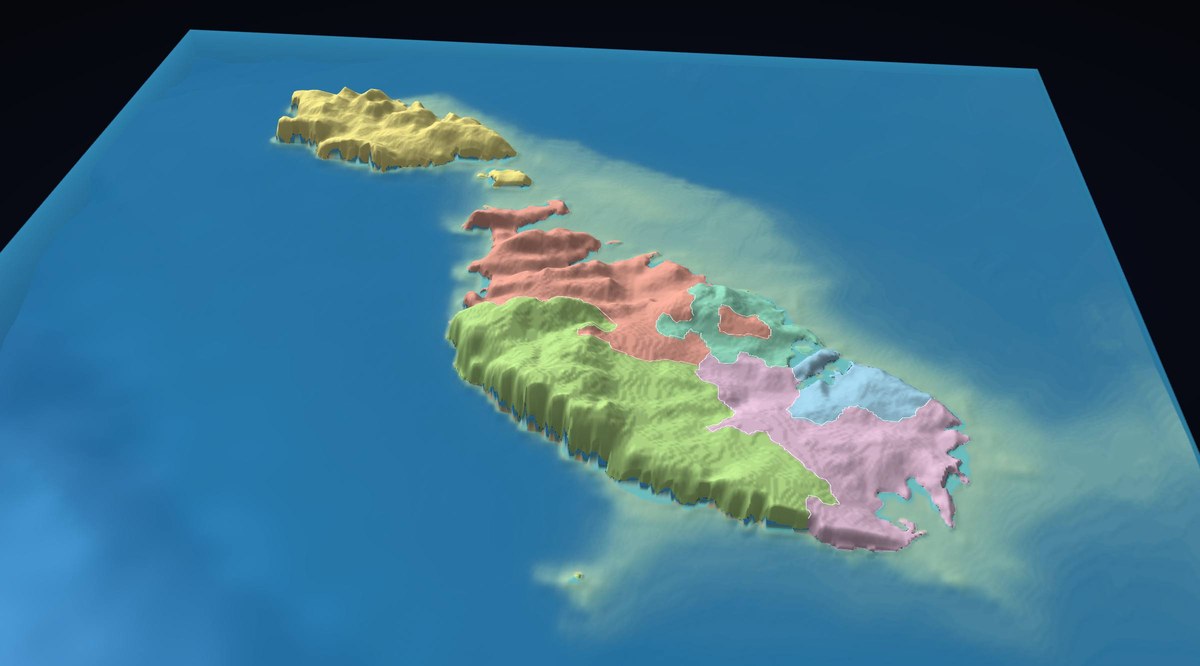
Malta region by region

Malta is smaller than many cities — so why does it have 6 regions and 68 local councils?

Launch ↗Teacher notes
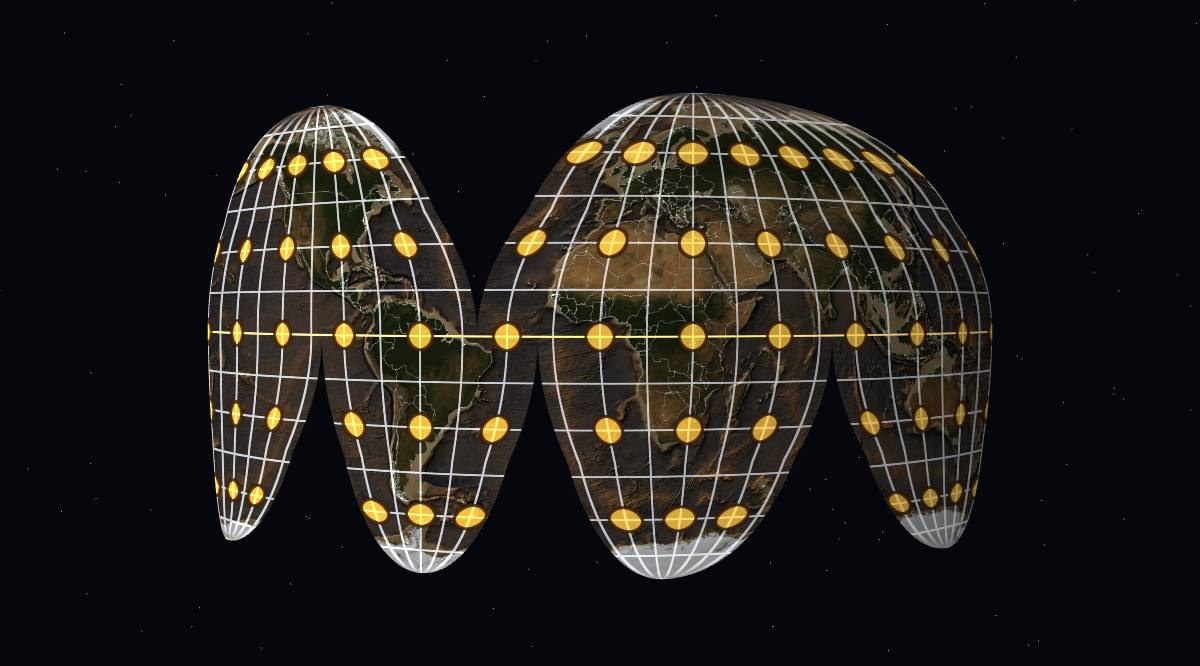
FreeMaps and projections10–20 min · Ages 10–16

Map projections: peeling the globe

Is Greenland really as big as Africa — and why can no flat map ever be completely right?

Launch ↗Teacher notes
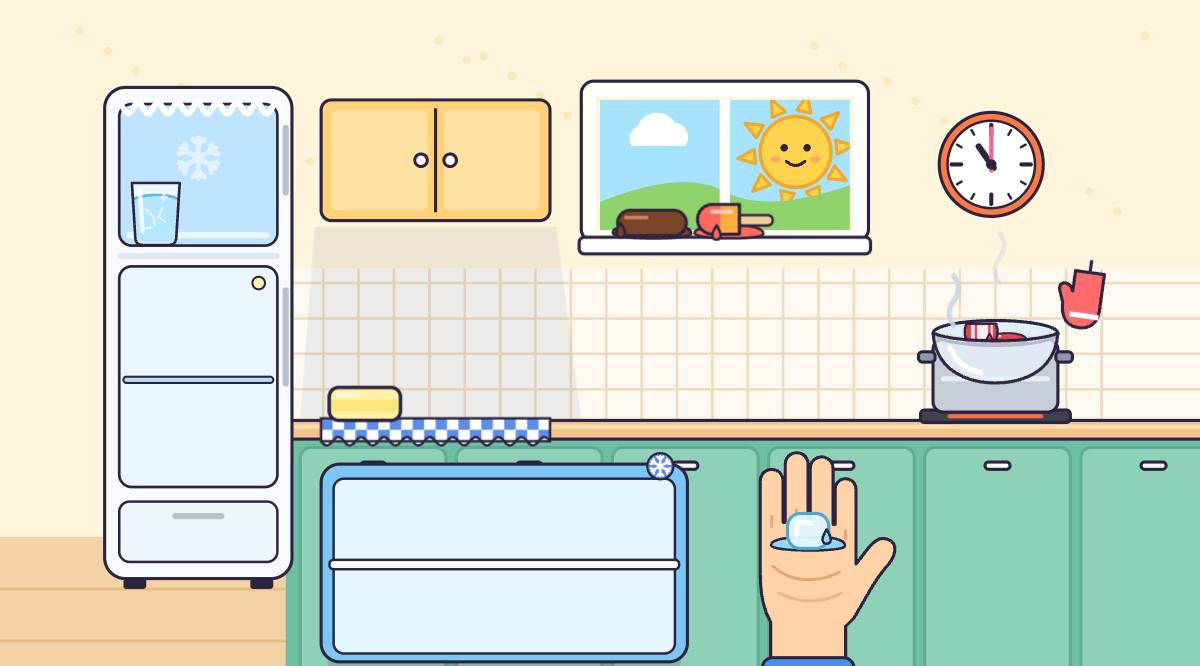
FreeSolids and liquids: melting, freezing and changes that can or can’t go back10–20 min · Ages 4–7

Melt it!

What melts, where, and can it go back?

Launch ↗Teacher notes
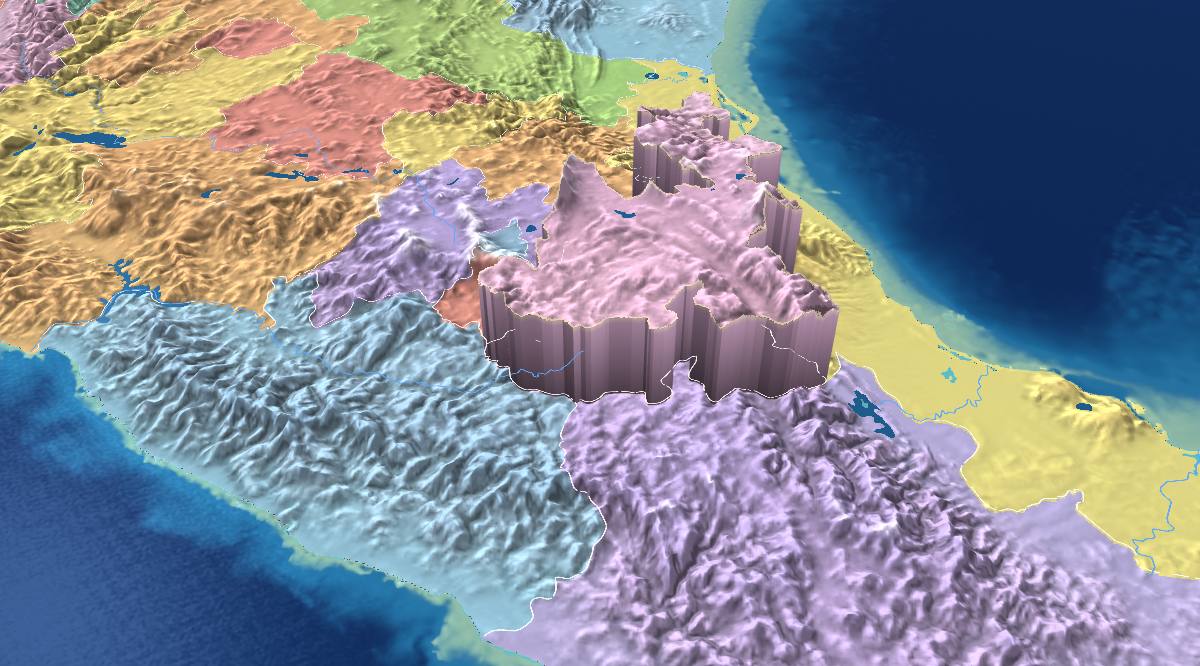
FreePolitical geography10–20 min · Ages 11–14

Mexico state by state

Why is Mexico divided into 31 states and a capital that is not a state?

Launch ↗Teacher notes
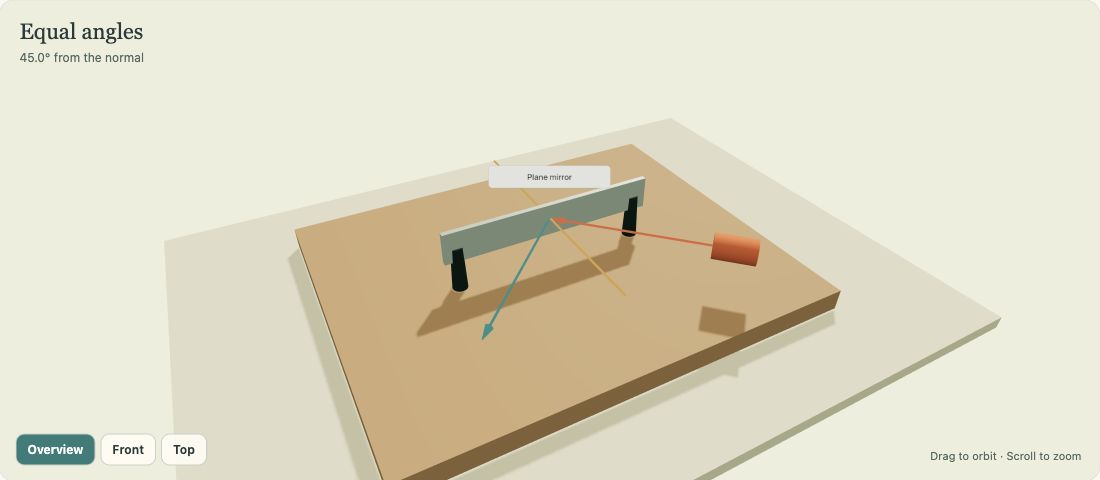
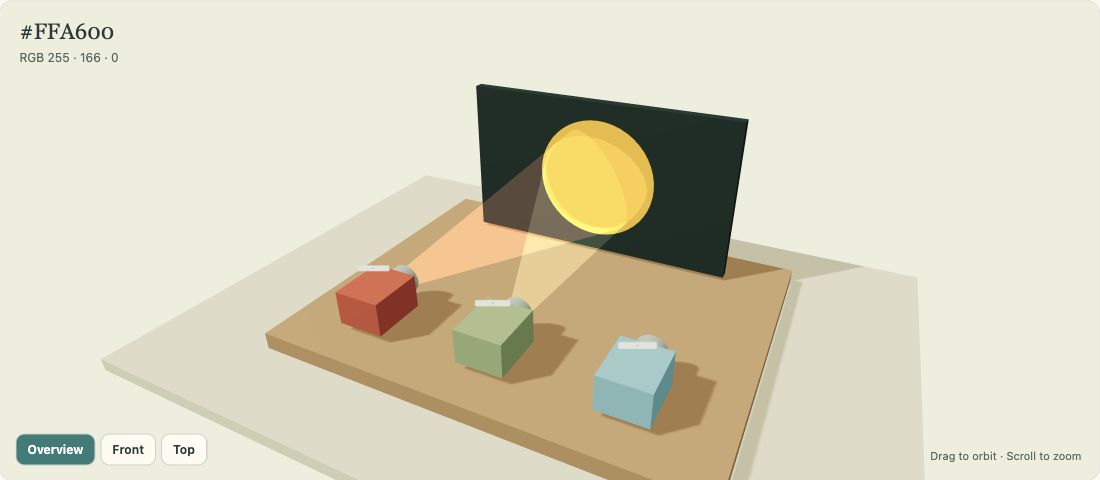
FreeLight & optics10–20 min · Ages 7–10

Mirror maze

How do you steer a beam with a mirror?

Launch ↗Teacher notes
FreeLight & optics10–20 min · Ages 7–10

Mix coloured light

Why does coloured light mix differently from paint?

Launch ↗Teacher notes
FreeEnergy & heat10–20 min · Ages 11–14

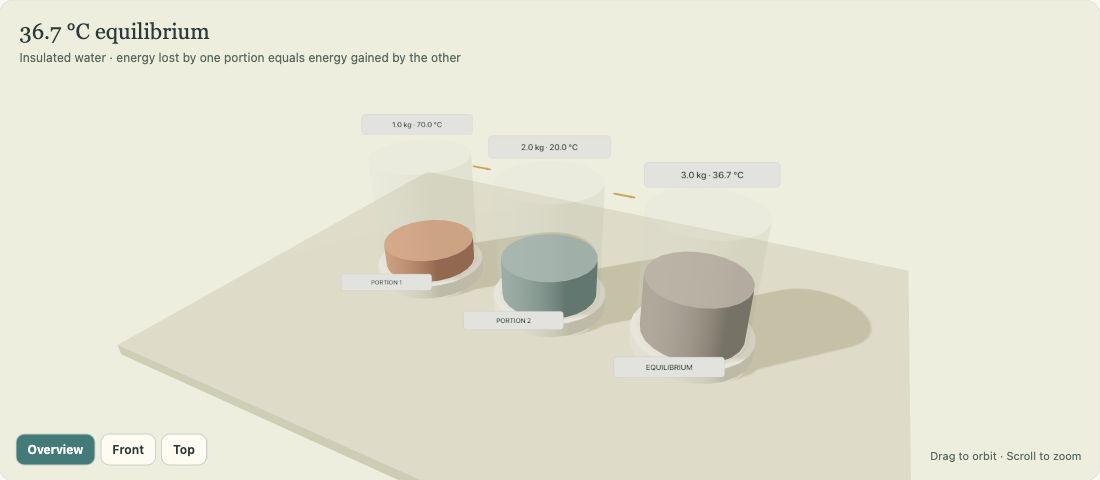
Mix warm and cool water

Is the final temperature always the simple average?

Launch ↗Teacher notes
FreePolitical geography10–20 min · Ages 9–14

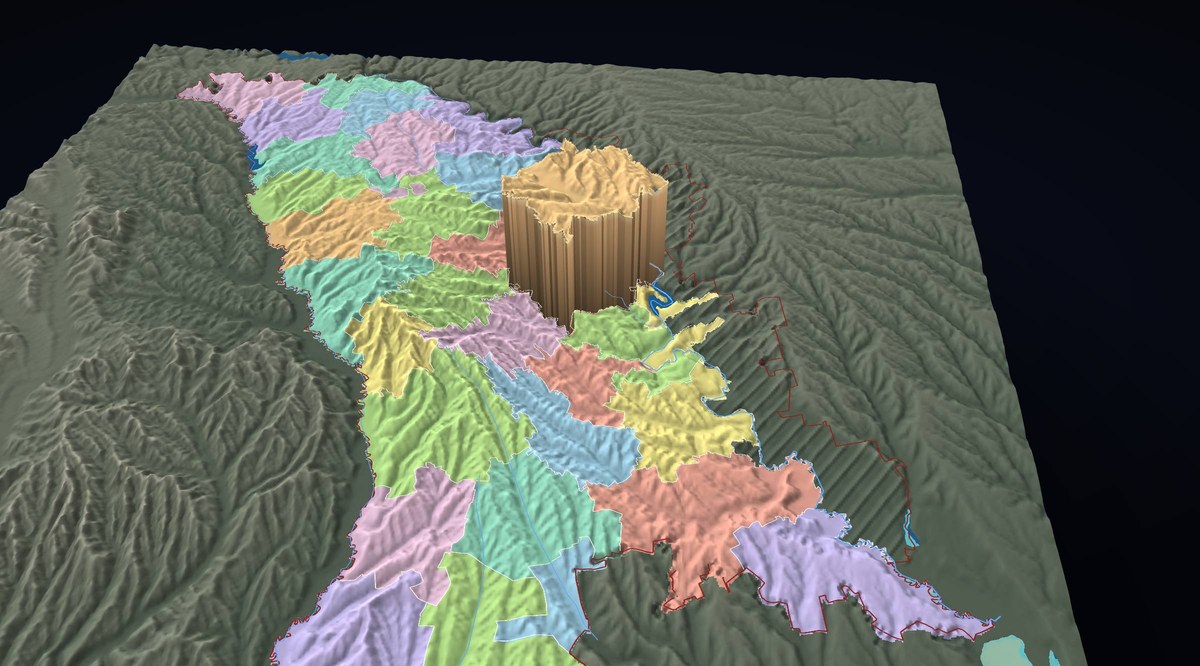
Moldova district by district

Why is Moldova divided into 32 districts, two cities that belong to none of them, and an autonomous Gagauzia?

Launch ↗Teacher notes
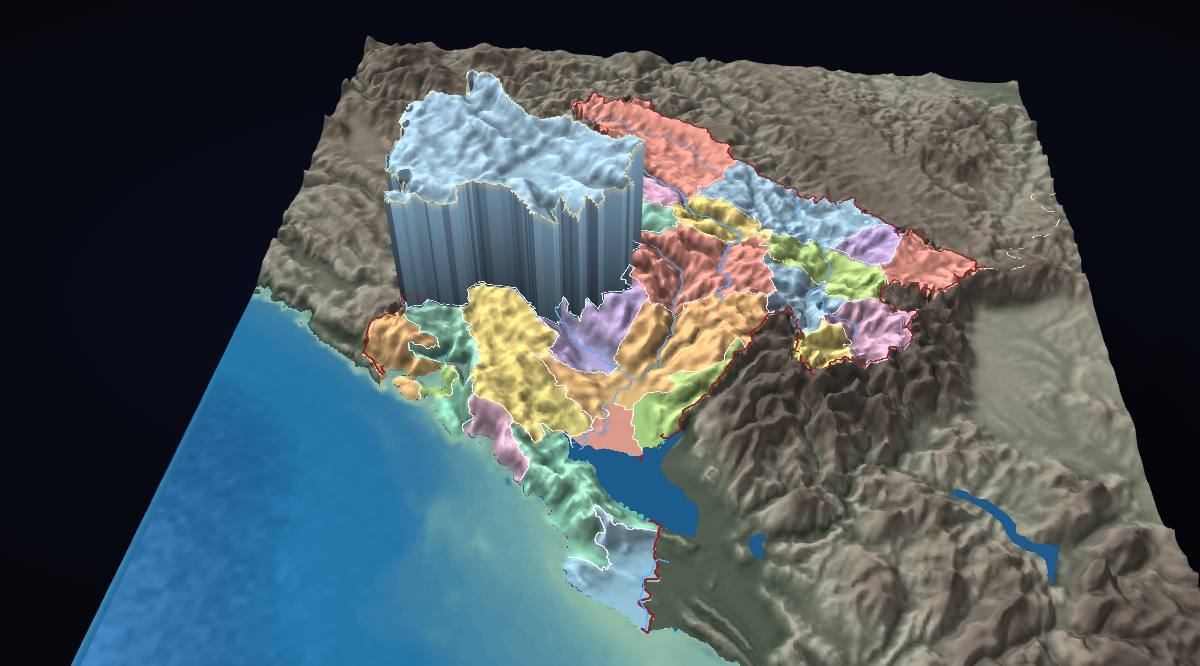
FreePolitical geography10–20 min · Ages 9–14

Montenegro municipality by municipality

How can a country smaller than many regions have a fjord-like bay, the largest lake in the Balkans, a canyon over a kilometre deep and peaks of more than 2,500 m?

Launch ↗Teacher notes
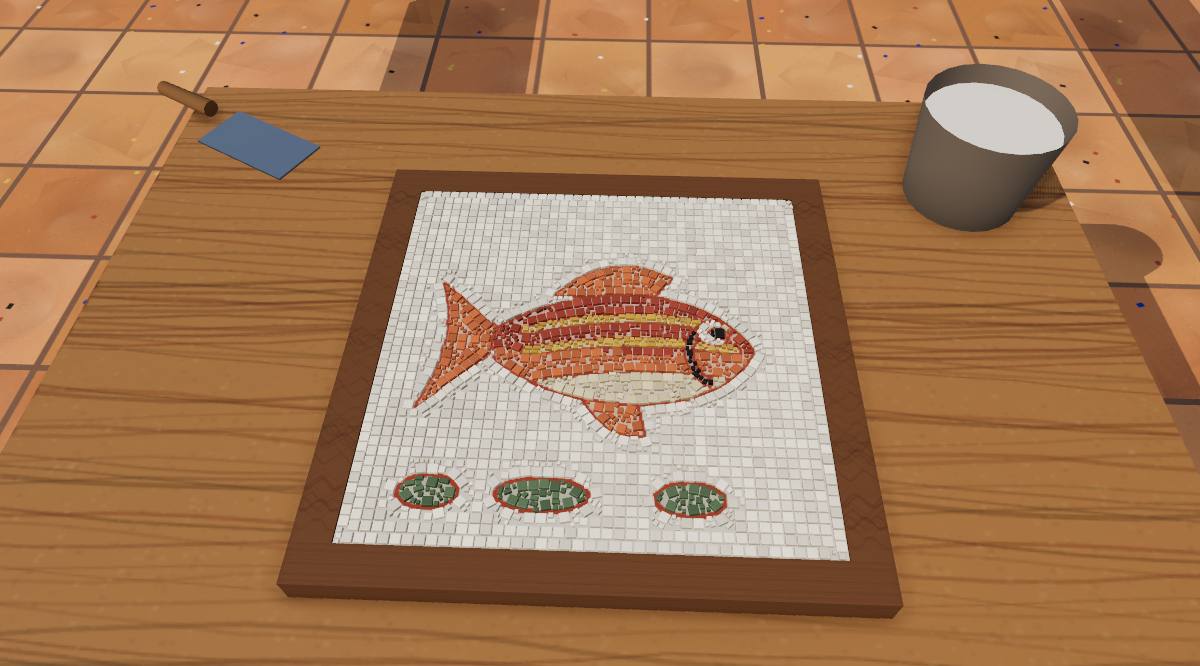
FreeMosaic: techniques and history10–20 min · Ages 7–15

Mosaic workshop

How do thousands of tiny stones become a picture that lasts 2,000 years?

Launch ↗Teacher notes
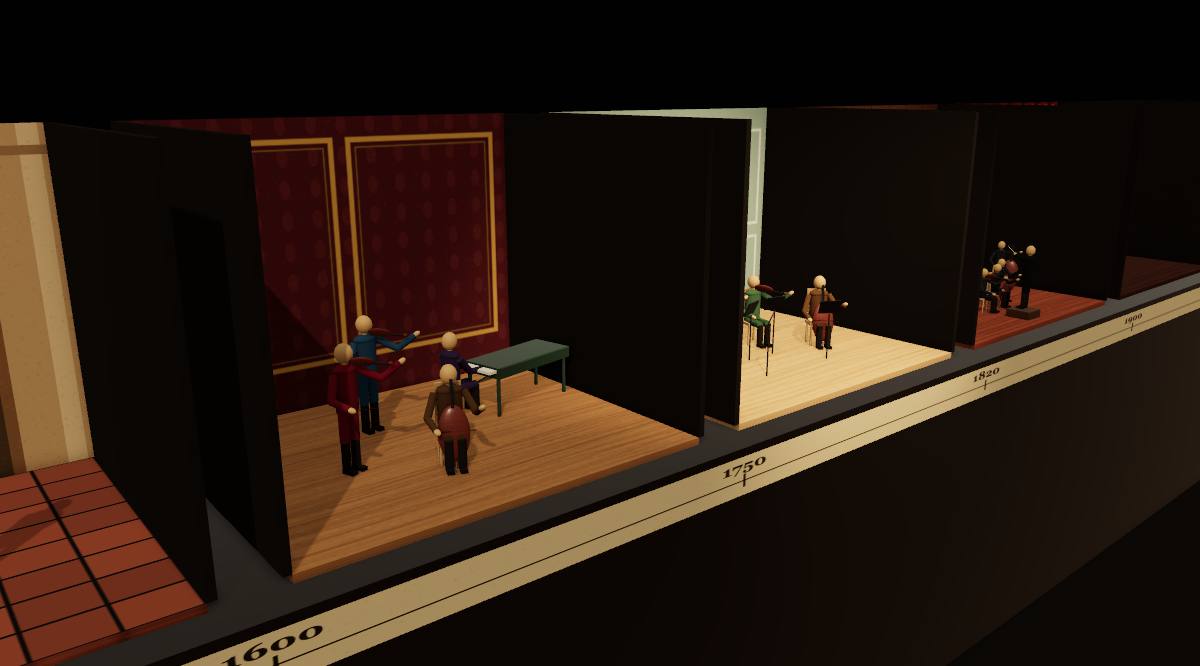
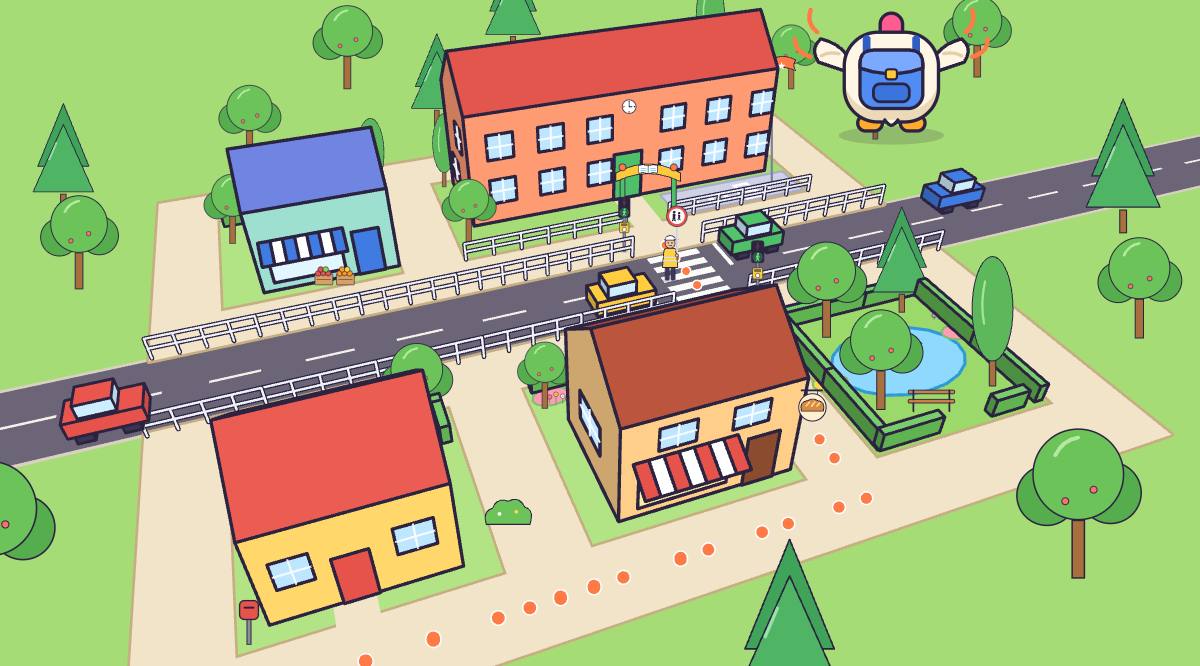
FreeMusic history: styles of the Western eras from chant to film music10–20 min · Ages 8–14

Music through time

How did music change over a thousand years?

Launch ↗Teacher notes
FreeMaps and directions: routes, landmarks and a view from above10–20 min · Ages 4–7

My way to school

Can you show Pip the way to school?

Launch ↗Teacher notes
FreeStars and constellations10–20 min · Ages 7–16

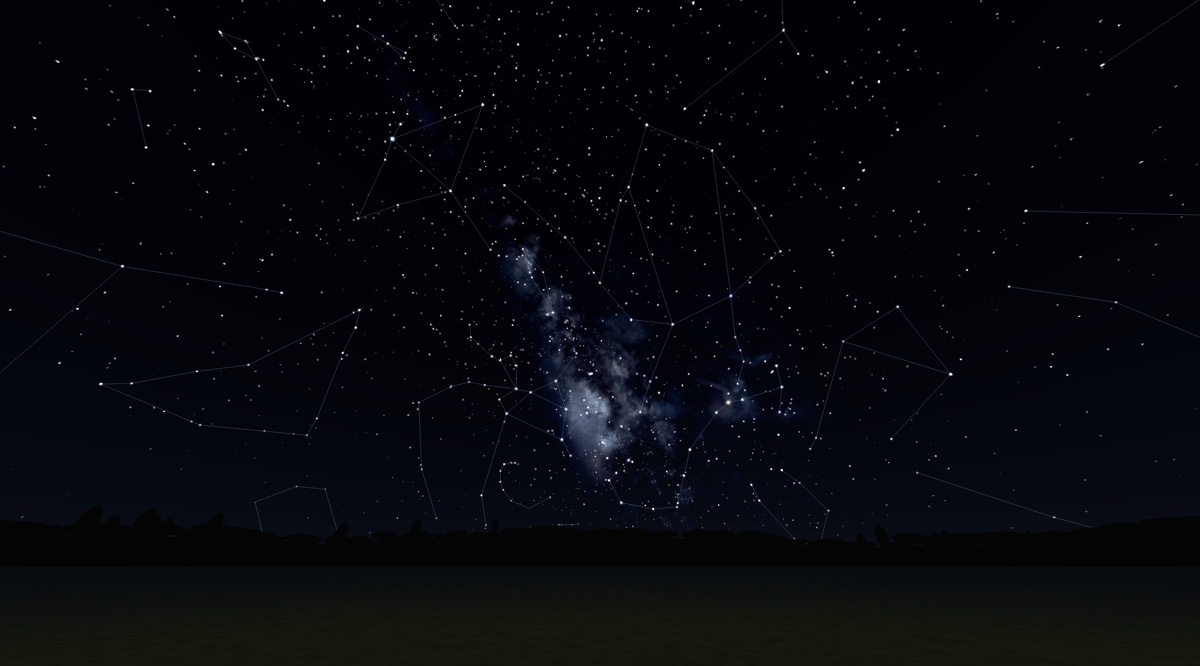
Night sky planetarium

What can you see in the sky tonight, and how do you find your way around it?

Launch ↗Teacher notes
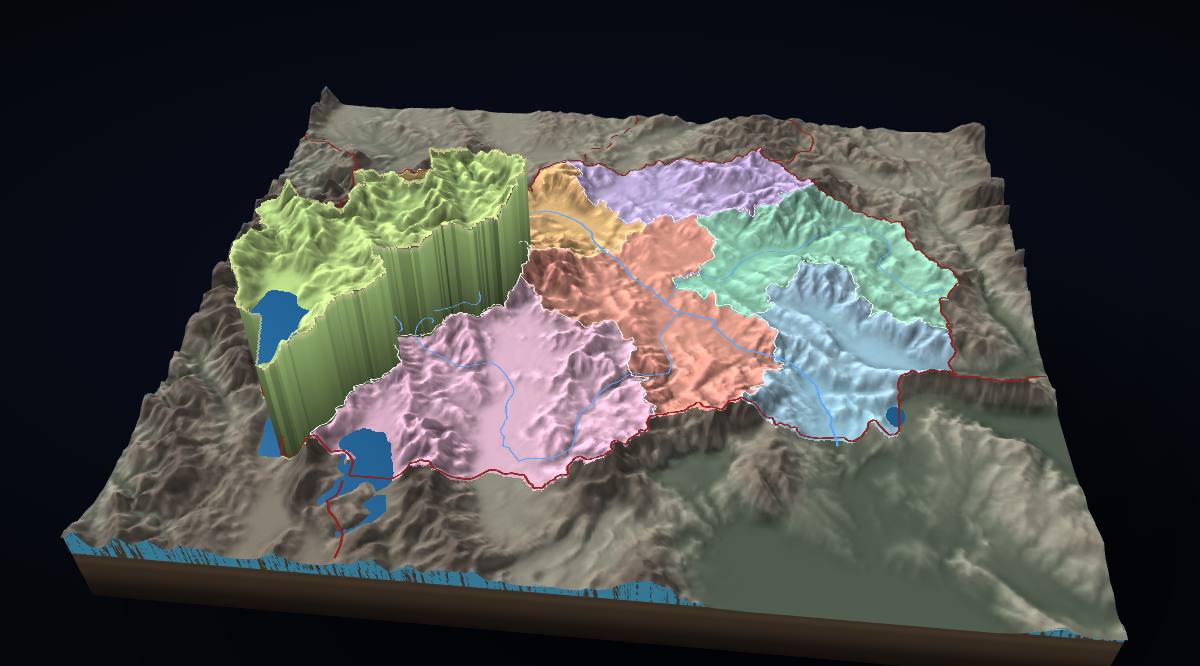
FreePolitical geography10–20 min · Ages 9–14

North Macedonia region by region

North Macedonia’s 8 regions govern nothing — so what are they for, and why does the smallest hold a third of the people?

Launch ↗Teacher notes
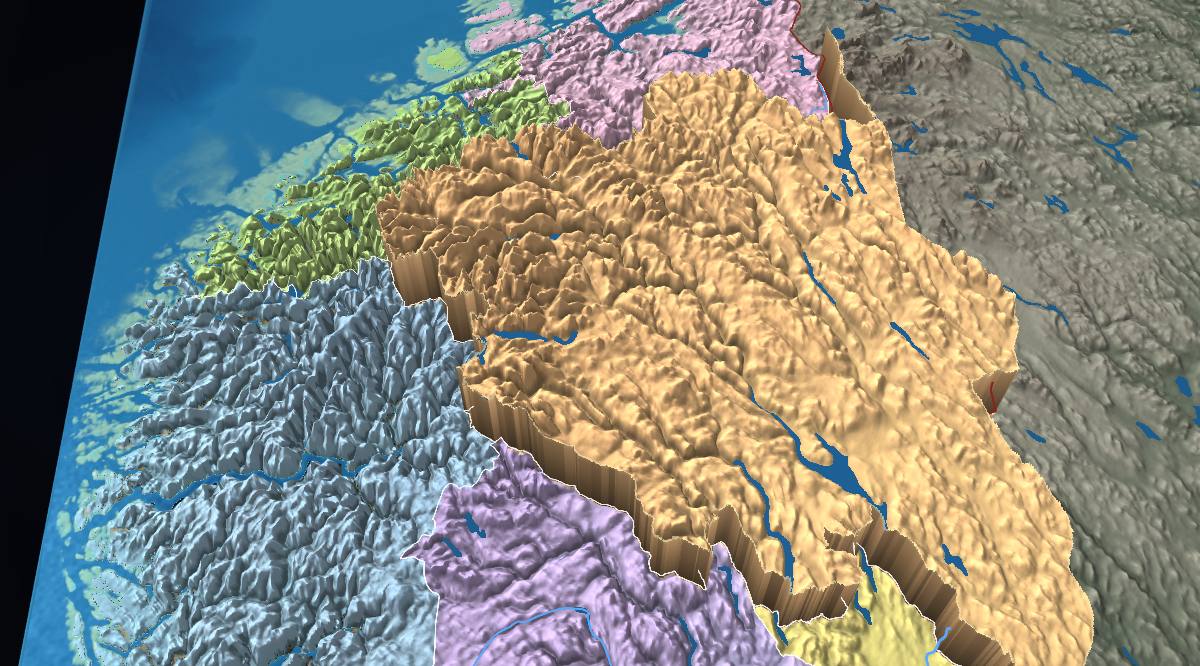
FreePolitical geography10–20 min · Ages 9–14

Norway county by county

Why does Norway have 15 counties — and why were there 11 only a few years ago?

Launch ↗Teacher notes
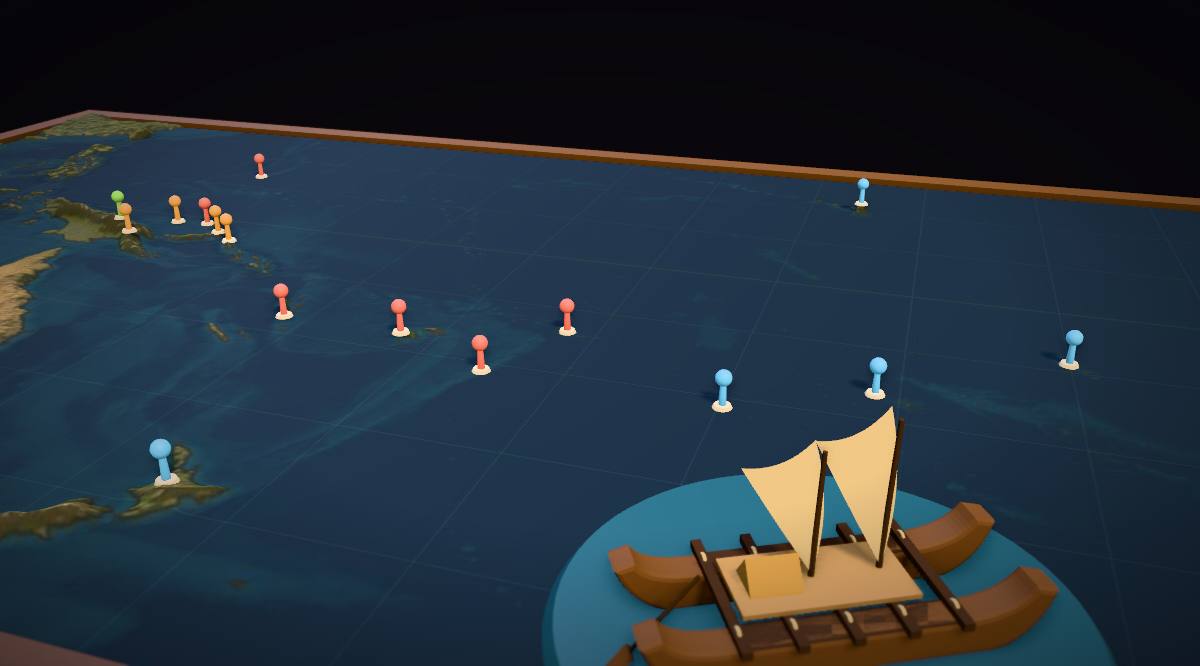
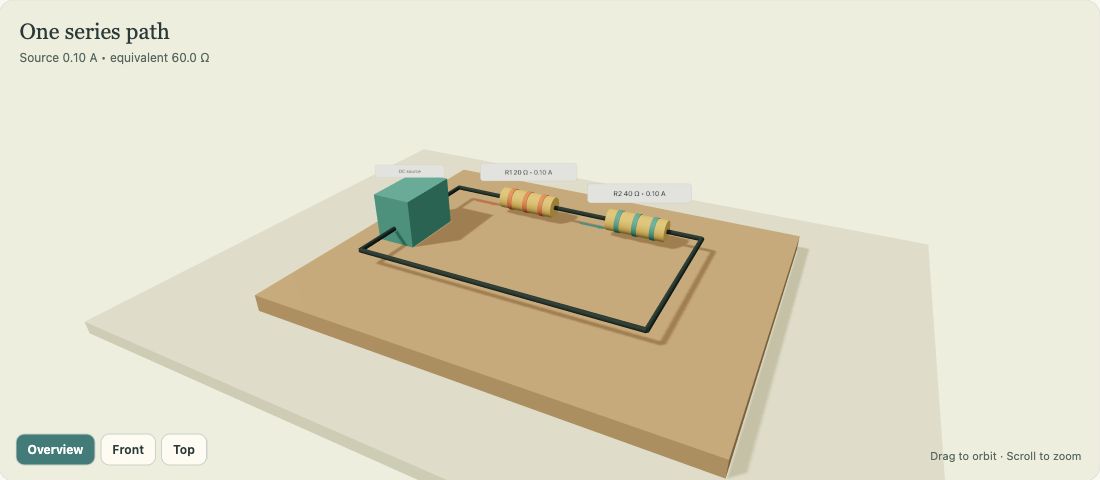
FreeThe settlement of Sahul and the Pacific islands, wayfinding and voyaging canoes, exchange networks and European contact to 180010–20 min · Ages 10–18

Oceania before 1800

How did people reach every island of the Pacific?

Launch ↗Teacher notes
FreeElectricity & magnetism10–20 min · Ages 11–14

One path or two?

What changes when another branch is added?

Launch ↗Teacher notes
FreeThe Solar System10–20 min · Ages 7–16

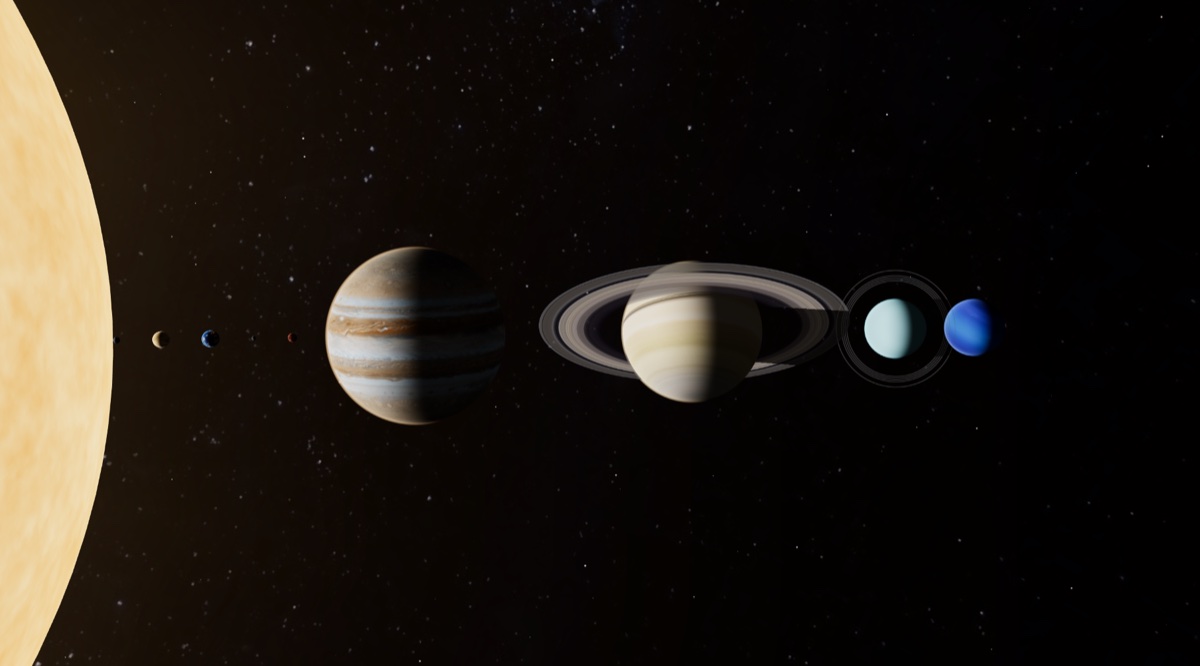
Our Solar System

How big, and how far away, is everything in our Solar System?

Launch ↗Teacher notes
Free19th century: Impressionism10–20 min · Ages 9–16

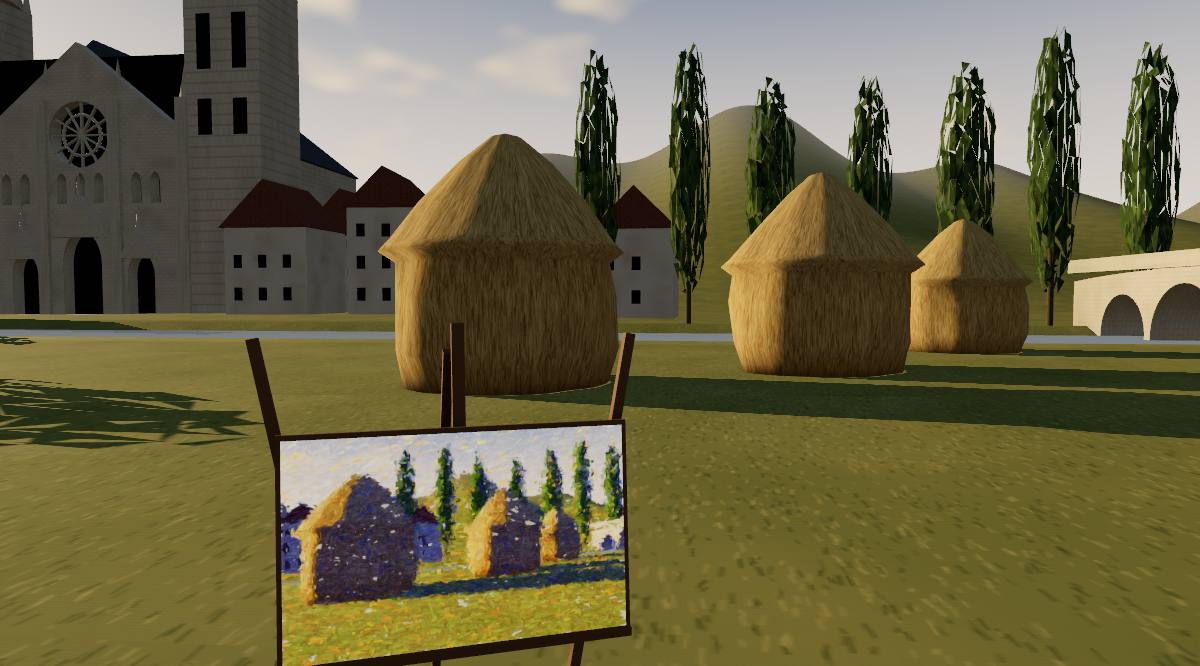
Paint the light

Why did Monet paint the same haystack again and again?

Launch ↗Teacher notes
FreePlate tectonics10–20 min · Ages 8–14

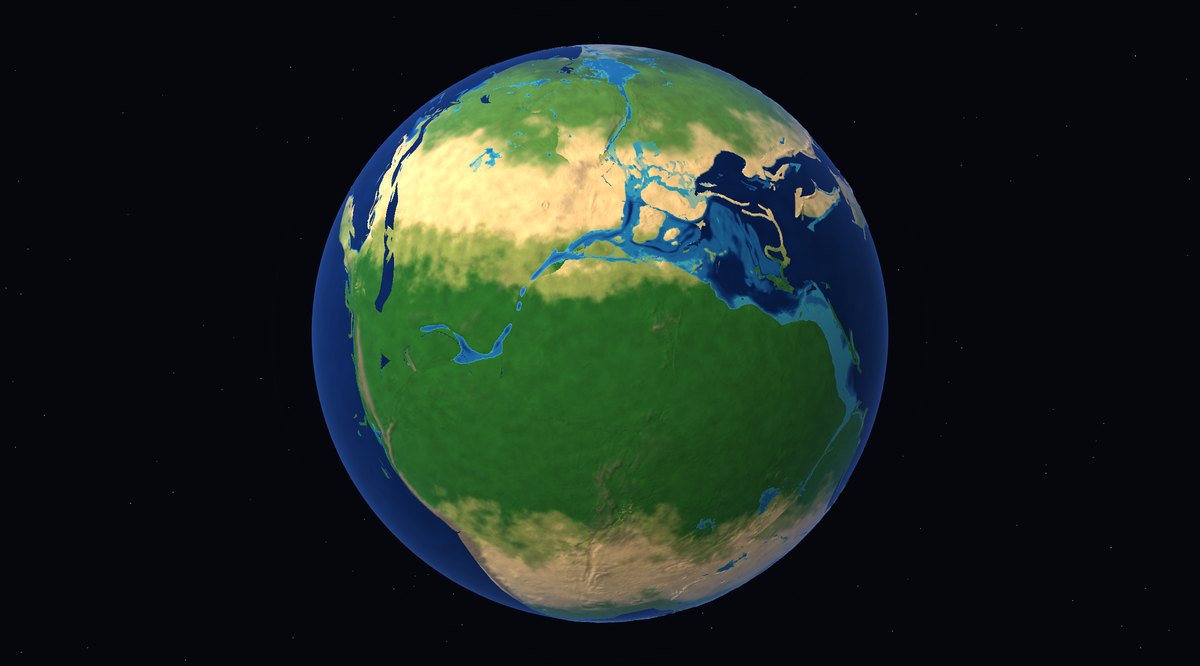
Pangea to today

Where were the continents when the dinosaurs lived — and where are they going?

Launch ↗Teacher notes
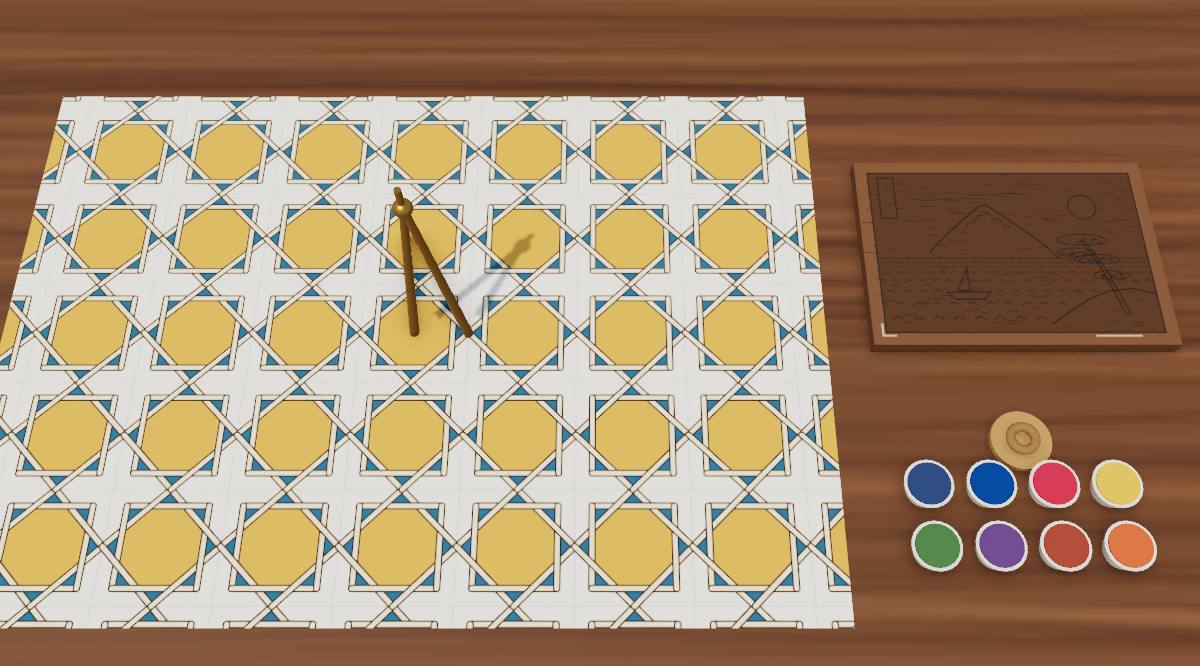
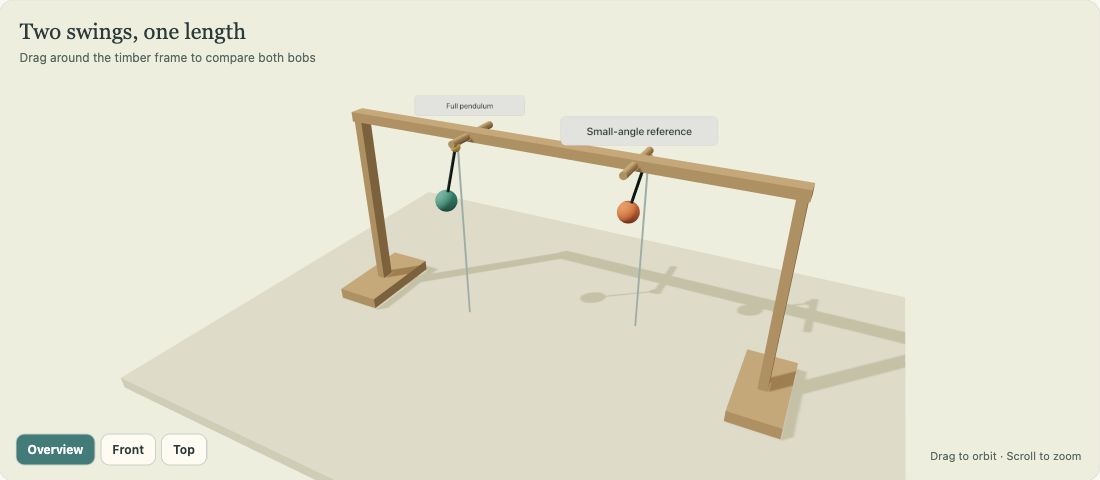
FreeIslamic geometric patterns and the Japanese colour woodblock print10–20 min · Ages 10–18

Patterns and prints

How do you draw a pattern that never ends?

Launch ↗Teacher notes
FreeOscillations & waves10–20 min · Ages 9–12

Pendulum: two models compared

When does the small-angle approximation stop being accurate?

Launch ↗Teacher notes
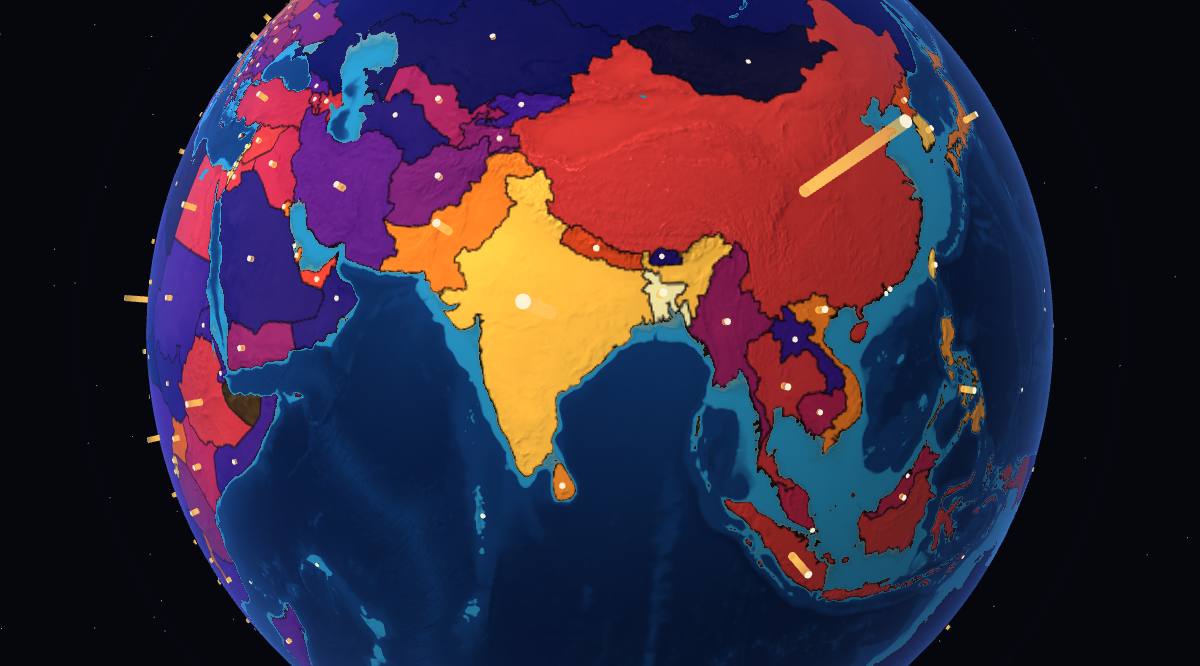
FreeHuman geography: population, cities and work10–20 min · Ages 10–16

People and cities: population and the economy

Where do the world’s eight billion people live, how are populations changing — and why do people move from fields to cities and offices?

Launch ↗Teacher notes
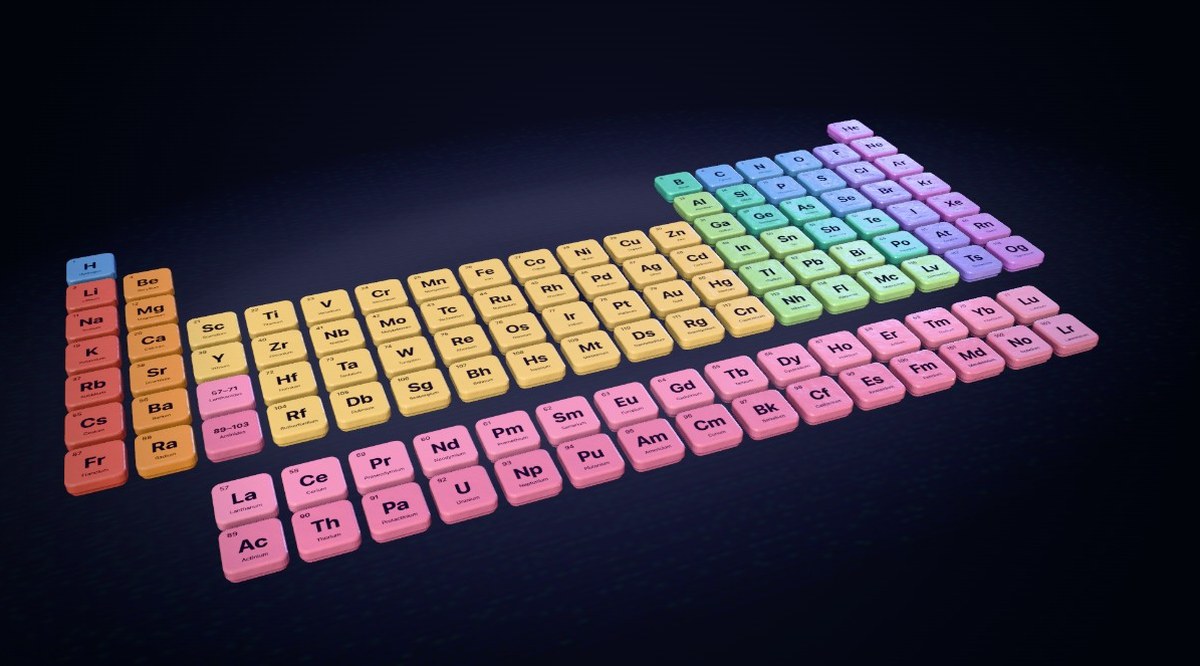
FreeAtoms & the periodic table10–20 min · Ages 9–16

Periodic table and atom builder

What makes one element different from another?

Launch ↗Teacher notes
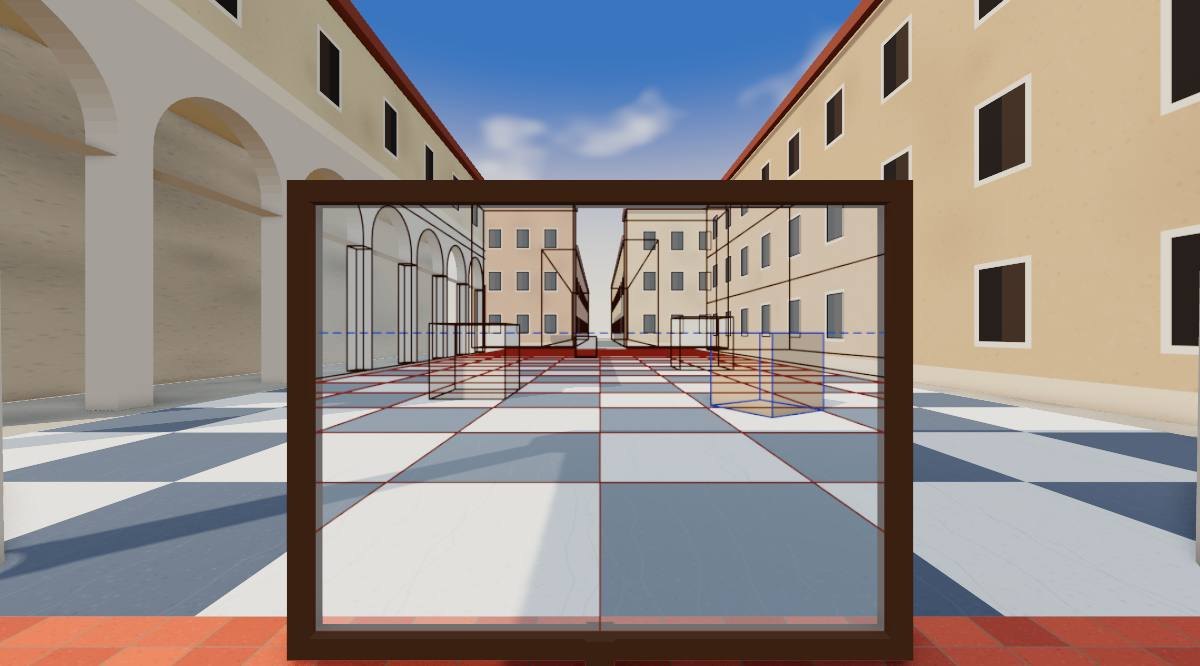
FreePerspective and drawing space10–20 min · Ages 9–16

Perspective studio

How did Renaissance painters make a flat wall look like a deep room?

Launch ↗Teacher notes
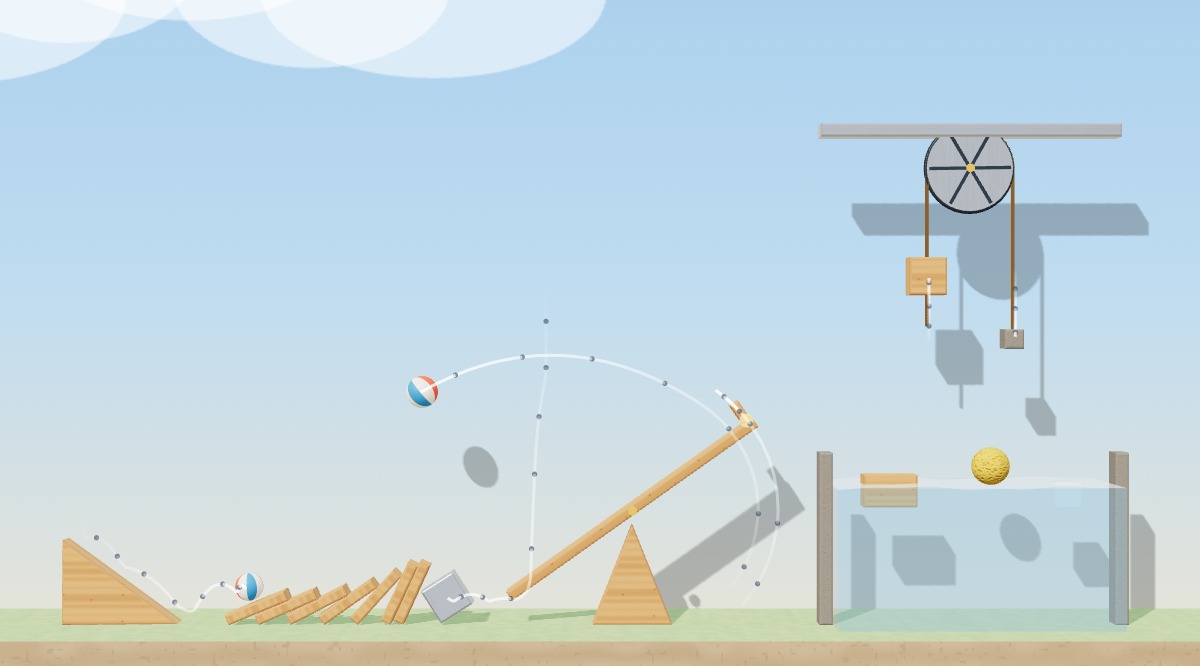
FreeForces and machines10–20 min · Ages 7–16

Physics sandbox

Can you build a machine that works — and explain why it does?

Launch ↗Teacher notes
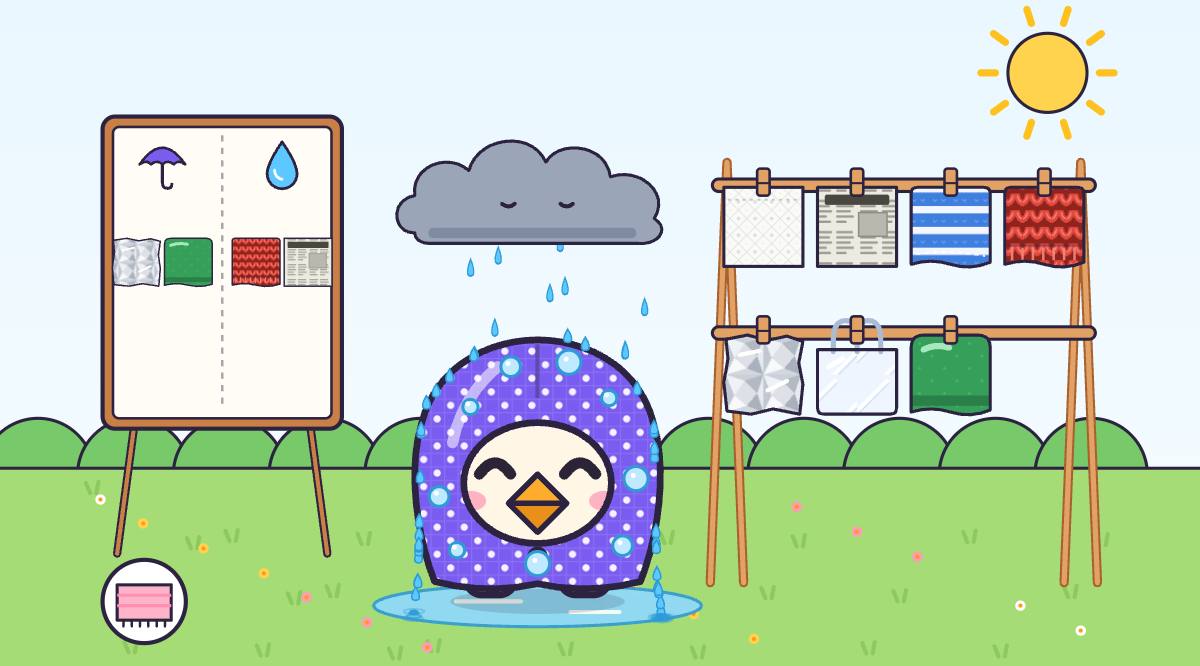
FreeUses of everyday materials: waterproof or not10–20 min · Ages 4–7

Pip’s raincoat

Which material keeps Pip dry?

Launch ↗Teacher notes
FreeNumber: place value and number systems10–20 min · Ages 6–12

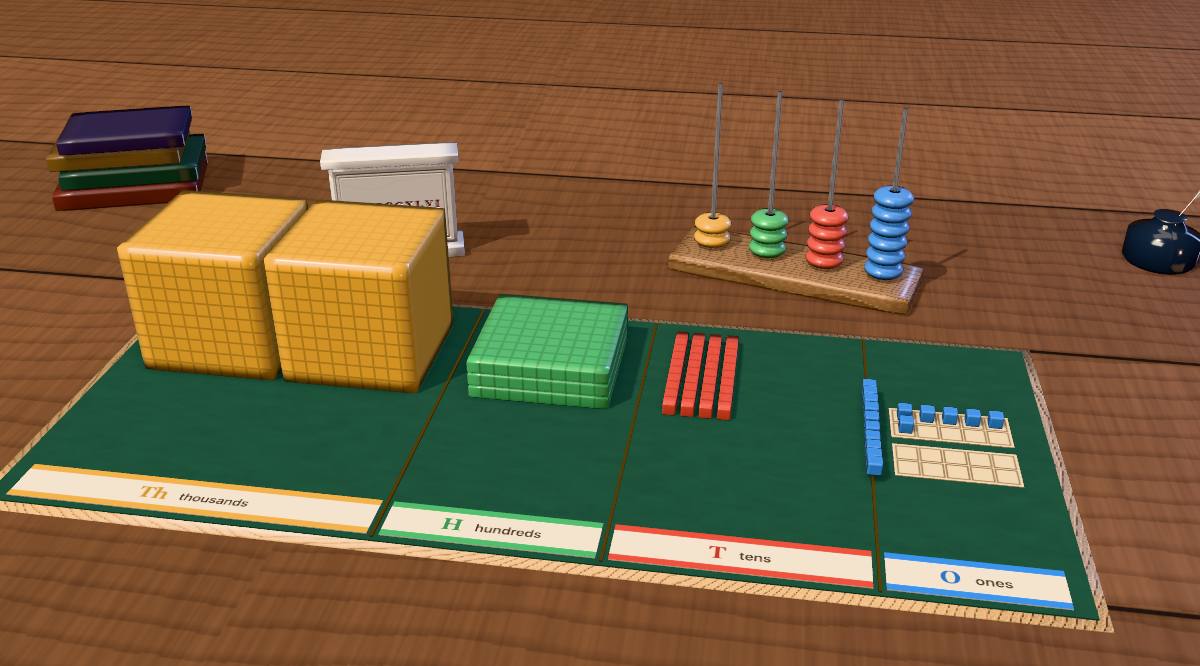
Place value and number systems

Why does the 3 in 300 mean more than the 3 in 30 — and how did the Romans write numbers without a zero?

Launch ↗Teacher notes
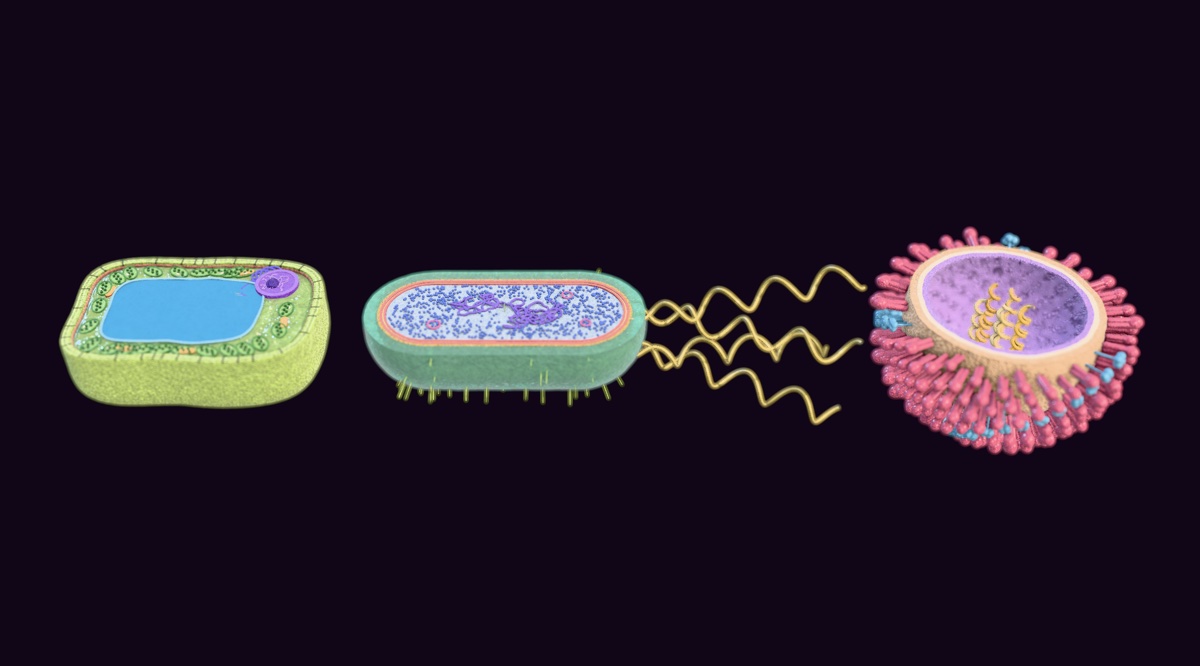
FreeCells & structures10–20 min · Ages 8–14

Plant cell, bacterium and virus

What makes a plant cell, a bacterium and a virus so different?

Launch ↗Teacher notes
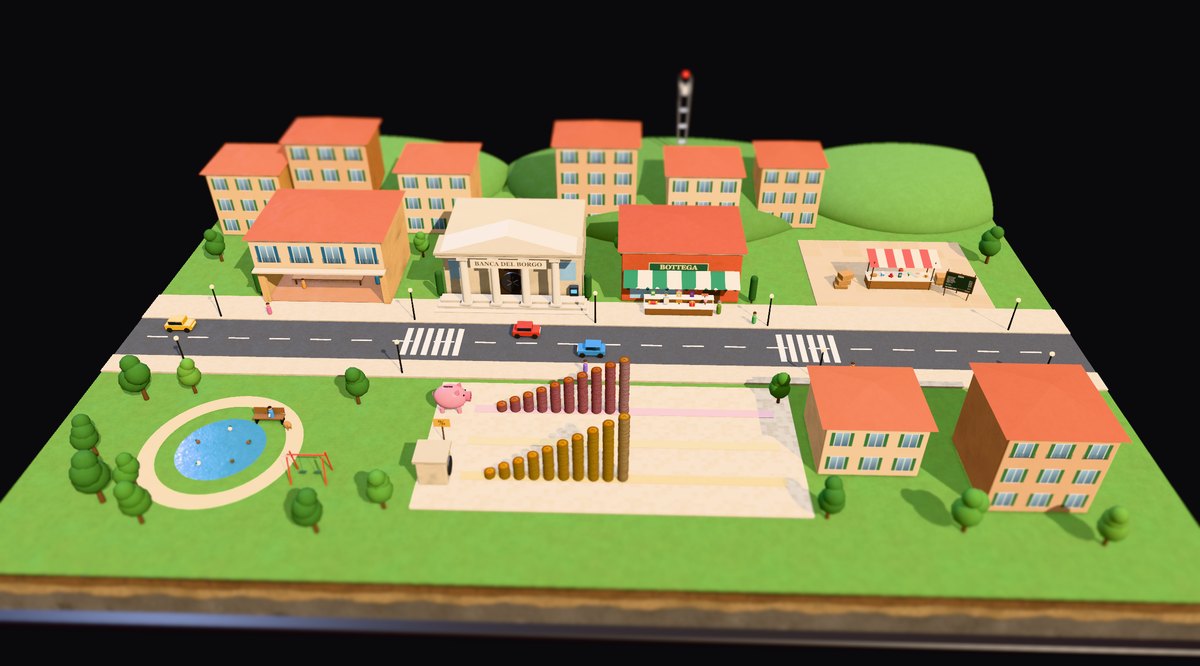
FreeFinancial education10–20 min · Ages 8–14

Pocket money: earn, save, spend, share

Where does money go — and how can a little saved each week grow into something big?

Launch ↗Teacher notes
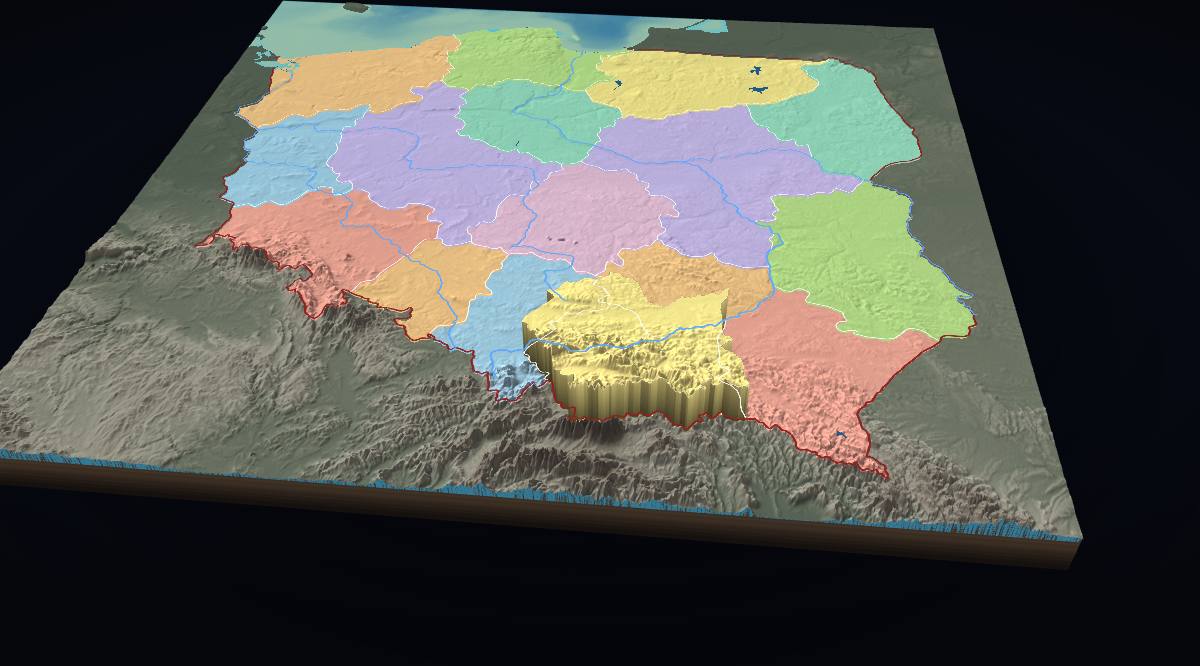
FreePolitical geography10–20 min · Ages 9–14

Poland voivodeship by voivodeship

Why did Poland go from 49 voivodeships to 16 — and who runs a voivodeship?

Launch ↗Teacher notes
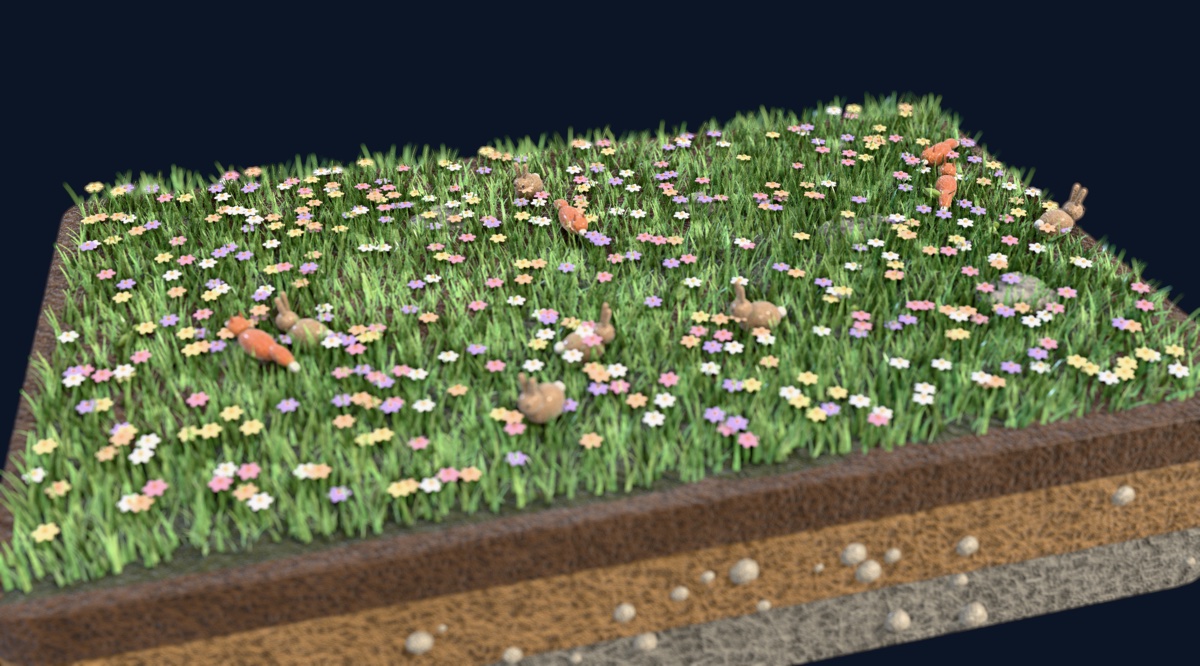
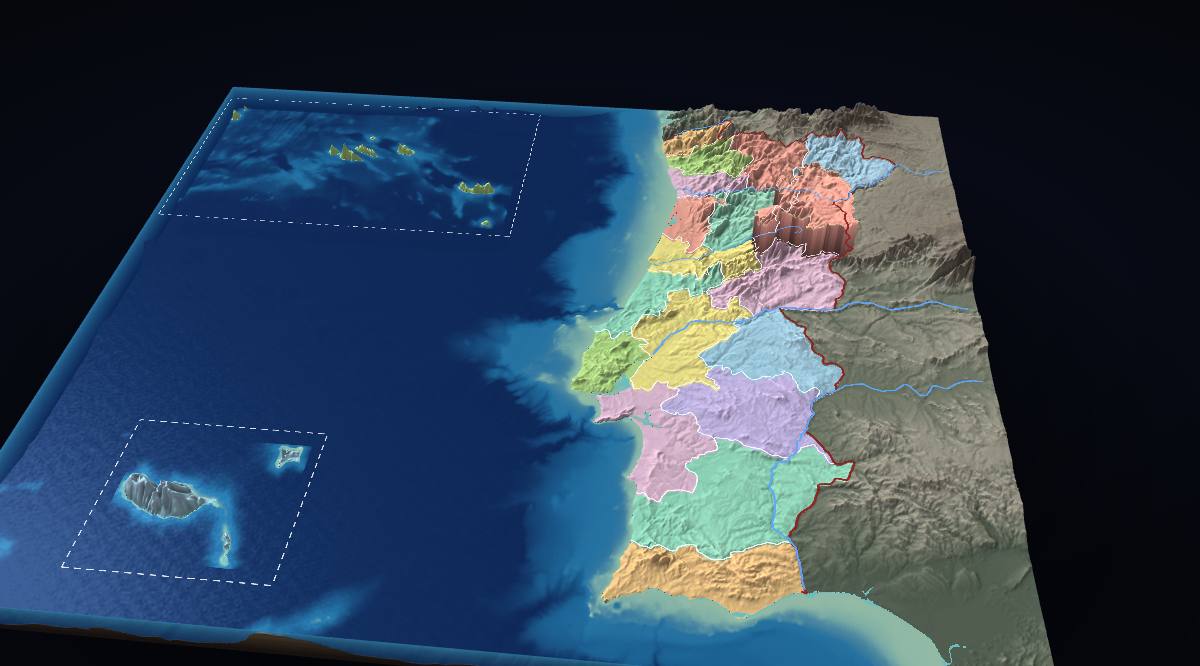
FreeEcology & food webs10–20 min · Ages 9–15

Pond and meadow

Why do predator and prey numbers rise and fall?

Launch ↗Teacher notes
FreePolitical geography10–20 min · Ages 9–14

Portugal district by district

Why is Portugal still drawn as 18 districts — and why do the Azores and Madeira govern themselves?

Launch ↗Teacher notes
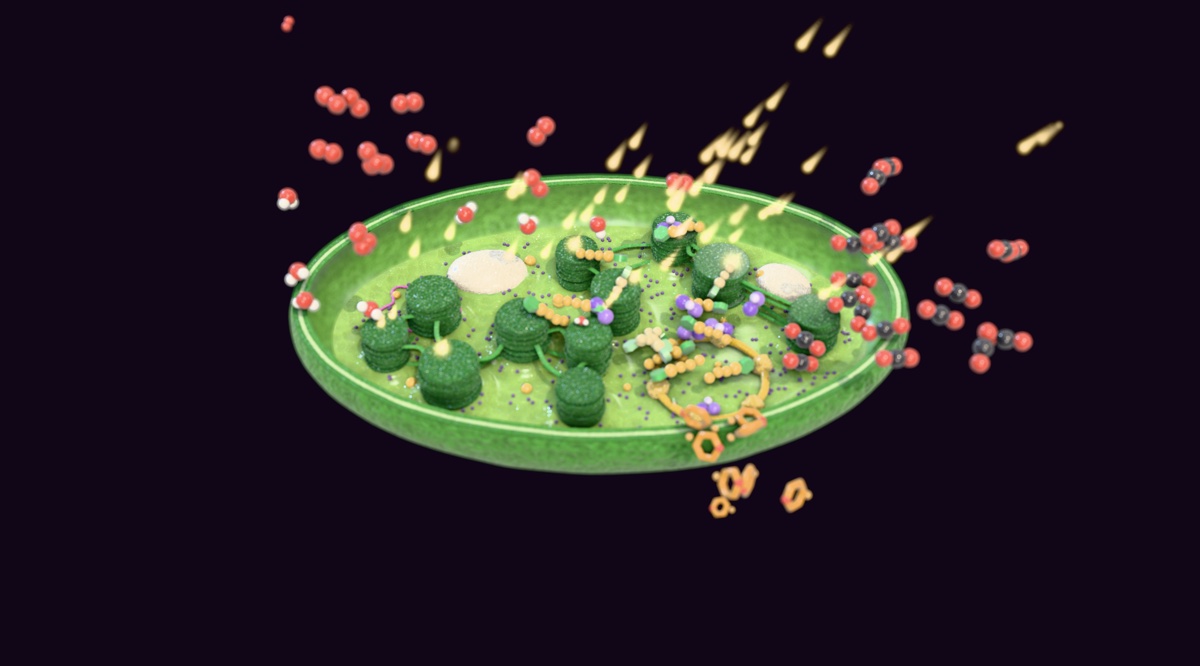
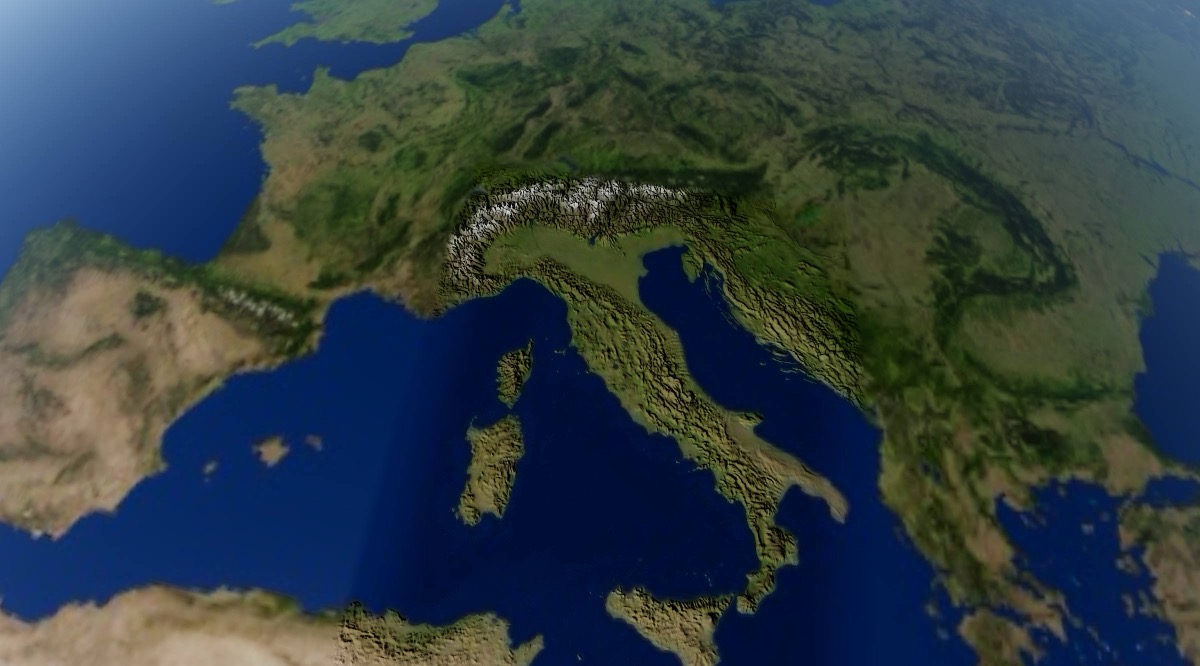
FreePlants & energy10–20 min · Ages 9–16

Powered by sunlight

Is more light always enough to make more sugar?

Launch ↗Teacher notes
FreeThe scale of the universe10–20 min · Ages 9–16

Powers of ten: from quarks to galaxies

How big is the universe — and how small is the smallest thing we know?

Launch ↗Teacher notes
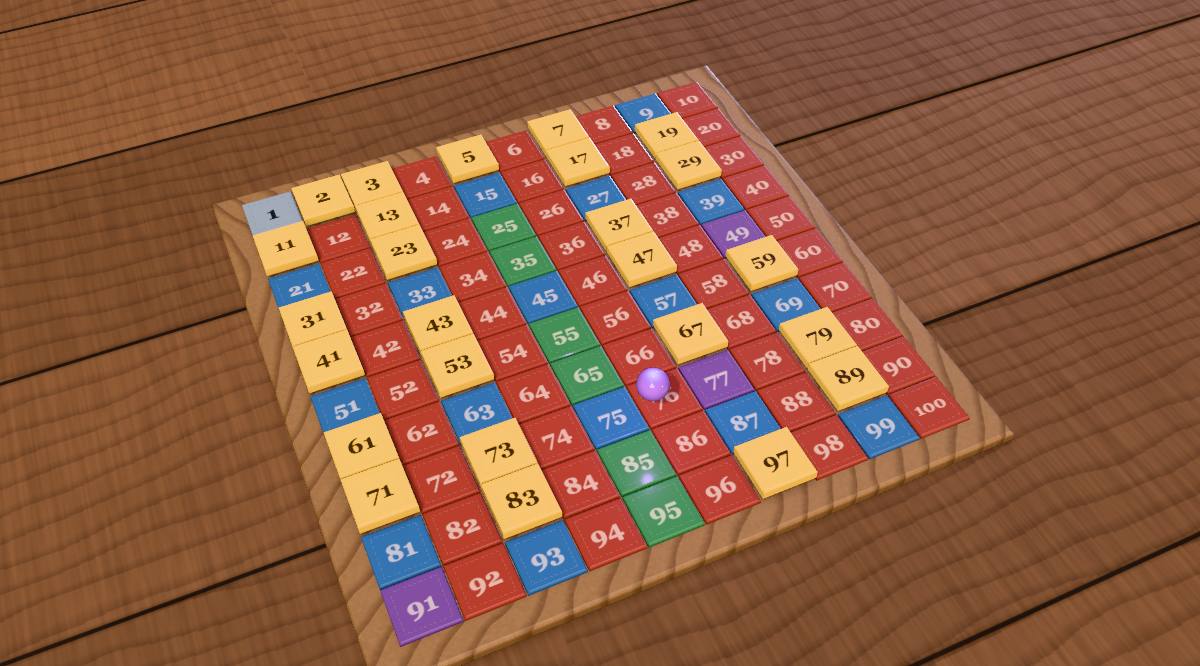
FreeNumber: primes, factors and multiples10–20 min · Ages 8–14

Primes and multiples

Which numbers can't be split into equal rows — and why do they matter so much?

Launch ↗Teacher notes
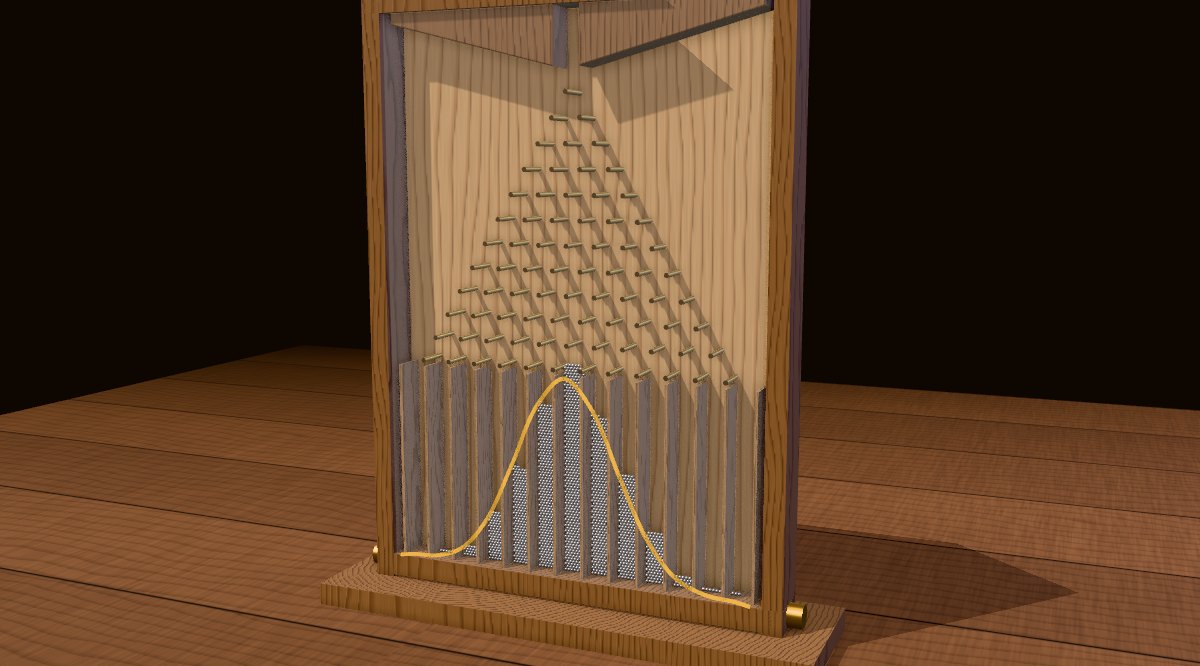
FreeProbability10–20 min · Ages 9–16

Probability and the Galton board

Why do a thousand random bounces always make the same bell-shaped hill?

Launch ↗Teacher notes
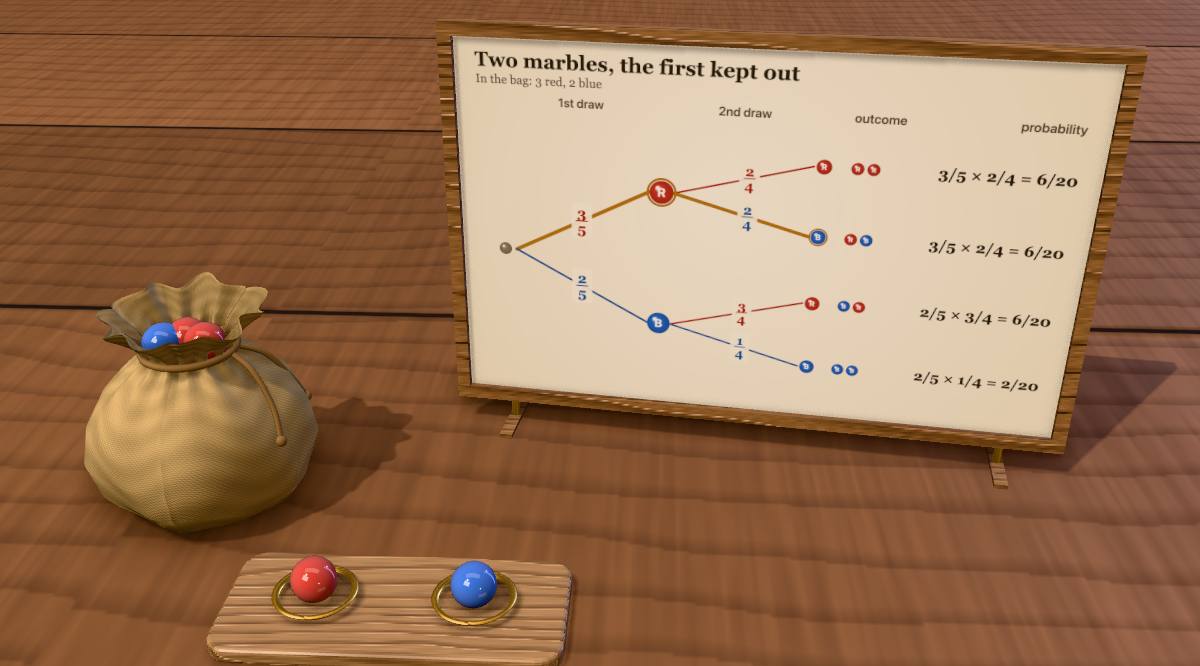
FreeProbability: tree diagrams, two-way tables, independence and Bayes10–20 min · Ages 13–19

Probability trees and conditional probability

If the first marble was red, what are the chances for the second? And why is a positive result from a good medical test often a false alarm?

Launch ↗Teacher notes
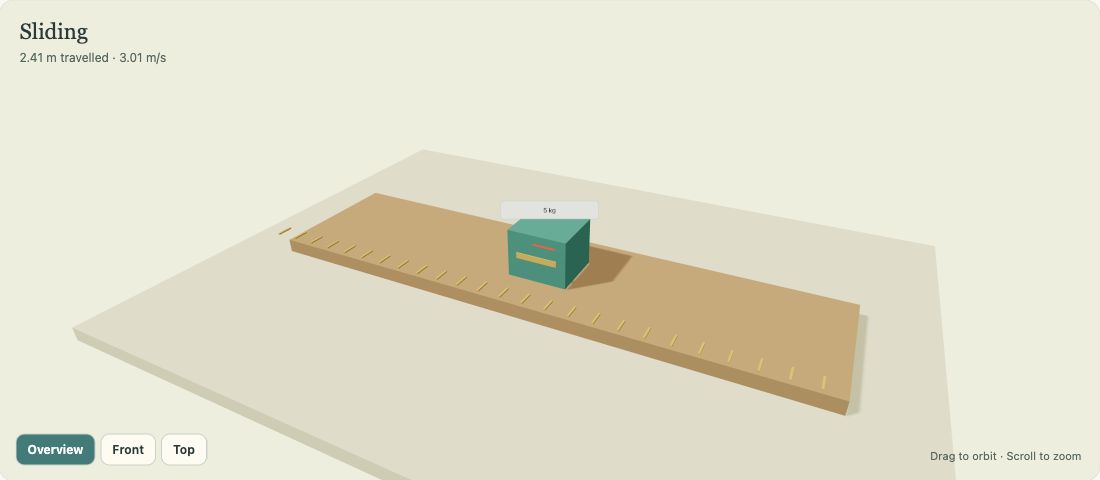
FreeMotion & forces10–20 min · Ages 9–12

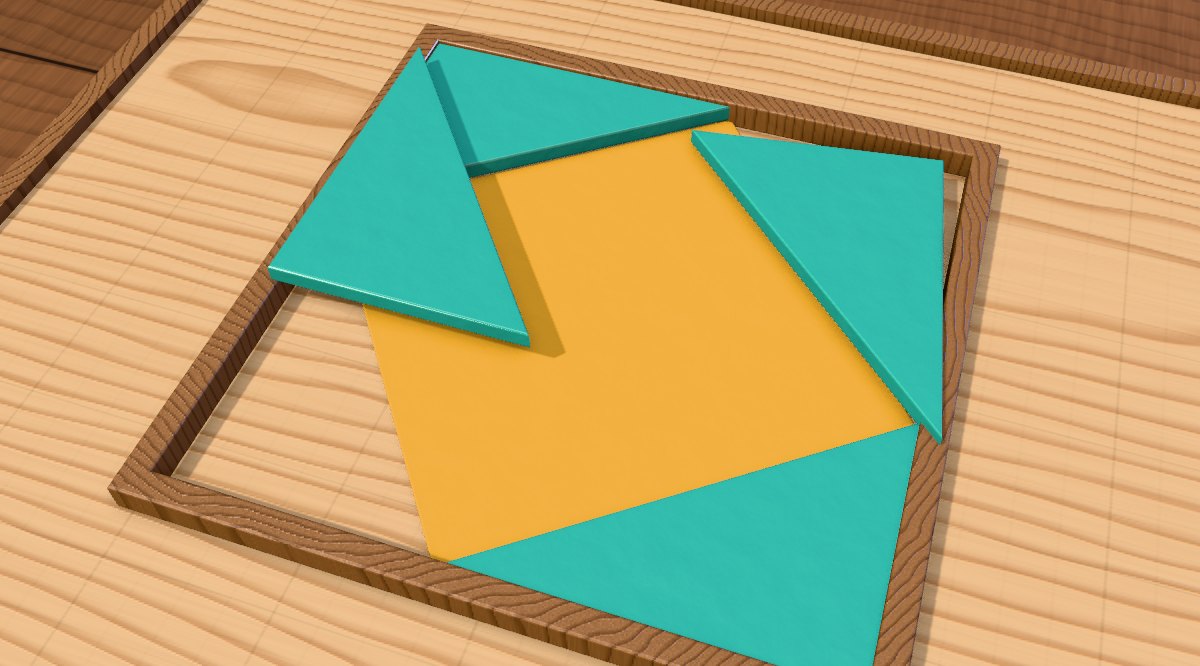
Push until it moves

Why is starting sometimes harder than sliding?

Launch ↗Teacher notes
FreeGeometry proofs10–20 min · Ages 10–16

Pythagoras and geometry proofs

Why is the square on the hypotenuse exactly as big as the other two together?

Launch ↗Teacher notes
FreeMotion & forces10–20 min · Ages 9–12

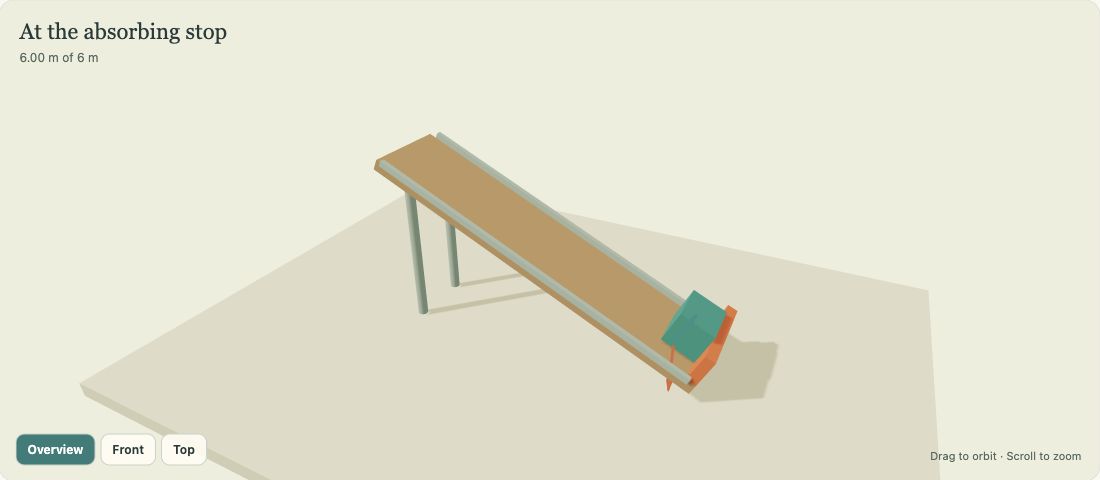
Race down a ramp

Does a heavier sliding block arrive first?

Launch ↗Teacher notes
FreeRatio, proportion and percentages10–20 min · Ages 9–15

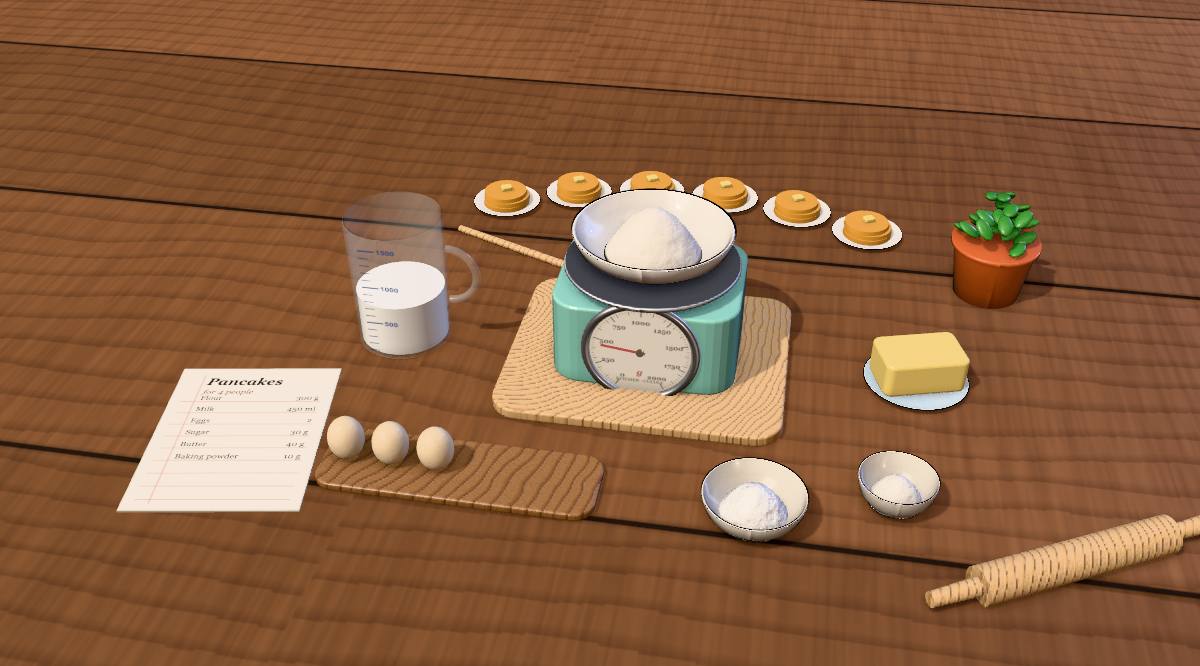
Ratio and percentages

If a recipe for 4 needs 300 g of flour, how much for 6 — and is '30% off' the same as 'buy 3 pay 2'?

Launch ↗Teacher notes
FreeReactions, acids & bases10–20 min · Ages 10–17

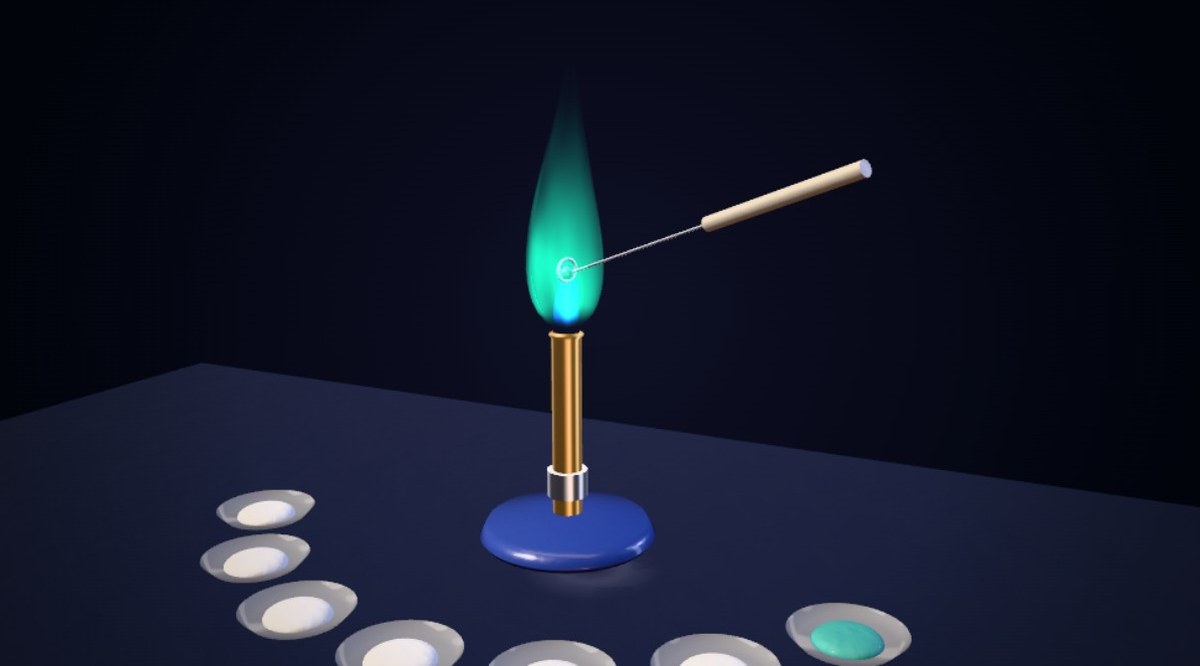
Reactions bench

What really happens to atoms in a chemical reaction?

Launch ↗Teacher notes
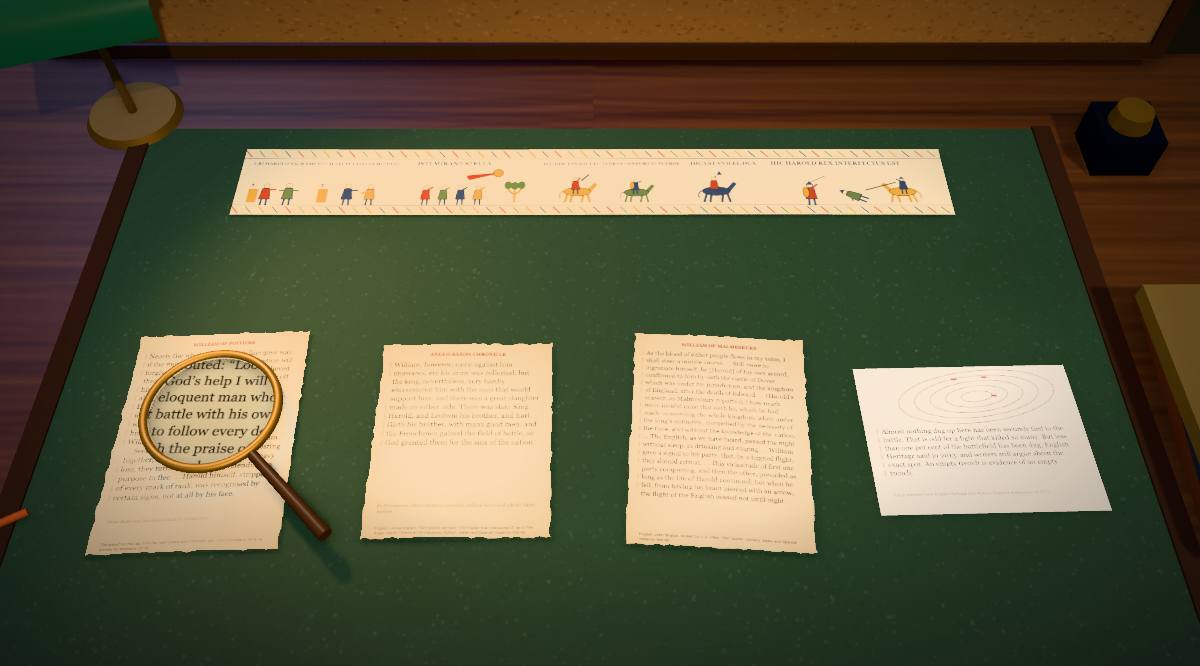
FreeEvidence: Vesuvius 79, Hastings 1066, the Lusitania 191510–20 min · Ages 11–18

Reading the sources

How do you know what happened, if you weren't there?

Launch ↗Teacher notes
FreeThe Renaissance workshop: fresco, pigment, tempera and oil, contracts, proportion, north and south10–20 min · Ages 9–16

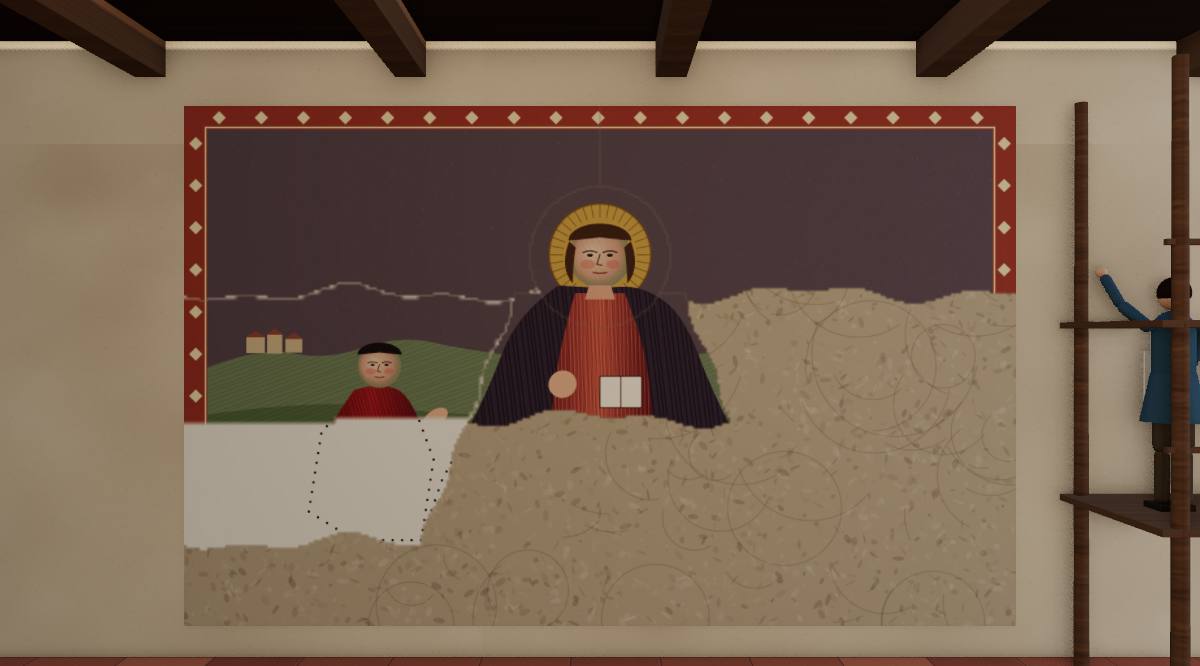
Renaissance workshop

What was made in a Renaissance workshop?

Launch ↗Teacher notes
FreeRhythm, note values and reading music10–20 min · Ages 8–14

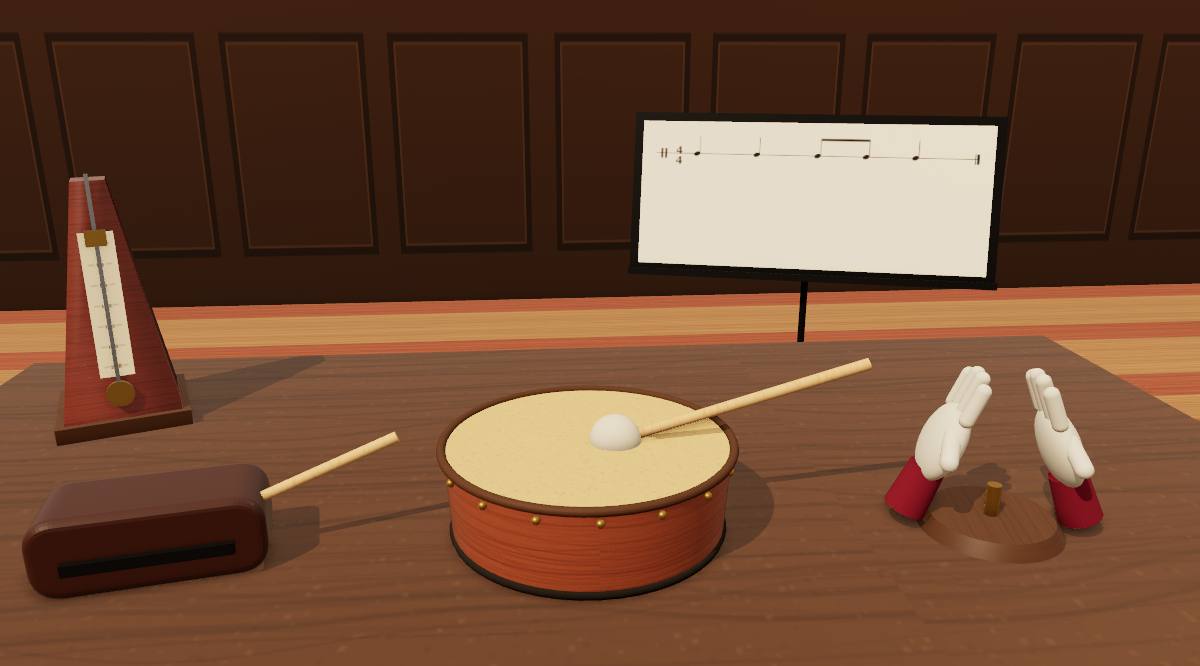
Rhythm and notes

Can you write down the beat you hear?

Launch ↗Teacher notes
FreeRivers and the water cycle10–20 min · Ages 7–15

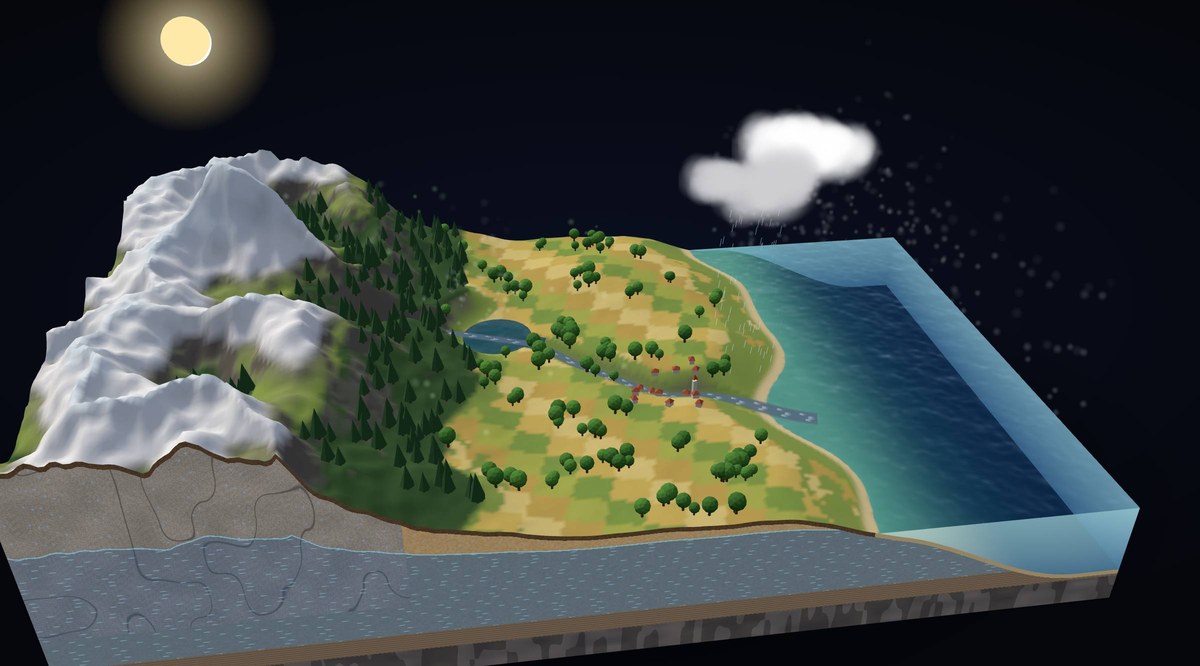
Rivers and the water cycle

Where does the water in a river come from — and how does a river carve a whole valley?

Launch ↗Teacher notes
FreeSpace & gravity10–20 min · Ages 12–15

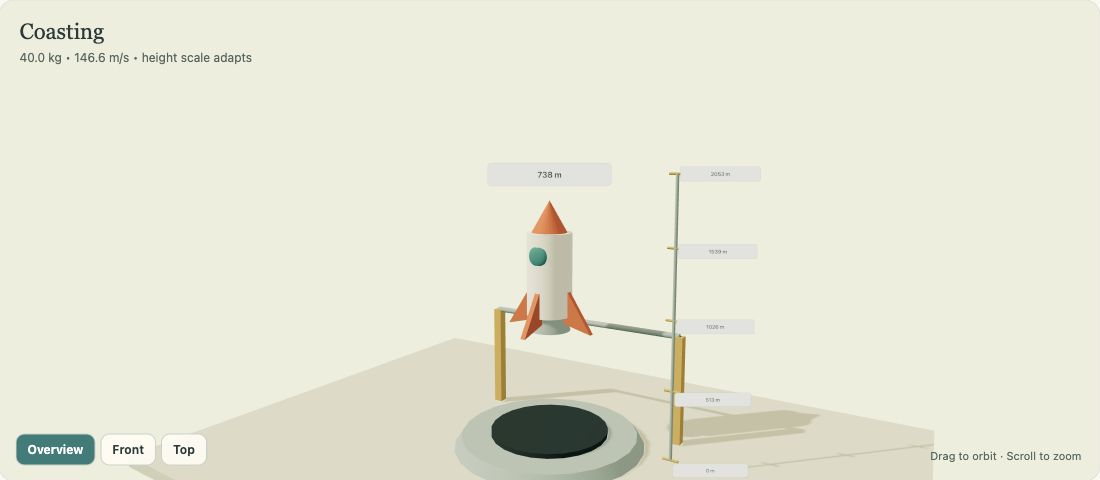
Rocket lab

Why does a rocket accelerate as it uses fuel?

Launch ↗Teacher notes
FreeRocks, the rock cycle and soil10–20 min · Ages 8–15

Rocks, the rock cycle and soil

How can a grain of granite become sand, then shale, then schist — and how does bare rock become the soil that feeds us?

Launch ↗Teacher notes
FreeAncient Rome: engineering10–20 min · Ages 9–15

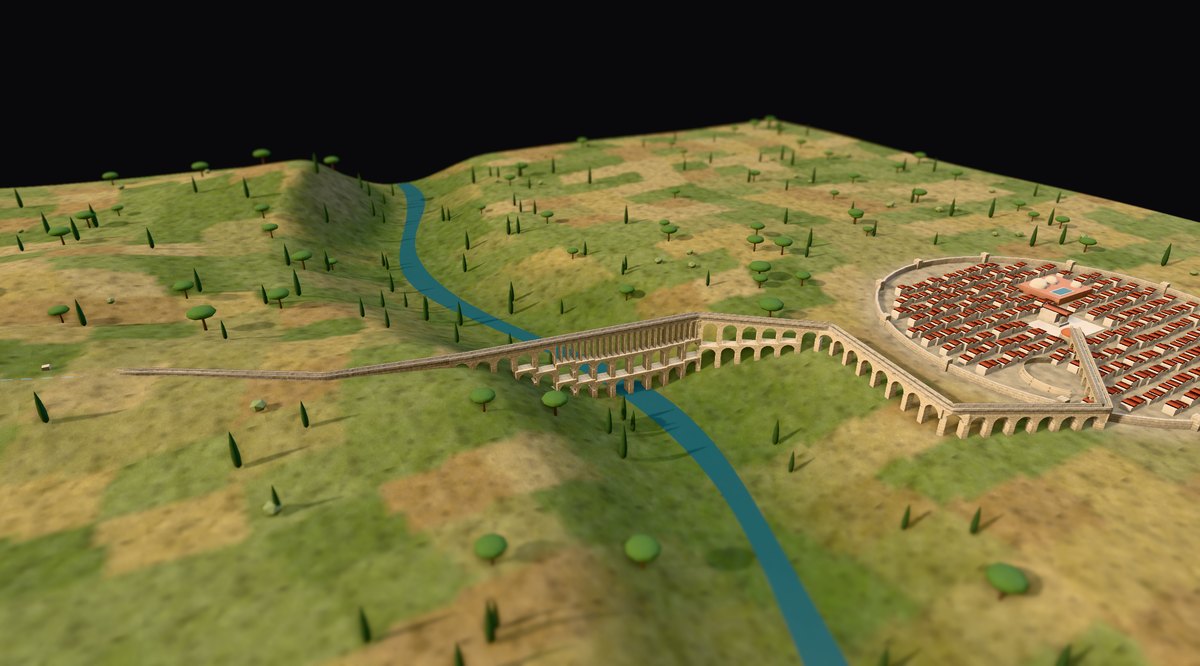
Roman engineering

How did the Romans carry water 90 km downhill without pumps — and build a dome that still stands 1,900 years later?

Launch ↗Teacher notes
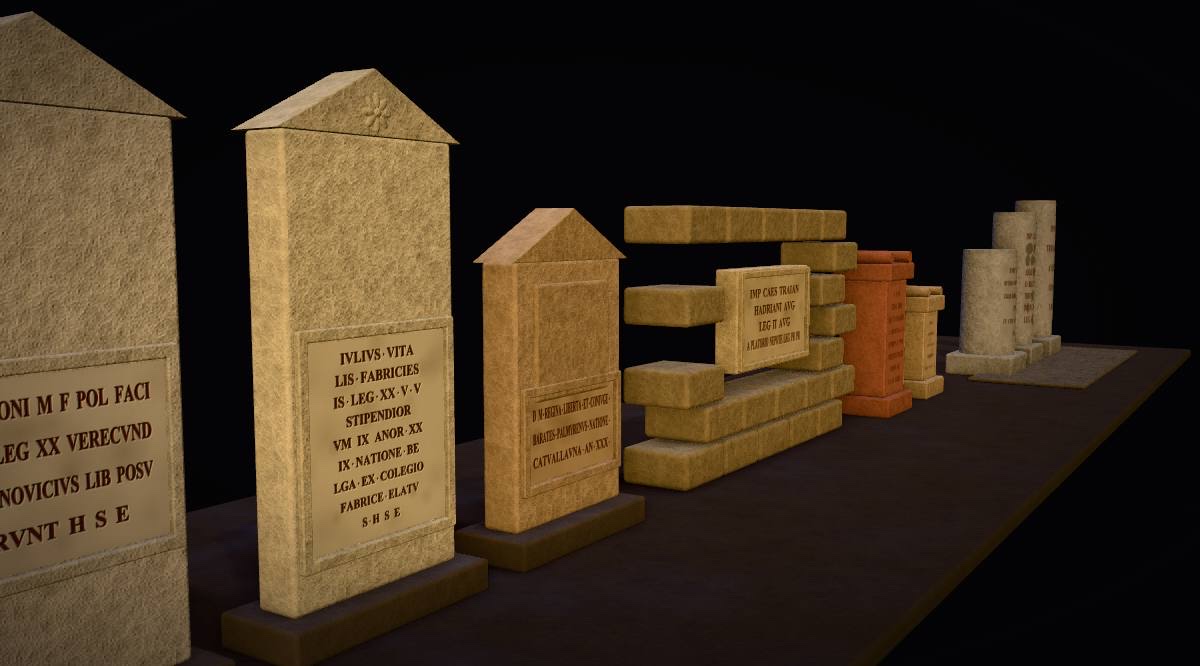
FreeReading Latin inscriptions from Roman Britain: capitals with no spaces, interpuncts and line breaks, Roman numerals, the abbreviations of tombstones, altars and milestones, who paid for a stone and why, and dating a stone from the emperor’s consulships and tribunician power10–20 min · Ages 9–16

Roman inscriptions

Can you read a Roman stone?

Launch ↗Teacher notes
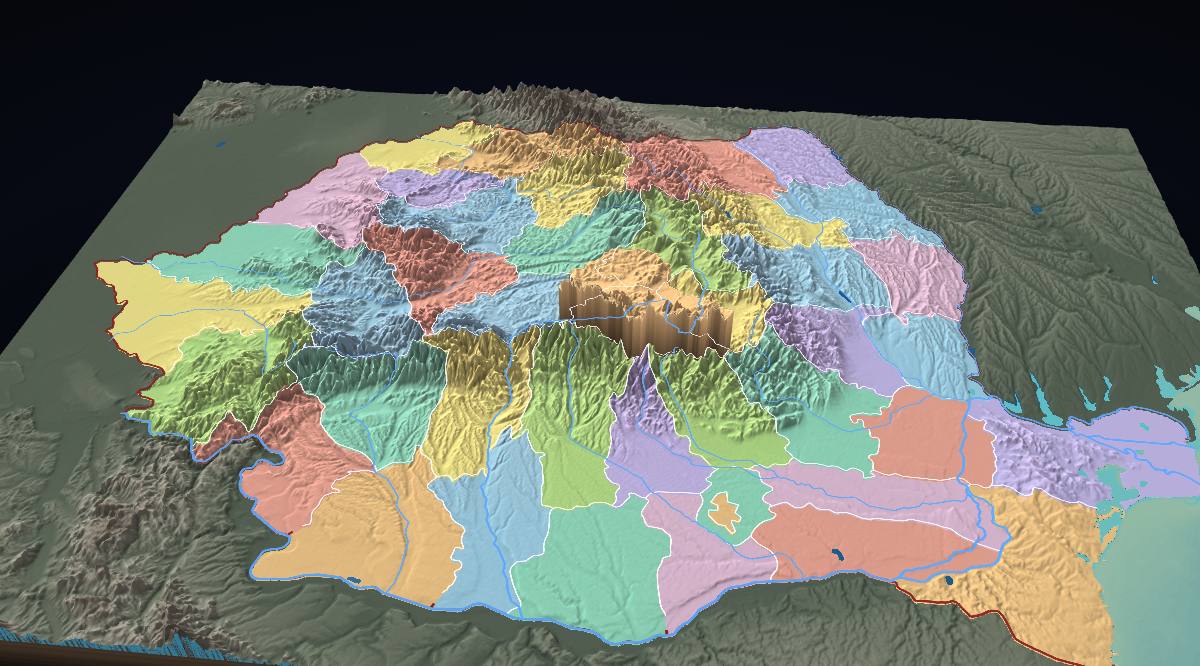
FreePolitical geography10–20 min · Ages 9–14

Romania county by county

Why does Romania have 41 counties, a capital with the rank of a county, and eight regions that nobody elects?

Launch ↗Teacher notes
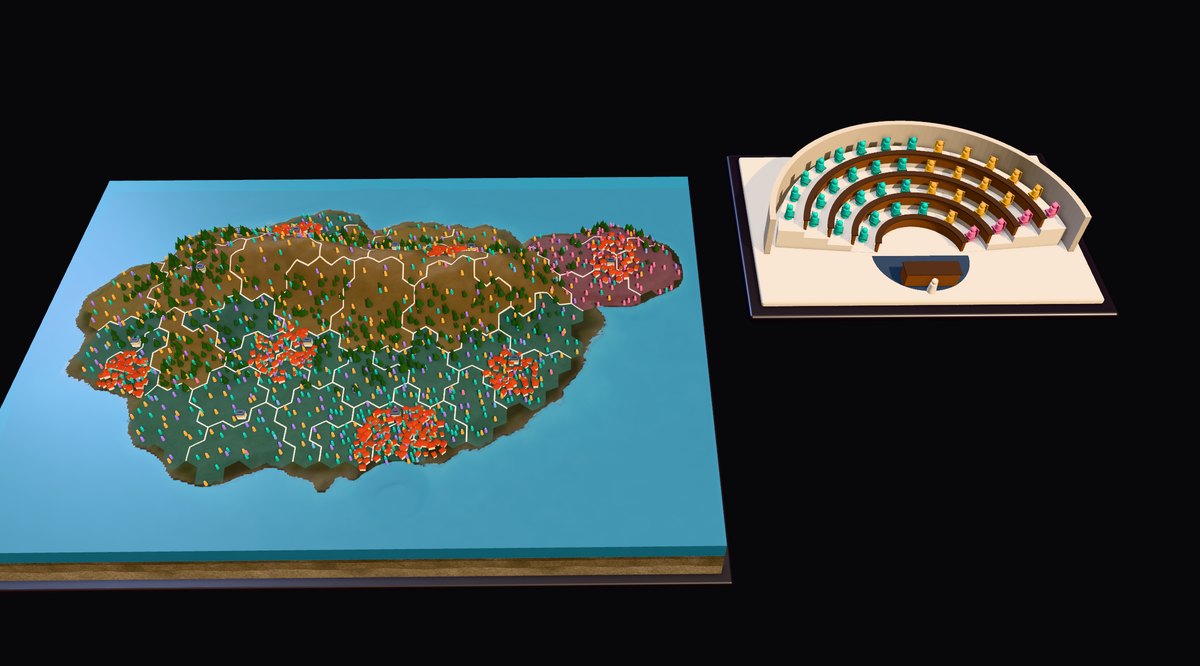
FreeCitizenship: elections and electoral systems10–20 min · Ages 11–17

Same votes, different parliament

Same votes, different parliament: how can that be?

Launch ↗Teacher notes
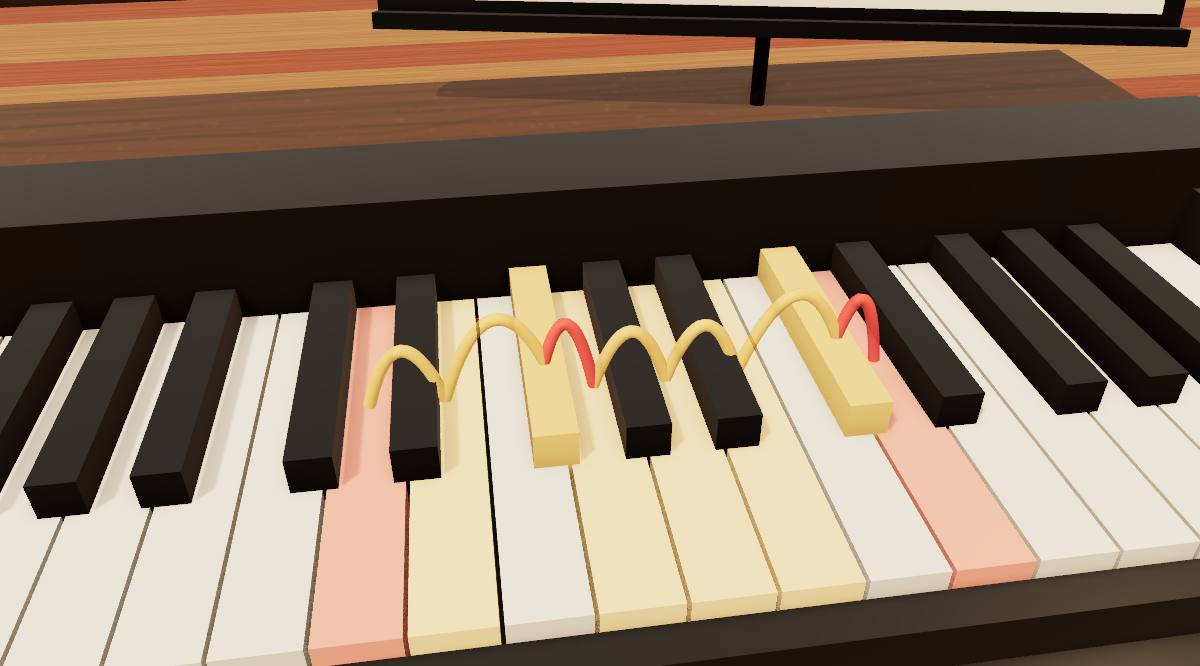
FreeScales, tones and semitones, major and minor10–20 min · Ages 8–14

Scales and moods

Why does this tune sound sad?

Launch ↗Teacher notes
FreeSeasons, day and night, Moon phases10–20 min · Ages 7–16

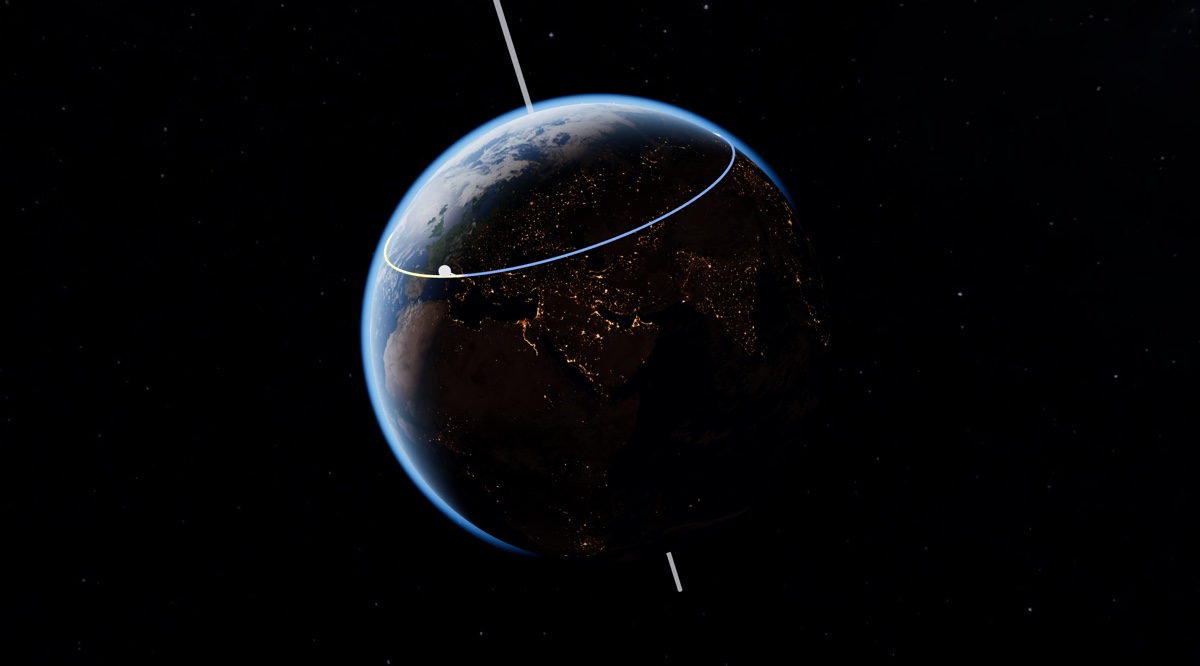
Seasons, days and Moon phases

Why is it cold in winter, and why does the Moon change shape?

Launch ↗Teacher notes
FreeOscillations & waves10–20 min · Ages 9–12

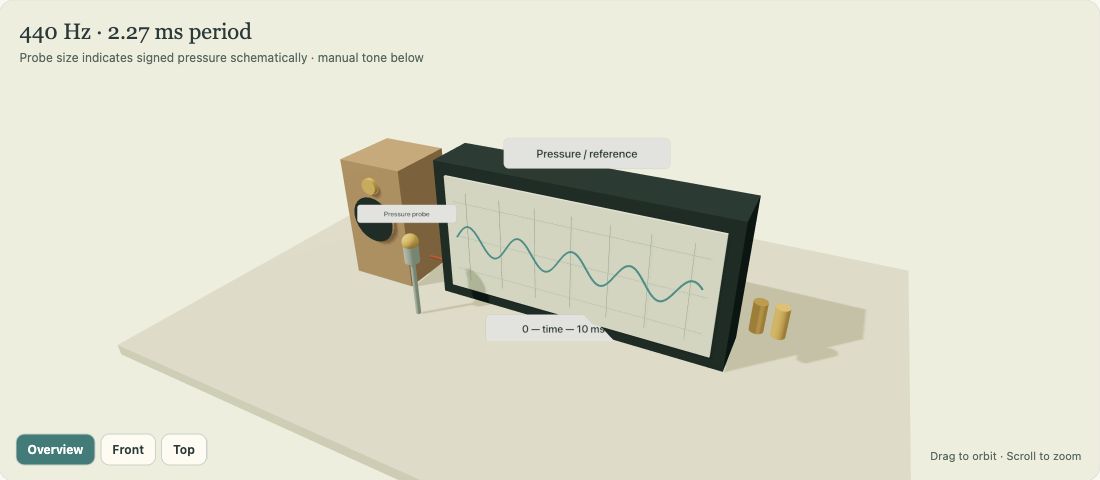
See a sound

What changes pitch and what changes amplitude?

Launch ↗Teacher notes
FreeOscillations & waves10–20 min · Ages 9–12

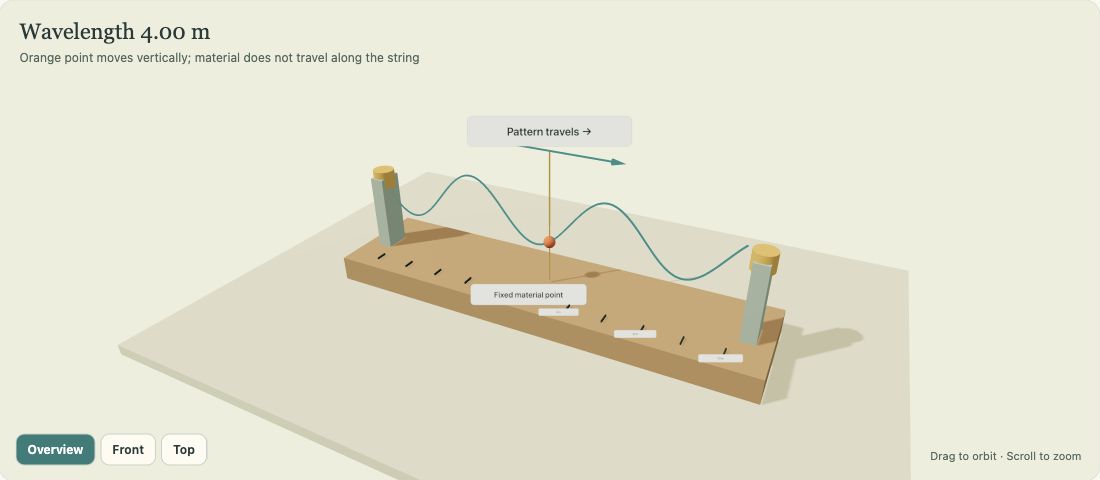
Send a wave

Does the string travel with the wave?

Launch ↗Teacher notes
FreeGrammar of the sentence in each reader’s own language: word classes, agreement, subject, verb, object and the other parts, active and passive, main and subordinate clauses10–20 min · Ages 8–16

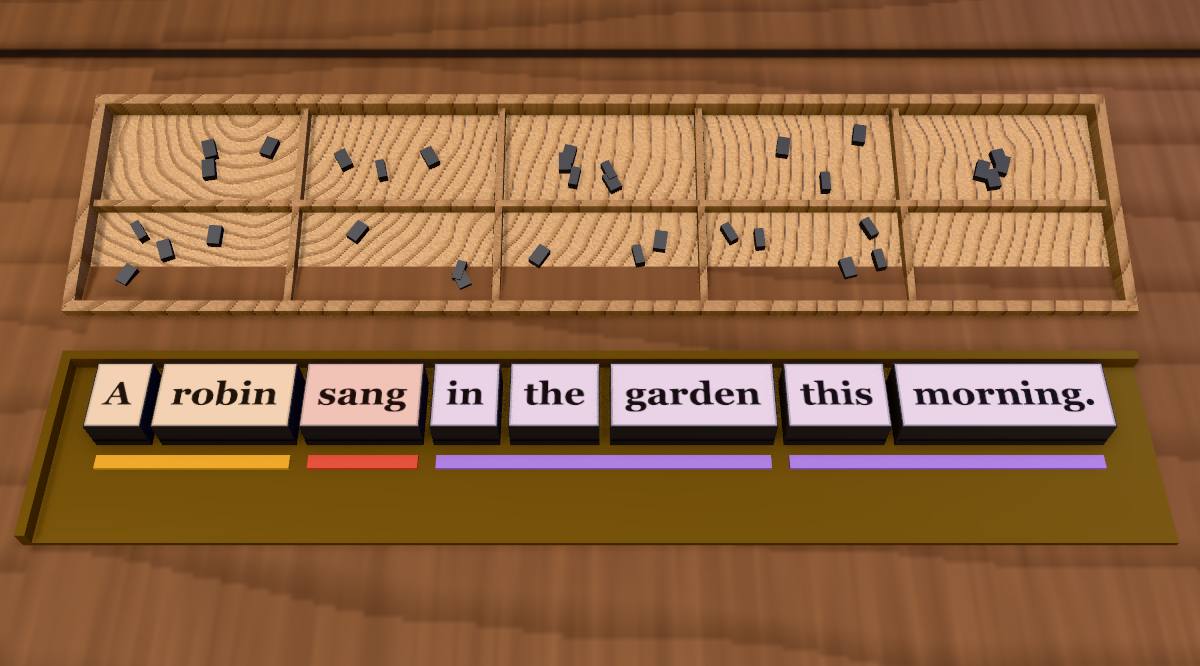
Sentence builder

Who does what in a sentence?

Launch ↗Teacher notes
FreePolitical geography10–20 min · Ages 9–14

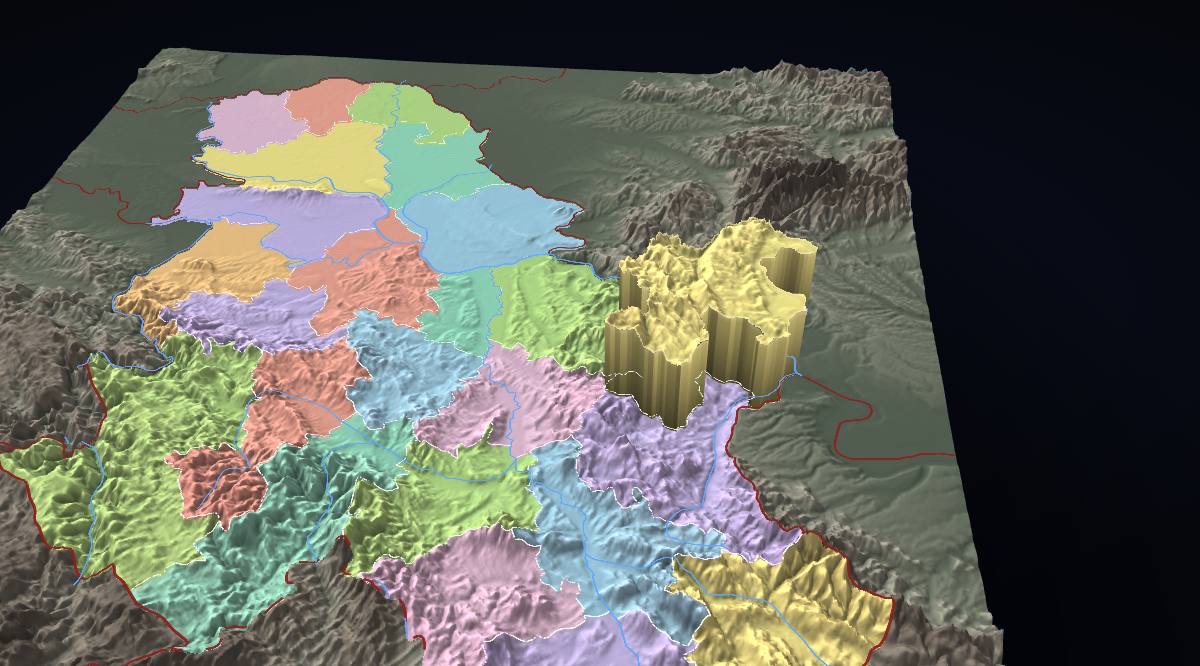
Serbia district by district

Why is Serbia divided into districts, with a capital that belongs to none of them and a province with six official languages?

Launch ↗Teacher notes
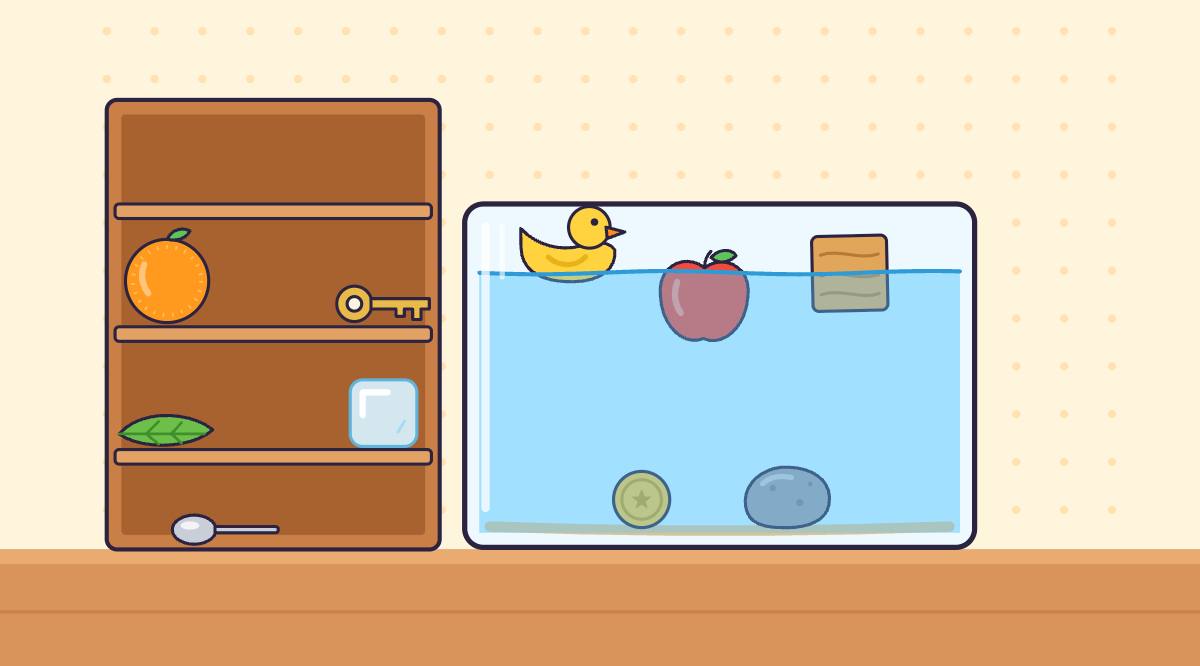
FreeLight: shadows and the Sun10–20 min · Ages 4–7

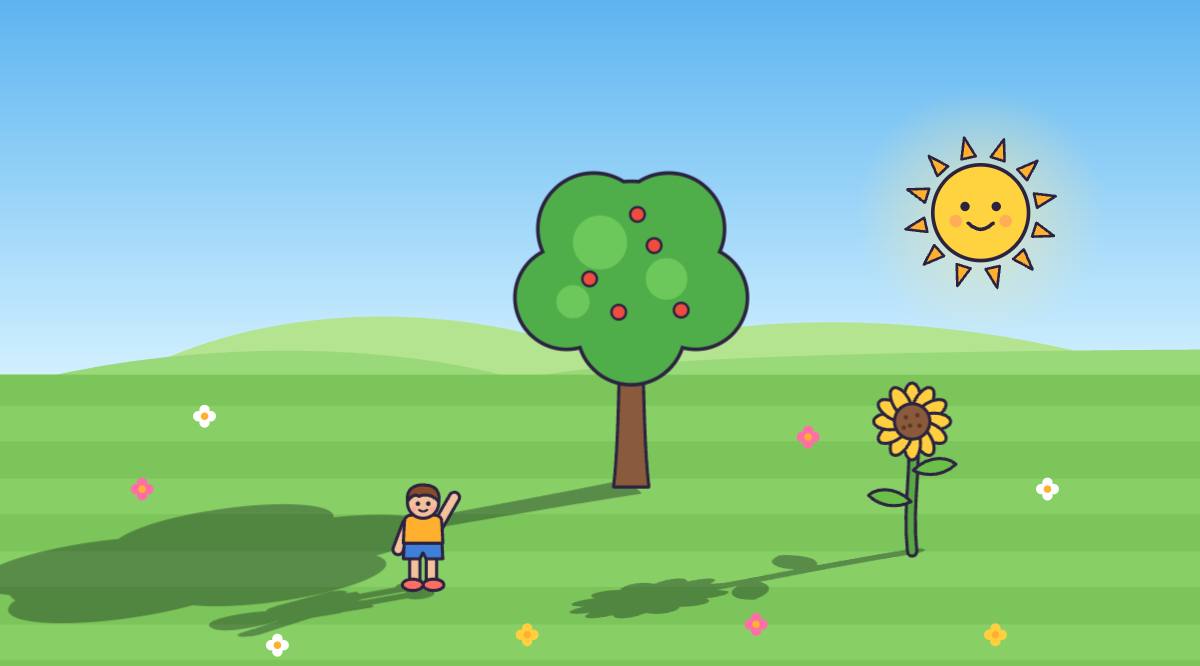
Shadows

Where do shadows come from, and why do they change?

Launch ↗Teacher notes
FreeMaterials and water: floating and sinking10–20 min · Ages 4–7

Sink or float?

Which things float, and which things sink?

Launch ↗Teacher notes
FreePolitical geography10–20 min · Ages 9–14

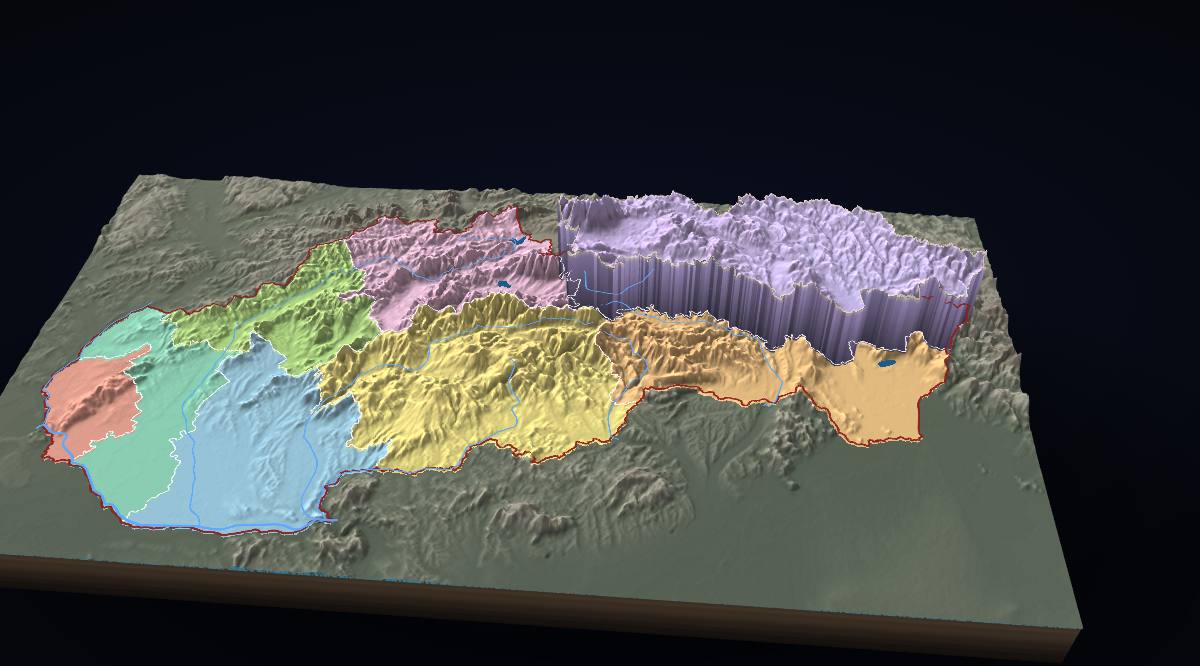
Slovakia region by region

How is a country of mountains, basins and lowlands, between the Tatras and the Danube, divided into 8 regions — and why did they get elected governments only in 2001?

Launch ↗Teacher notes
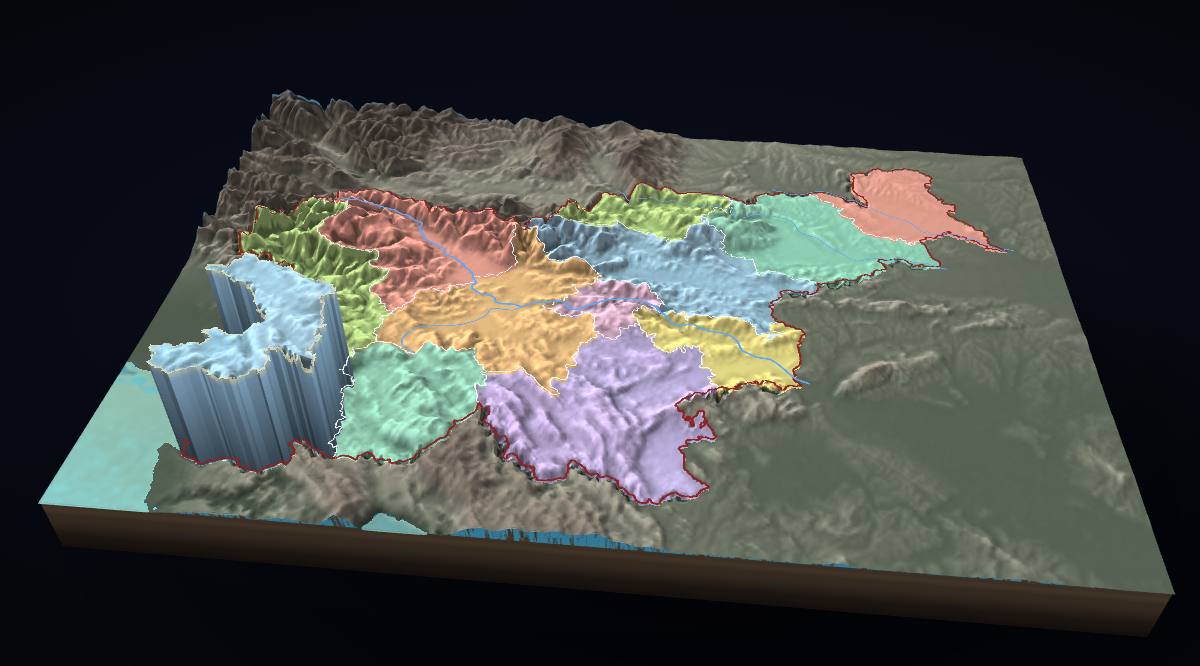
FreePolitical geography10–20 min · Ages 9–14

Slovenia region by region

Slovenia has no regional governments — so what are its 12 regions, and where do Carniola and Styria fit in?

Launch ↗Teacher notes
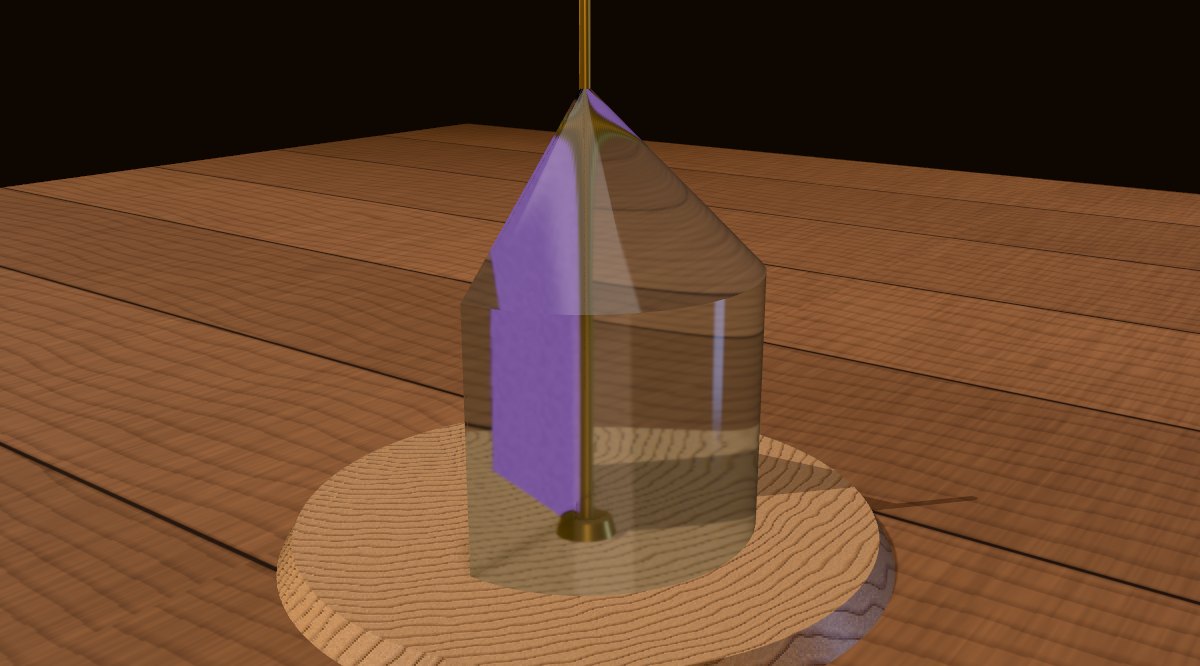
FreeSolid geometry10–20 min · Ages 10–14

Solids lab

What solid do you get when you spin a triangle — and how much water does it hold?

Launch ↗Teacher notes
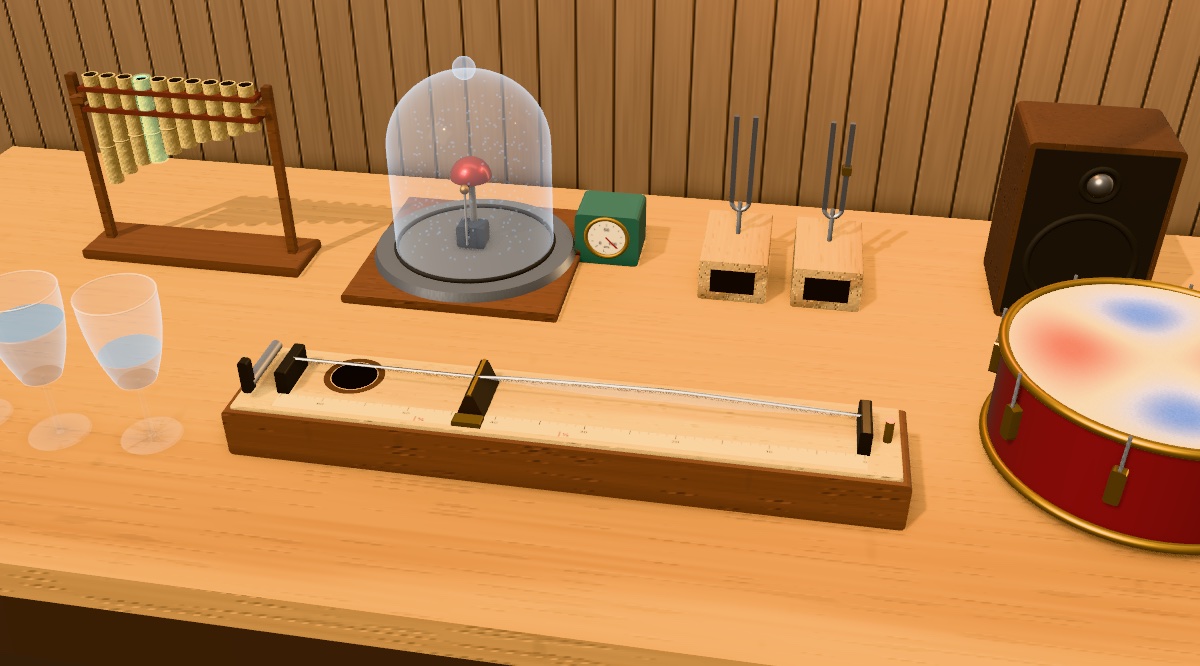
FreeSound and music10–20 min · Ages 7–16

Sound and music lab

What makes one sound high and another low — and why does a violin sound different from a flute playing the same note?

Launch ↗Teacher notes
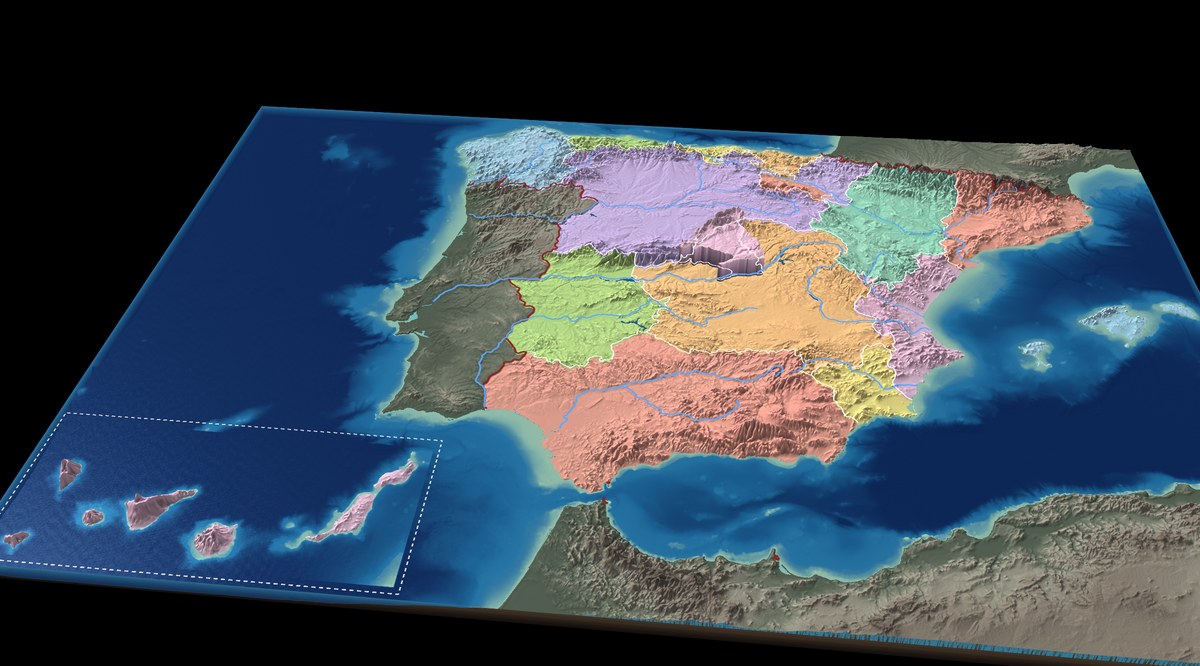
FreePolitical geography10–20 min · Ages 8–14

Spain region by region

Why does Spain have 17 communities and two cities in Africa — and what makes each one different?

Launch ↗Teacher notes
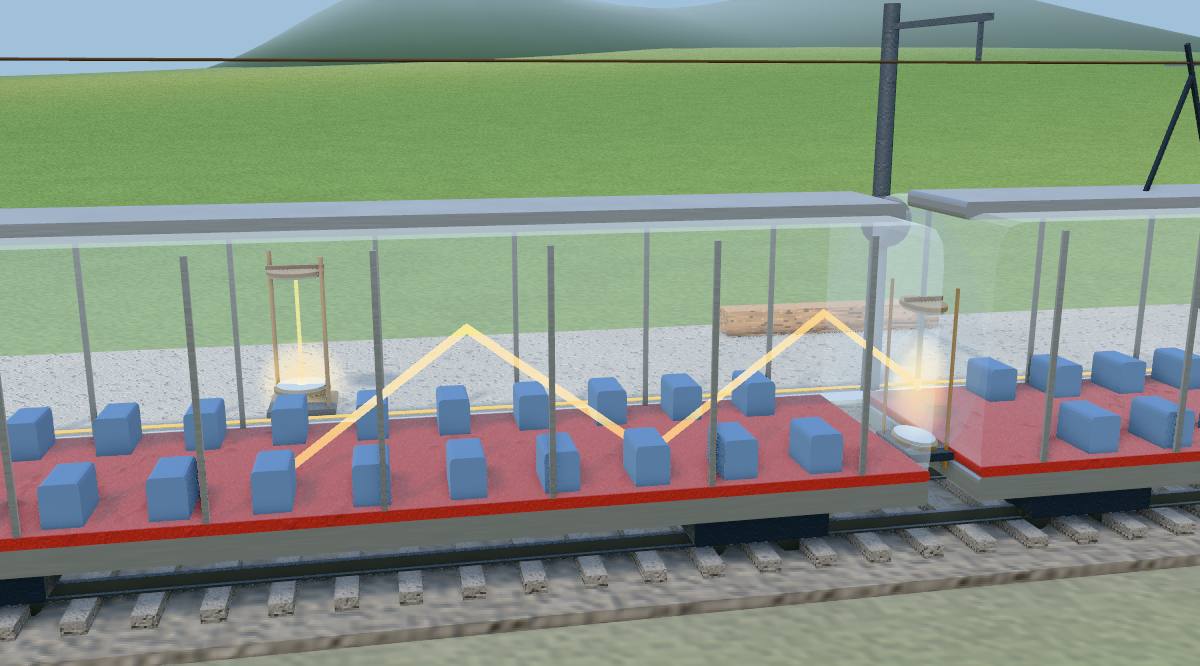
FreeSpecial relativity: time dilation, length contraction and simultaneity10–20 min · Ages 13–19

Special relativity

Can a clock on a fast train really run slow? If light has the same speed for everyone, what has to give way?

Launch ↗Teacher notes
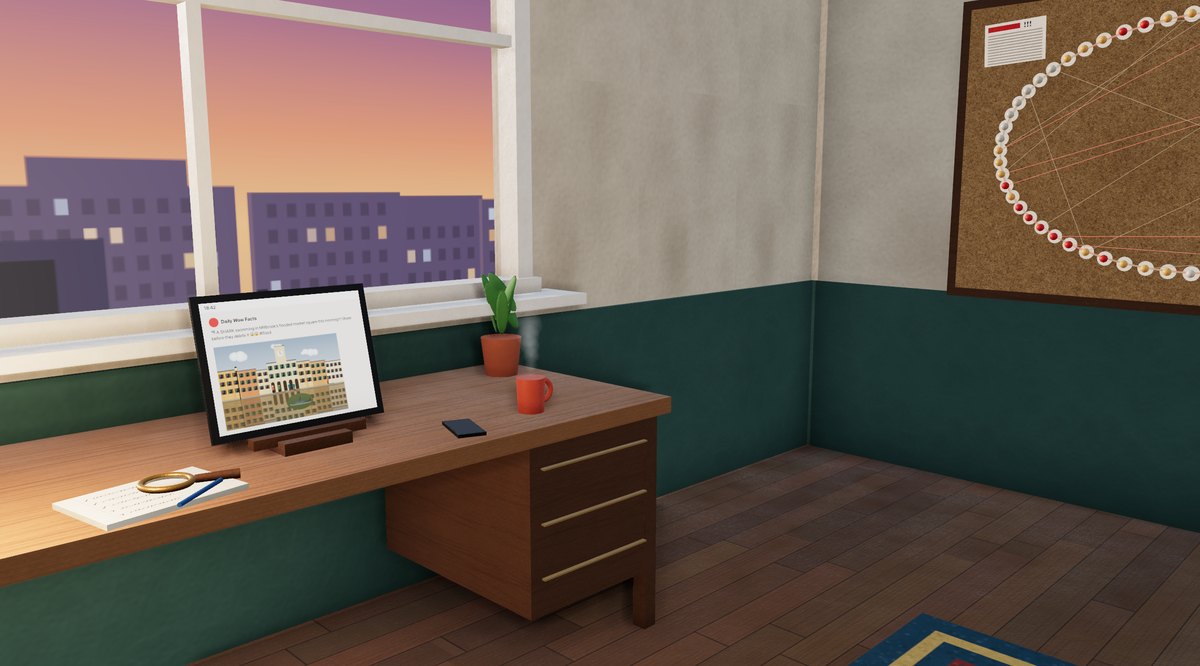
FreeDigital citizenship and media literacy10–20 min · Ages 10–16

Spot the fake: checking what you see online

How can you tell whether a post, a photo or a message is telling the truth?

Launch ↗Teacher notes
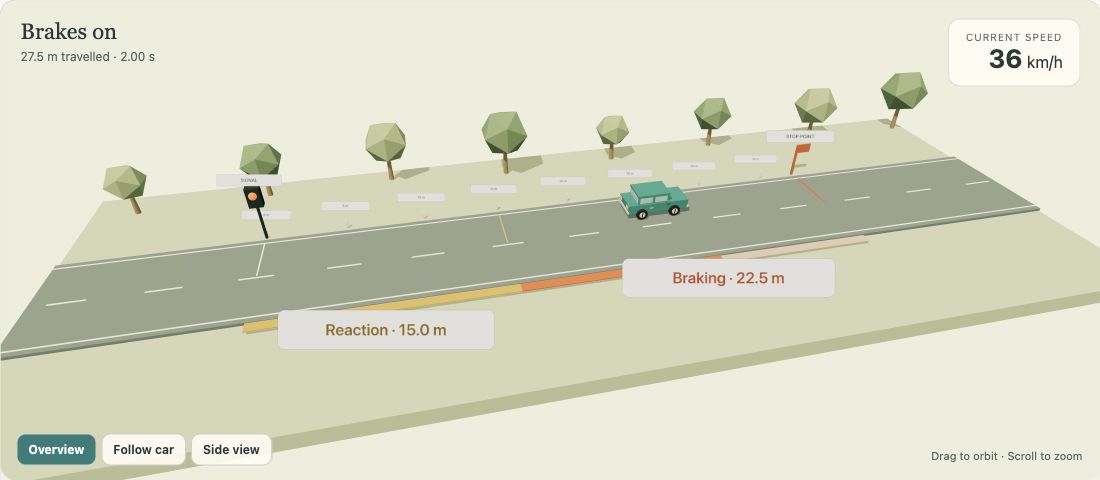
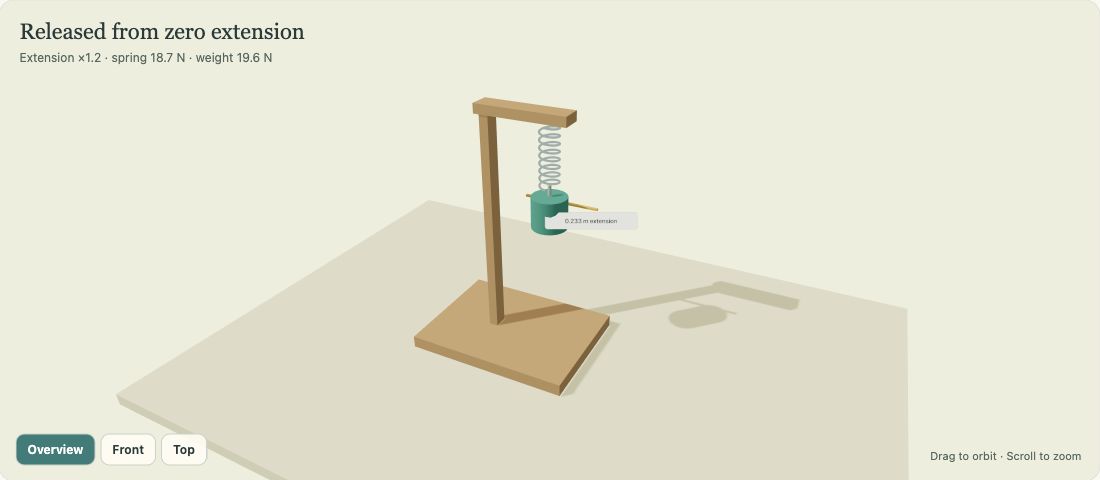
FreeMotion & forces10–20 min · Ages 11–14

Stopping distance

Does twice the speed mean twice the stopping distance?

Launch ↗Teacher notes
FreeOscillations & waves10–20 min · Ages 9–12

Stretch a spring

What doubles when you double the load?

Launch ↗Teacher notes
FreeEconomics: markets, prices, supply and demand10–20 min · Ages 11–17

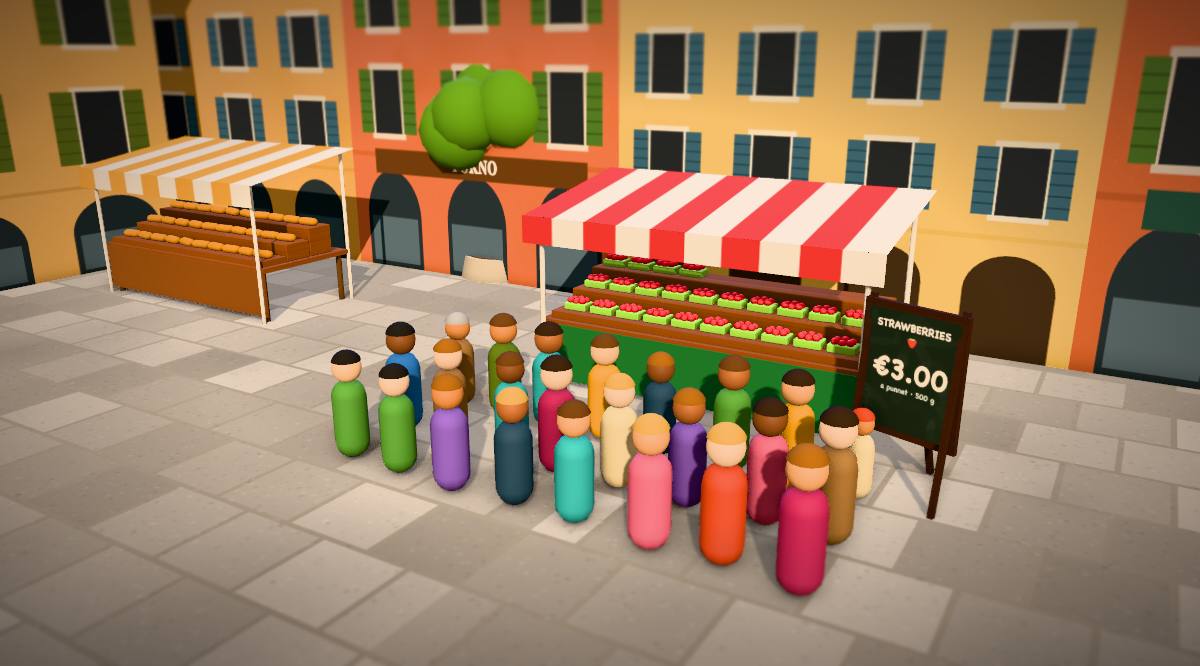
Supply and demand: the price of strawberries

Why are strawberries cheap in June and dear in December?

Launch ↗Teacher notes
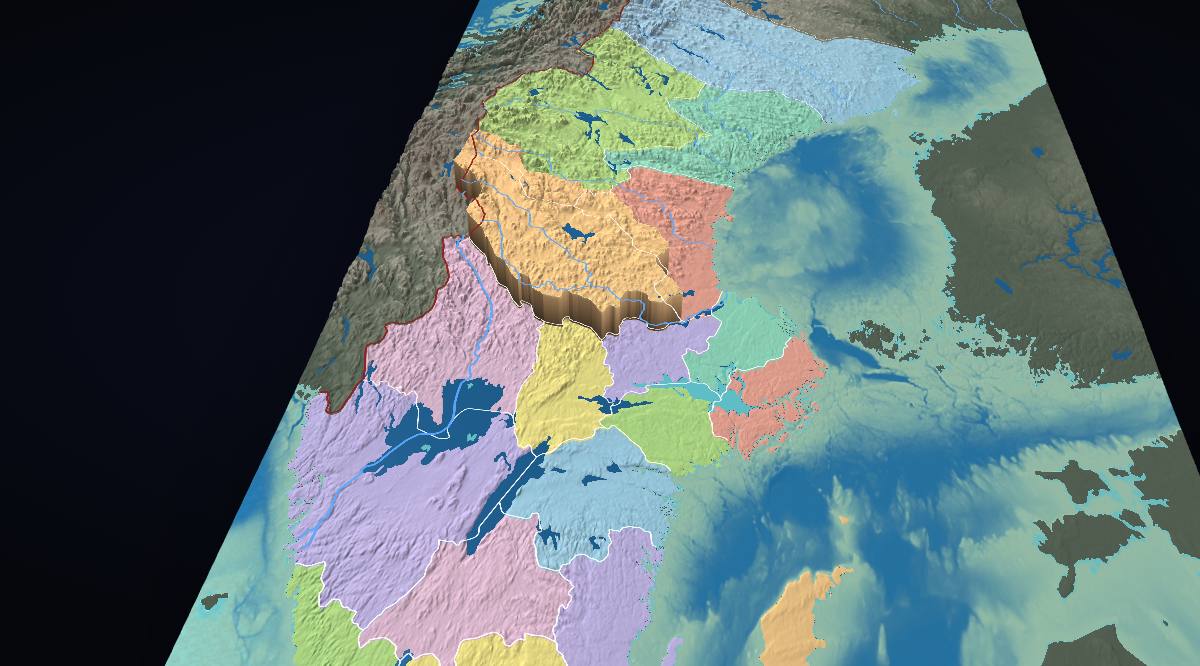
FreePolitical geography10–20 min · Ages 9–14

Sweden county by county

Why is Sweden divided into 21 counties — and who runs them?

Launch ↗Teacher notes
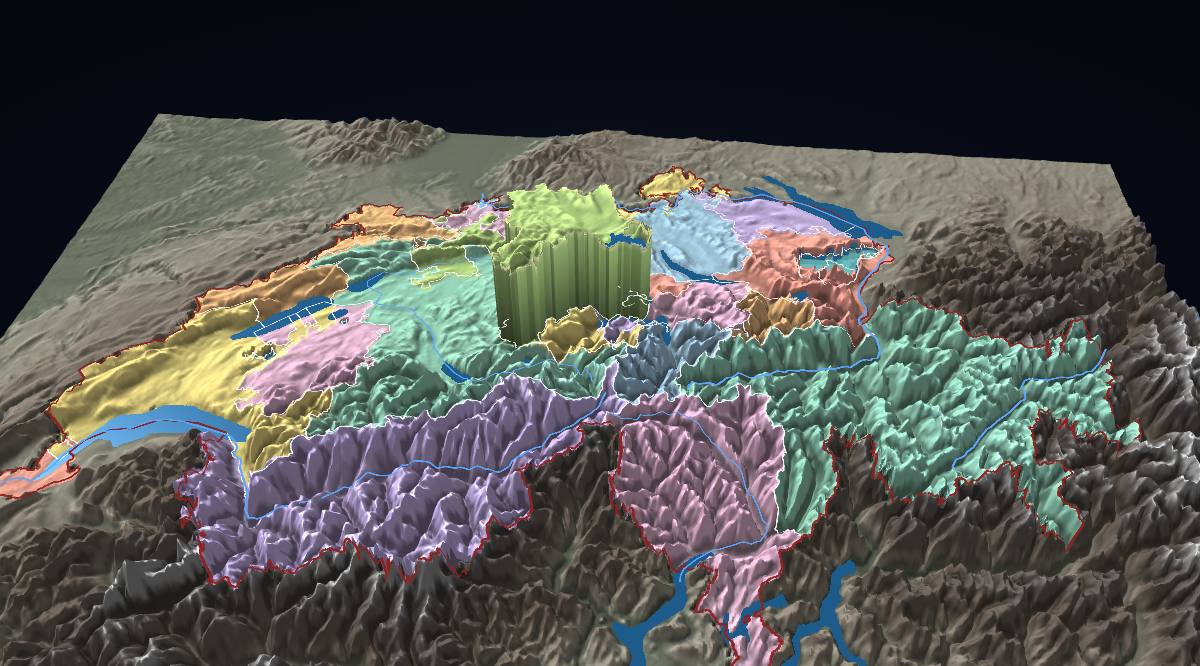
FreePolitical geography10–20 min · Ages 9–14

Switzerland canton by canton

How do 26 cantons, four languages and the high Alps make one small country?

Launch ↗Teacher notes
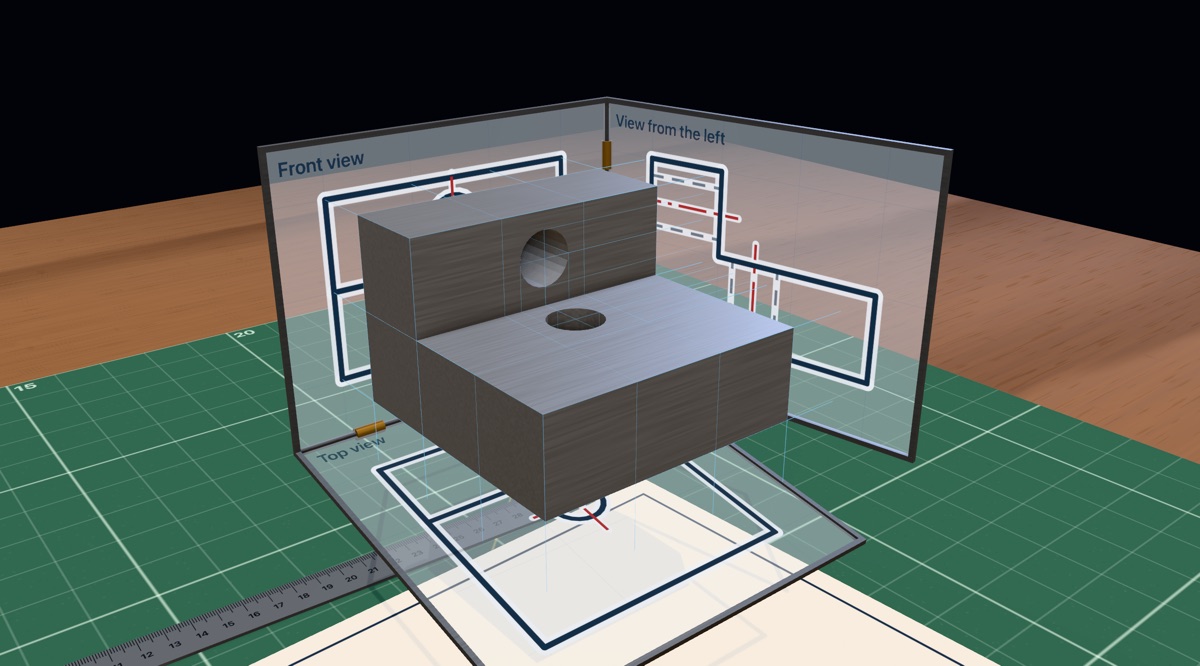
FreeOrthographic and isometric views10–20 min · Ages 10–16

Technical drawing

How do you draw a 3D object on flat paper so anyone can make it?

Launch ↗Teacher notes
FreeGreek and Roman architecture: the orders10–20 min · Ages 9–16

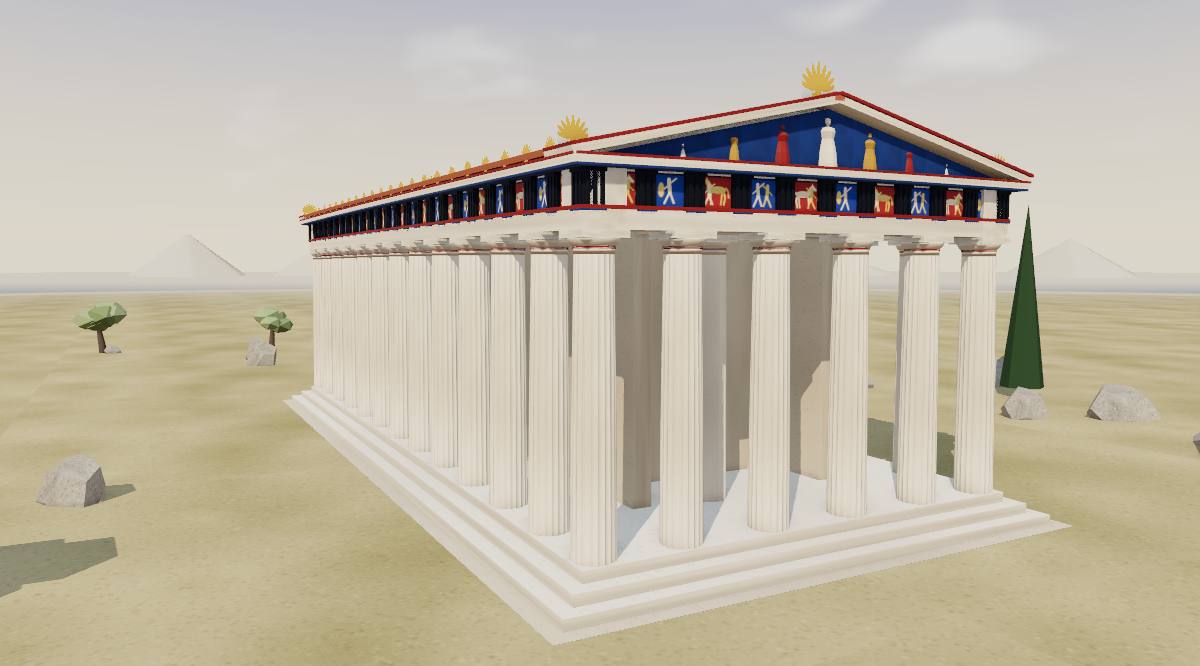
Temple orders

Why does a Greek temple look so calm — and how can you tell Doric from Corinthian?

Launch ↗Teacher notes
FreePhilosophy of science: Wason's 2-4-6 task, confirmation and falsification, Hume's problem of induction, Popper and the black swan, Semmelweis as a case of testing rival explanations10–20 min · Ages 12–19

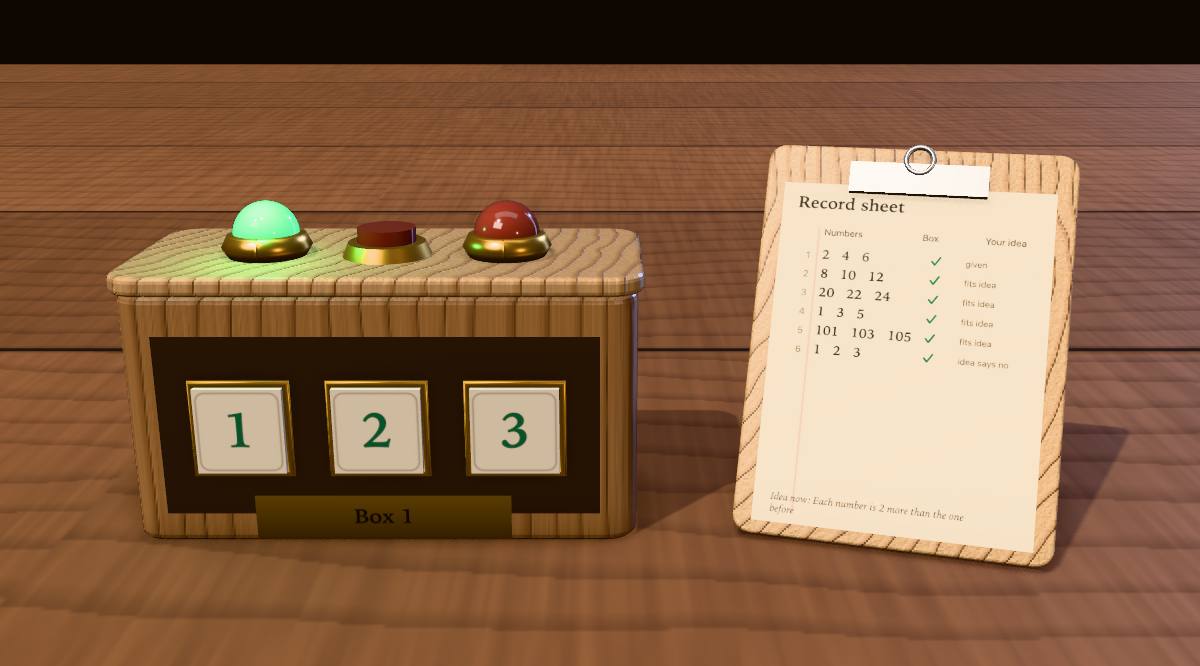
Testing ideas

How do you know you're wrong?

Launch ↗Teacher notes
FreeAge of exploration10–20 min · Ages 10–15

The age of exploration

How did sailors cross oceans no one had mapped — and what changed for the world when they did?

Launch ↗Teacher notes
FreePolitical geography10–20 min · Ages 9–14

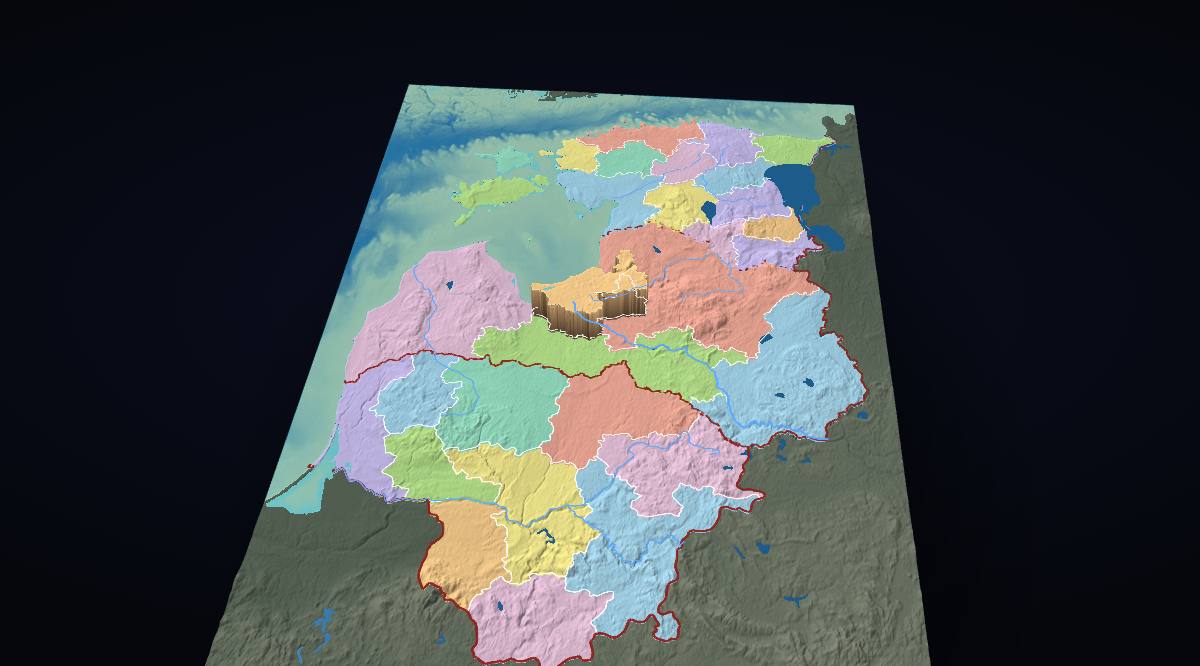
The Baltic states region by region

How are Estonia, Latvia and Lithuania, three low countries shaped by the ice on the Baltic Sea, divided into 30 regions — and why does a region mean something different in each of them?

Launch ↗Teacher notes
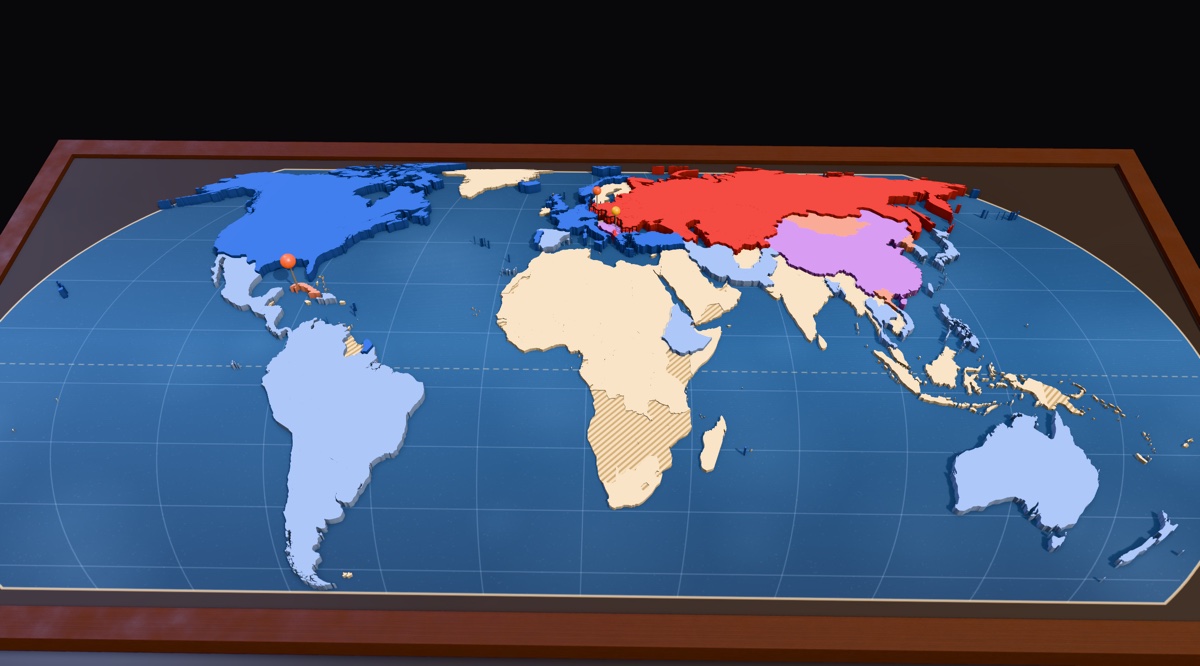
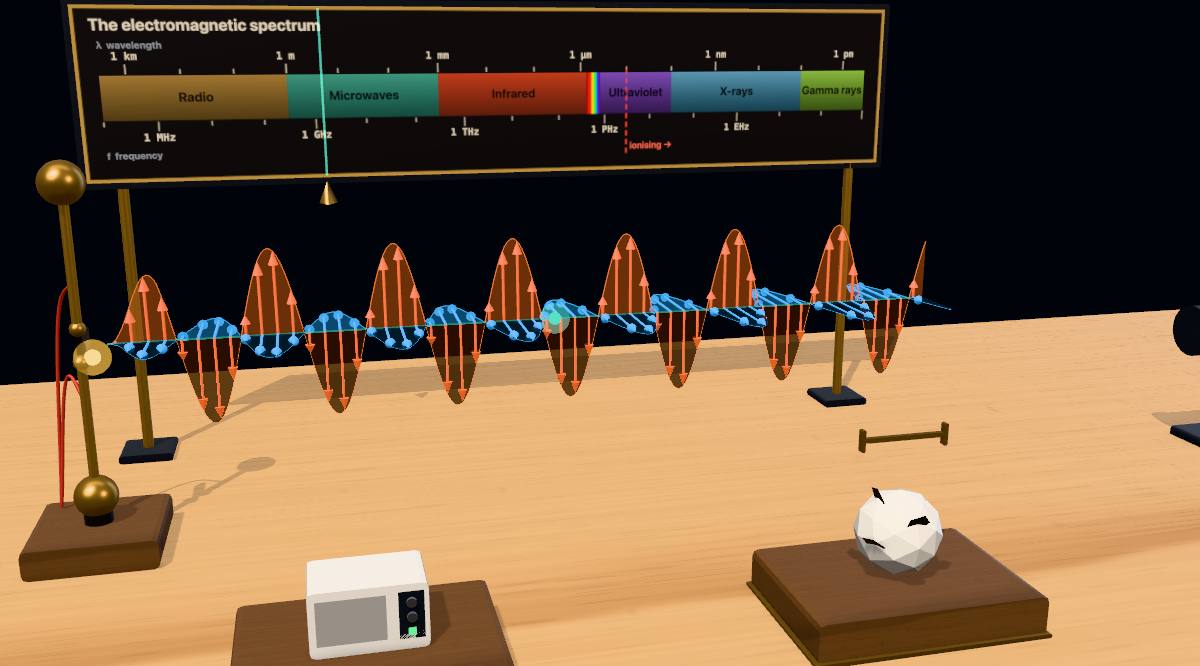
FreeThe Cold War, 1945–199110–20 min · Ages 12–17

The Cold War

How did the world split in two without a world war?

Launch ↗Teacher notes
FreeWaves and light: the electromagnetic spectrum10–20 min · Ages 13–19

The electromagnetic spectrum

Radio, light and X-rays are the same thing. How?

Launch ↗Teacher notes
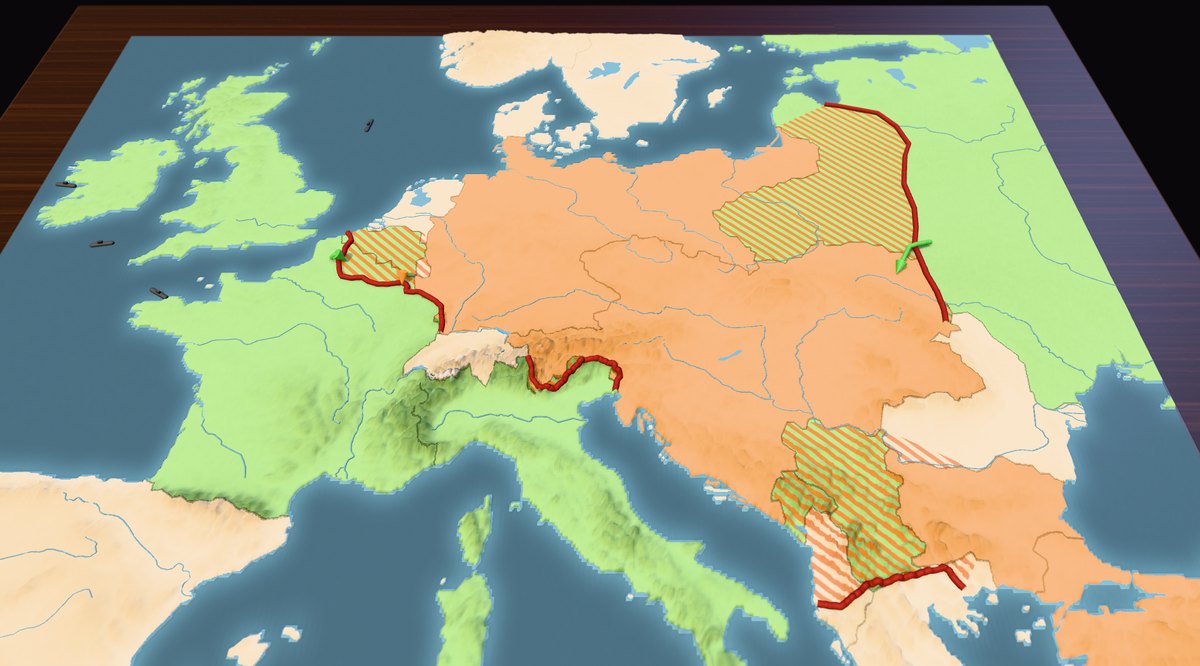
FreeThe First World War10–20 min · Ages 11–16

The First World War, 1914–1918

Why did a murder in Sarajevo become a world war — and what did four years of it do to soldiers, families and the map of Europe?

Launch ↗Teacher notes
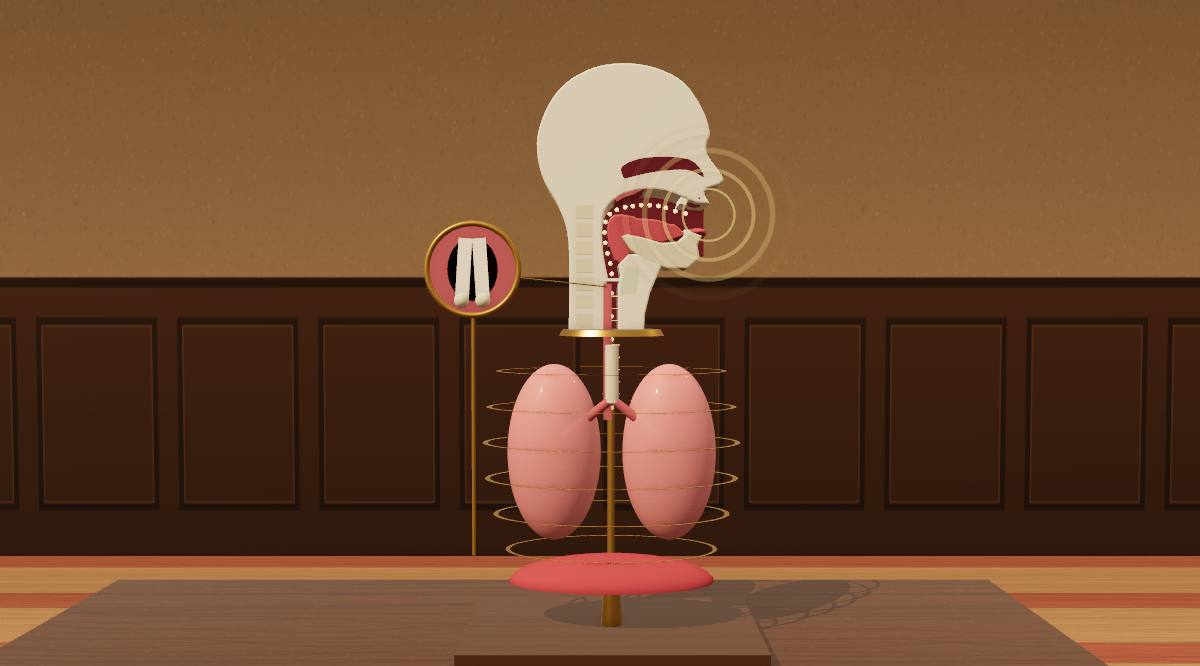
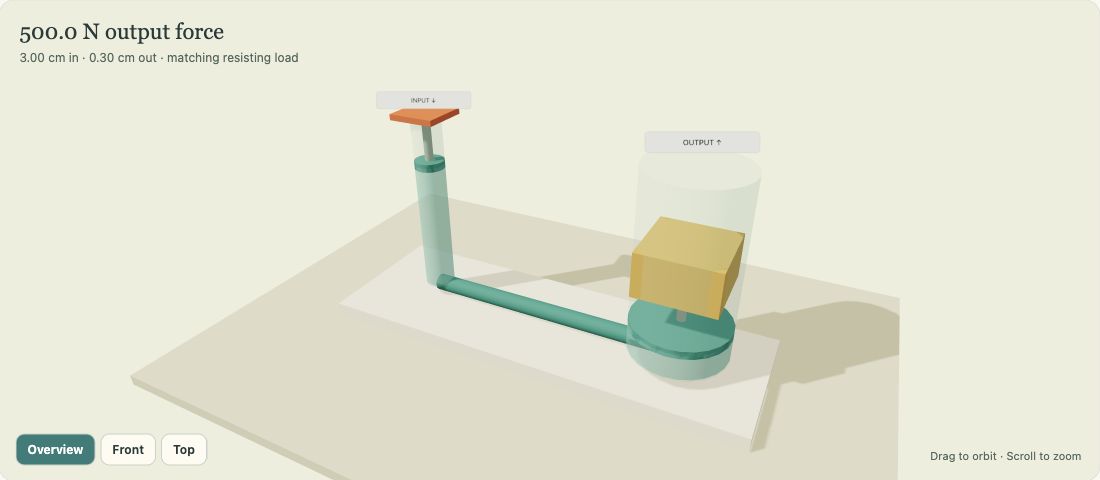
FreeThe voice as source and filter: breath, vocal folds, vowels and formants, harmonics, ages and a choir10–20 min · Ages 8–14

The human voice

How can one throat make every sound you say?

Launch ↗Teacher notes
FreeFluids10–20 min · Ages 11–14

The hydraulic lift

How can a small piston lift a large load?

Launch ↗Teacher notes
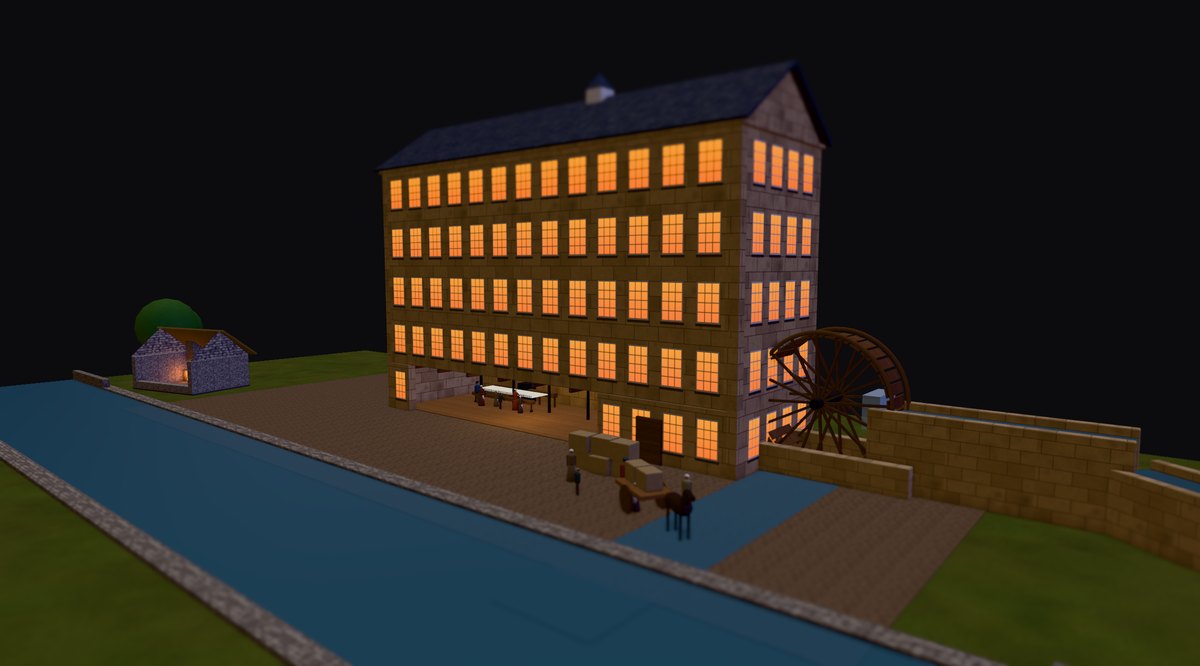
FreeThe Industrial Revolution10–20 min · Ages 10–14

The Industrial Revolution: steam, coal and factories

How did steam, coal and machines change where people lived and how they worked?

Launch ↗Teacher notes
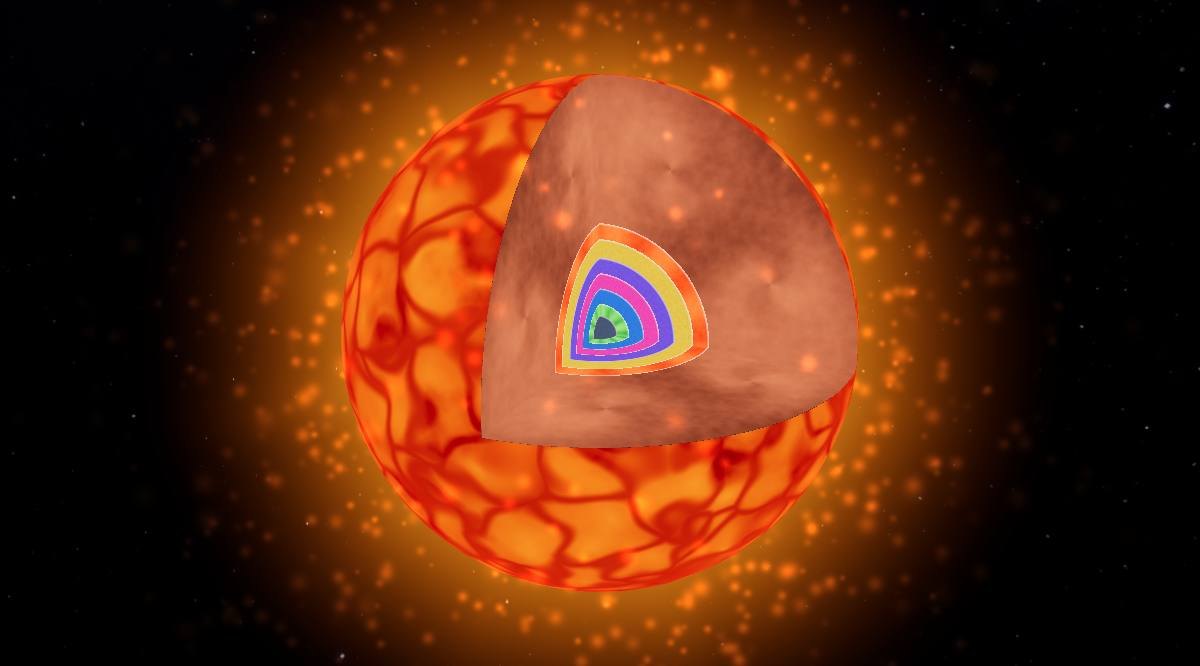
FreeStars: birth, life and death10–20 min · Ages 10–16

The life of a star

Where do stars come from — and what will happen to our Sun?

Launch ↗Teacher notes
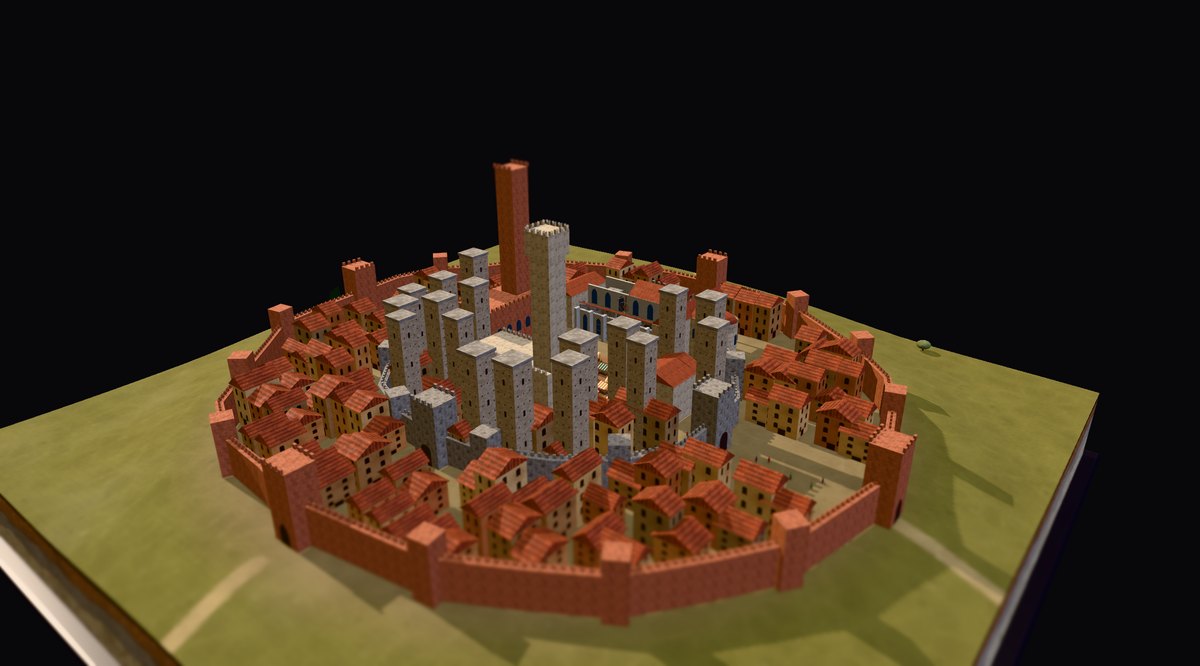
FreeThe Middle Ages: feudal society, the Italian comune, cathedrals and the Black Death10–20 min · Ages 9–14

The Middle Ages: castle, town and commune

Who held power in the Middle Ages — and how did towns win their freedom?

Launch ↗Teacher notes
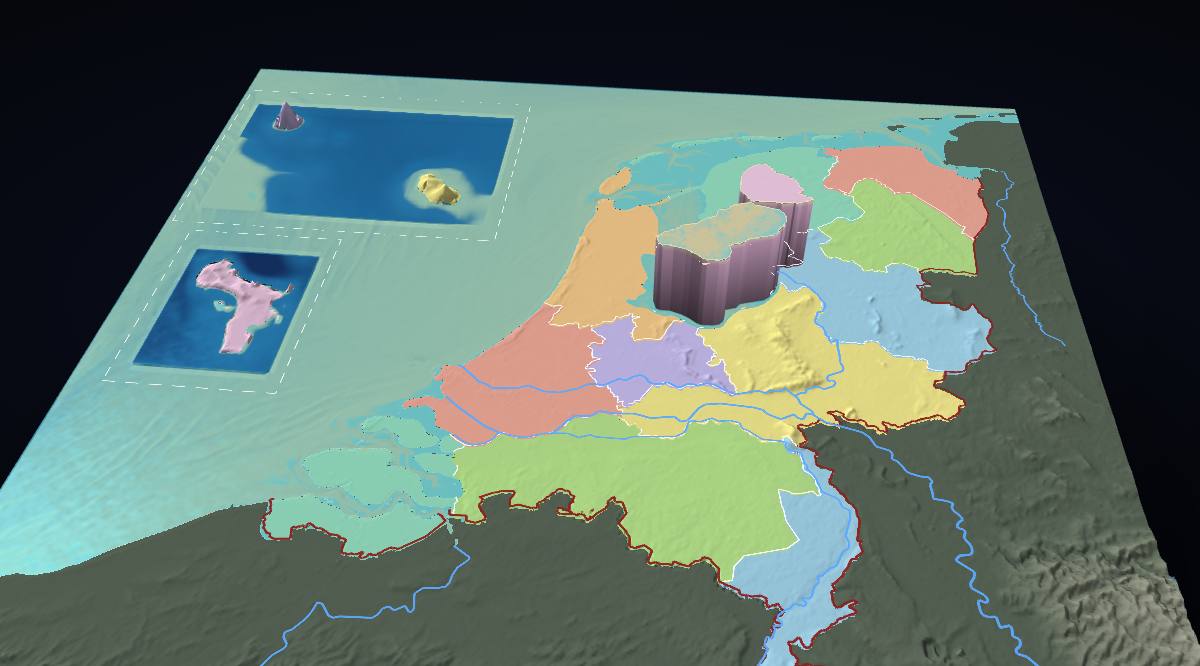
FreePolitical geography10–20 min · Ages 9–14

The Netherlands province by province

How can a country lie below the sea — and why are three Caribbean islands part of it?

Launch ↗Teacher notes
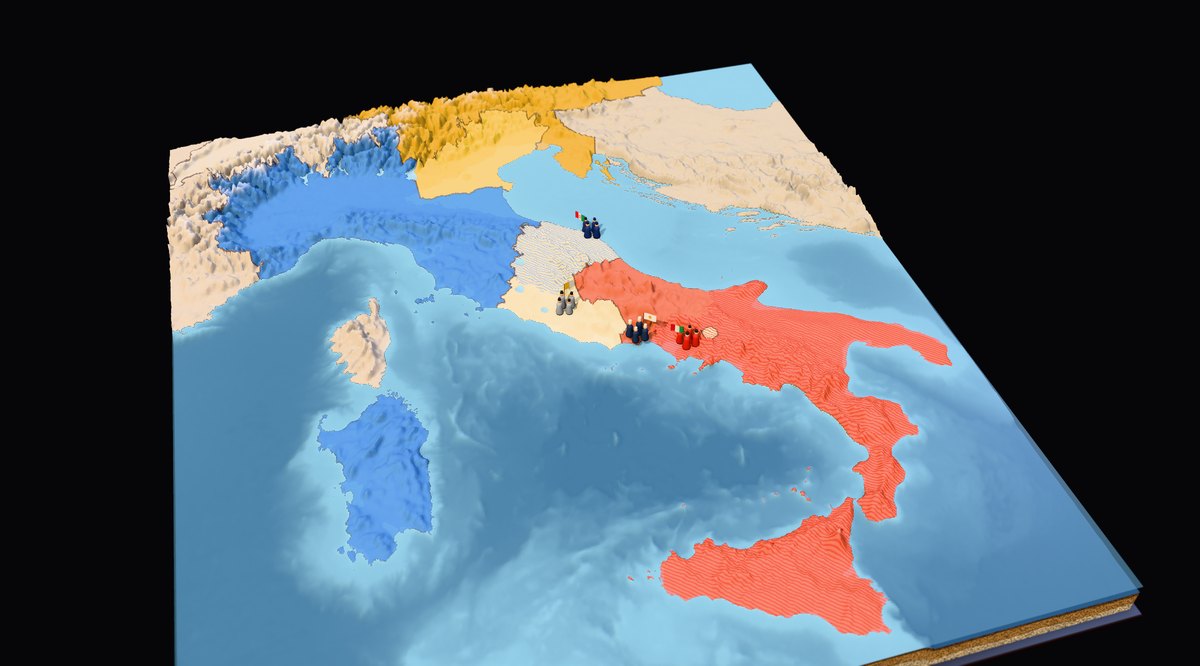
FreeThe unification of Italy10–20 min · Ages 10–15

The Risorgimento: making Italy

In 1815 there was no country called Italy — how did eight states become one kingdom by 1871?

Launch ↗Teacher notes
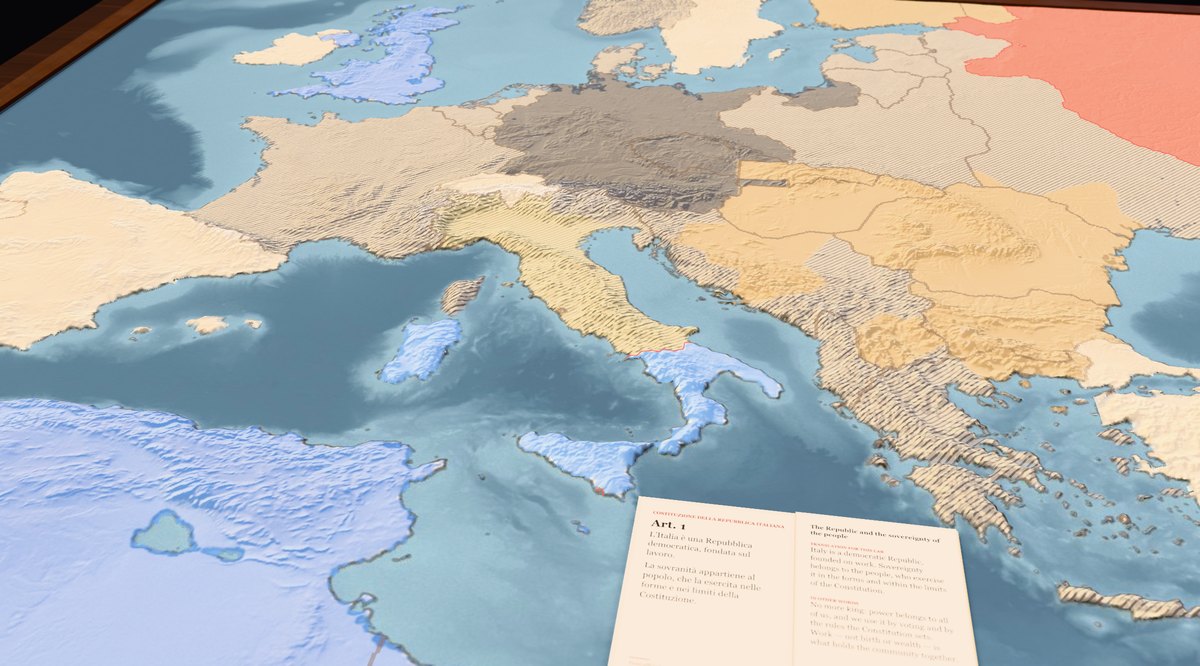
FreeDictatorships, the Second World War and the Italian Republic10–20 min · Ages 12–17

The Second World War, the Resistance and the Republic

How did Europe go from dictatorships to the deadliest war in history — and how did Italy come out of it as a republic with a Constitution?

Launch ↗Teacher notes
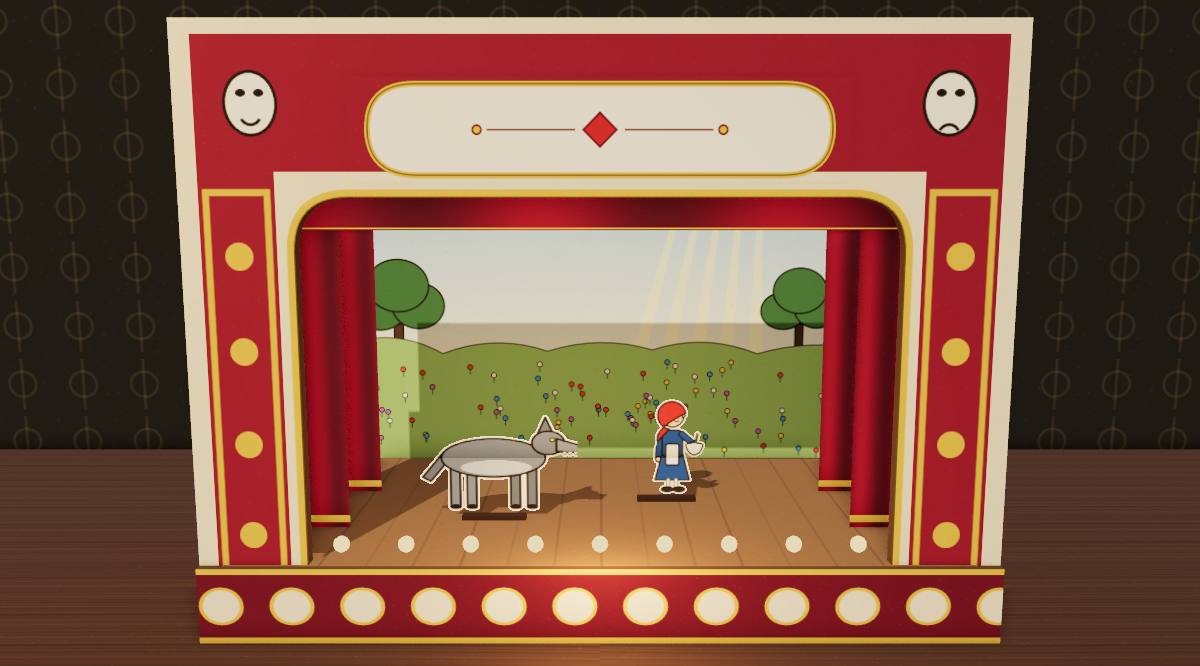
FreeNarrative structure: plot, time, point of view, Propp's functions and genres10–20 min · Ages 8–14

The shape of a story

How is a story built?

Launch ↗Teacher notes
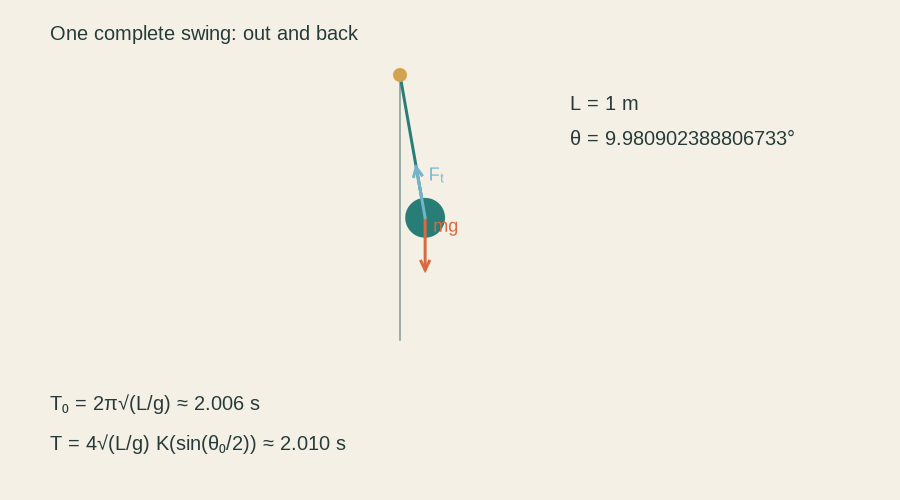
FreeOscillations & waves10–20 min · Ages 9–12

The simple pendulum

Why does a pendulum swing, and what sets its period?

Launch ↗Teacher notes
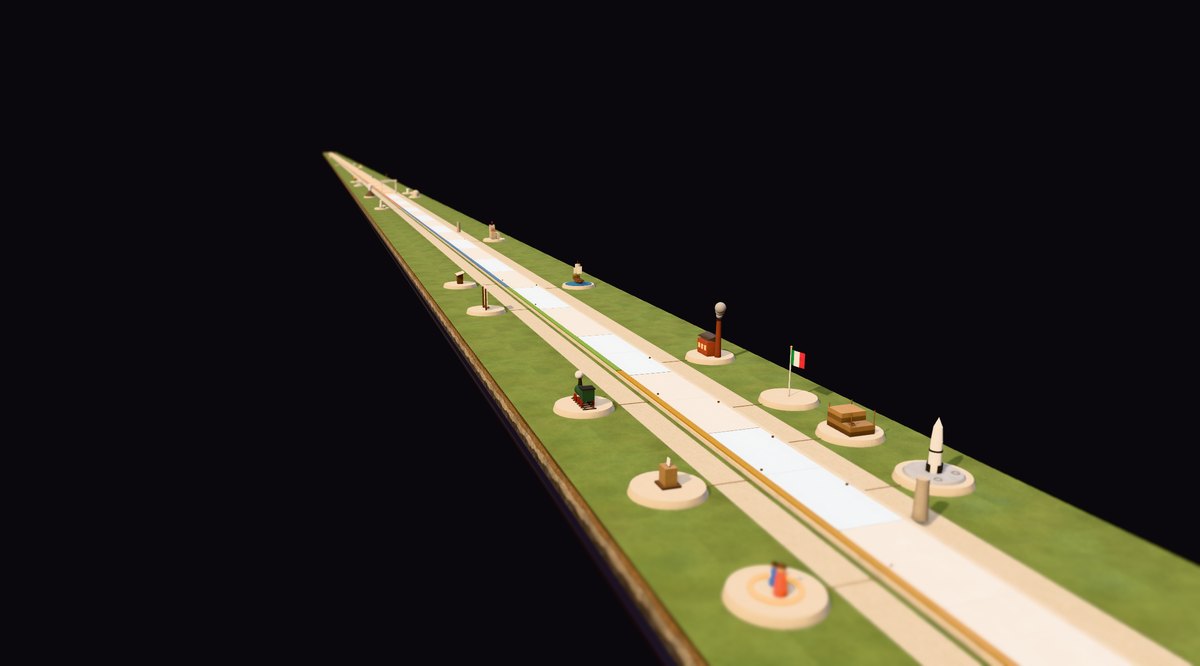
FreeHistorical time: BC and AD with no year 0, centuries and millennia, Roman numerals and the Italian -cento names, how long ago, calendars and dating10–20 min · Ages 7–12

The timeline: years, centuries and millennia

Why are the 1400s called the fifteenth century — and how long ago did the pyramids go up?

Launch ↗Teacher notes
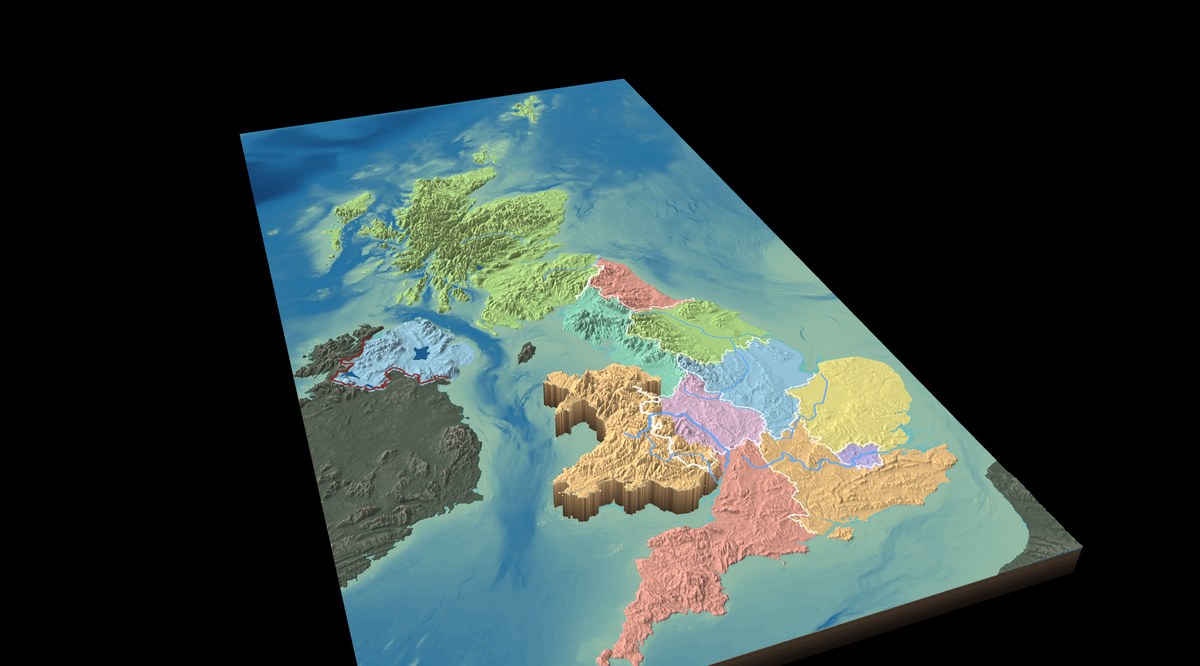
FreePolitical geography10–20 min · Ages 8–14

The UK region by region

Four nations, one country: how is the United Kingdom put together?

Launch ↗Teacher notes
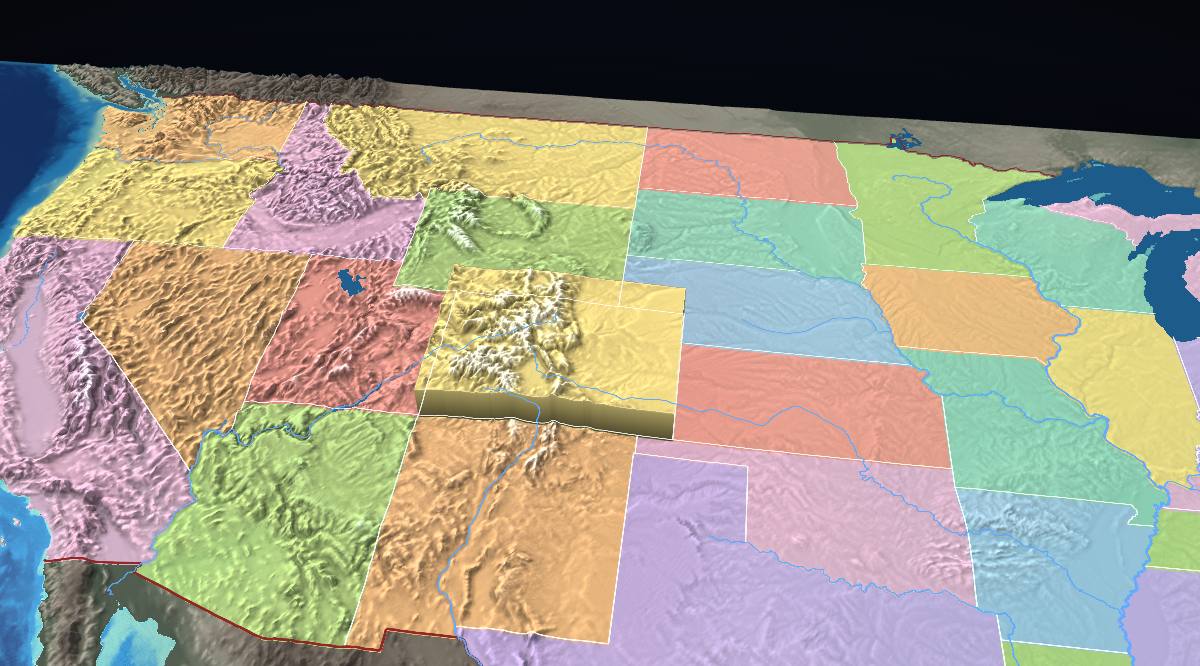
FreePolitical geography10–20 min · Ages 11–14

The United States state by state

How is the United States divided into fifty states and a federal district?

Launch ↗Teacher notes
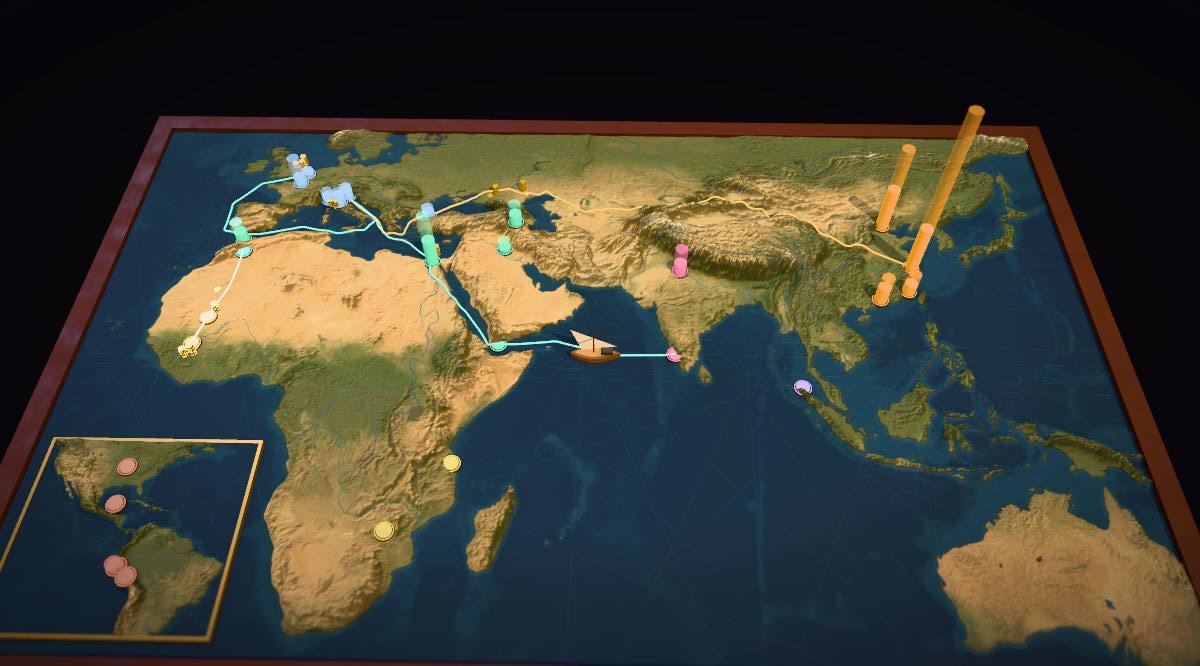
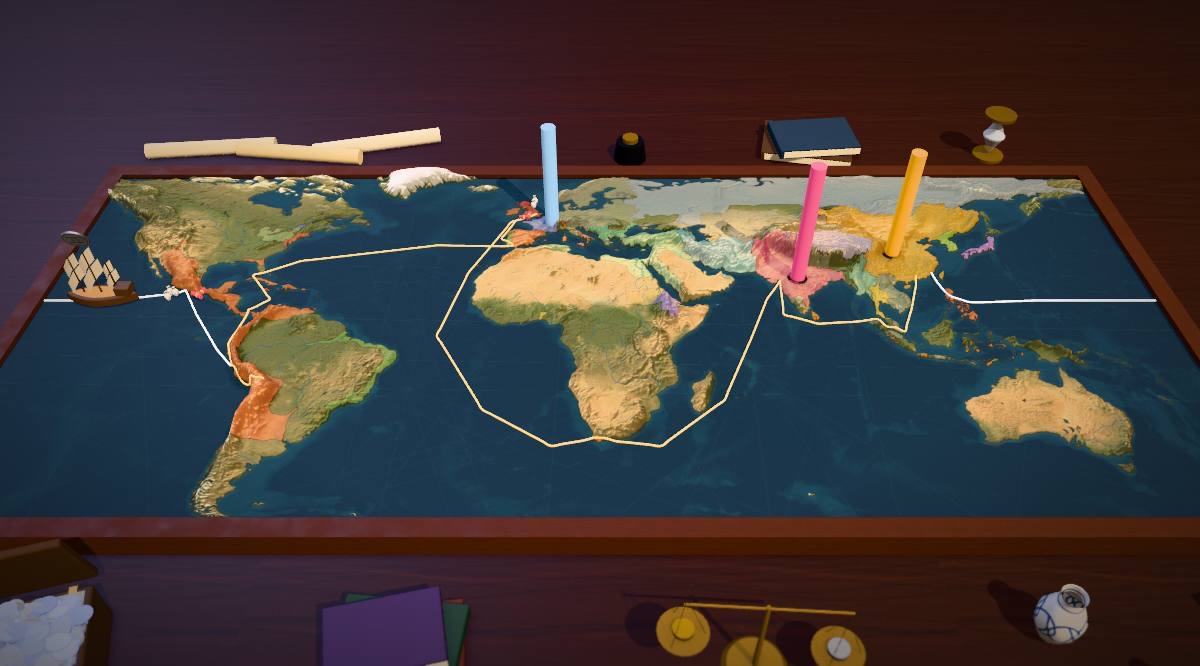
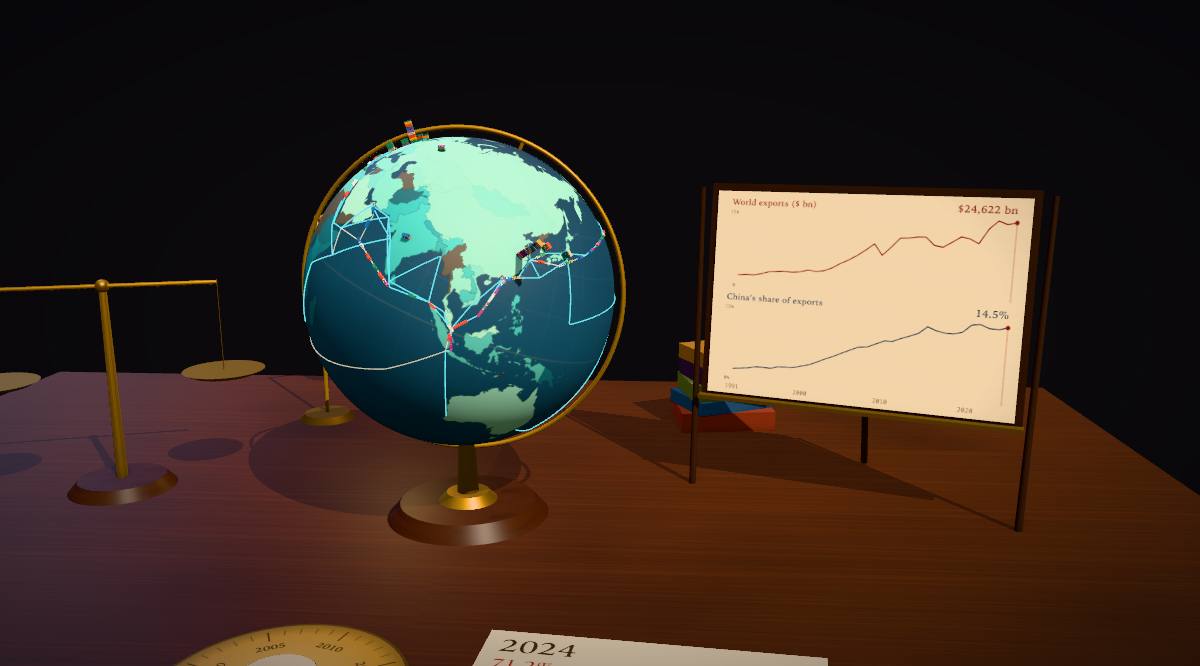
FreeTrade, cities and travellers before European hegemony10–20 min · Ages 11–16

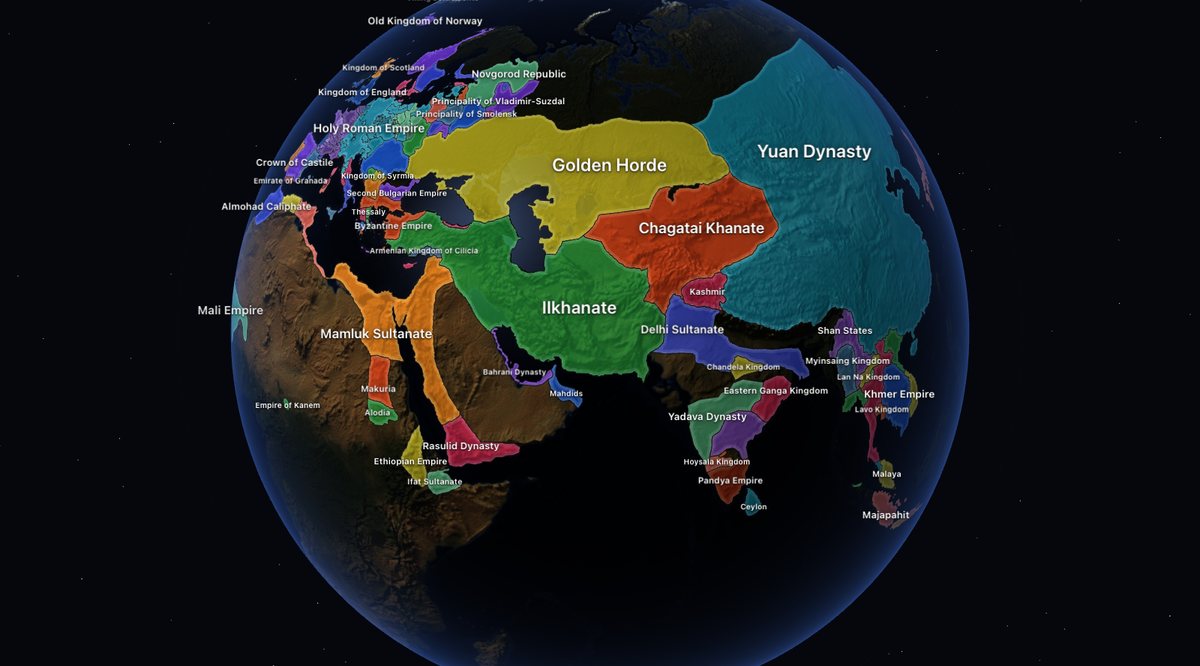
The world in 1300

In 1300, where would you go to get rich?

Launch ↗Teacher notes
FreeAsia at the centre of the world economy: American silver, Qing China and Mughal India, the Indian Ocean, the Atlantic slave trade and the Great Divergence debate10–20 min · Ages 11–16

The world in 1700

In 1700, who ruled the richest places on Earth?

Launch ↗Teacher notes
FreeThe world after the Cold War: globalisation, internet, poverty, CO₂ and wars, 1991–202410–20 min · Ages 13–18

The world since 1991

The Wall came down. What did the next thirty years build?

Launch ↗Teacher notes
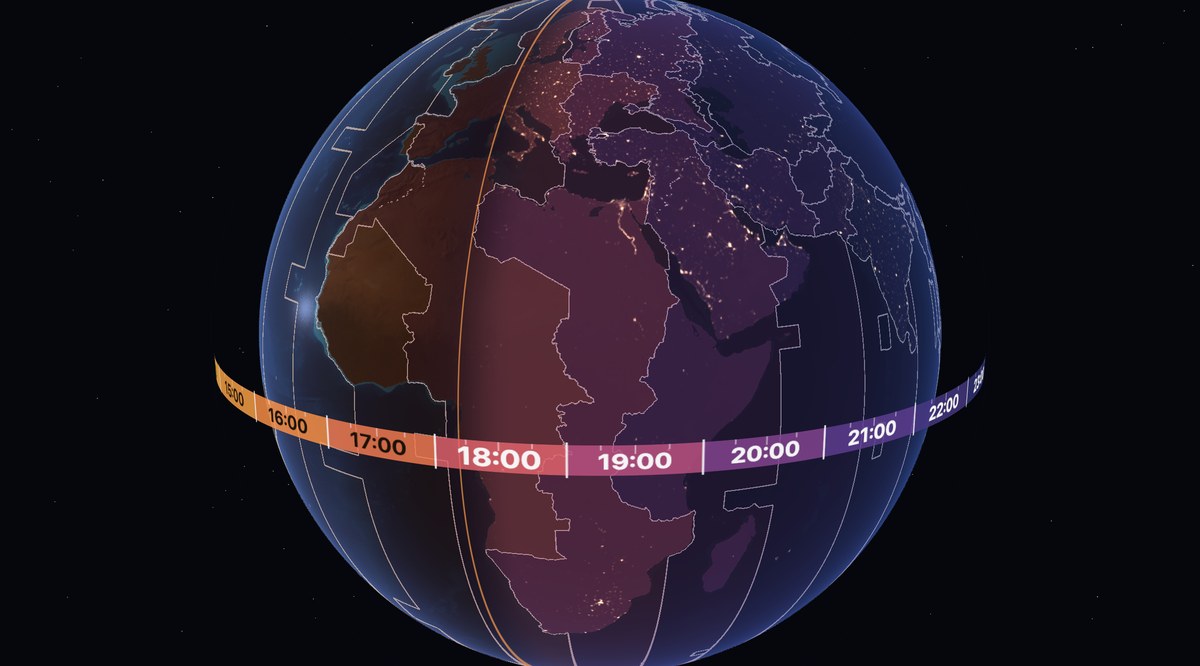
FreeTime zones and longitude10–20 min · Ages 9–15

Time zones and longitude

When it's lunchtime in Rome, why are people in Tokyo going to bed — and how did sailors find their longitude?

Launch ↗Teacher notes
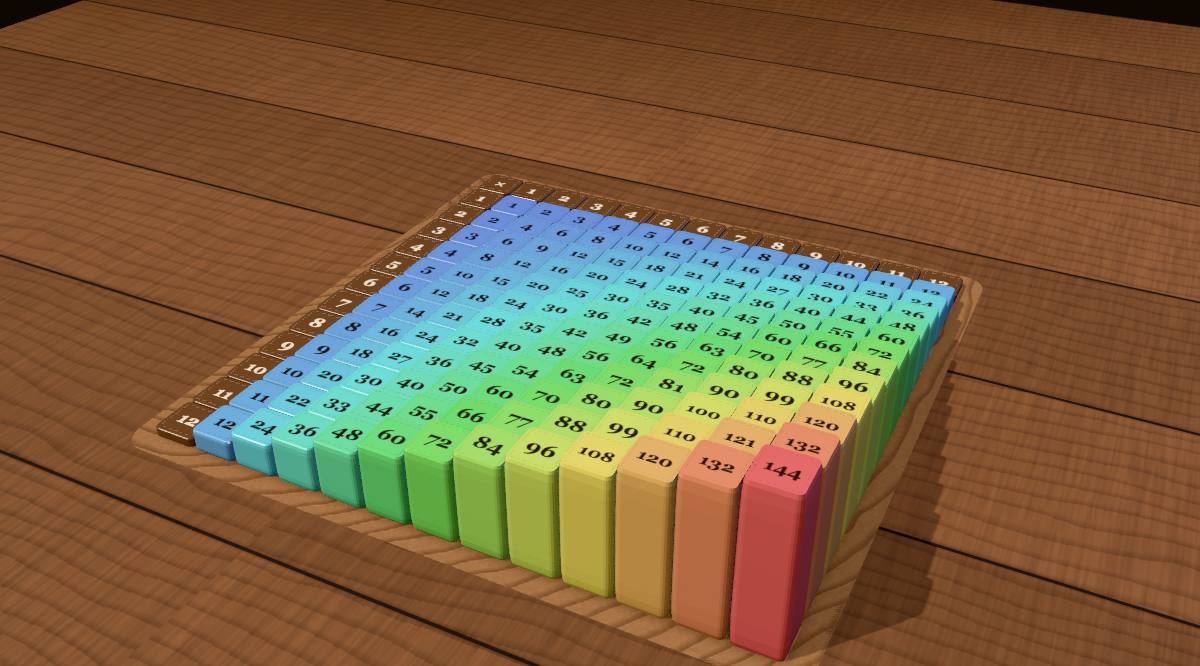
FreeMultiplication and times tables10–20 min · Ages 6–11

Times tables workshop

Why is 7 × 8 the same as 8 × 7 — and is there a trick to never forget a times table?

Launch ↗Teacher notes
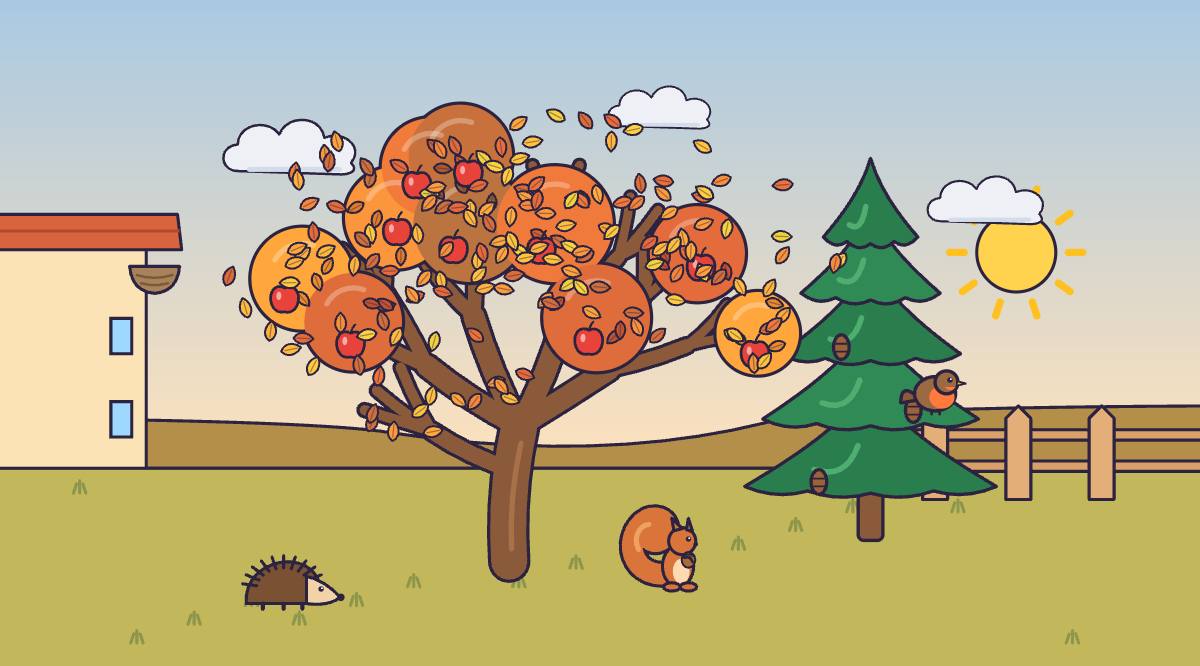
FreeSeasons and plants: an apple tree through the year10–20 min · Ages 4–7

Tree through the seasons

What happens to the tree all year?

Launch ↗Teacher notes
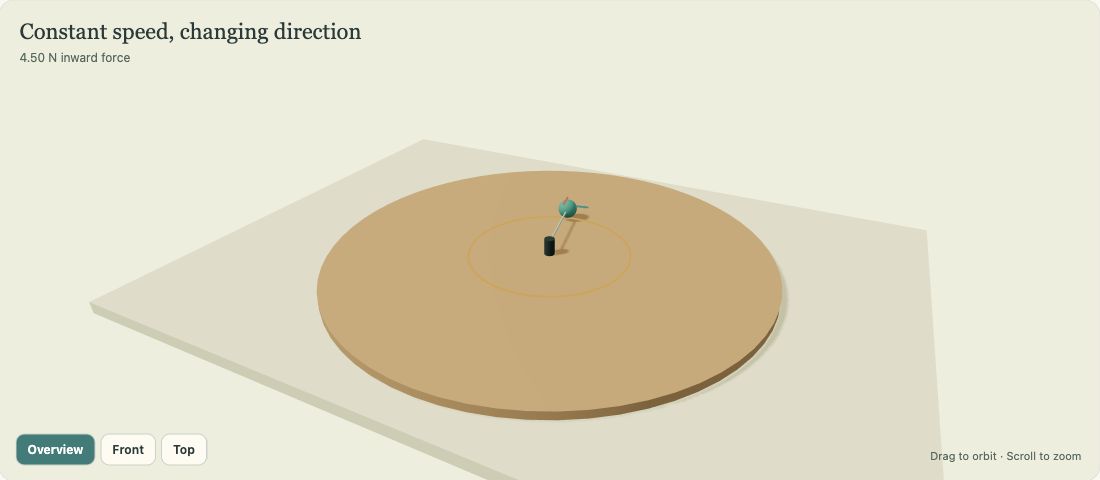
FreeMotion & forces10–20 min · Ages 11–14

Turn without speeding up

Can velocity change at a constant speed?

Launch ↗Teacher notes
FreePolitical geography10–20 min · Ages 9–14

Ukraine oblast by oblast

Why does Ukraine have 24 oblasts and two cities with a special status?

Launch ↗Teacher notes
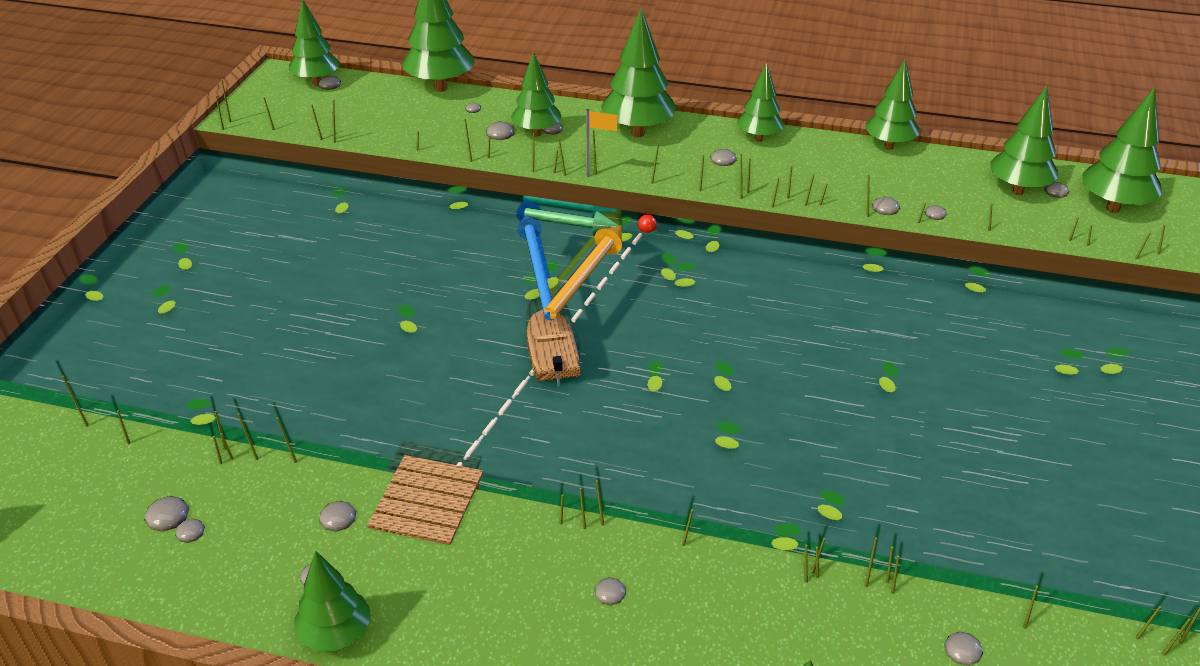
FreeVectors: sum, components, equilibrium and the dot product10–20 min · Ages 13–19

Vectors: adding forces and velocities

A boat heads straight across a river and lands downstream: where should it aim? Why does a lantern on two nearly flat ropes pull them harder than its own weight?

Launch ↗Teacher notes
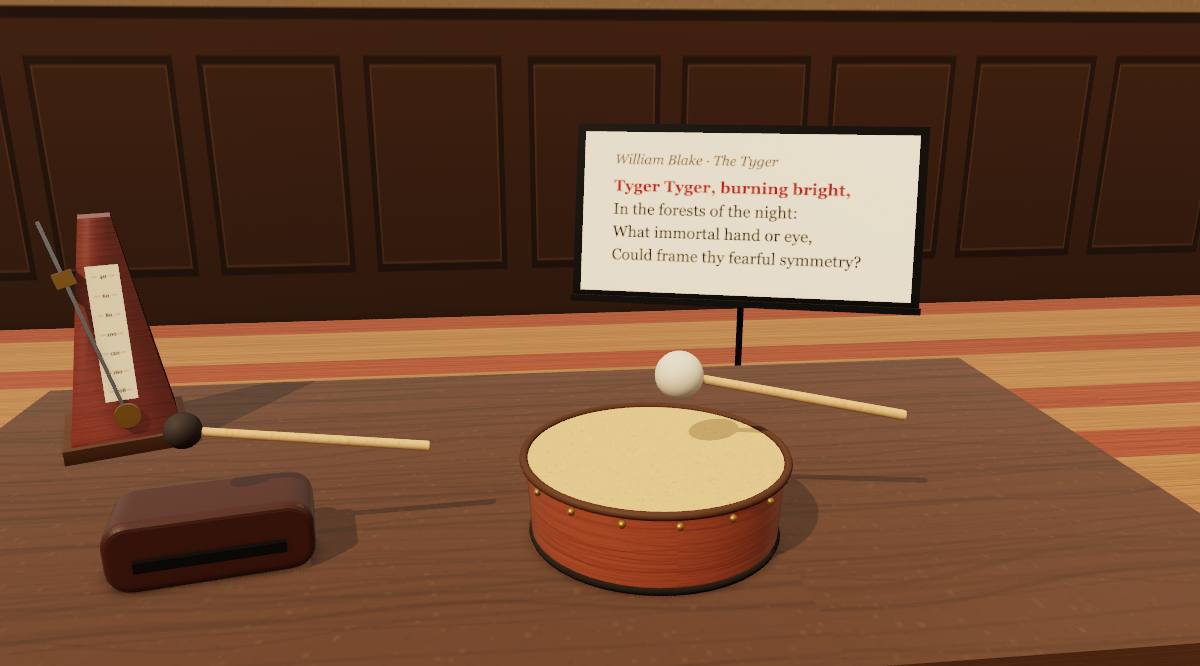
FreeMetre in each language's own poems: beats and feet in English, metric syllables, sinalefe and accents in Italian and Spanish, rhyme and rhyme schemes, the ballad, the sonnet, the terzina and the romance10–20 min · Ages 9–18

Verse rhythm

What makes a line of poetry sound like music?

Launch ↗Teacher notes
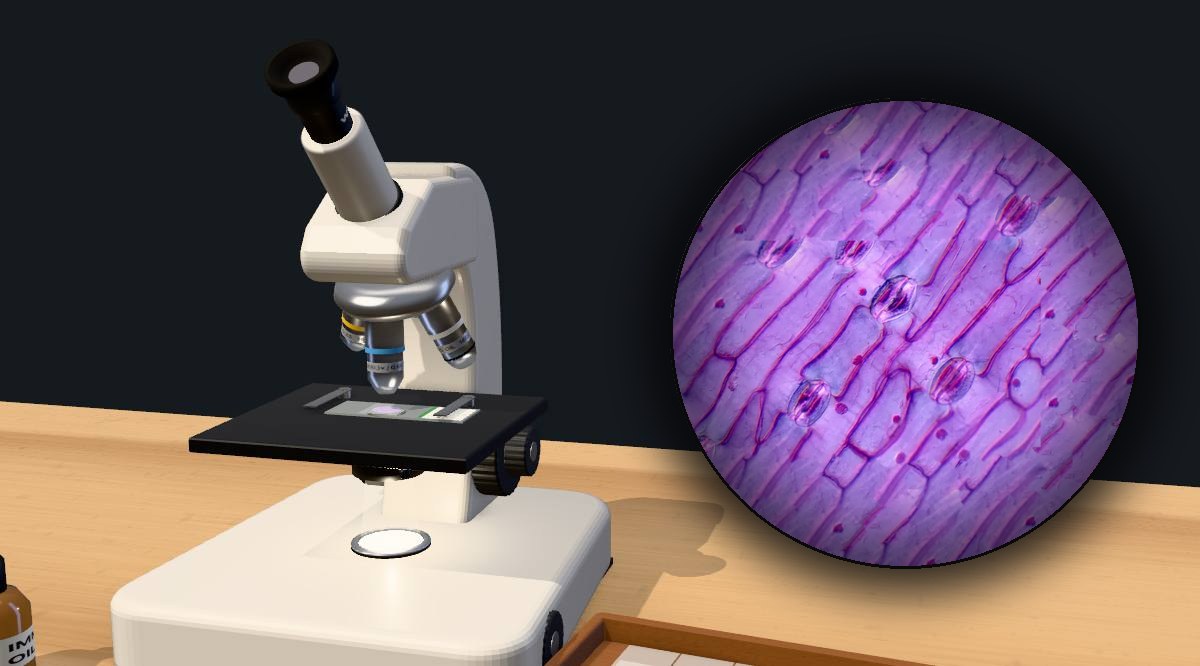
FreeMicroscopes and cells10–20 min · Ages 8–16

Virtual microscope

What does the world look like 400 times bigger?

Launch ↗Teacher notes
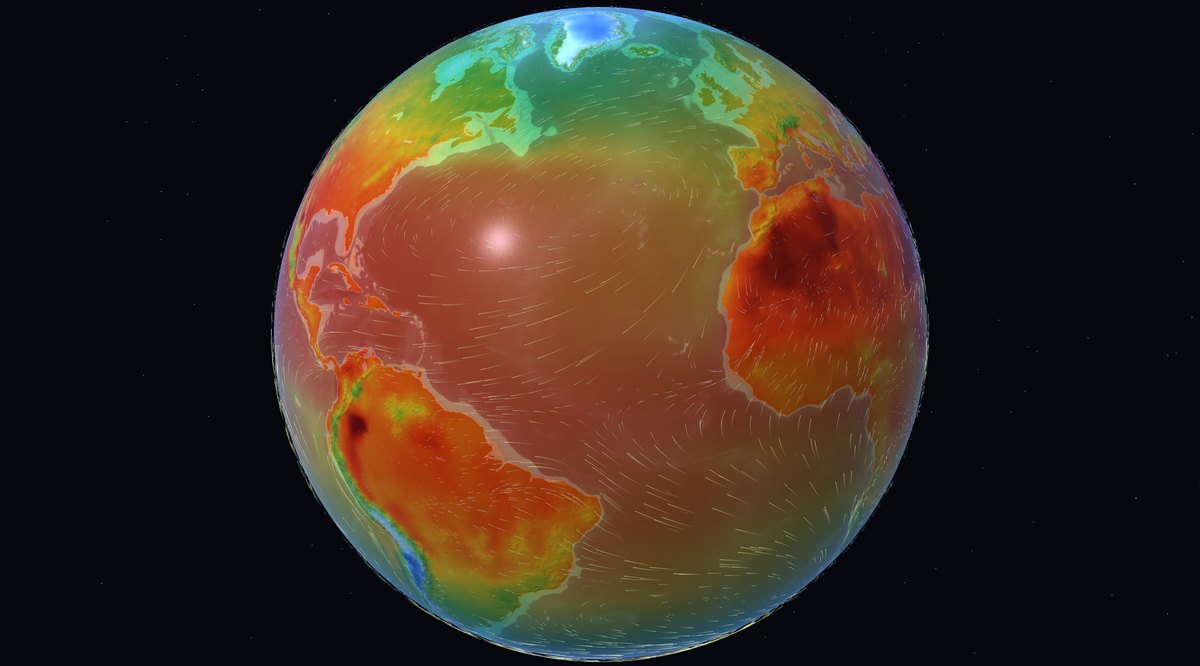
FreeAtmosphere and climate10–20 min · Ages 8–16

Weather and climate

Which way does the wind blow, why do we have seasons, and why is the climate so different from place to place?

Launch ↗Teacher notes
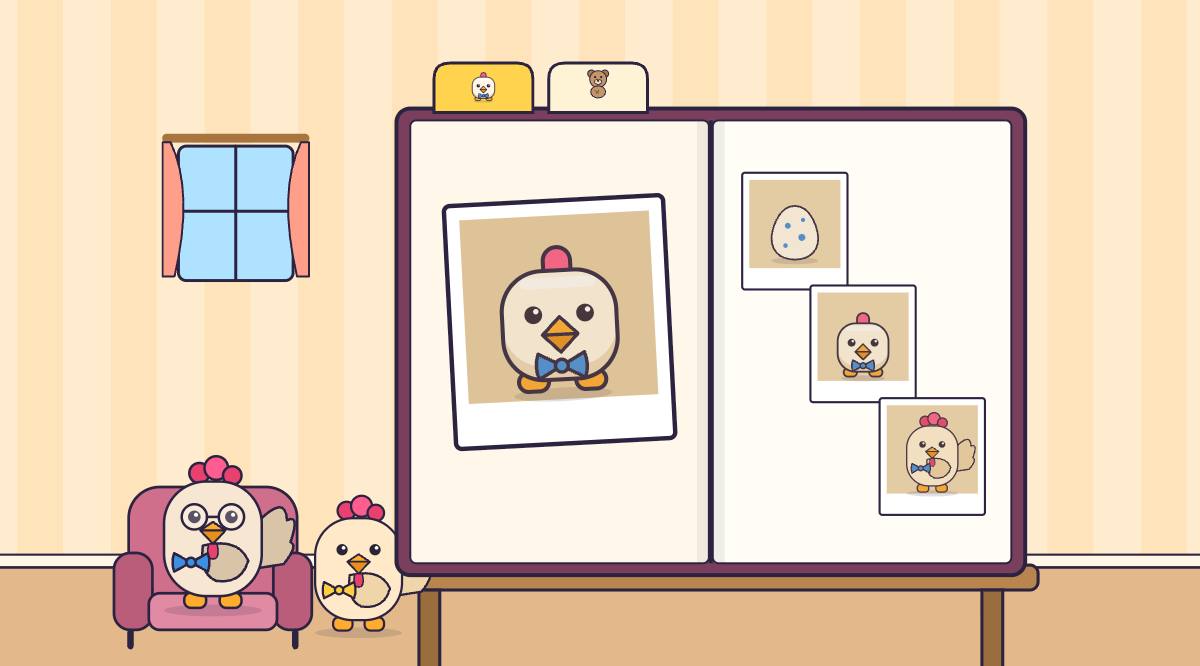
FreeLived time: a day in order, yesterday, today and tomorrow, then and now10–20 min · Ages 4–7

When was that?

When was that?

Launch ↗Teacher notes
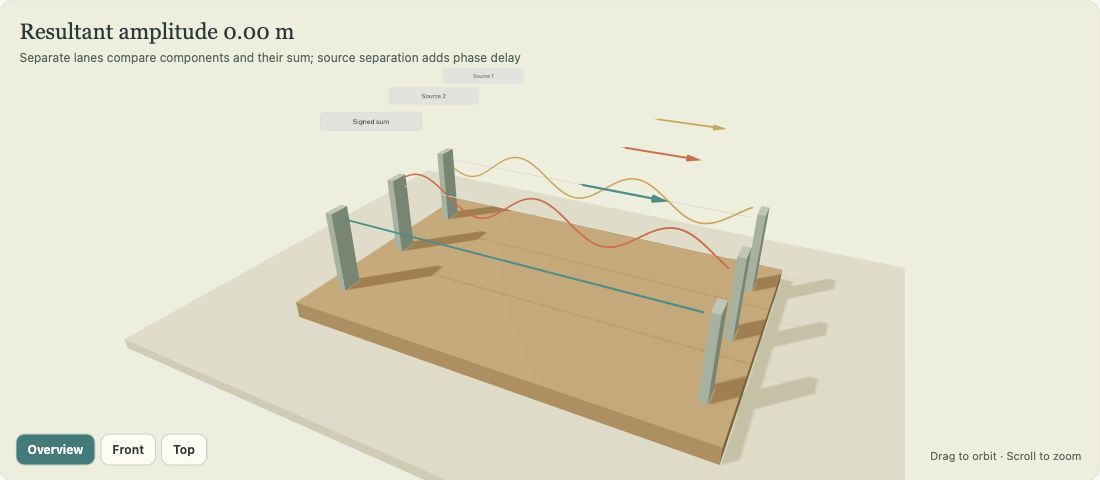
FreeOscillations & waves10–20 min · Ages 11–14

When waves meet

Can two disturbances cancel?

Launch ↗Teacher notes
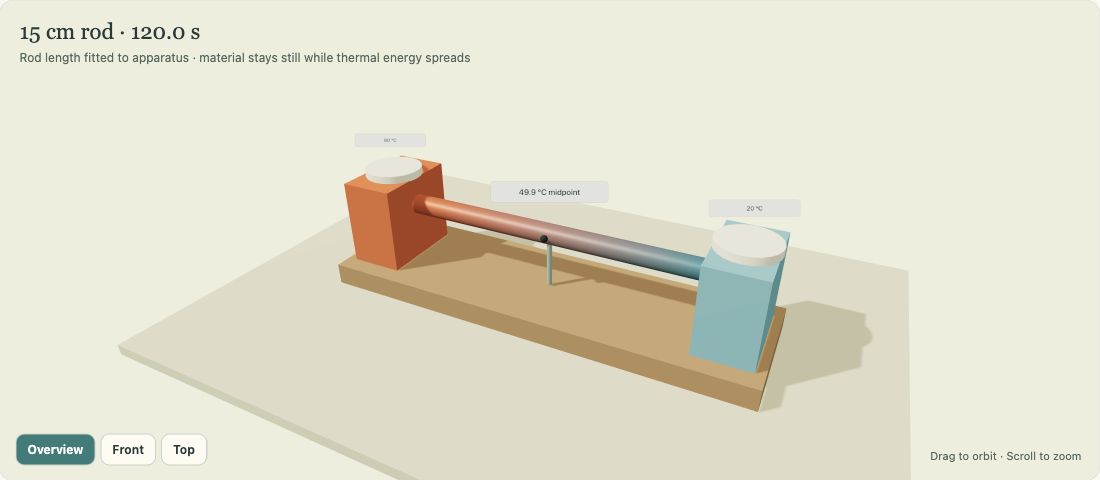
FreeEnergy & heat10–20 min · Ages 9–12

Which spoon warms first?

How does heat spread through a material?

Launch ↗Teacher notes
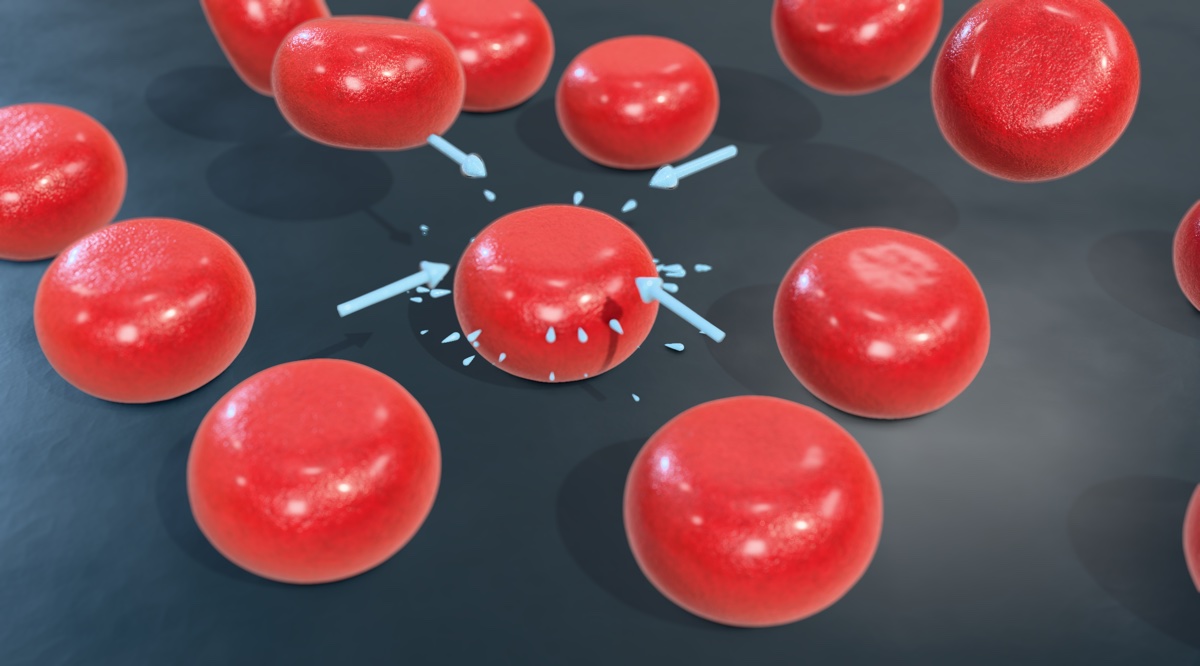
FreeMembranes & transport10–20 min · Ages 10–16

Which way will water move?

Can water change the size of a cell?

Launch ↗Teacher notes
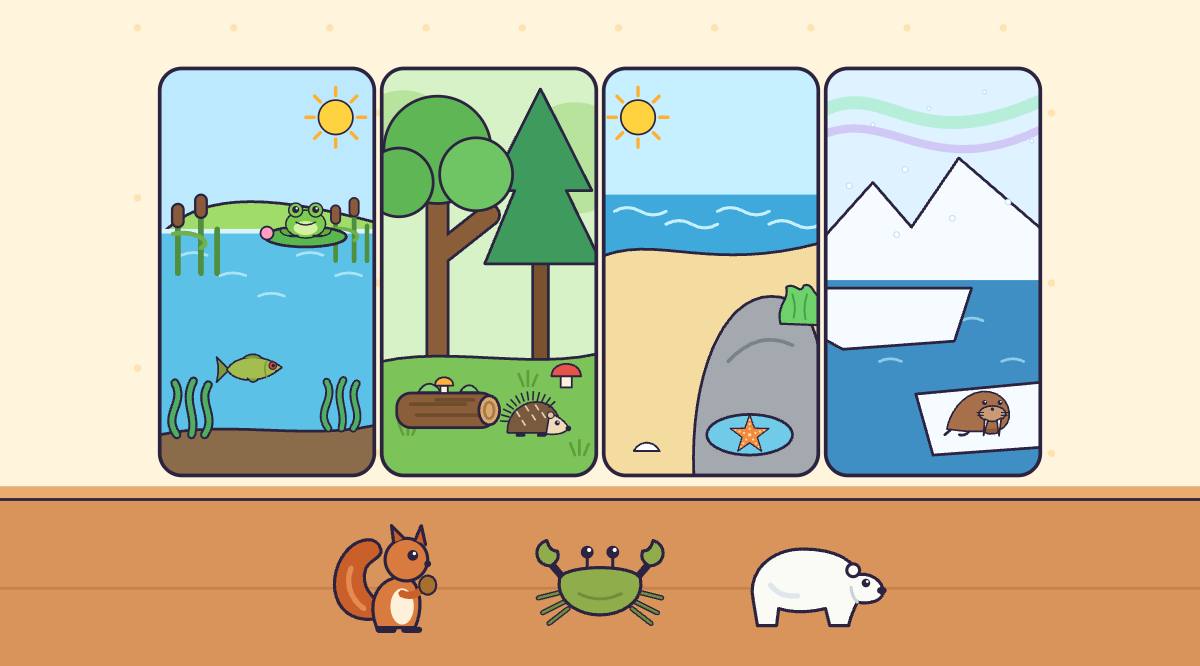
FreeAnimals and their homes: food, water and shelter, small homes inside big ones, simple food chains10–20 min · Ages 4–7

Who lives here?

Who lives here?

Launch ↗Teacher notes
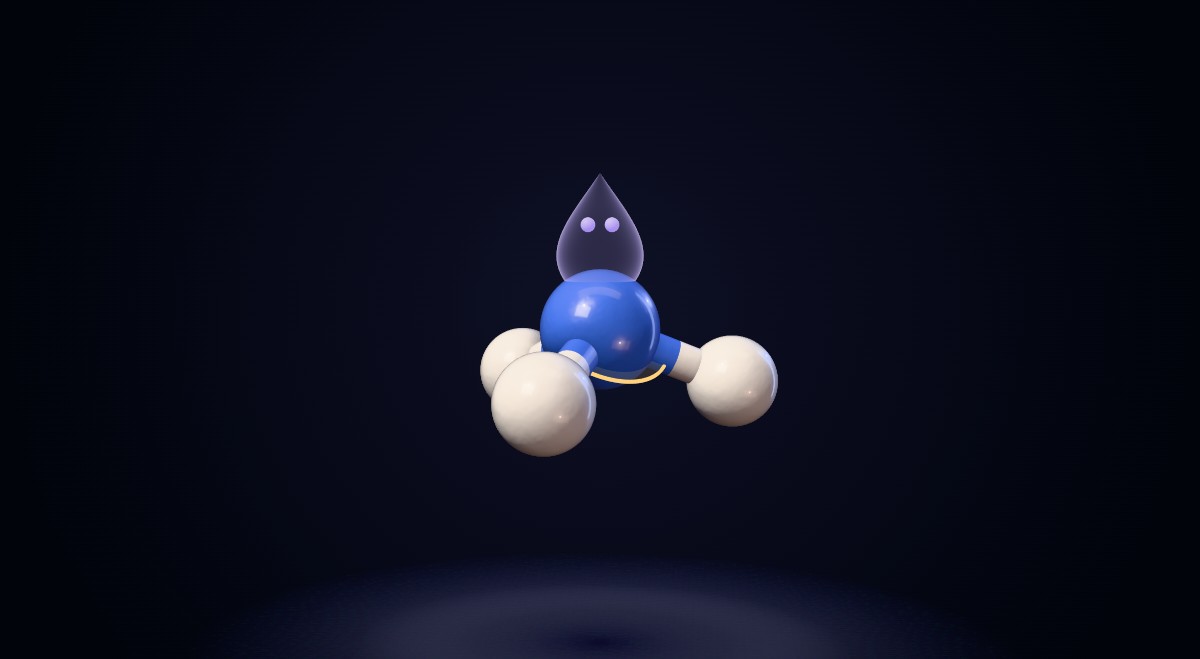
FreeShapes & VSEPR10–20 min · Ages 11–17

Why molecules have shapes

Why is water bent but carbon dioxide straight?

Launch ↗Teacher notes
FreeScales and rhythms from several traditions: the pentatonic, slendro as a model, raga Yaman, maqam Rast, the octave in equal steps and cents, cross-rhythm, the 12/8 bell pattern and son clave10–20 min · Ages 10–18

World musics

Do all musics use the same notes?

Launch ↗Teacher notes
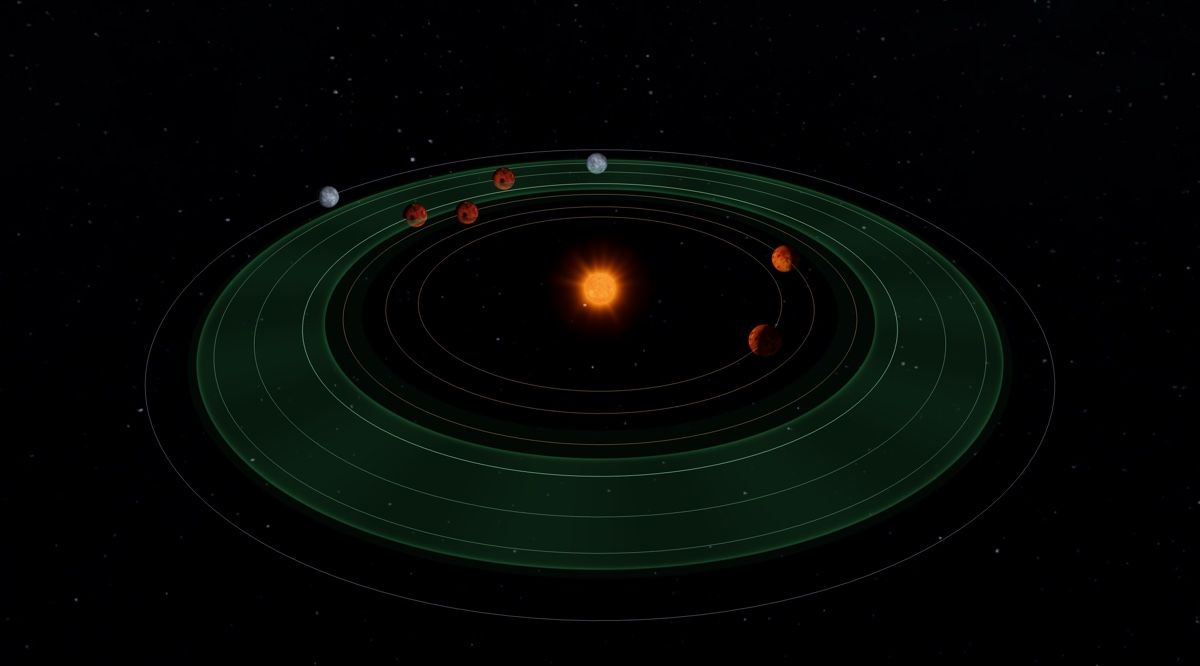
FreeExoplanets and habitable zones10–20 min · Ages 8–16

Worlds around other stars

Are there planets round other stars, and could any of them be like Earth?

Launch ↗Teacher notes