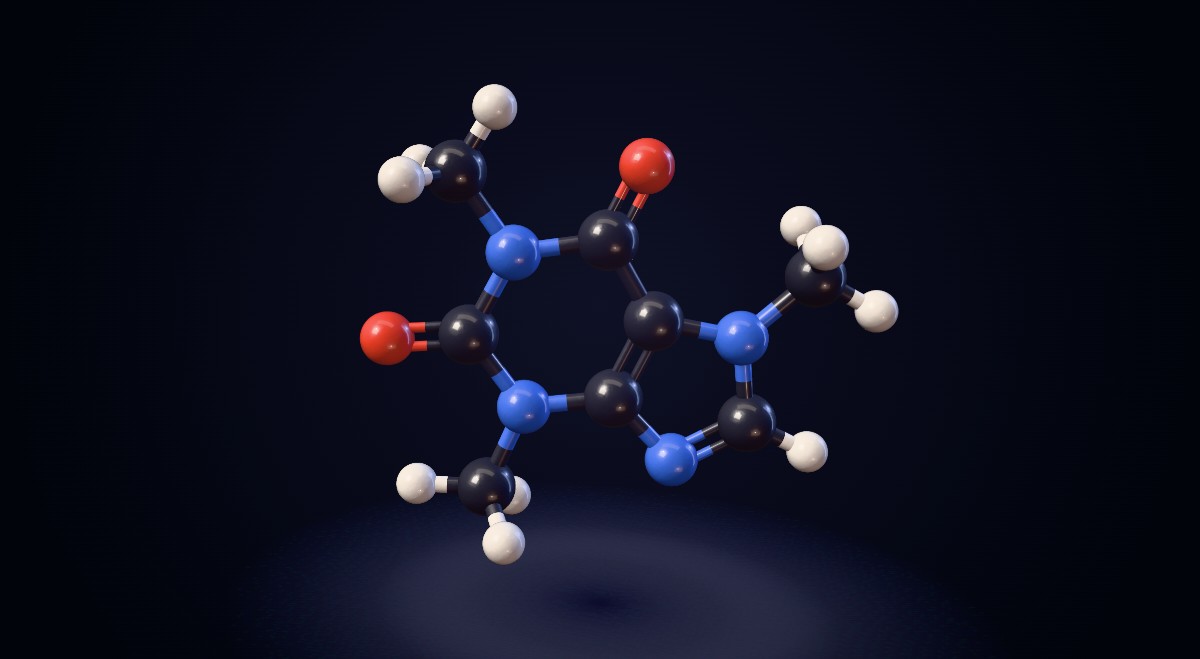
What is everything made of?
Build molecules, turn them in 3D and see why atoms hold together the way they do.
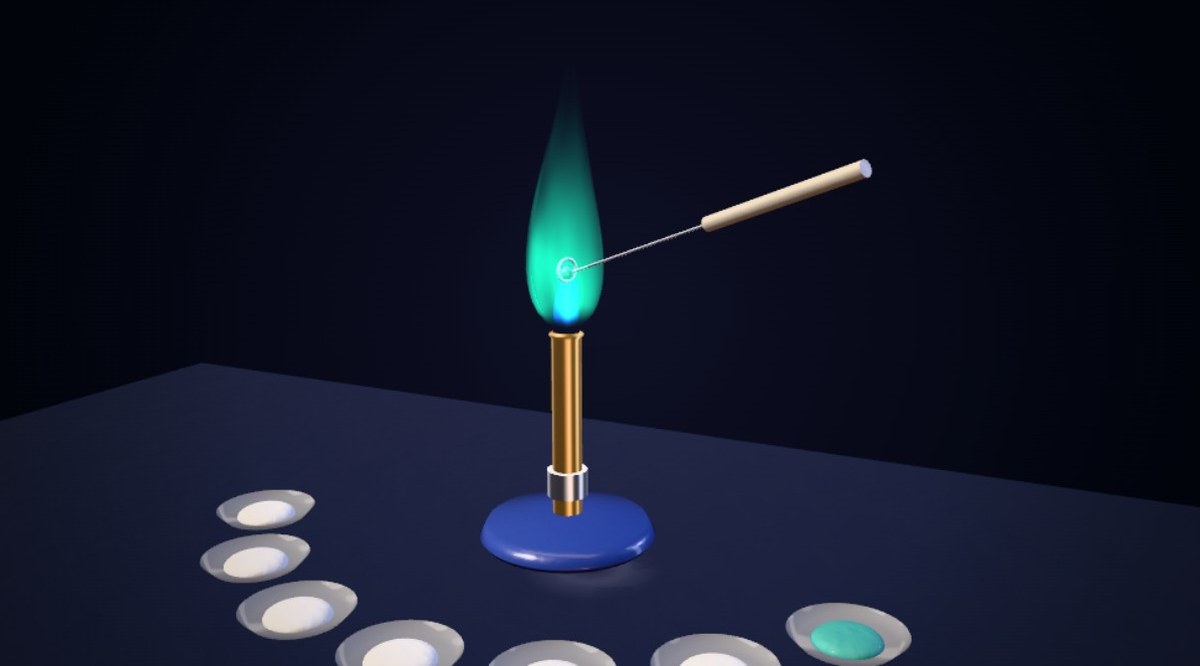
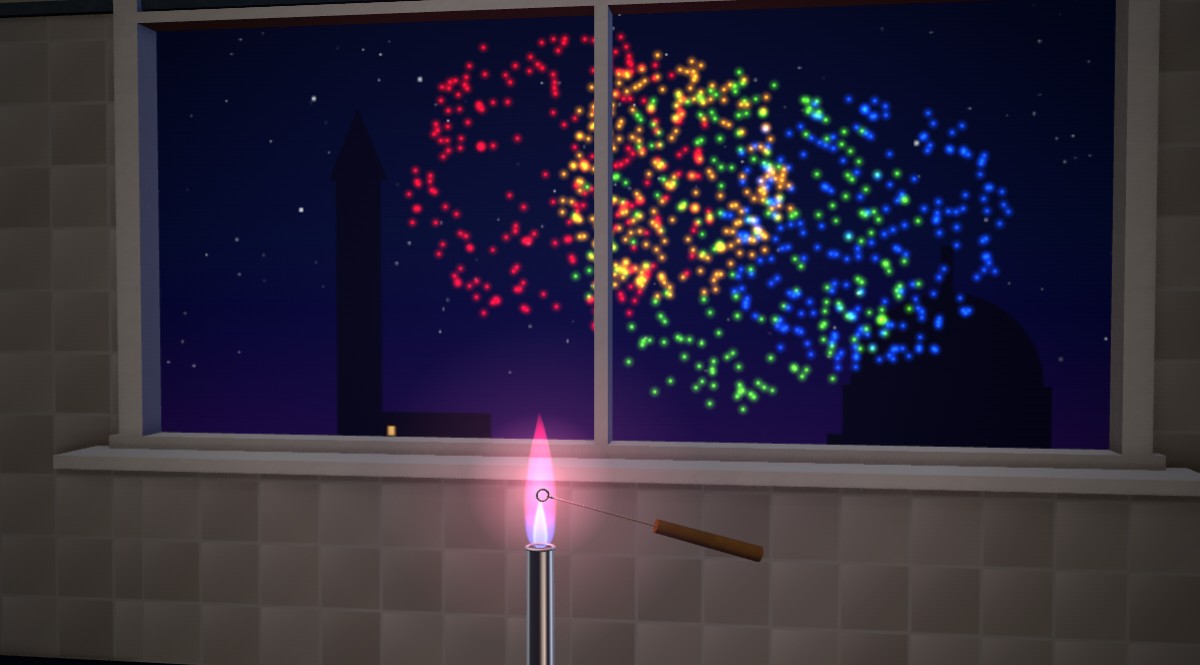
Fire and combustion
What is a flame made of — and why does a candle go out under a glass?
Launch ↗Teacher notesCHEMISTRY
Chemistry you can hold up to the light
Atoms are far too small to see, which is why chemistry can feel like a list of symbols to learn by heart. These interactive chemistry labs make the particles visible: build an atom proton by proton, snap atoms into molecules and turn them in 3D, and watch what really happens to them in a reaction.
Some reactions are too dangerous, too slow or too expensive to run in class. Here pupils can light a candle under a glass, split water with electricity or test cabbage juice in lemon and soap, as often as they like and with nothing to clear up.
Create a free account →What you can explore
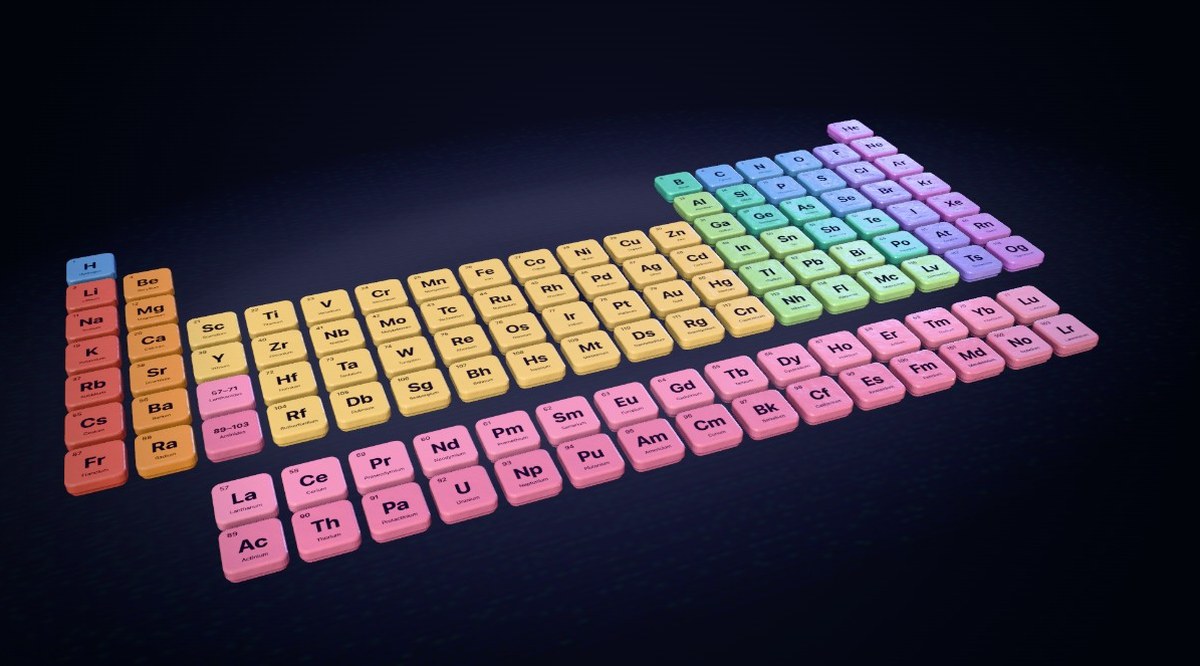
Atoms and the periodic table
Add protons, neutrons and electrons and watch the element change. Explore the periodic table and find out what makes one element different from the next.
Molecules and their shapes
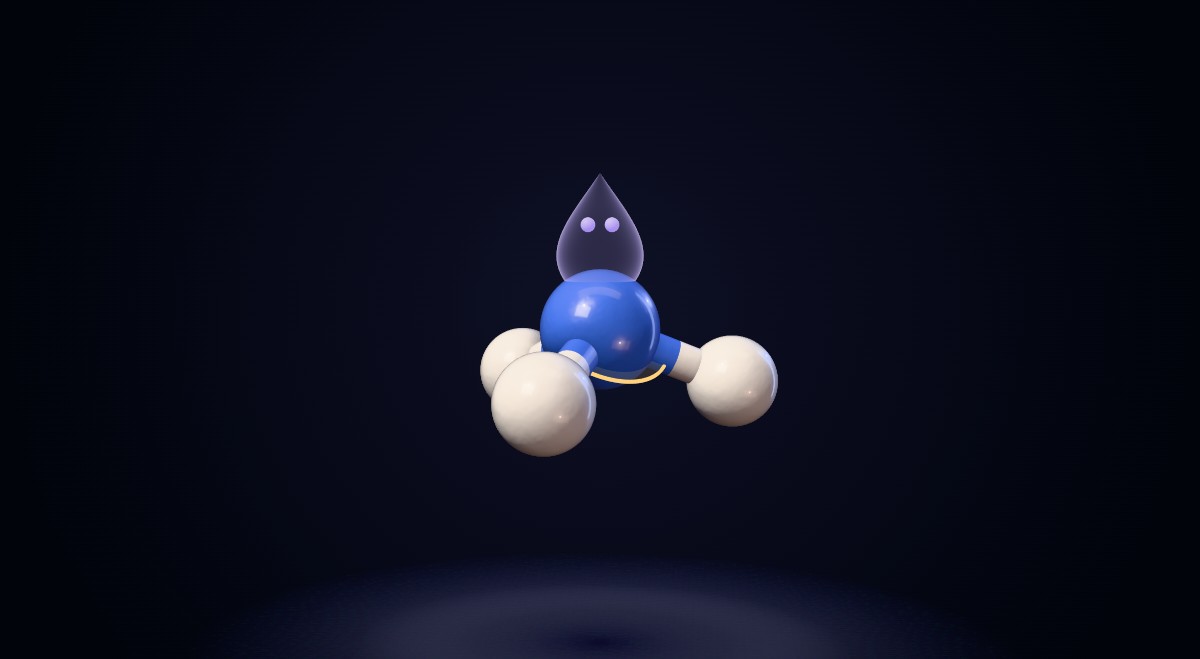
Build molecules from atoms that can only make so many bonds, then turn them in 3D. Find out why water is bent but carbon dioxide is straight, and why salt grows into cubes and snowflakes have six sides.
States of matter and mixtures
Zoom in on ice, water and steam to see the particles as they melt and boil, then get sand, salt and water back out of one muddy mixture.
Chemical reactions
Follow every atom through a reaction and balance the equation, find out where burning wood goes, test acids and bases with natural indicators and learn what a flame is made of.
Electricity from chemistry
Stack metal discs and salty cardboard into Volta’s battery to make a current, then run it the other way and split water into hydrogen and oxygen.
How a lab works
Start with a question
Each lab opens on one question, pitched at the right level: most have an Explorer level for younger pupils and a Scientist level for older ones.
Change one thing
Move a slider, peel back a layer, add something or take it away. The model answers straight away.
Explain what happened
Short challenges ask for a prediction before you look, then for what you saw in your own words.
For teachers
Use a lab to show the particles behind a practical, or to run a reaction you can’t do safely in the room. Each lab has teacher notes with questions to ask, common misconceptions and where the model simplifies.
For families
Curious about kitchen chemistry? Start here, then try the safe versions at home. No chemicals, no mess and no adverts.
Questions people ask
Are these chemistry labs free?
Yes. Imagzle Learning is in beta: a free account opens every lab. After the beta a few labs will be part of a paid plan, each marked as such, and we will tell you at least 30 days before.
What ages are they for?
From about 8 to 17: states of matter, mixtures and fire for younger pupils, then atoms, bonding, molecular shapes and balanced equations through to the end of secondary school.
Are the molecules accurate?
Shapes and bond angles follow real chemistry, and the teacher notes say where a picture has to simplify, for example how atoms and electrons are drawn.
Do I need to install anything?
No. The labs run in an up-to-date web browser. A recent computer or classroom board gives the smoothest 3D.