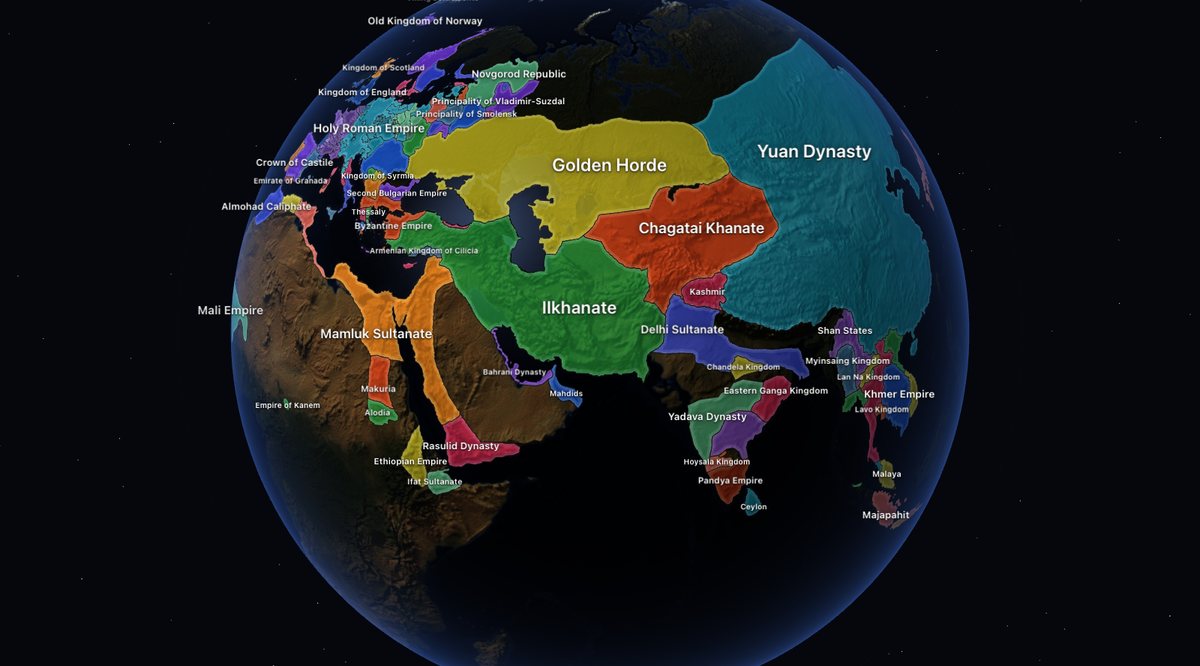
How did the world get its shape?
Watch borders rise and fall across 5,400 years, then test what you remember.
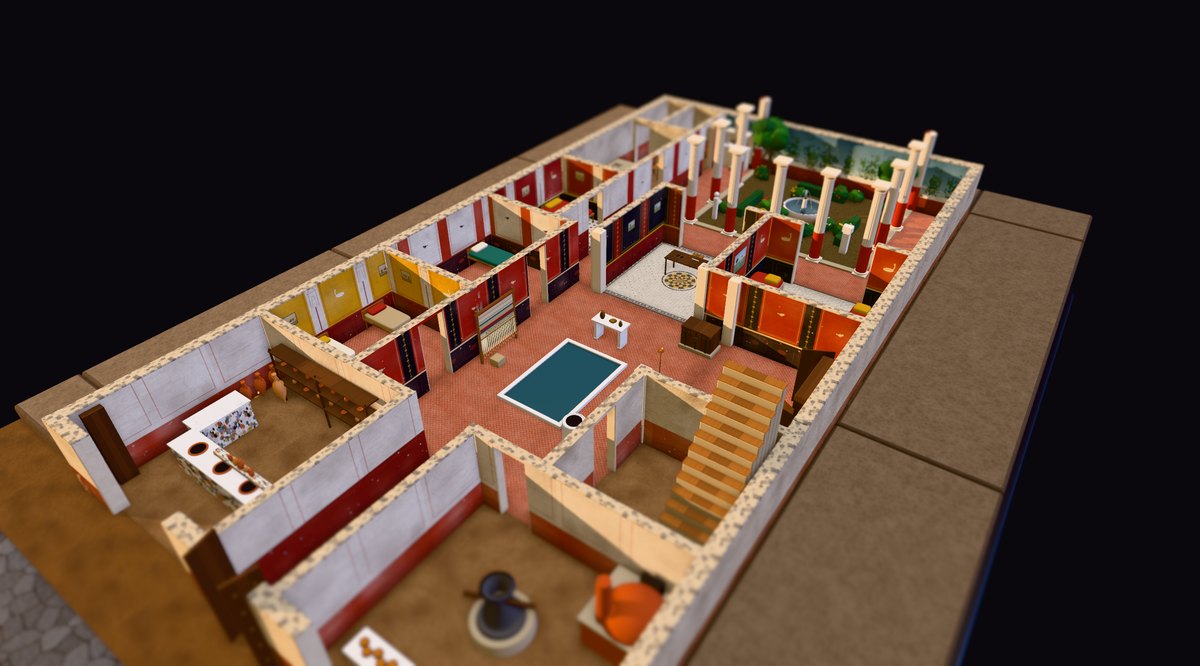
A Roman house in Pompeii
What was it like to live in a Roman house — the day before Vesuvius erupted?
Launch ↗Teacher notes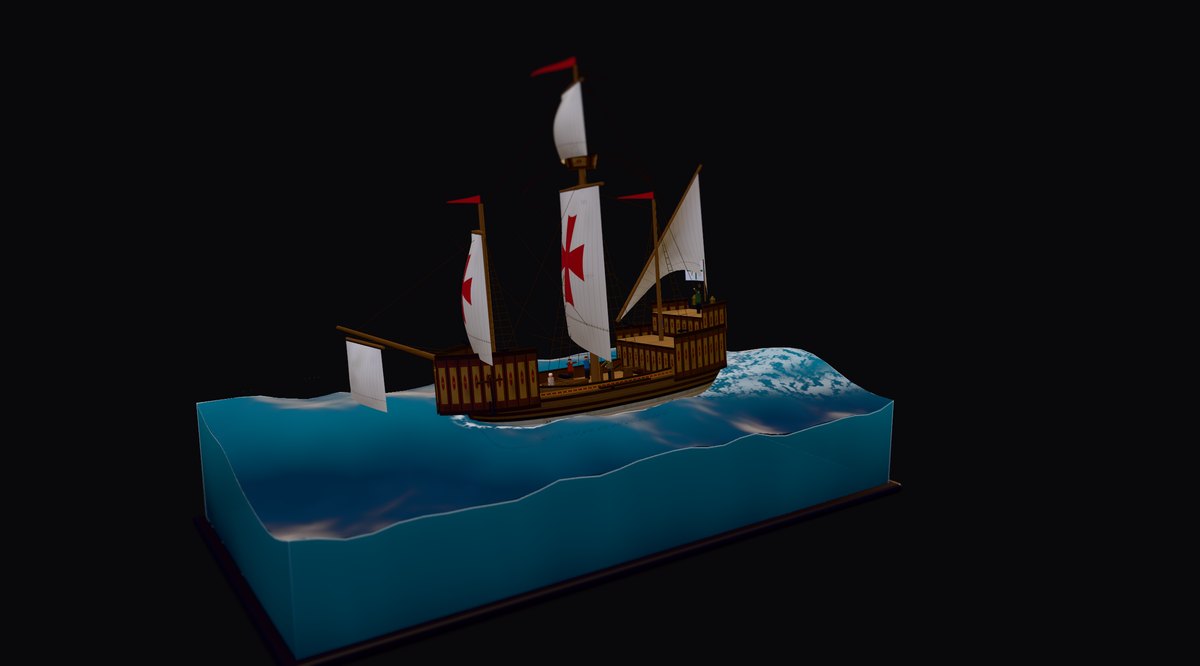
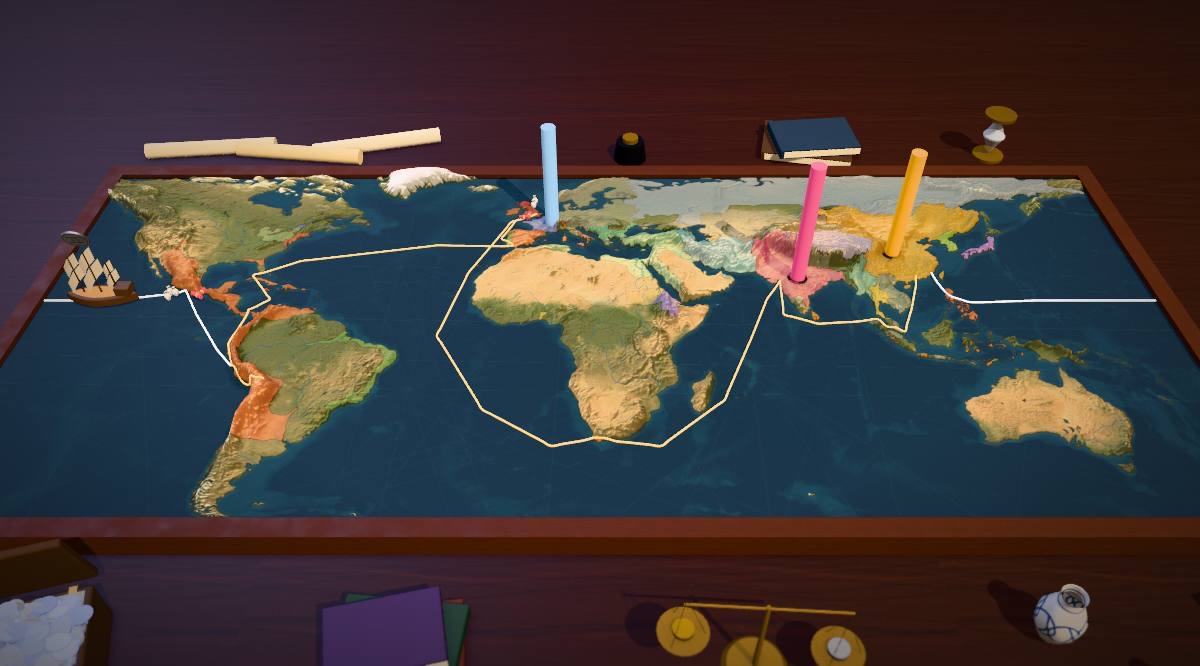
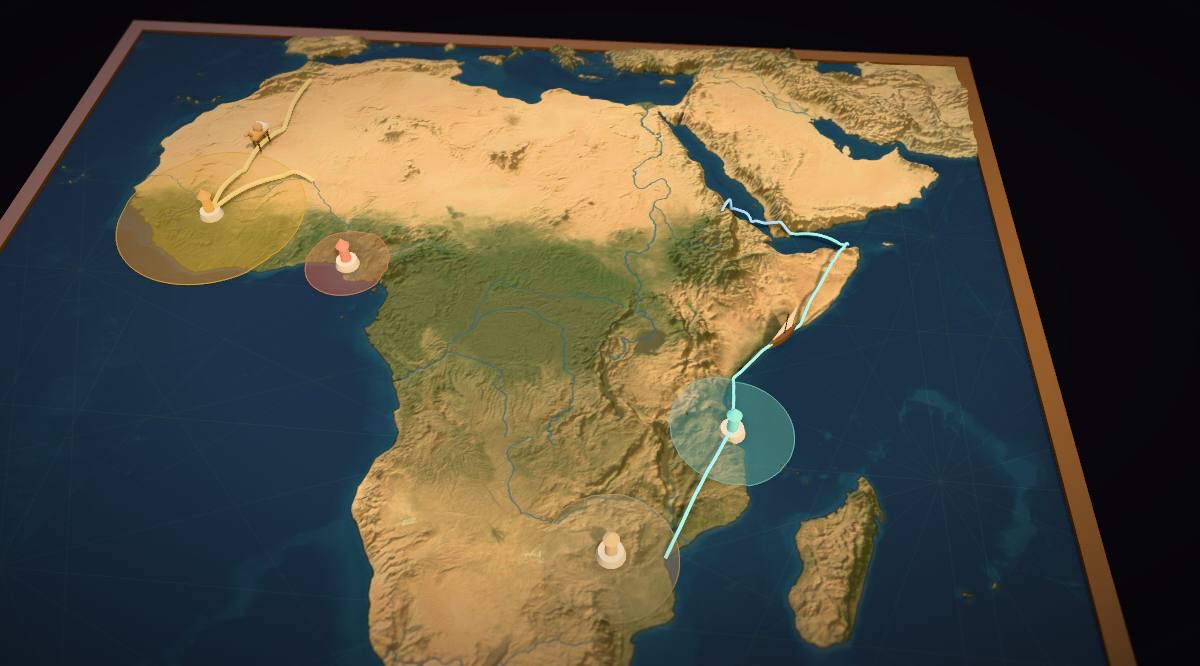
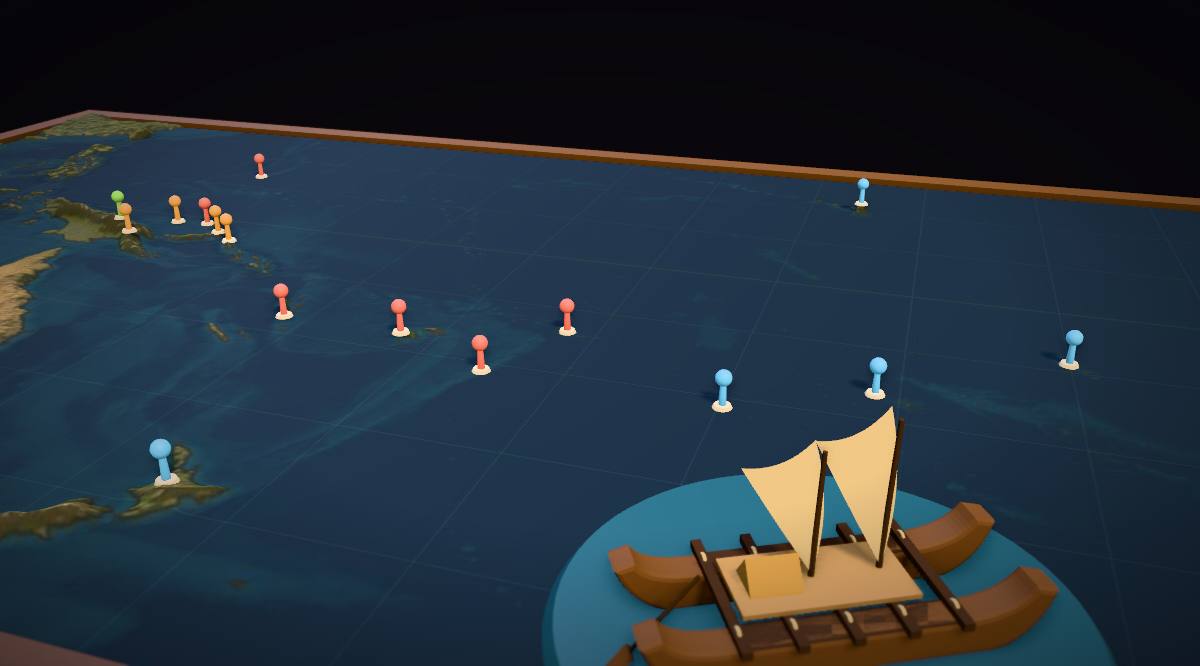
The age of exploration
How did sailors cross oceans no one had mapped — and what changed for the world when they did?
Launch ↗Teacher notes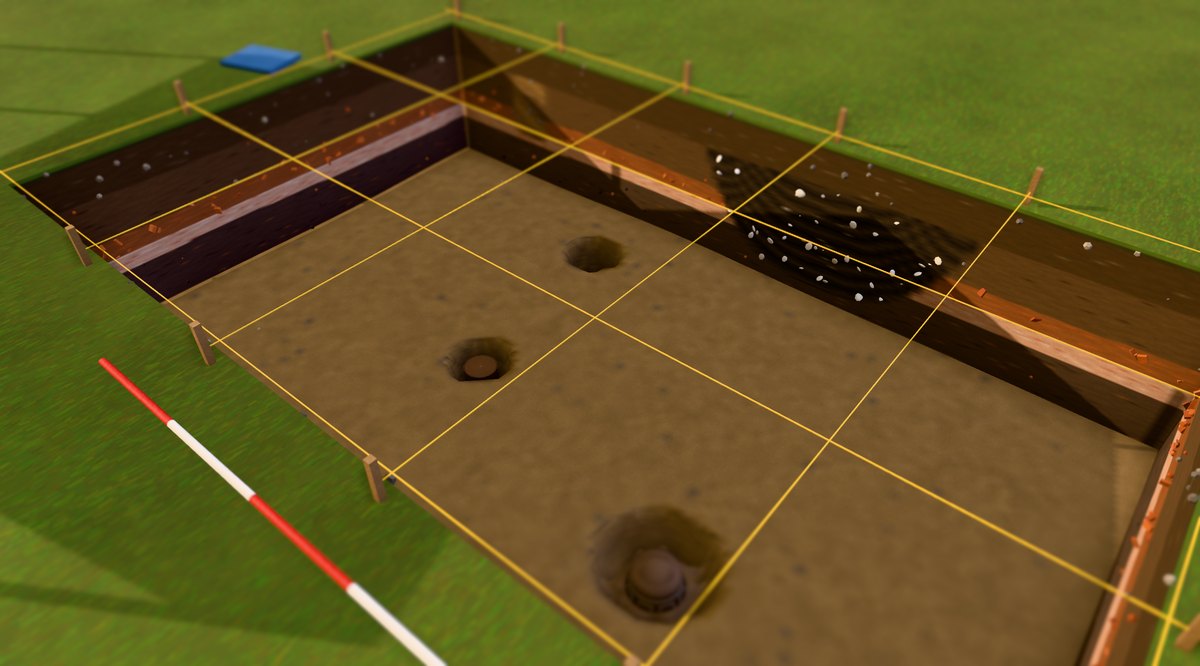
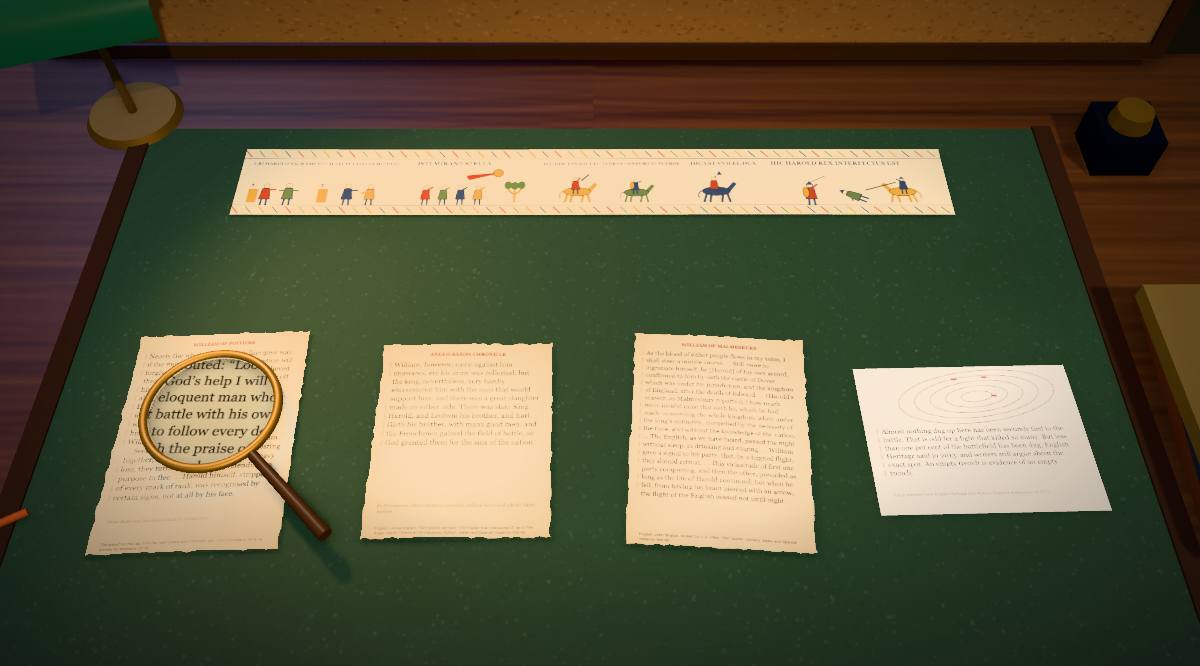
Archaeology dig
How do archaeologists read the past from the ground beneath our feet?
Launch ↗Teacher notes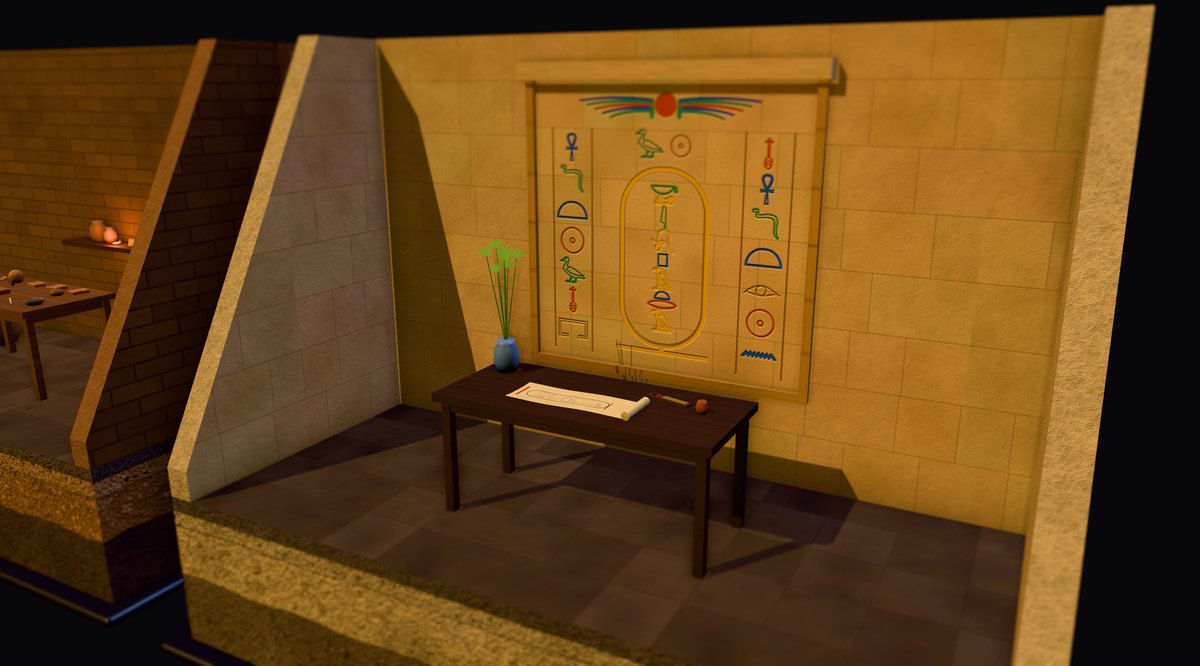
How writing began
Why did people start writing — and how did a picture of an ox become the letter A?
Launch ↗Teacher notes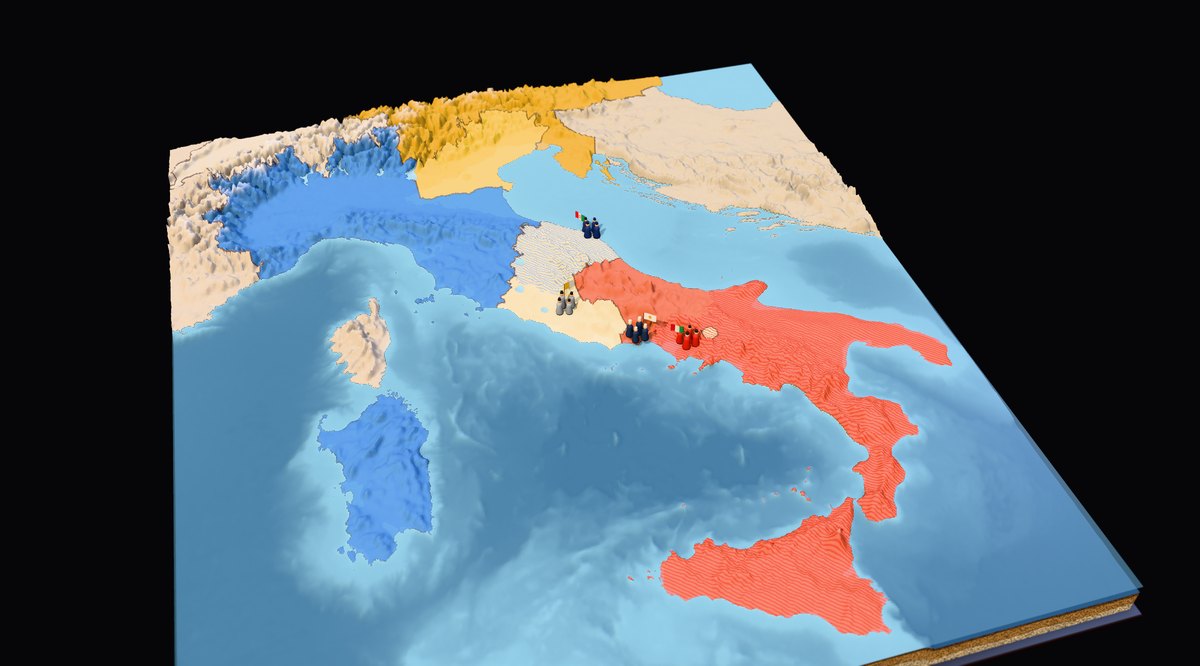
The Risorgimento: making Italy
In 1815 there was no country called Italy — how did eight states become one kingdom by 1871?
Launch ↗Teacher notes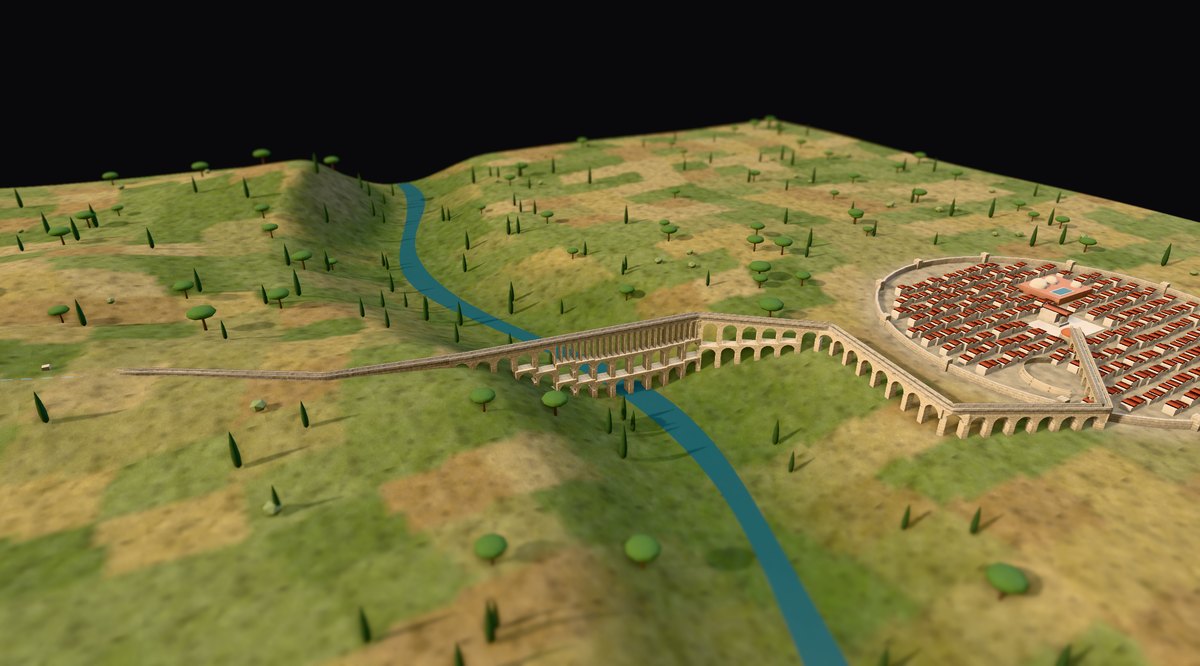
Roman engineering
How did the Romans carry water 90 km downhill without pumps — and build a dome that still stands 1,900 years later?
Launch ↗Teacher notes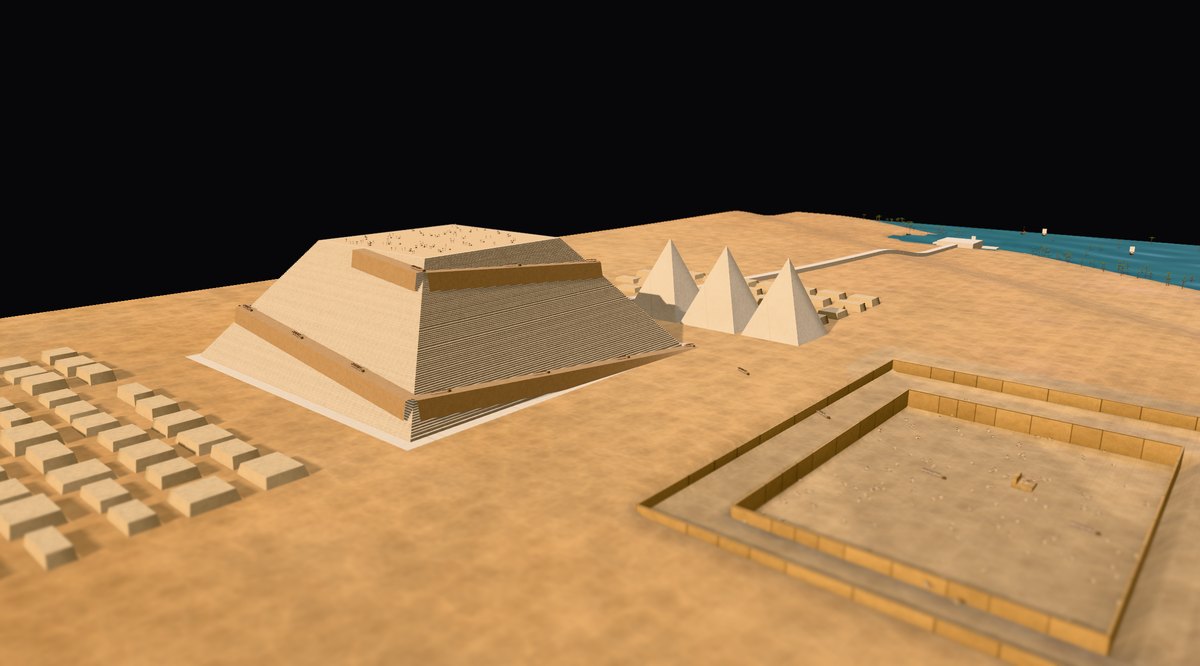
Build a pyramid
How did people 4,500 years ago build a mountain of stone with copper tools and no wheels on the site?
Launch ↗Teacher notes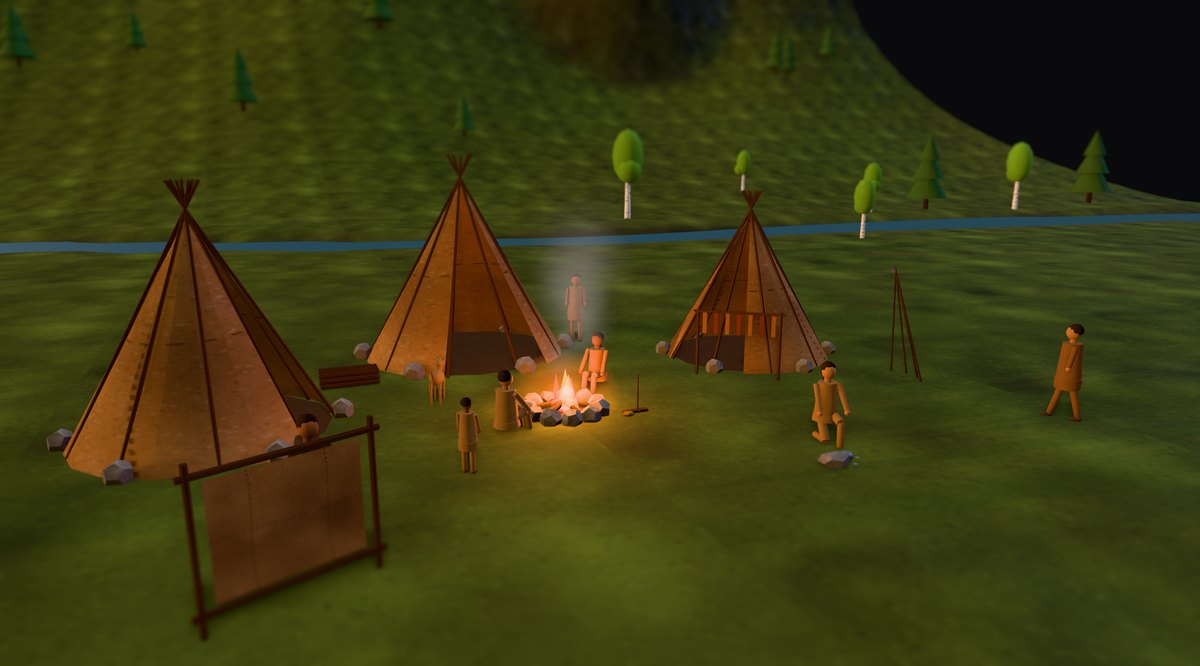
From the Stone Age to the first farms
How did people live before farms and towns — and what changed when they started growing their own food?
Launch ↗Teacher notes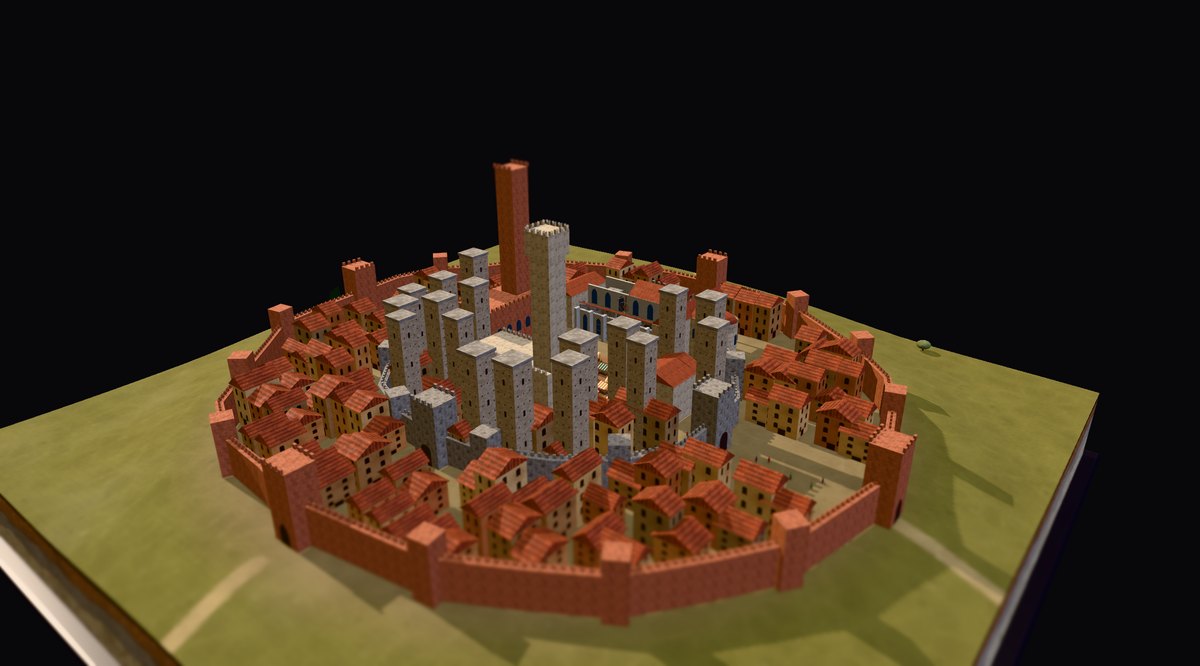
The Middle Ages: castle, town and commune
Who held power in the Middle Ages — and how did towns win their freedom?
Launch ↗Teacher notes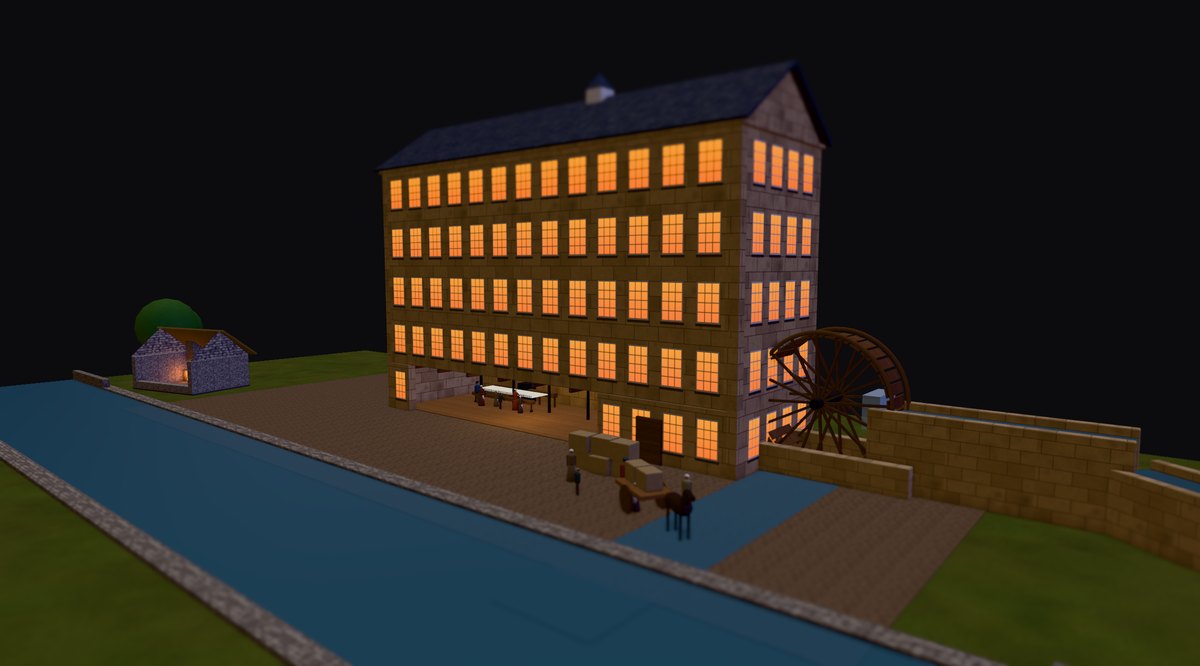
The Industrial Revolution: steam, coal and factories
How did steam, coal and machines change where people lived and how they worked?
Launch ↗Teacher notes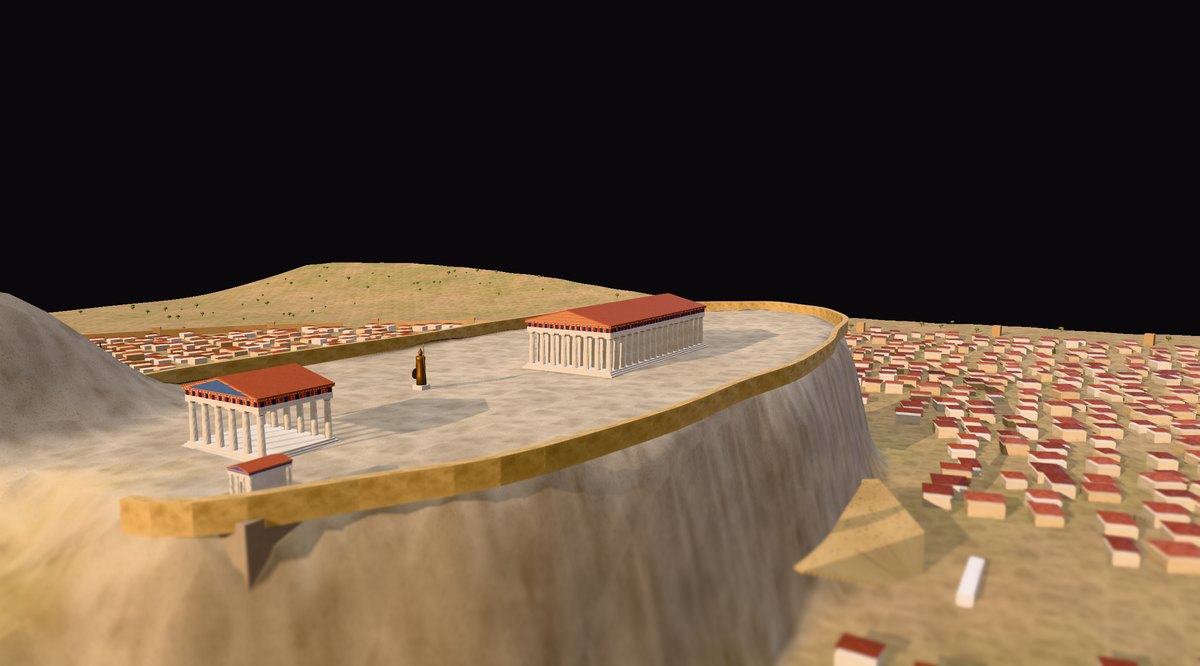
Ancient Greece: the city and its citizens
How did a Greek city work — and who actually had a say?
Launch ↗Teacher notes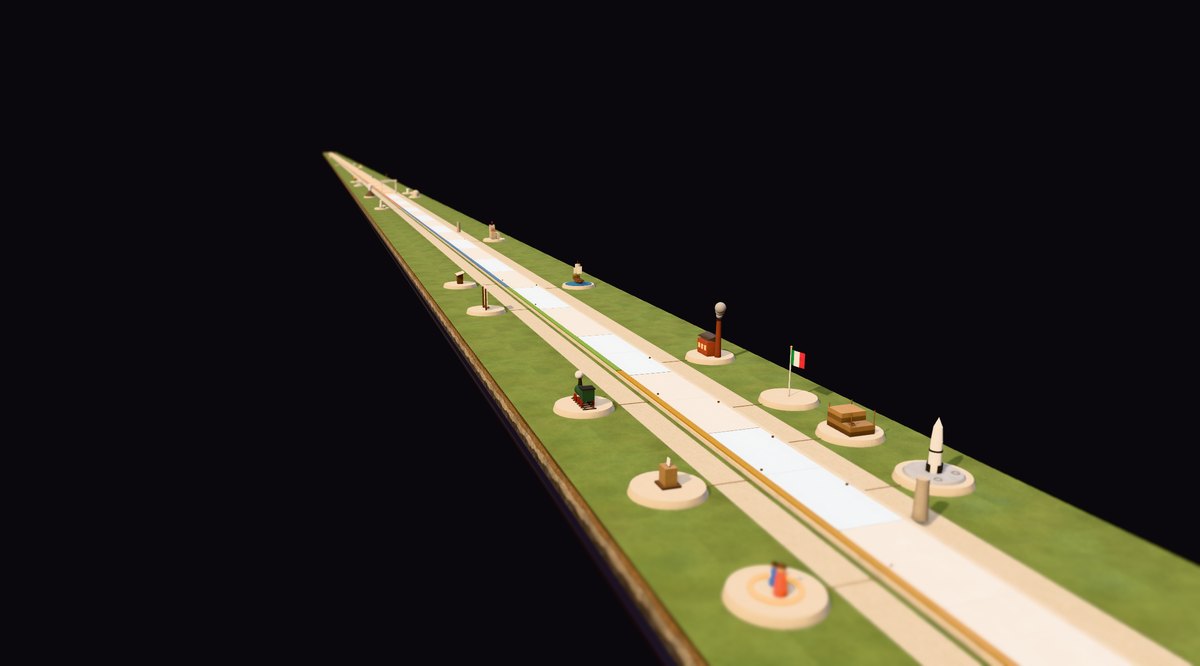
The timeline: years, centuries and millennia
Why are the 1400s called the fifteenth century — and how long ago did the pyramids go up?
Launch ↗Teacher notes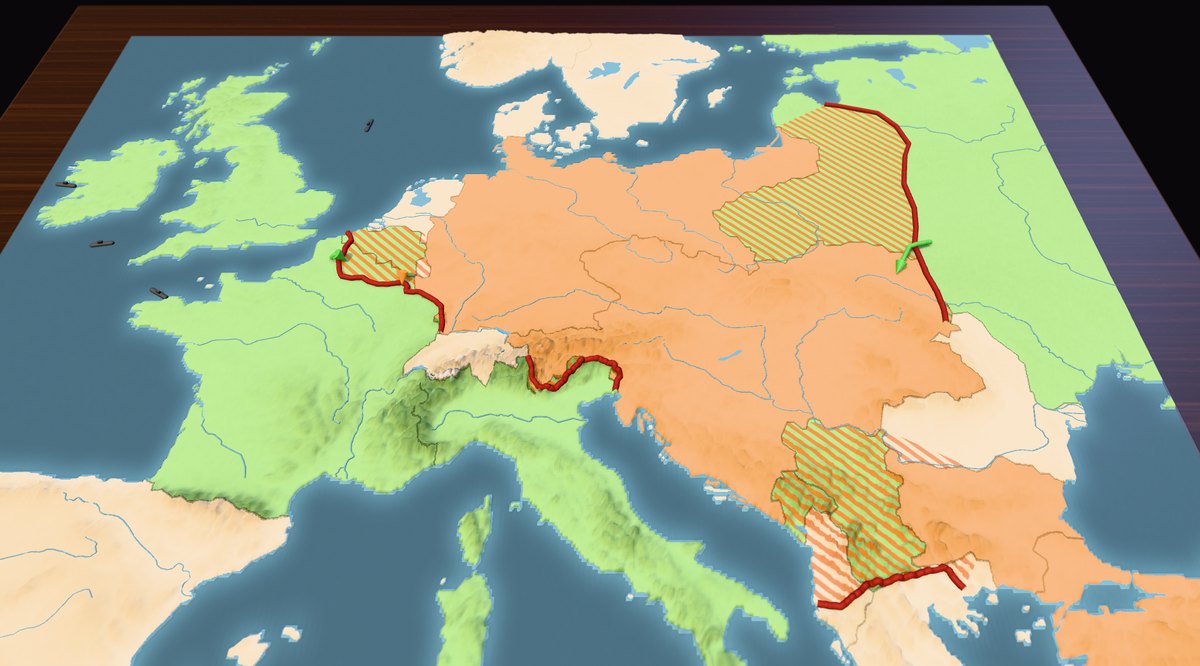
The First World War, 1914–1918
Why did a murder in Sarajevo become a world war — and what did four years of it do to soldiers, families and the map of Europe?
Launch ↗Teacher notes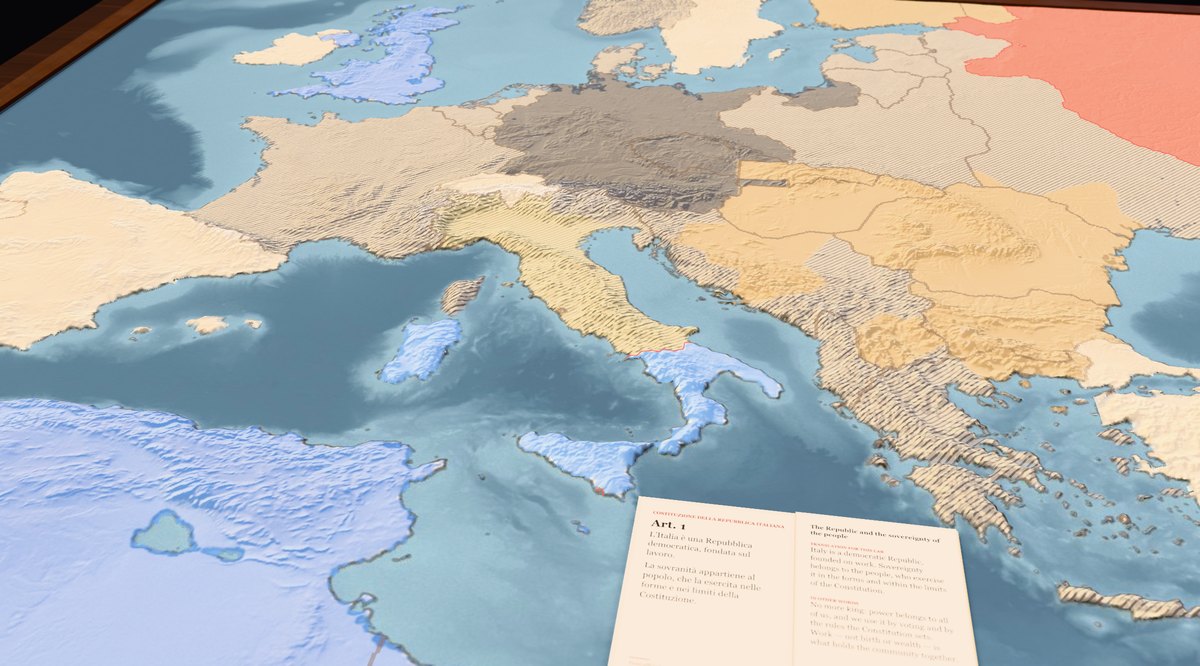
The Second World War, the Resistance and the Republic
How did Europe go from dictatorships to the deadliest war in history — and how did Italy come out of it as a republic with a Constitution?
Launch ↗Teacher notes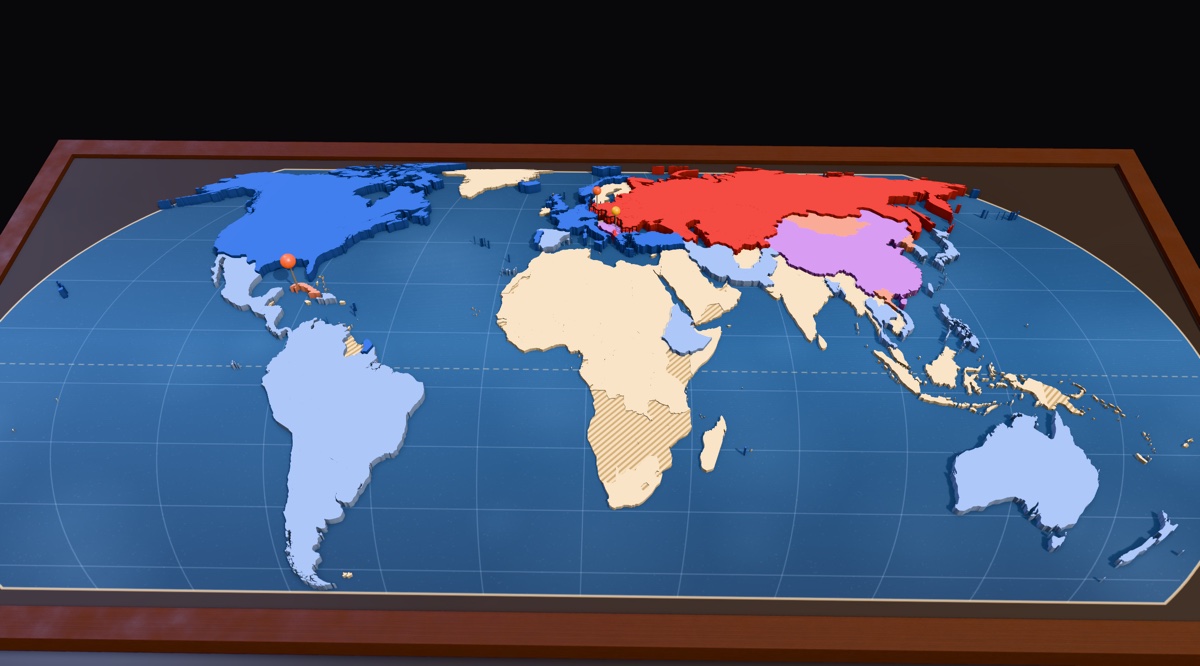
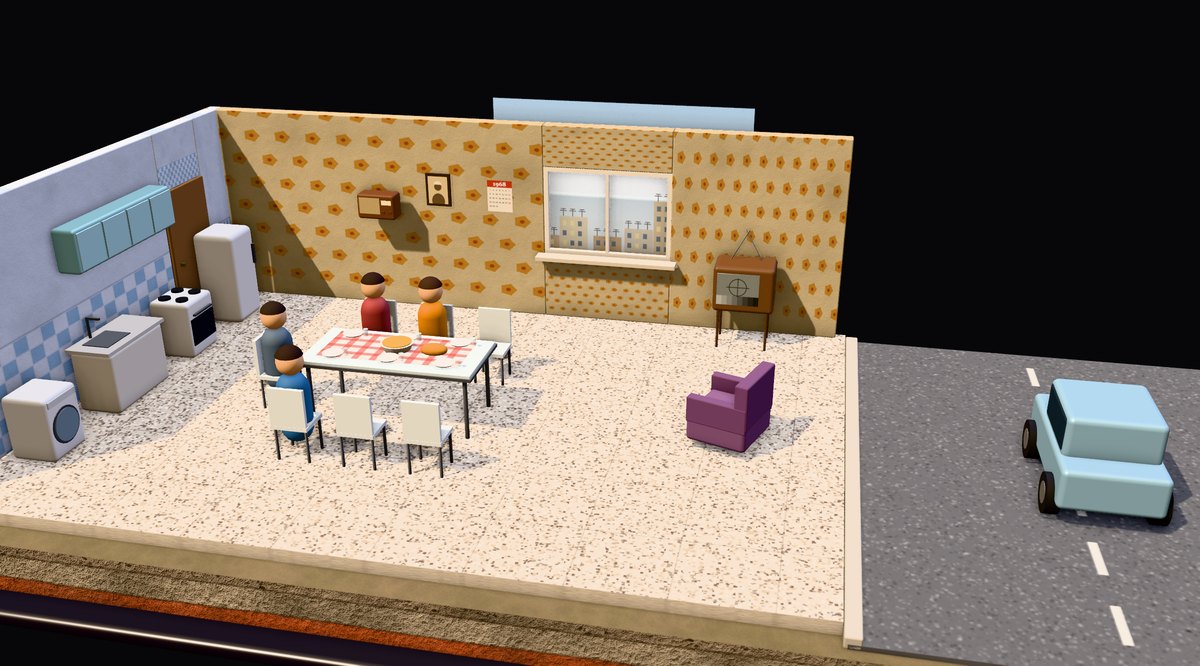
Italy since 1948
How did a country in ruins become a rich democracy — and what changed in everyday life?
Launch ↗Teacher notes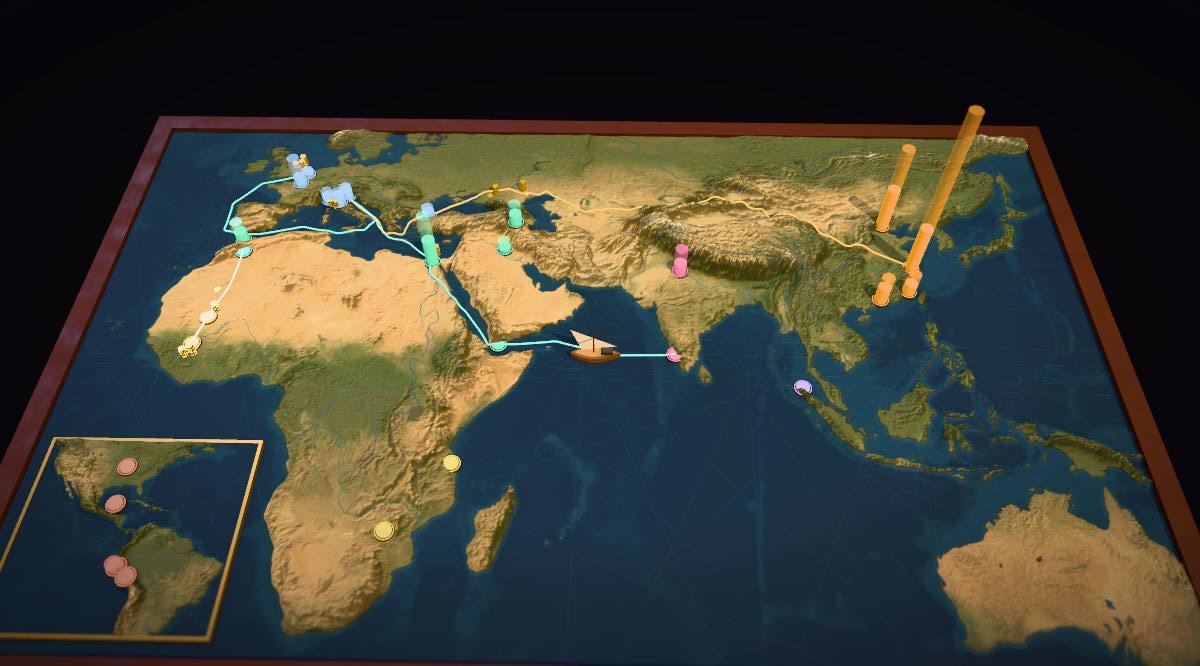
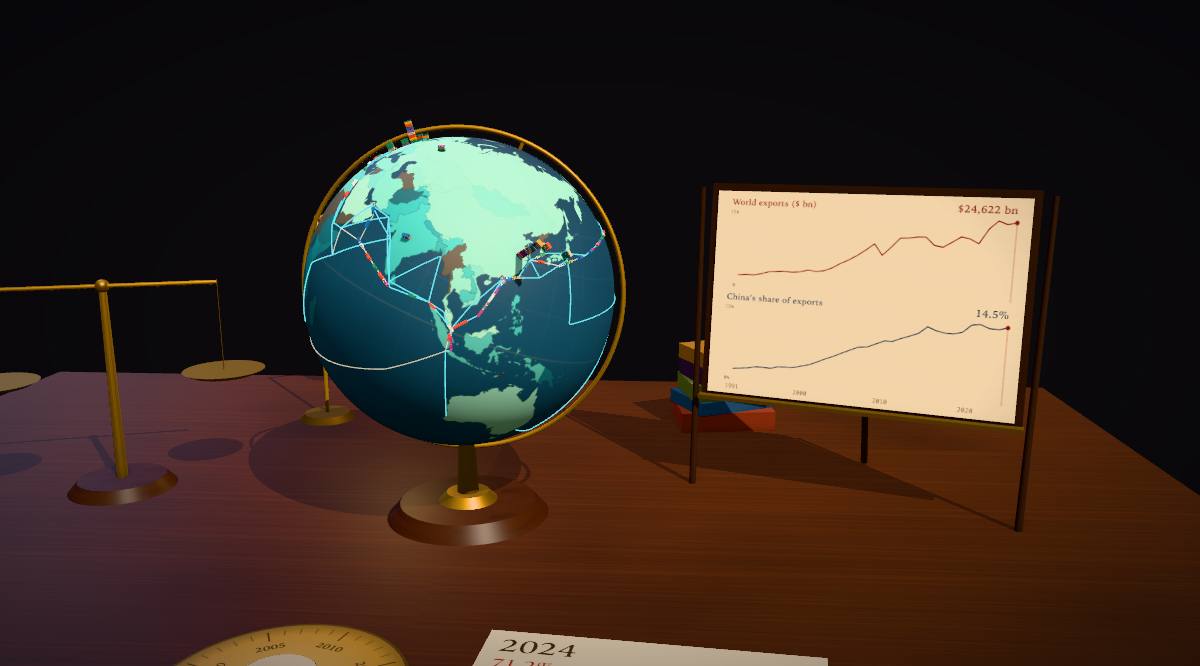
HISTORY
History you can walk around in
History is easier to remember when you can stand in it. These interactive history labs put pupils inside a Roman house the day before Vesuvius erupted, on a pyramid building site 4,500 years ago and in a medieval town fighting for its freedom, then ask them how we know.
Alongside the scenes sit the tools of the historian: a world atlas where borders rise and fall over 5,400 years, a timeline that untangles centuries and millennia, and an archaeological dig that reads the past from the ground.
Create a free account →What you can explore
Prehistory and the first writing
Follow people from hunting and gathering to the first farms, dig through the layers of an archaeological site, and see how a picture of an ox turned, over centuries, into the letter A.
Egypt, Greece and Rome
Build a pyramid with copper tools and no wheels on site, find out who really had a say in a Greek city, walk through a house in Pompeii and see how Roman engineers carried water 90 km downhill without a single pump.
The Middle Ages
Castle, town and commune: who held power, how towns won their freedom, how cathedrals went up and what the Black Death changed.
The modern world
Sail with the explorers across oceans no one had mapped, follow eight states as they become one Italy between 1815 and 1871, and see how steam, coal and factories changed where people lived and worked.
Maps and time
Scroll through more than 1,500 states, empires and peoples from 3400 BC to today, then sort out BC and AD, why the 1400s are the fifteenth century and how long ago the pyramids really went up.
How a lab works
Start with a question
Each lab opens on one question, pitched at the right level: most have an Explorer level for younger pupils and a Scientist level for older ones.
Change one thing
Move a slider, peel back a layer, add something or take it away. The model answers straight away.
Explain what happened
Short challenges ask for a prediction before you look, then for what you saw in your own words.
For teachers
Open a scene on the board as the hook for a topic, or use the atlas and timeline whenever a date or a place needs anchoring. Each lab has teacher notes with questions to ask and common misconceptions.
For families
A good warm-up before a museum visit or a trip to Rome or Pompeii, and a good way back into a topic that didn’t click at school.
Questions people ask
Are these history activities free?
Yes. Imagzle Learning is in beta: a free account opens every lab. After the beta a few labs will be part of a paid plan, each marked as such, and we will tell you at least 30 days before.
What ages are they for?
From about 7 to 15, from prehistory and the first writing in primary school to the Risorgimento and the Industrial Revolution in secondary. Each lab shows its suggested ages.
How accurate are the reconstructions?
They are built from archaeological and historical sources, and the teacher notes point out where a reconstruction has to simplify.
Do I need to install anything?
No. The labs run in an up-to-date web browser. A recent computer or classroom board gives the smoothest 3D.