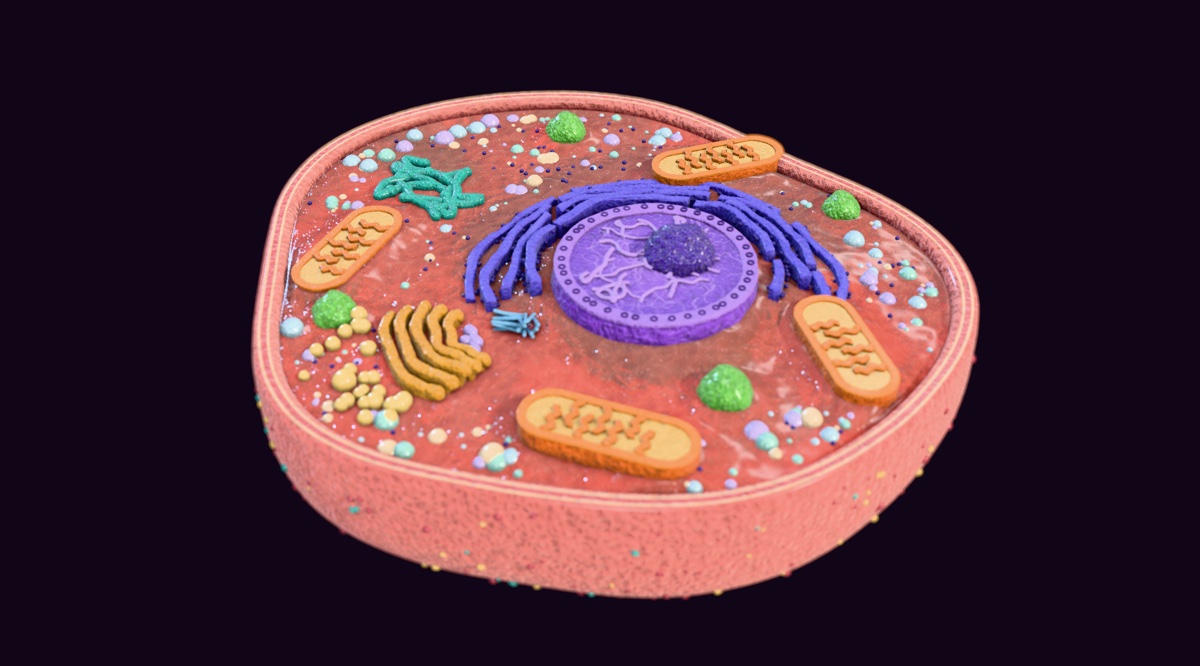
What keeps living things alive?
Look inside a cell and a human body, follow water through a membrane and watch a leaf make its food.
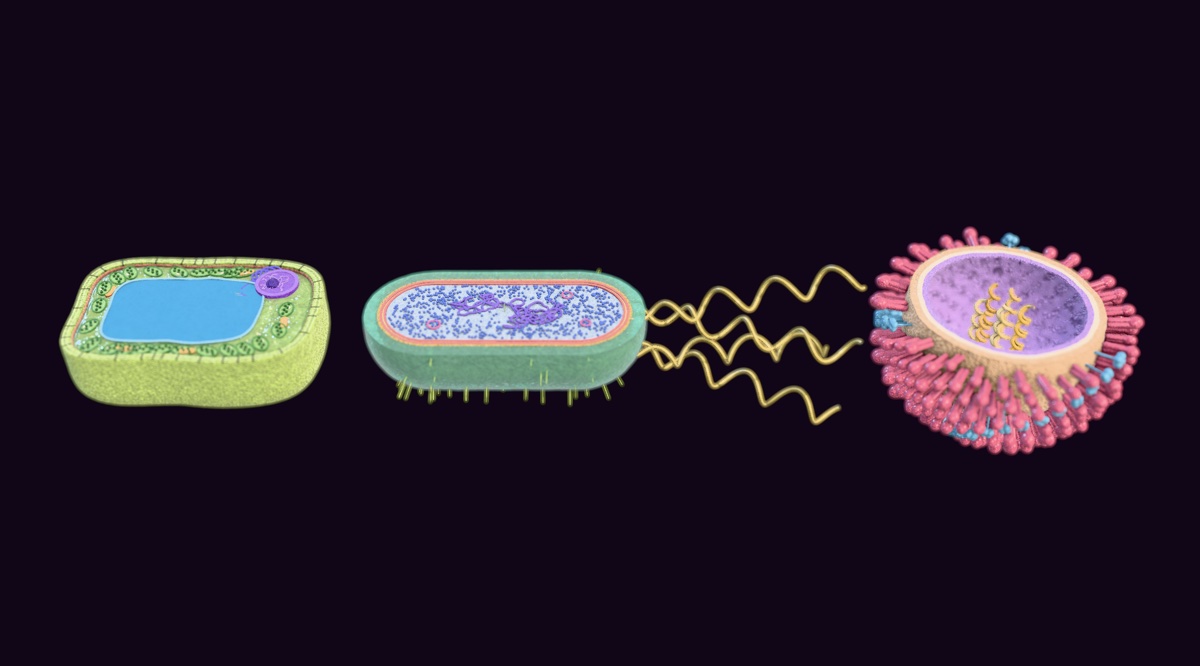
Plant cell, bacterium and virus
What makes a plant cell, a bacterium and a virus so different?
Launch ↗Teacher notes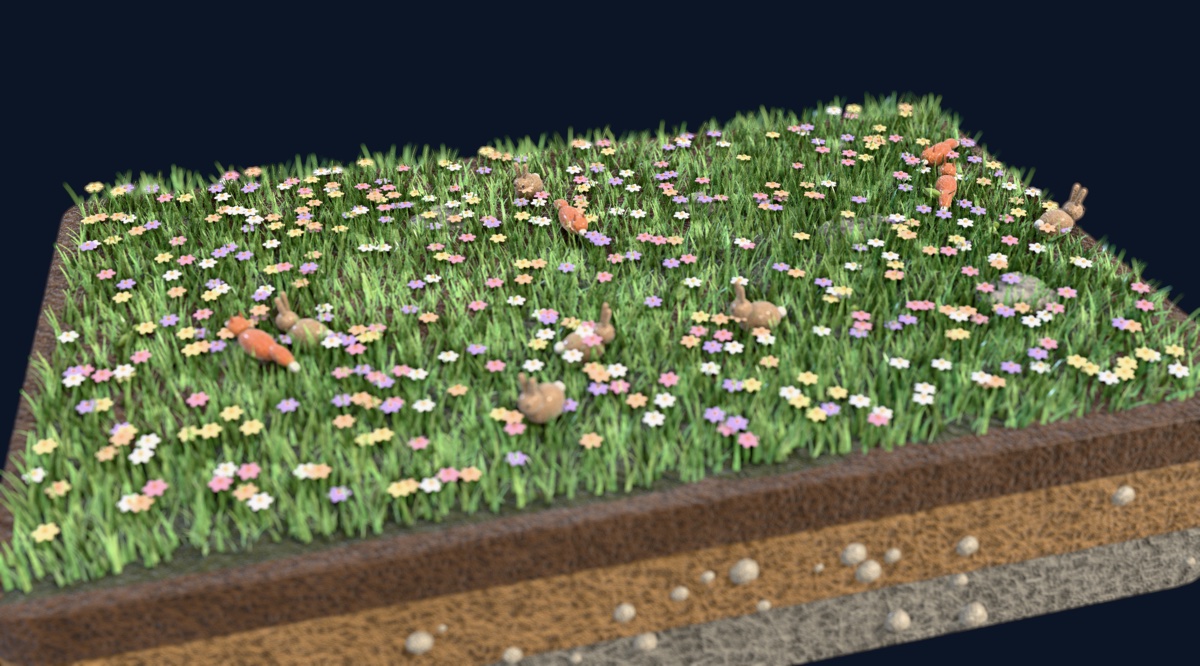
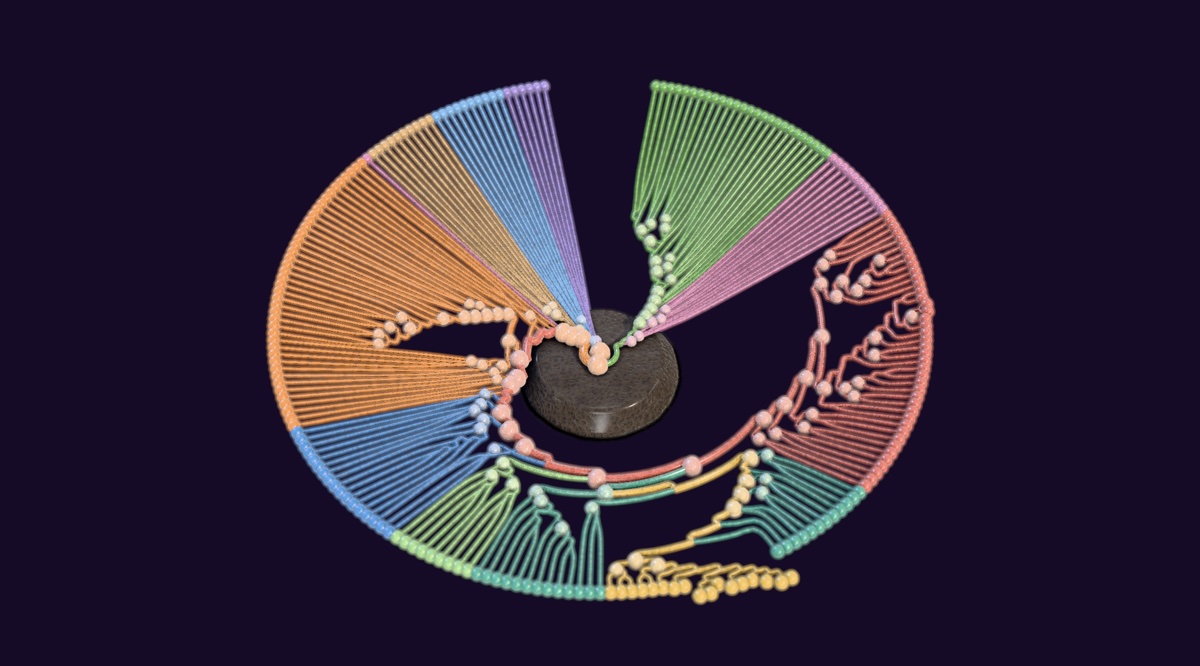
Deep time and the tree of life
How are all living things related, and when did they appear?
Launch ↗Teacher notes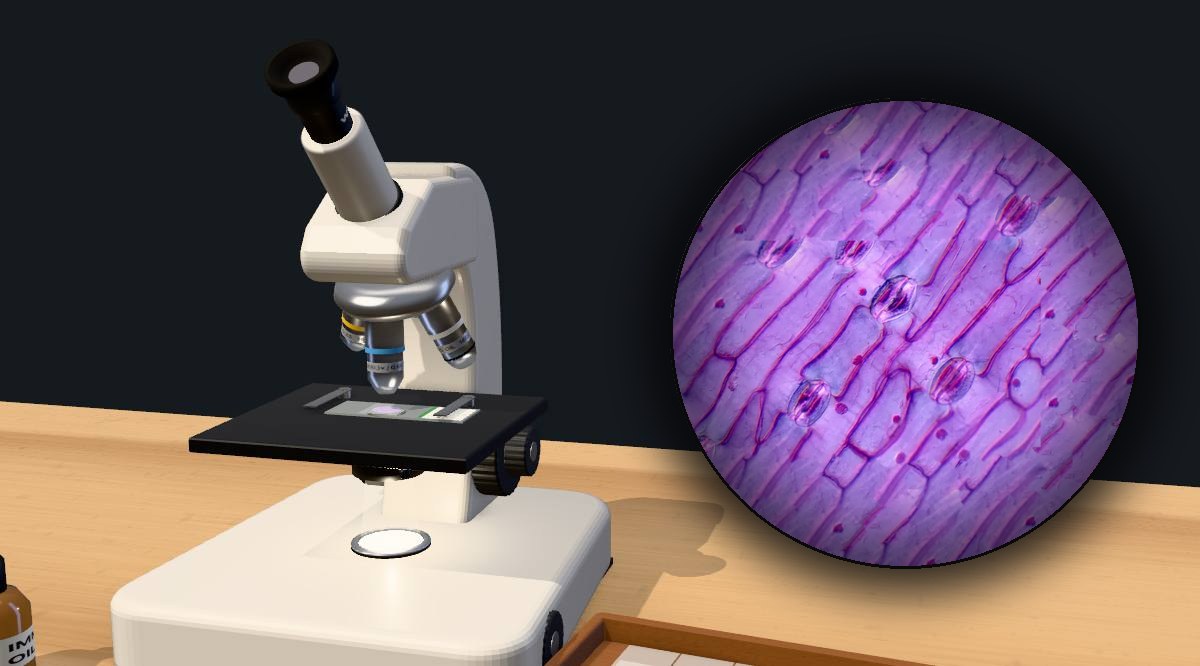
BIOLOGY
Biology you can see from the inside
Most of biology happens where you can’t see it: inside a cell, behind your ribs, across millions of years. These interactive biology labs bring it into view. Every lab is a 3D model you can turn, open up and change, built around one question a pupil would really ask: what does a cell need to stay alive? Why does your heart beat faster when you run?
Change one thing, watch what happens, then explain why. That is how scientists work, and it is how every lab works too. They open in a web browser, on the classroom board or the computer at home, with nothing to install.
Create a free account →What you can explore
Cells and the microscope
Step inside an animal cell and see the nucleus, mitochondria and membrane at work. Compare a plant cell, a bacterium and a virus, follow water across a membrane by osmosis, and learn to use a light microscope before looking at slides magnified up to 400 times.
The human body
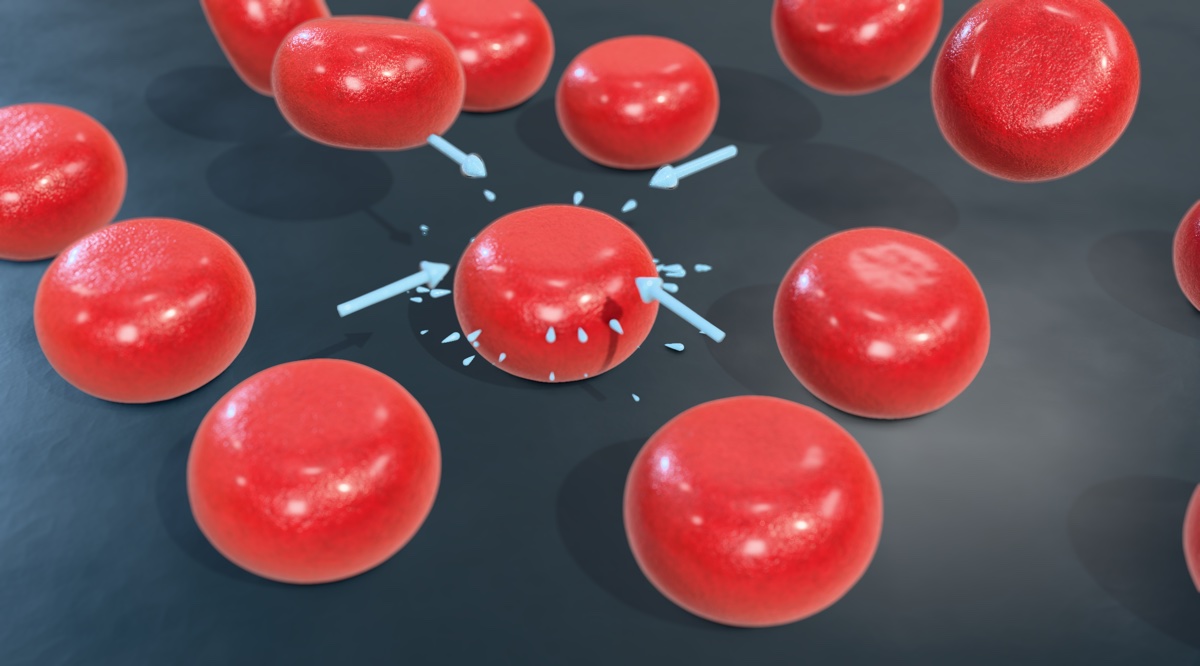
Open the body one organ at a time. Watch the heart push blood round two circuits, follow a sandwich all the way through digestion, see the lungs swap oxygen for carbon dioxide and find out how bones, joints and muscles move you. Then meet the senses, the brain and the immune system that fights off germs.
DNA, genes and inheritance
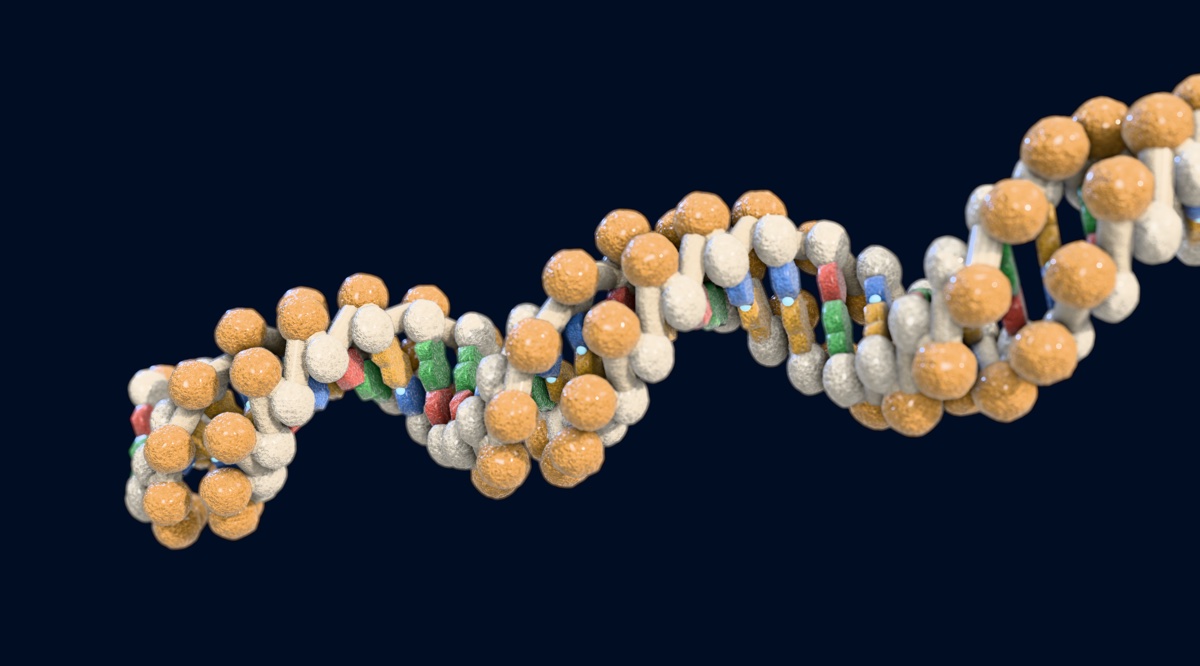
Unzip the double helix, copy it, and follow a gene as a ribosome reads it into a protein. Change one letter of the code and see what happens to haemoglobin. Then cross Mendel’s pea plants and work out why two tall parents can have a short offspring.
Evolution and the tree of life
Watch natural selection turn a population of pale moths dark, travel through deep time from the first cells to today, and sort living things the way scientists do (and settle, once and for all, whether a whale is a fish).
Plants
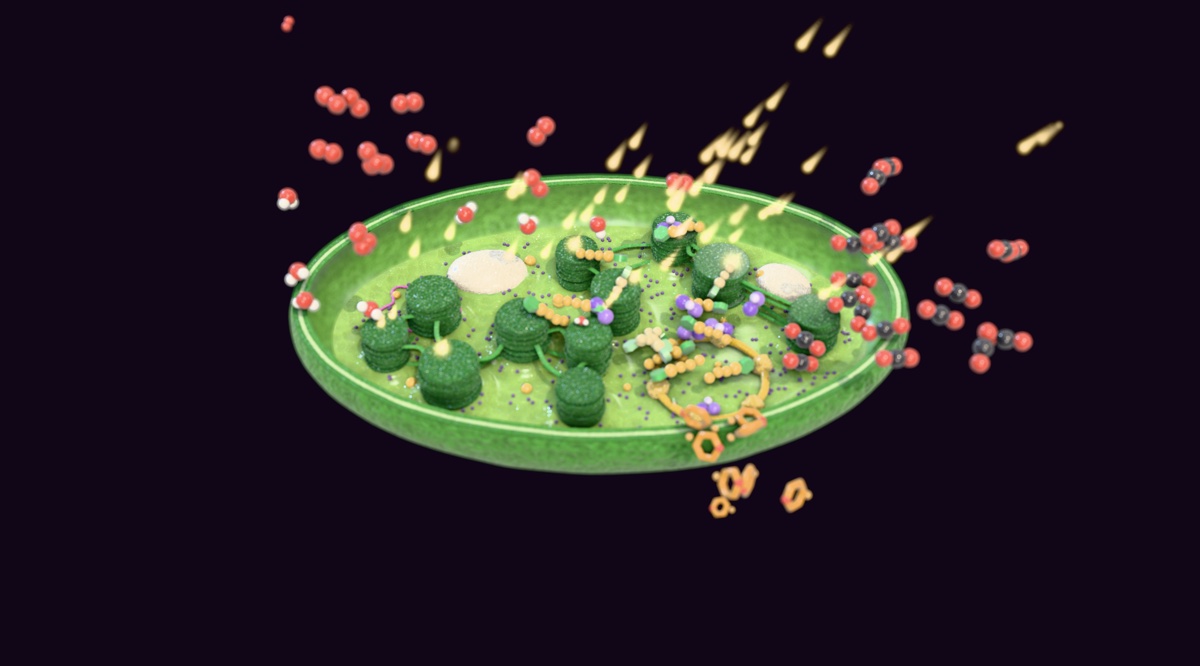
Take a flower apart and follow it from pollination to fruit and seed. Give a leaf more light, water or carbon dioxide and find the point where photosynthesis stops speeding up. Grow a bean, a frog and a butterfly through their life cycles.
Ecosystems and food webs
Build the food web of a pond or a meadow, add and remove species, and watch the numbers of prey and predators rise and fall, with the predators always a step behind.
How a lab works
Start with a question
Each lab opens on one question, pitched at the right level: most have an Explorer level for younger pupils and a Scientist level for older ones.
Change one thing
Move a slider, peel back a layer, add something or take it away. The model answers straight away.
Explain what happened
Short challenges ask for a prediction before you look, then for what you saw in your own words.
For teachers
Put a lab on the classroom board and teach from it, or let pupils explore in pairs. Every lab has teacher notes with the learning goal, what is on screen, questions to ask, common misconceptions and the limits of the model.
For families
Children can explore on their own at home: nothing to set up, nothing to install and no adverts. Pick an age at the top of the page and the collection shows the labs that suit them.
Questions people ask
Are these biology labs free?
Yes. Imagzle Learning is in beta: a free account opens every lab. After the beta a few labs will be part of a paid plan, each marked as such, and we will tell you at least 30 days before.
What ages are they for?
Mostly ages 8 to 16, from primary school to the first years of secondary, with a few for younger children. Each lab shows its suggested ages, and most have two levels: Explorer for younger pupils and Scientist for older ones.
Which biology topics do they cover?
Cells and the microscope; the human body, including the heart, lungs, digestion, skeleton and muscles, the senses and the immune system; DNA, genetics and inheritance; evolution and classification; plants and photosynthesis; and ecosystems.
Do I need to install anything?
No. The labs run in an up-to-date web browser. A recent computer or classroom board gives the smoothest 3D.