Play and discover with Pip the chick. Pictures and spoken instructions help young learners explore science, numbers, shapes, words, art, friendship and movement together.
FreeMaterials and water: floating and sinking10–20 min · Ages 4–7Reception, Years 1–2
Small children are natural scientists: they drop things, chase shadows and ask why it gets dark. These labs give that curiosity somewhere to go. Pip the chick says every instruction aloud, so a child who can’t read yet can play on their own, and the pictures do the rest.
There are no wrong moves and no timers. Whatever a child tries, something happens and Pip says what it was. The words on screen are for the grown-up sitting alongside, ready for the next “why?”.
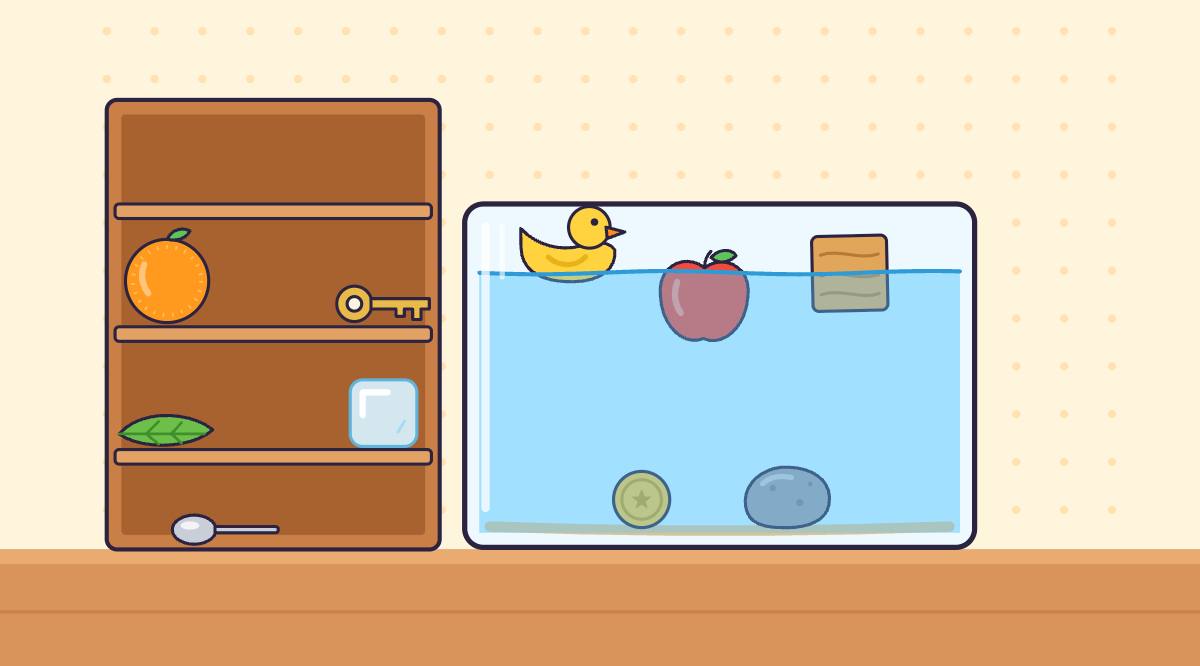
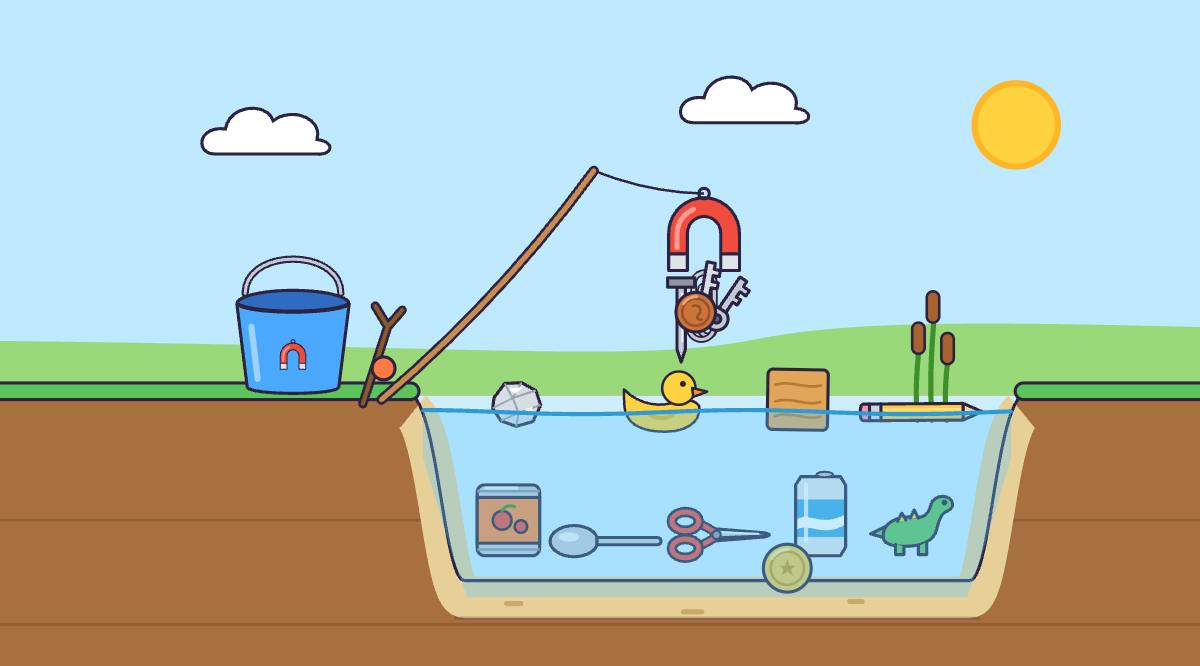
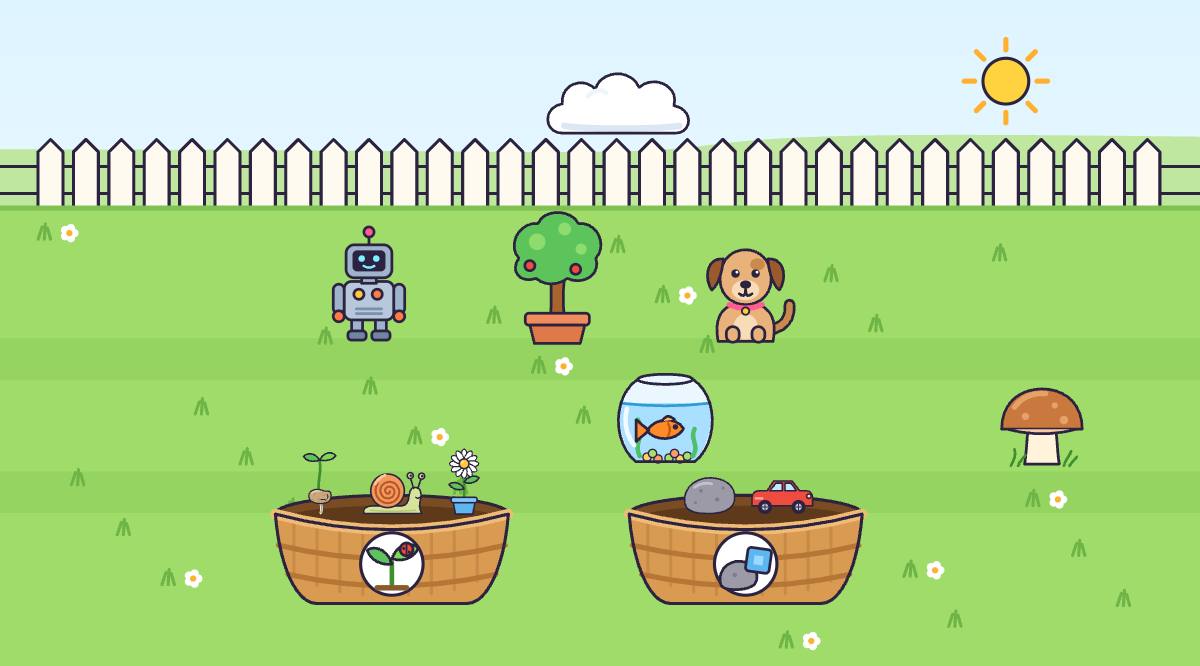
Drop everyday things into the water and watch what happens: a coin, an apple, a toy boat. Children sort what floats from what sinks and start to guess before they let go.
Shadows
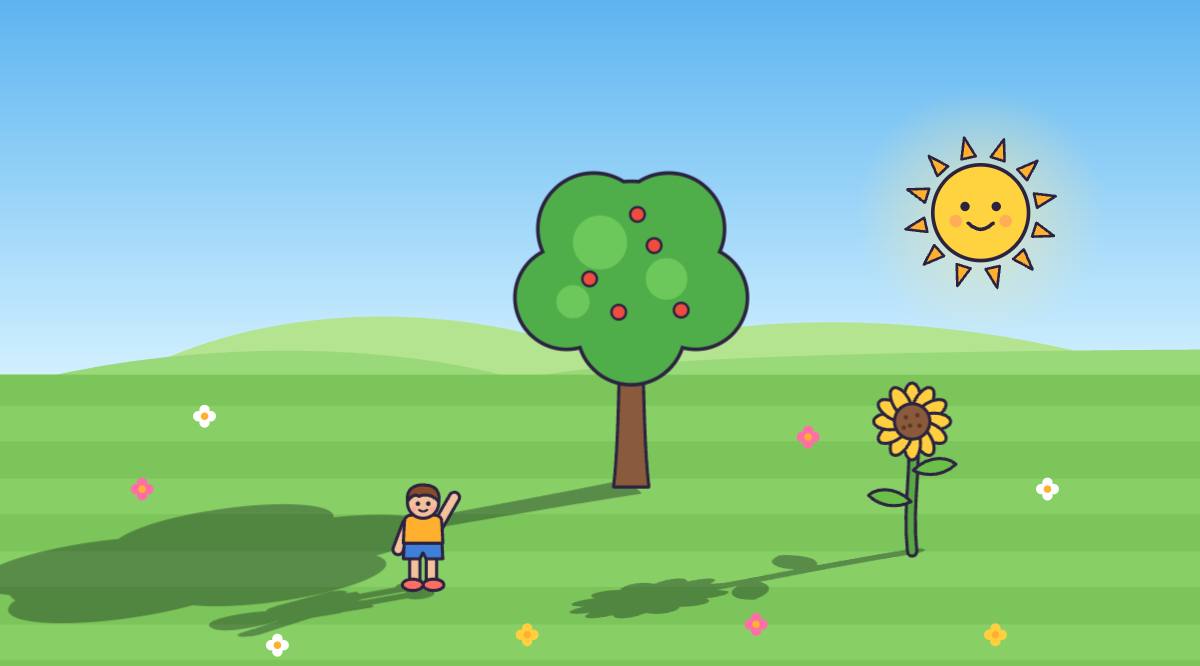
Move the Sun across the sky or point a torch and the shadows answer straight away: long in the morning, short at noon, and always on the side away from the light.
Day and night
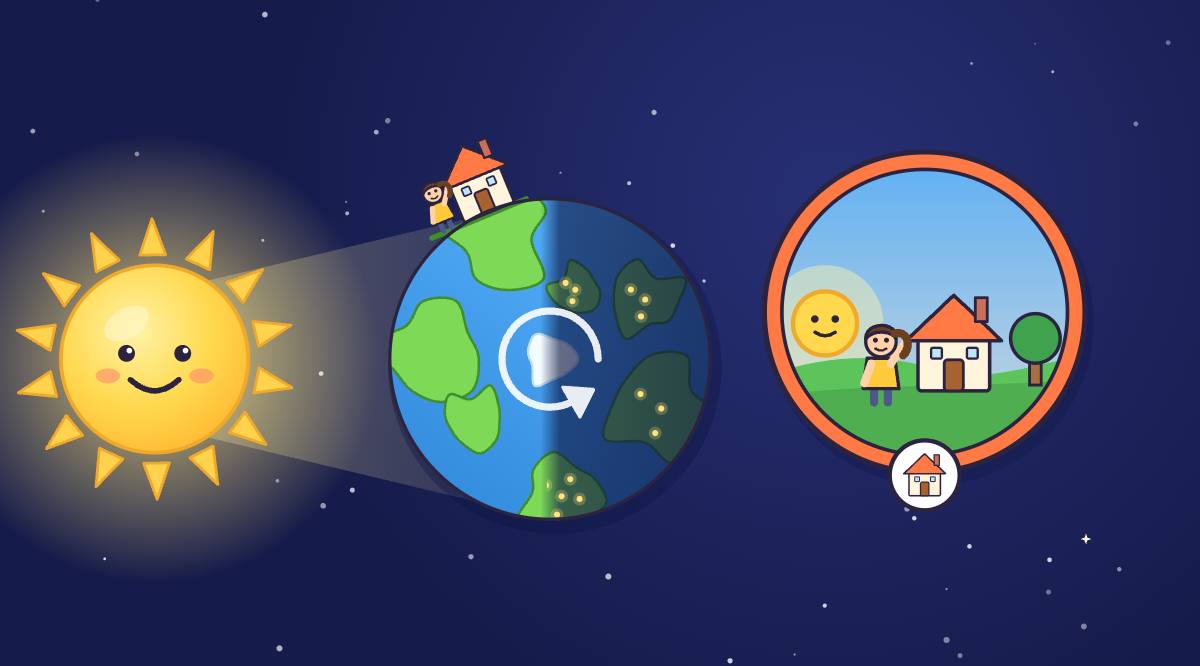
Spin the Earth and watch the Sun rise and set over different places. The youngest children follow the pictures; older ones add a clock and the names of the places.
Grow a plant
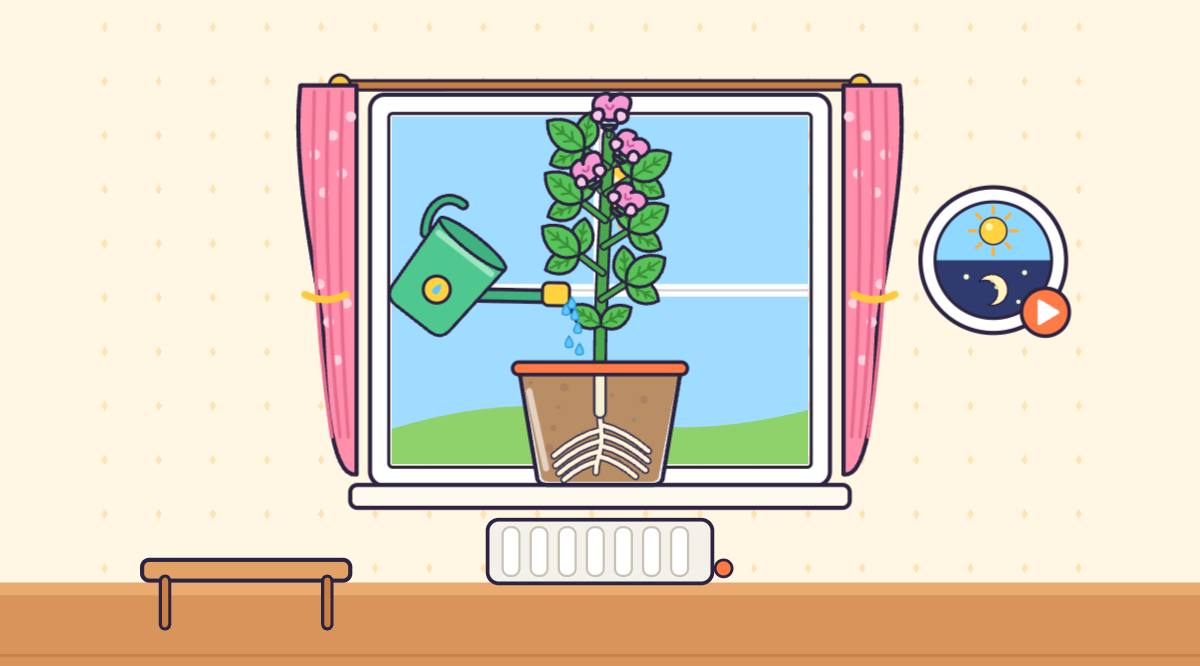
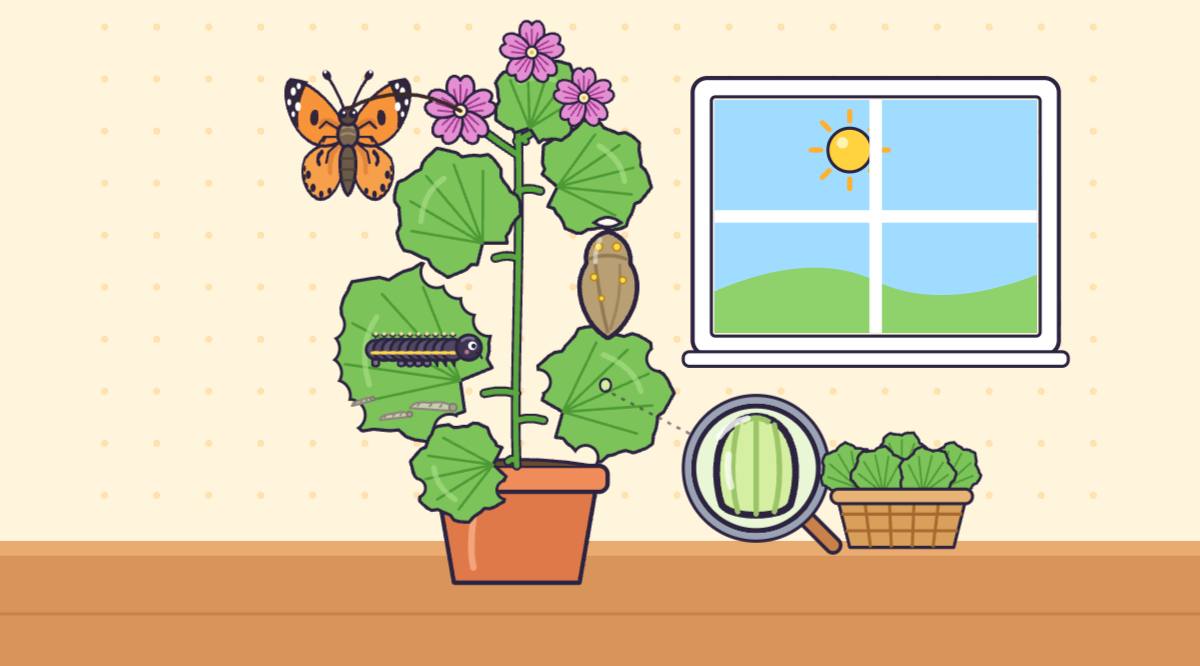
Give a seed water, light and soil and watch it grow. Nothing ever dies here: a thirsty plant droops and stands up again after a drink.
How a lab works
Pip says it aloud
Every instruction is spoken. Tap Pip to hear it again.
Tap, drag and drop
Big, simple moves that small hands can manage, on a tablet or a computer.
Something always happens
There are no wrong moves and no timers, so children keep trying things out.
For infant and early-years teachers
Use a lab on the board with the whole class gathered round, or at a table with a small group. Each lab has teacher notes with what to ask, what children usually think and what to do with real objects afterwards.
For parents
Sit alongside your child and let them lead. Ten or fifteen minutes is plenty for a first visit, and there are no adverts and nothing to buy inside the labs.
Questions people ask
My child can’t read yet. Can they still use it?
Yes, that is who these labs are made for. Pip the chick says every step aloud, and the screen words are for the adult.
What ages are they for?
Ages 4 to 7. Each lab has two levels: Explorer for 4 and 5-year-olds, and Scientist for 6 and 7-year-olds, with a few more words and harder questions.
Does a grown-up need to be there?
Children can play on their own, but they get much more out of it when someone is there to talk about what happened.
Are these science activities free?
Yes. Imagzle Learning is in beta: a free account opens every lab. After the beta a few labs will be part of a paid plan, each marked as such, and we will tell you at least 30 days before.