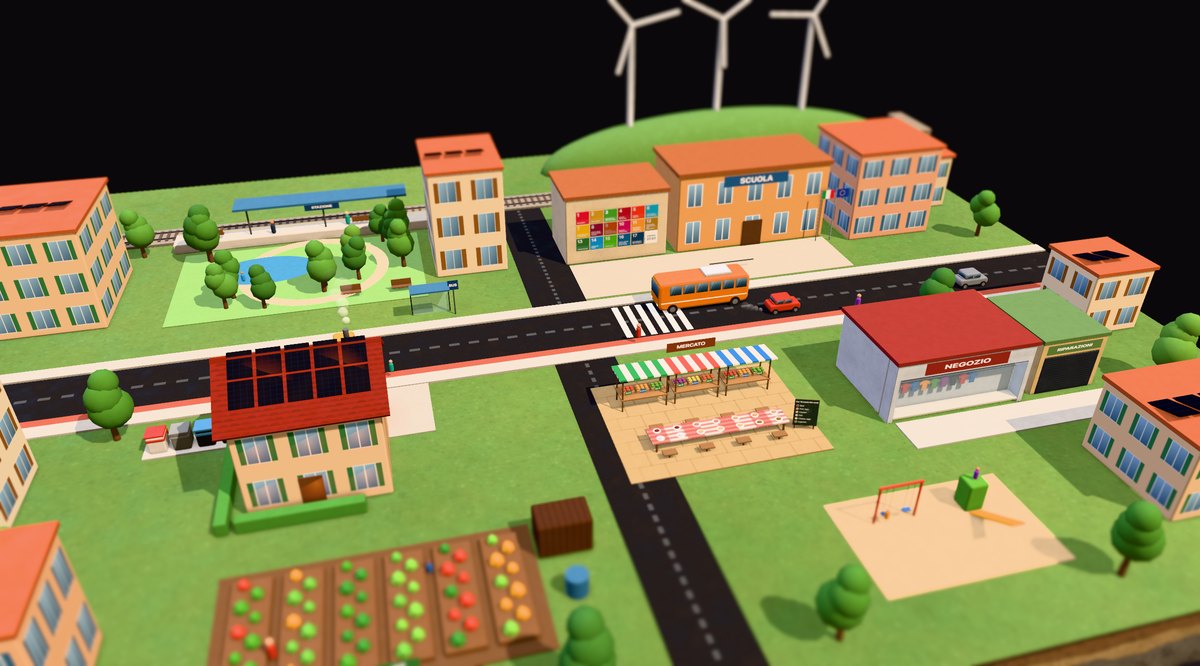
Agenda 2030: my footprint
How do the things we eat, use and travel by add up — and what choices make the biggest difference?
Launch ↗Teacher notesFollow a law from an idea to the Official Gazette and see how your everyday choices add up.
How do the things we eat, use and travel by add up — and what choices make the biggest difference?
Launch ↗Teacher notes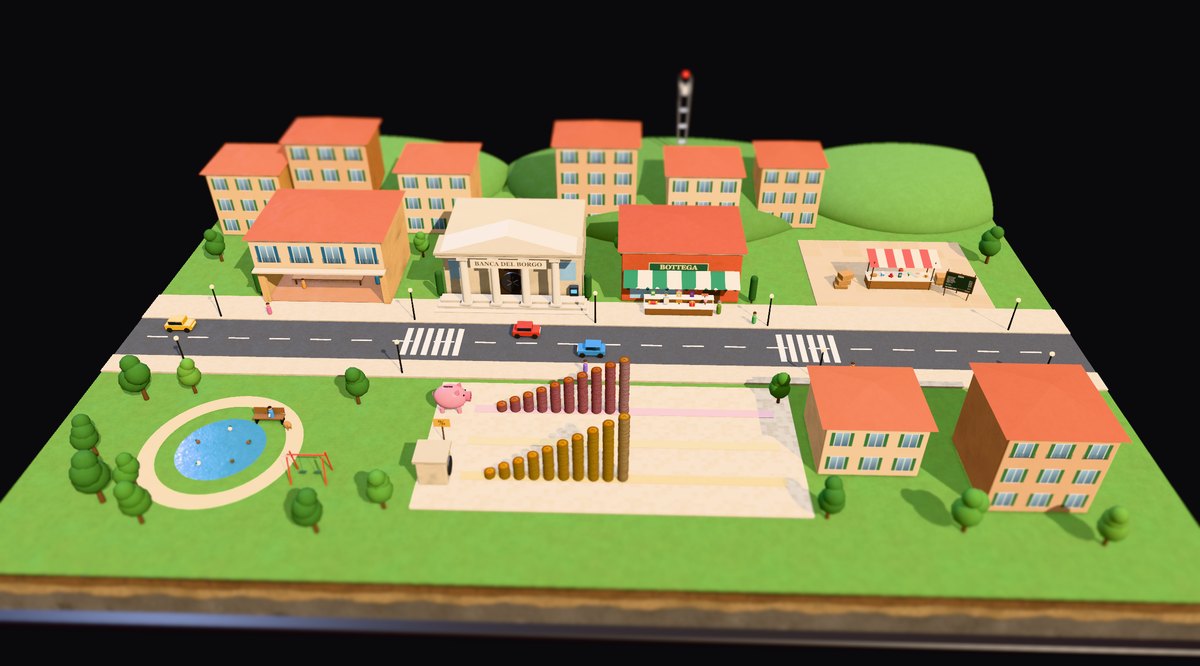
Where does money go — and how can a little saved each week grow into something big?
Launch ↗Teacher notes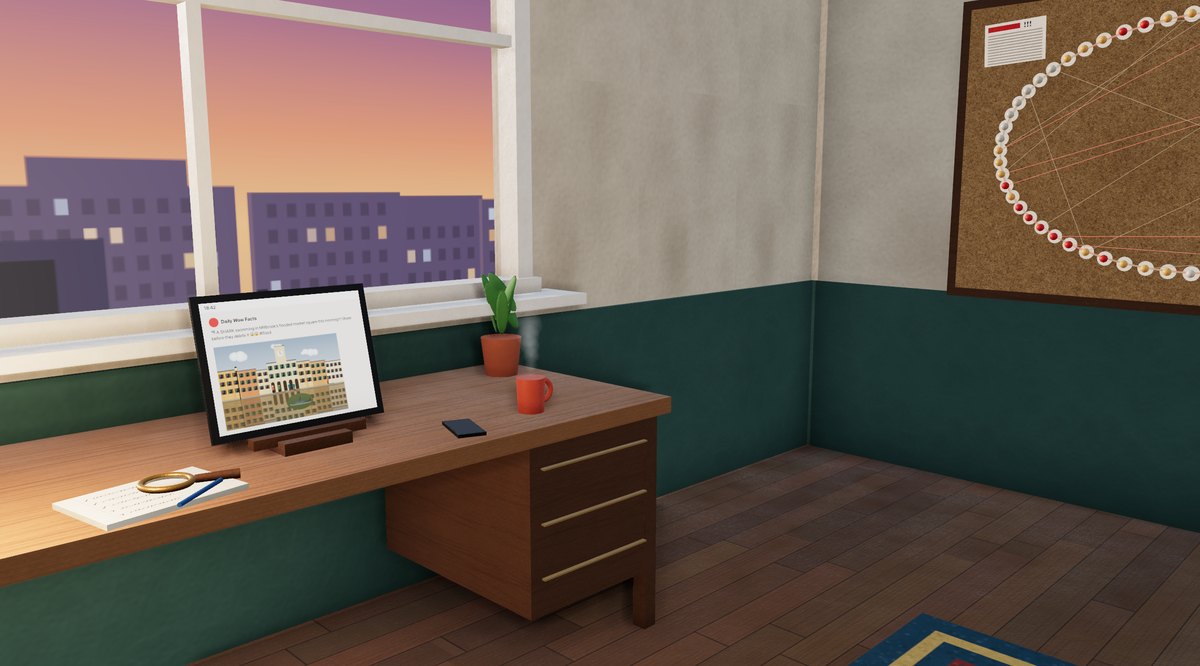
How can you tell whether a post, a photo or a message is telling the truth?
Launch ↗Teacher notes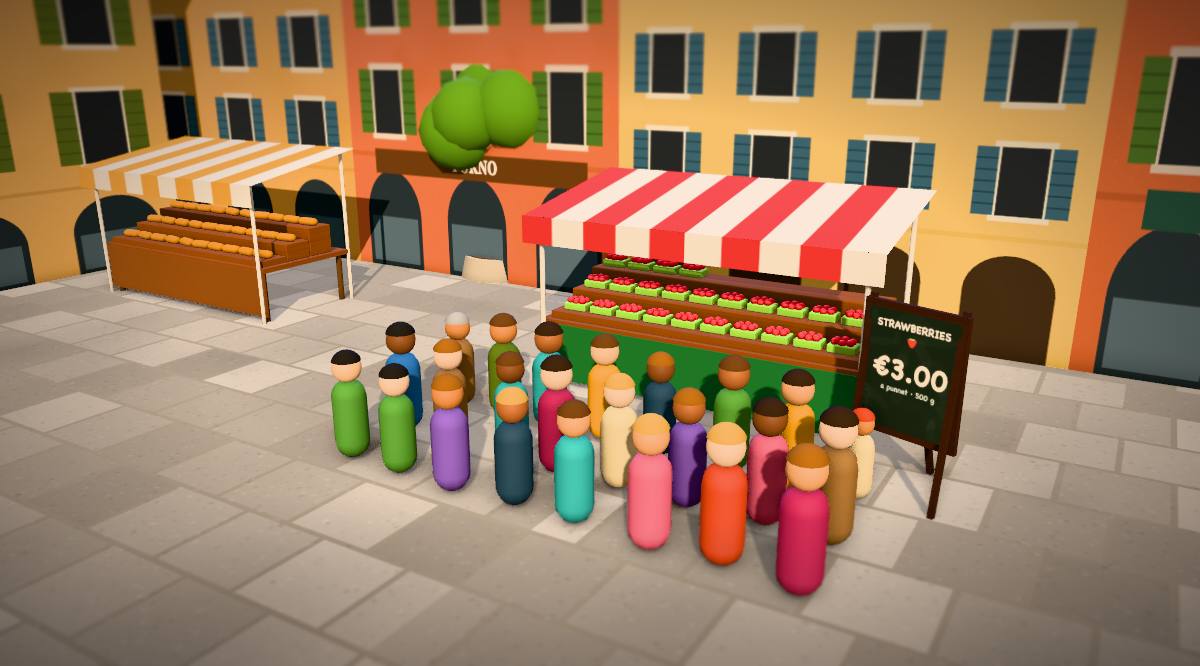
Why are strawberries cheap in June and dear in December?
Launch ↗Teacher notes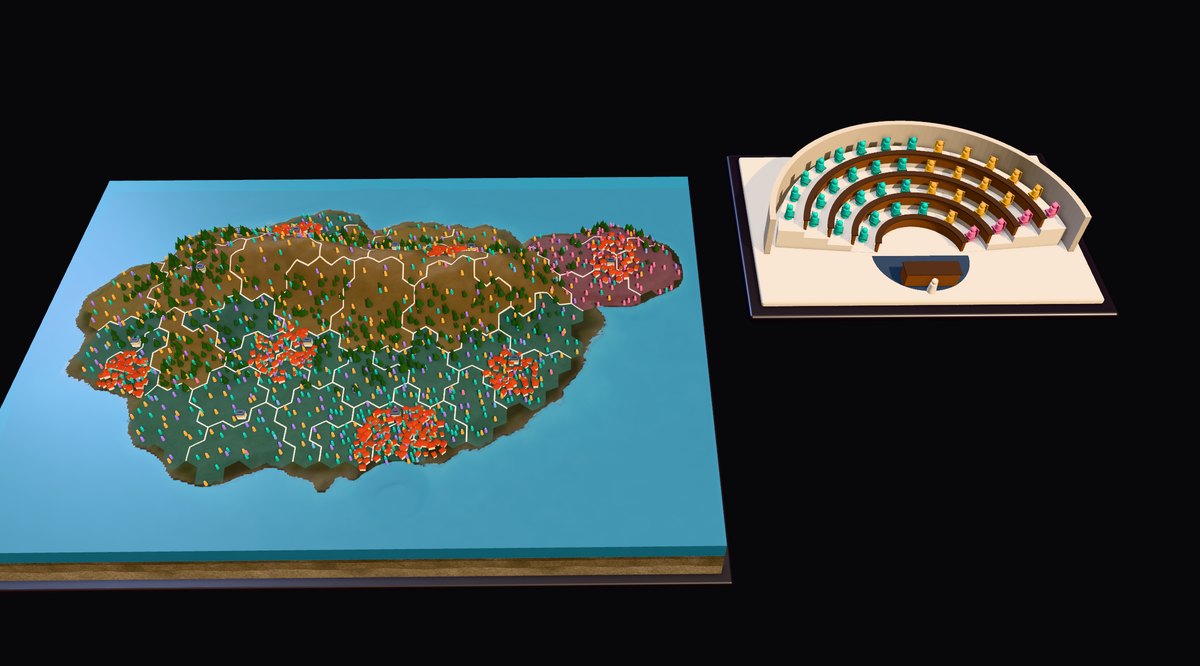
Same votes, different parliament: how can that be?
Launch ↗Teacher notesCIVICS
Civics is easy to teach as a list of institutions and hard to make matter. These interactive civics labs start from things pupils already care about: a cycle lane outside school, a monthly allowance, a post that seems too good to be true, the footprint of what they eat and how they travel.
From there, they follow real processes step by step. Every person, town and message in the labs is invented, so nothing points at real people or real websites.
Create a free account →A class proposes a law. Choose who presents the bill, send it through committee and both Houses of the Italian Parliament, vote on amendments and follow it all the way to the Official Gazette.
Add up the footprint of what you eat, use and travel by, and find out which everyday choices make the biggest difference.
Earn, save, spend and share a month’s pocket money, watch savings grow, see what inflation does to prices and learn to spot a scam message.
Work through a feed of posts, pictures and messages, check sources, catch edited and AI-made images and watch how a rumour spreads.
Each lab opens on one question, pitched at the right level: most have an Explorer level for younger pupils and a Scientist level for older ones.
Move a slider, peel back a layer, add something or take it away. The model answers straight away.
Short challenges ask for a prediction before you look, then for what you saw in your own words.
Built for the hours of civic education: each lab works as one full lesson or as short activities with a closing quiz, and comes with teacher notes and questions for discussion.
A calm way to talk about money, the news and what we owe each other, with examples that point at no real person or brand.
Yes. Imagzle Learning is in beta: a free account opens every lab. After the beta a few labs will be part of a paid plan, each marked as such, and we will tell you at least 30 days before.
From about 8 to 16. Pocket money starts at 8; checking what you see online is for 10 and up. Each lab shows its suggested ages and has two levels.
It follows the Italian Constitution and Parliament, but the ideas, from proposals and amendments to votes and checks, carry over to any democracy.
No. The labs run in an up-to-date web browser. A recent computer or classroom board gives the smoothest 3D.